The Oscars 2026: 4 Hours, 12 Speeches, and One Existential Crisis
A deep dive into Oscars 2026—politics, controversial wins, global cinema, fashion, and viral moments that defined Hollywood’s biggest night.
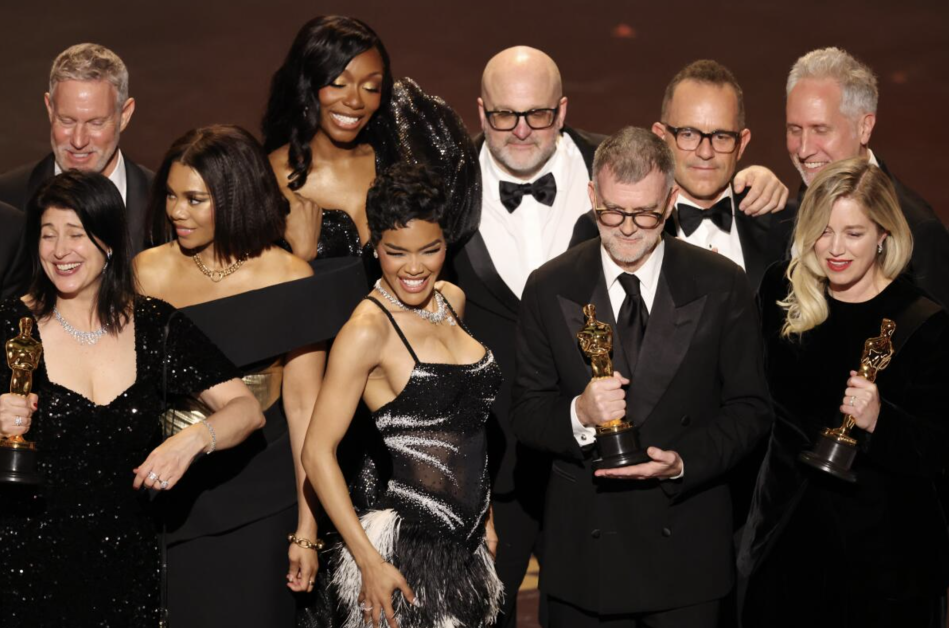
There’s a unique kind of commitment required to watch the Academy Awards—the kind where you sit down for “just the opening monologue” and somehow emerge four hours later, emotionally drained, slightly confused, and deeply invested in arguments you didn’t plan to have.
By the third hour, you’re no longer watching the Oscars—you’re negotiating with yourself. “Just one more award,” you say, as another speech begins and the camera cuts (again) to the same five celebrities reacting like it’s a reality show. And yet, every year, millions tune in. Not just for the awards, but for the chaos, the culture, and the conversations that follow.
The Oscars and the Politics Debate
One of the most persistent criticisms of the Oscars is its perceived political undertone. This year, that conversation resurfaced with the recognition of a documentary centered on Russia’s political system- Mr Nobody Against Putin and Free Palestine.

From a factual standpoint, this isn’t unusual. The documentary category has long favored real-world, issue-driven storytelling. Films that explore governance, conflict, and power structures often resonate with voters because they reflect lived realities rather than fictional escapism.
However, perception tells a different story. To many viewers, such wins feel like ideological positioning—particularly when narratives align with Western critiques of global systems. Whether intentional or not, the Oscars continue to sit at the intersection of art and interpretation, where storytelling is often seen through a political lens.
Why Popular Movies Rarely Win
If there’s one Oscars tradition as old as the ceremony itself, it’s this: the movies everyone watches rarely win the biggest awards.
This year’s reaction to One Battle After Another followed that exact pattern. While the film secured major recognition, audiences questioned whether other, more engaging or innovative films were overlooked.
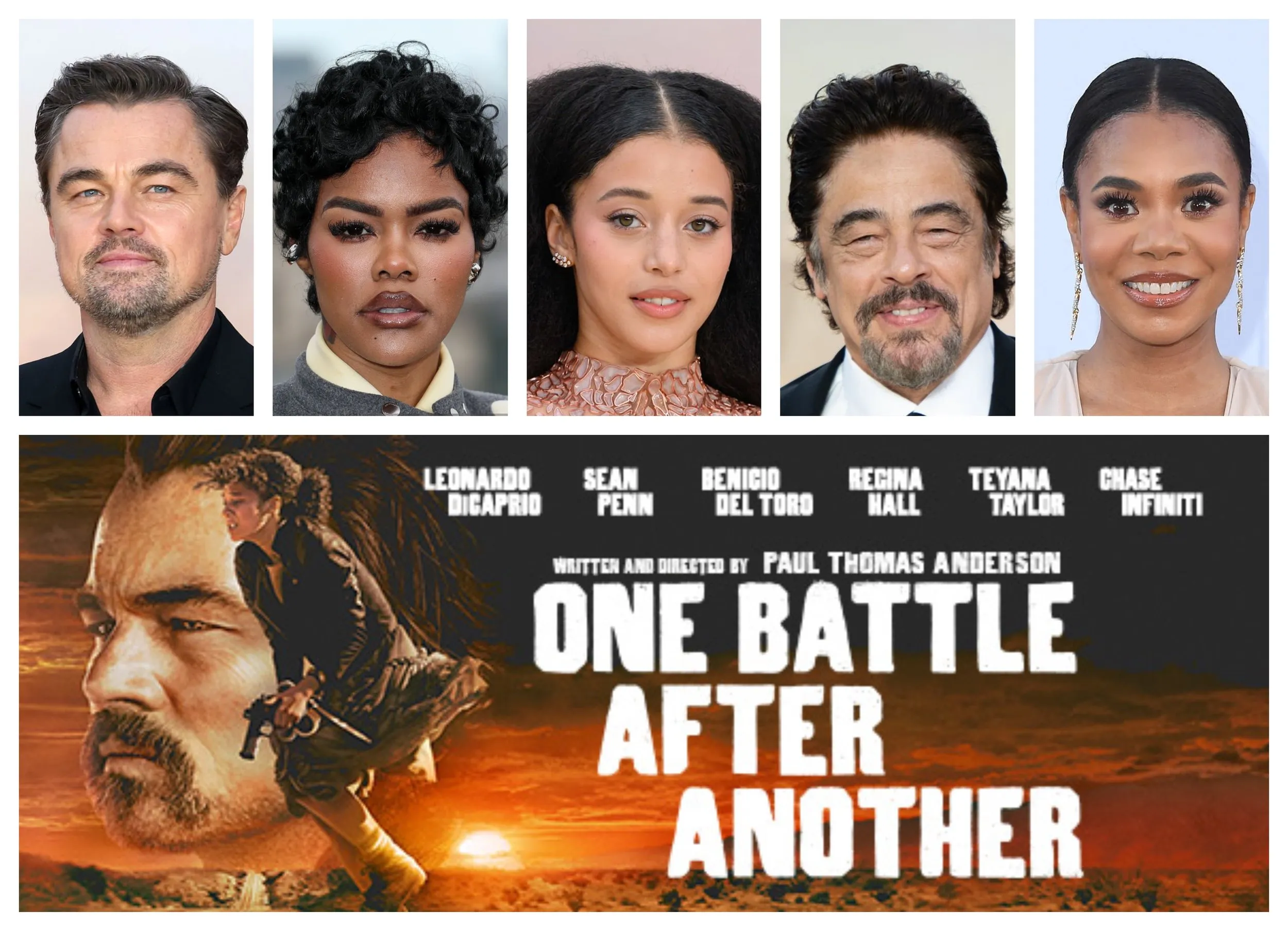
The reality is simpler, though not always satisfying. The Academy tends to reward films that emphasize character depth, thematic weight, and artistic restraint—qualities often labeled as “prestige.” Meanwhile, blockbuster films, despite their cultural dominance, are frequently seen as entertainment rather than artistry.
It’s not a new bias—it’s the foundation of how the Oscars have always operated.
Performance, Recognition, and Cultural Context
The Best Actor win for Sinners sparked intense debate. Some praised the performance as transformative, while others questioned whether broader cultural narratives influenced the outcome.
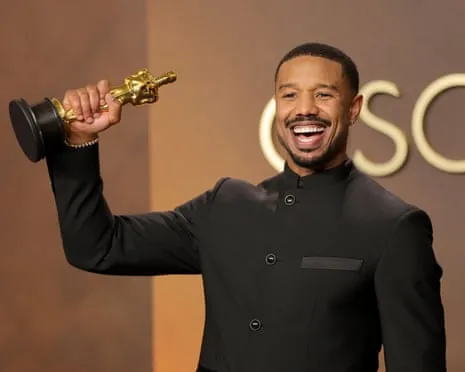
Here’s the nuance: the Academy has, in recent years, expanded its voting body to include more diverse voices across geography, race, and creative backgrounds. This shift naturally changes what gets recognized.
That doesn’t mean awards are handed out as symbolic gestures—but it does mean the definition of “best” is evolving. And as that definition changes, so will the debates.
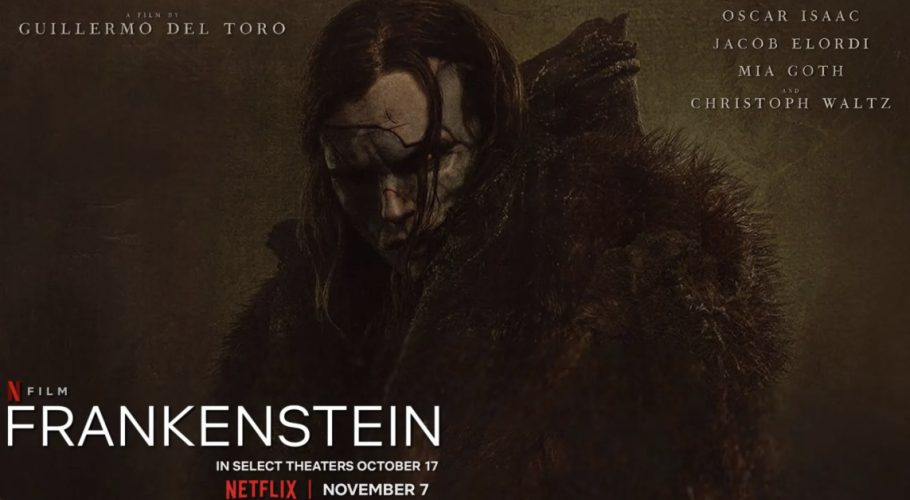
A Rare Consensus: Frankenstein
Amid the disagreements, Frankenstein stood out as a near-universal win.
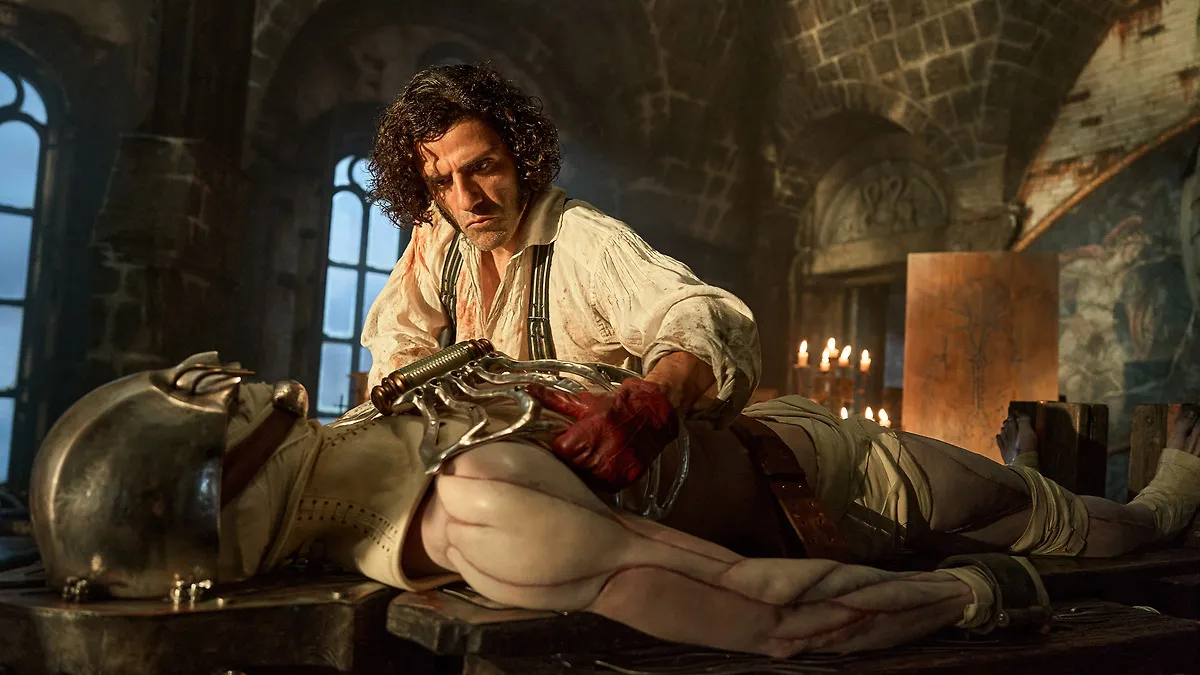
In an era increasingly dominated by AI-assisted production and heavy CGI, the film’s emphasis on craftsmanship, atmosphere, and visual storytelling felt refreshing. Its success highlighted something audiences and critics can still agree on: when a film is meticulously made, it shows.
Global Cinema and the “Firsts” Narrative
Since Parasite reshaped Oscar history, international cinema—particularly from South Korea and across Asia—has gained stronger recognition.
This year continued that trend, but also revived a recurring issue: the Academy’s tendency to frame such wins as “historic firsts.” While these milestones are important, constantly presenting them as exceptions can unintentionally reinforce the idea that global recognition is still unusual.
The Oscars are evolving—but their storytelling around that evolution is still catching up.
Music Wins, But Not the Spotlight
The win for K-Pop Demon Hunter in Best Musical Score reflected the growing influence of global music styles in cinema. However, the limited stage time given to the winners became a talking point.

At the Oscars, recognition isn’t just about receiving the award—it’s about the moment itself. And when that moment feels rushed, it diminishes the impact, especially for achievements that represent cross-cultural collaboration.
The Internet Wins Again
No matter how prestigious the night, the internet always finds its moment.
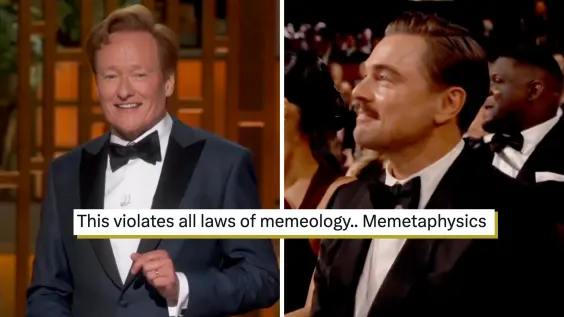
This year, Leonardo DiCaprio once again became meme material, proving that Oscars night isn’t complete without at least one viral reaction shot. At this point, it’s less of an accident and more of an unofficial tradition.
Conan O’Brien: The Right Kind of Host
Perhaps the smartest decision this year was choosing Conan O'Brien as host.
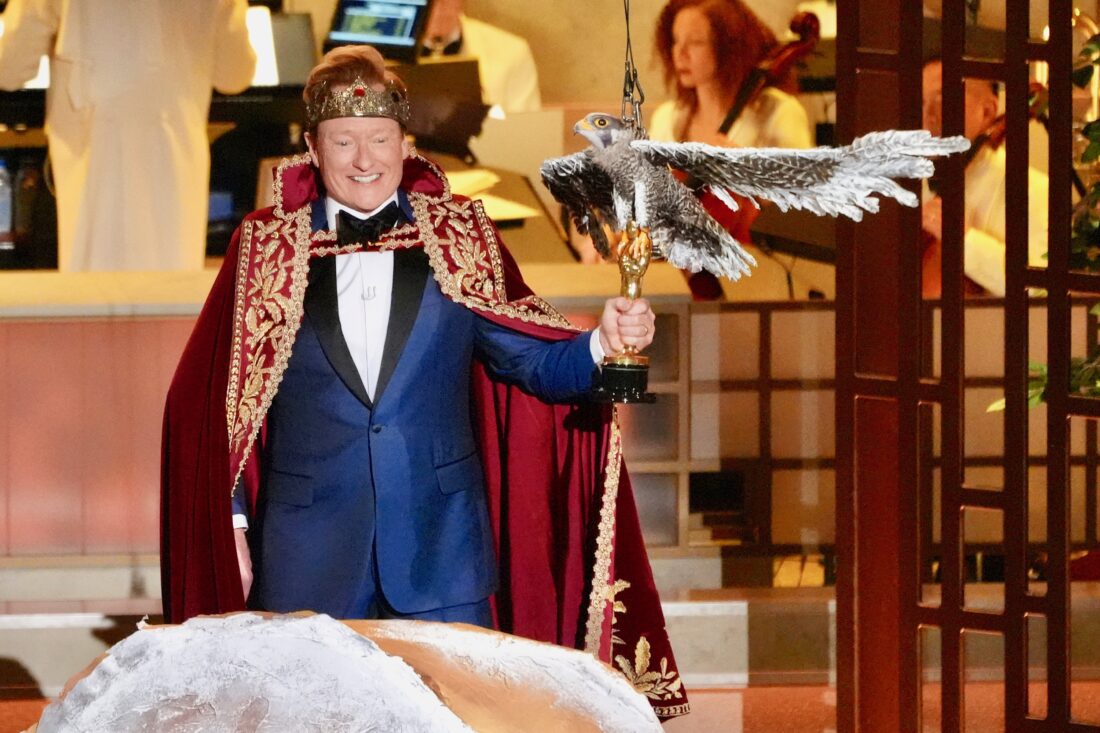
Where some hosts lean heavily into political commentary, Conan delivered something the Oscars desperately needed: balance. His humor was sharp, self-aware, and, most importantly, entertaining. He kept the show moving without overshadowing it—a rare achievement in a ceremony known for doing the opposite.
Red Carpet Excellence: Fashion, Faces, and Diamonds
Beyond the awards, the Oscars remain a spectacle of style.

Kylie Jenner was among those who turned heads, while newer names like Chase Infiniti added fresh energy to the red carpet. The overall theme this year leaned toward refined glamour—clean silhouettes paired with bold statement pieces.

Jewelry, in particular, took center stage. Diamond necklaces, vintage-inspired cuts, and intricately designed earrings dominated the night. Many luxury houses emphasized ethically sourced stones, signaling a shift in how high fashion aligns with modern values.
Even the hosts and presenters contributed to the visual narrative, making the red carpet as much a part of the Oscars experience as the awards themselves.
Final Verdict: Flawed, Debated, Unmissable
The Oscars are not perfect—and they never have been.
They are long, sometimes inconsistent, occasionally controversial, and frequently debated. But that’s also what keeps them relevant. They don’t just celebrate cinema—they create conversations around it.
And maybe that’s why, despite the four-hour runtime, the questionable winners, and the endless speeches, we keep coming back.
Because the Oscars aren’t just something you watch.
They’re something you argue about.
By [Tommy Thounaojam] Editor TrendBrewers