
Toy Story 5 New Trailer: Hope, Heart & Kids vs Screens
Toy Story 5 Trailer reunites Woody and Buzz in a timely story about kids, screens, and imagination—exploring hope, nostalgia, and the magic of physical play.
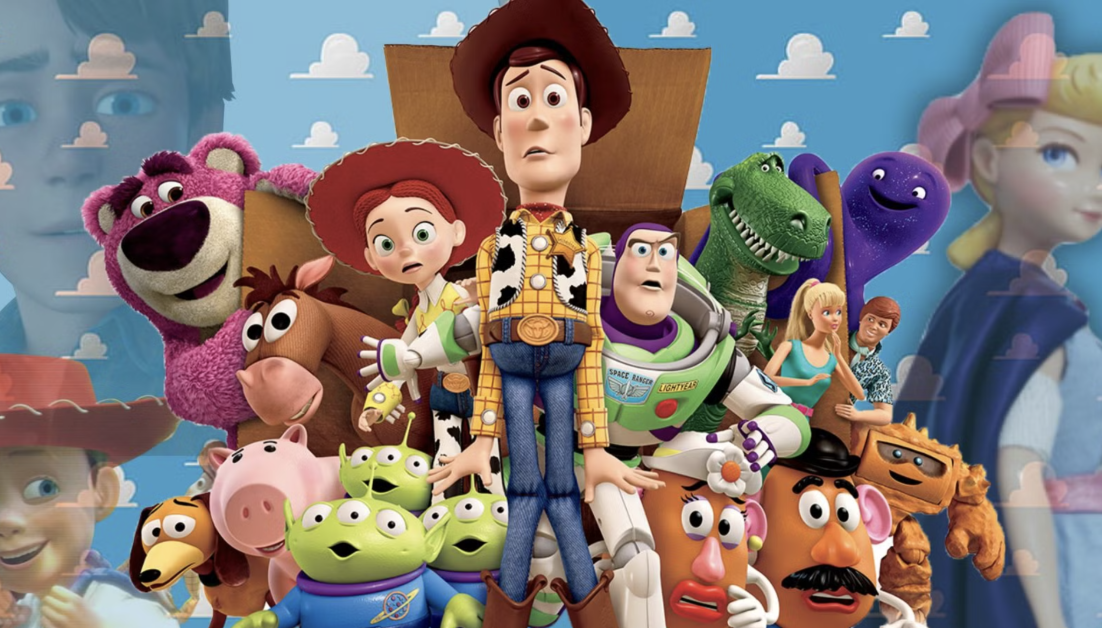
Toy Story 5: What the New Trailers Reveal About Pixar’s Boldest Battle Yet
There’s a moment in the new trailers that feels almost too real: Bonnie lying on the couch, face lit by the glow of a tablet, completely absorbed. Around her, Woody, Buzz, and the rest of the gang sit unnoticed.
No backyard adventures.
No improvised storylines.
No toy-sized heroics.
Just silence… and scrolling.
From what we’ve now seen in the latest trailers and preview footage, Toy Story 5 isn’t just another sequel. It’s Pixar’s most direct commentary yet on childhood in the digital age.
From Andy’s Imagination to Bonnie’s Algorithm
When Toy Story first premiered, it revolutionized animation and introduced us to a simple but powerful idea: toys live for the moments when we play with them.
By Toy Story 3, the emotional weight centered on being outgrown.
With Toy Story 4, the story shifted toward identity and purpose.
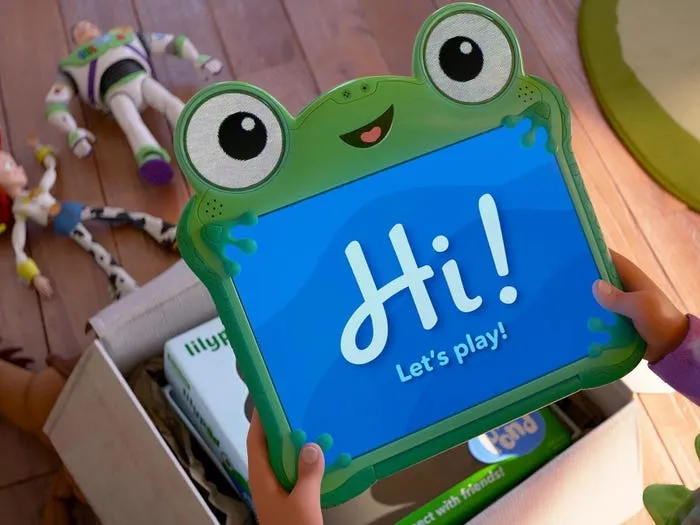
Now, based on the newly released trailers, Toy Story 5 tackles something unmistakably current: what happens when toys aren’t replaced by other toys—but by technology?
Bonnie’s attention is captured by a sleek new tablet device that appears to adapt to her interests in real time. In several quick-cut scenes, we see the toys watching as she laughs, plays games, and interacts with the screen in ways that leave them sidelined.
The emotional tension is clear: this isn’t about jealousy between toys anymore. It’s about relevance.
Toys vs. Technology — Not Villainy, But Convenience
The trailers don’t portray technology as evil. In fact, the device appears cheerful, interactive, even helpful. But that’s what makes the conflict compelling.
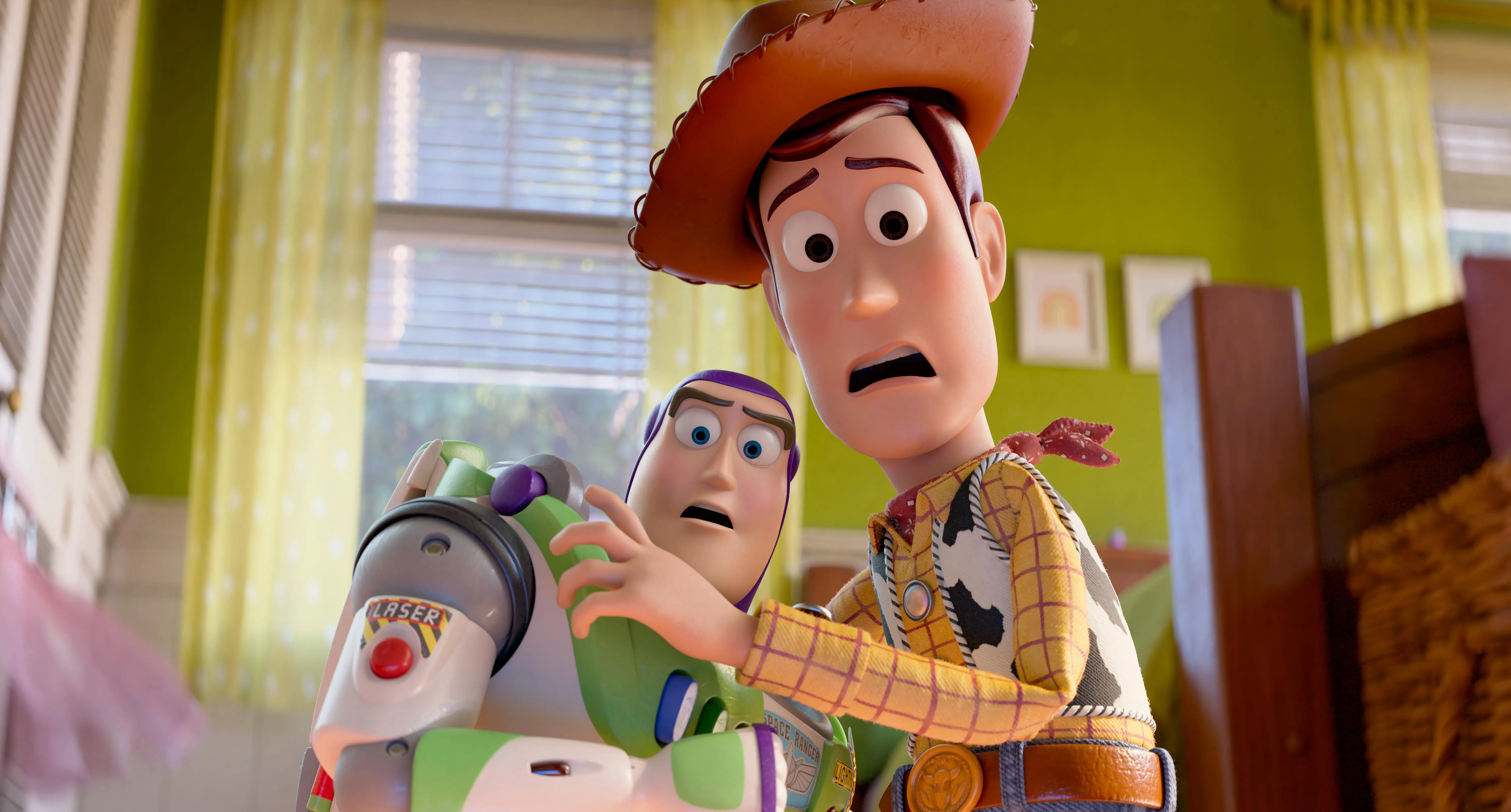
Woody seems especially concerned—not angry, but worried. Buzz, ever the problem-solver, appears determined to “assess the threat,” delivering lines in classic Lightyear fashion.
Pixar seems to be framing this as connection versus convenience.
Screens entertain instantly.
Toys require imagination.
And that difference sits at the heart of the film’s premise.
The Return of Familiar Voices
One of the most reassuring elements confirmed in the trailers is the return of the original cast:

Tom Hanks as Woody
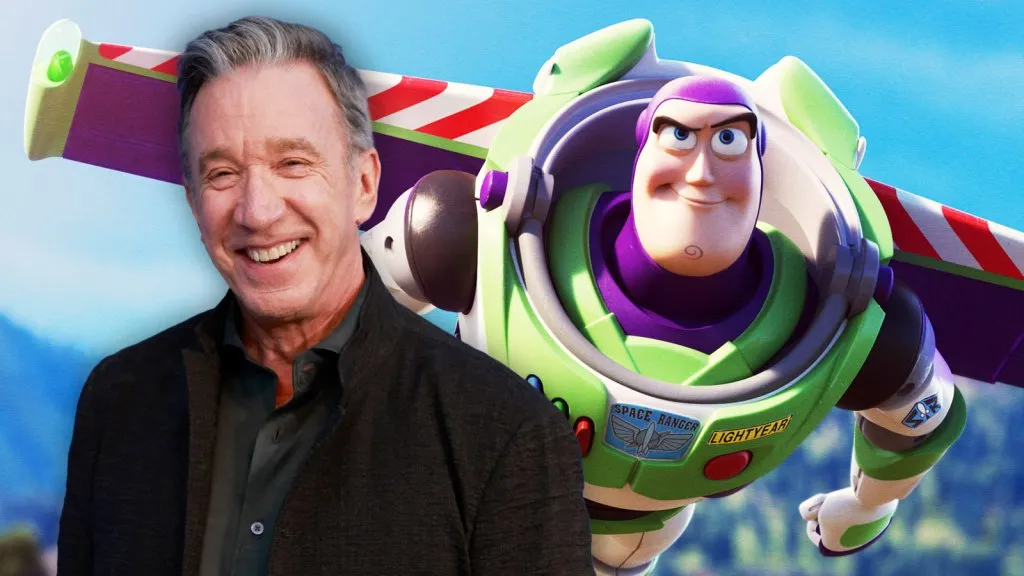
Tim Allen as Buzz Lightyear
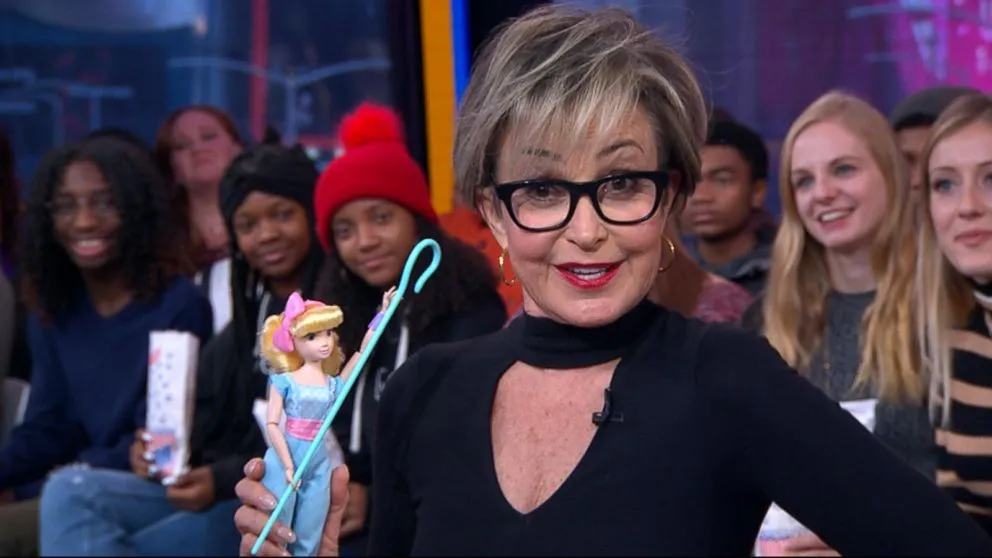
Annie Potts as Bo Peep
Their voices instantly ground the story in nostalgia.
There’s something deeply comforting about hearing Woody’s steady reassurance and Buzz’s confident declarations again. For many viewers, these aren’t just characters—they’re childhood anchors.
The trailers also tease new characters, including what appears to be a tech-inspired personality that interacts directly with Bonnie, adding a modern dynamic to the ensemble.
Pixar Raises the Visual Bar Again
Produced by Pixar Animation Studios and distributed by Walt Disney Pictures, the animation leap is immediately noticeable.
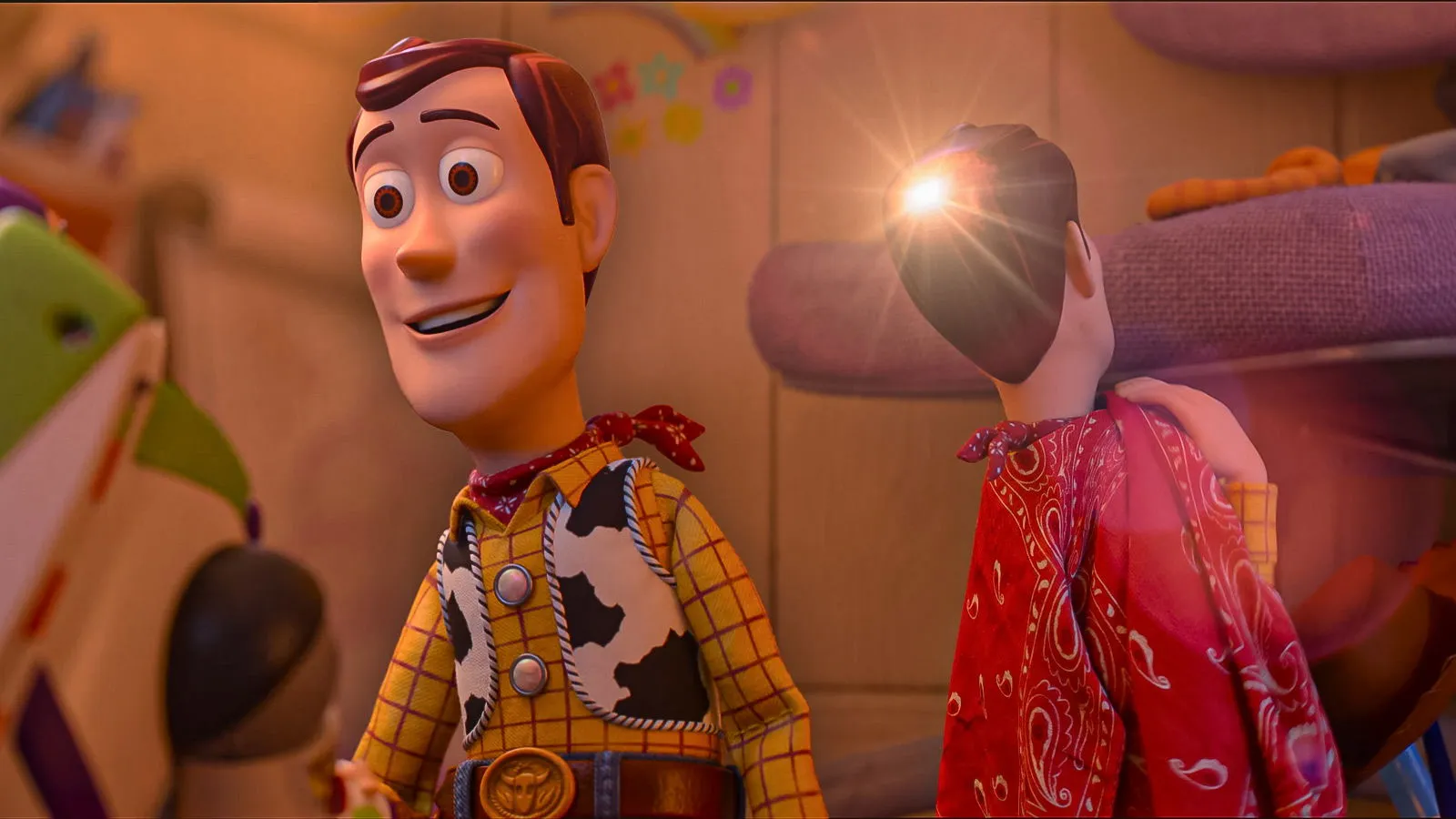
The trailers showcase:
Hyper-realistic lighting and reflections from screens
Subtle emotional detail in the toys’ expressions
Stunning contrasts between tactile textures (fabric, plastic, scuffed paint) and the glossy perfection of digital devices
There’s a poetic irony here: Pixar uses cutting-edge technology to defend the emotional value of physical play.
And visually, it’s breathtaking.
What the Trailers Suggest About the Story
Without revealing full plot details, the trailers hint at:
The toys attempting to “compete” for Bonnie’s attention
A coordinated effort to understand how the device works
Moments of doubt—especially from Woody—about whether they still matter
If earlier films were about fear of being replaced by another toy, this one feels like fear of obsolescence itself.
But if the franchise has taught us anything, it’s this: hope wins.
Why This Theme Feels So Timely
The imagery in the trailers mirrors something many families recognize—kids gravitating toward screens over physical toys.
Yet Pixar doesn’t appear to preach. Instead, it asks a question:
In a world of instant digital gratification, does imagination still have a place?
If the emotional beats teased so far are any indication, the answer will be yes—but not without struggle.
A Story That Grows With Its Audience
What makes Toy Story 5 fascinating is that it continues to mature alongside its original fans.
Those who watched the 1995 original are now adults—some are parents themselves. The franchise has always reflected the fears of its era:
Fear of replacement
Fear of growing up
Fear of being left behind
Now, it explores fear of irrelevance in a digital world.
And that’s a powerful evolution.
Final Thoughts: Hope in the Age of Screens
From everything shown in the new trailers, Toy Story 5 looks emotional, timely, and visually stunning. It’s not simply revisiting old ground—it’s asking what play means in 2026.
Woody and Buzz aren’t just fighting for attention.
They’re fighting for imagination.
And if Pixar stays true to form, they’ll remind us that while technology evolves, connection is timeless.
For longtime fans, families, and anyone who’s ever kept a favorite toy on a shelf long after childhood, this next chapter feels personal.
Because Toy Story has never really been about toys.
It’s been about us.
Check out the latest trailer and see the battle for playtime unfold for yourself.
By Tommy Thounaojam
Editor, TrendBrewers