
How social media changed the way football transfer news is delivered
Ever wondered how footballers switch teams in the middle of a chaotic season? Get an inside look at how social media fuels the rumours, negotiations, hype, and drama behind modern-day transfers.

The reporting of player movements can be traced back to the inception of professional football in the late 19th century. There have been multiple phases the media has gone through for various transfer news.
Early 1900s to 1980s (The "Gossip" Era): Transfer news was restricted to the "back pages" of local and national newspapers. Rumors were often passed by word-of-mouth in pubs or leaked by club officials, with journalists reporting on completed deals or occasional contract disputes (such as George Eastham's landmark 1960 transfer dispute).
The 1995 Bosman Ruling: This European Court of Justice ruling allowed players to move on a free transfer at the end of their contracts. This fundamentally shifted the balance of power, sparking a massive influx of player movement and a corresponding surge in media speculation.
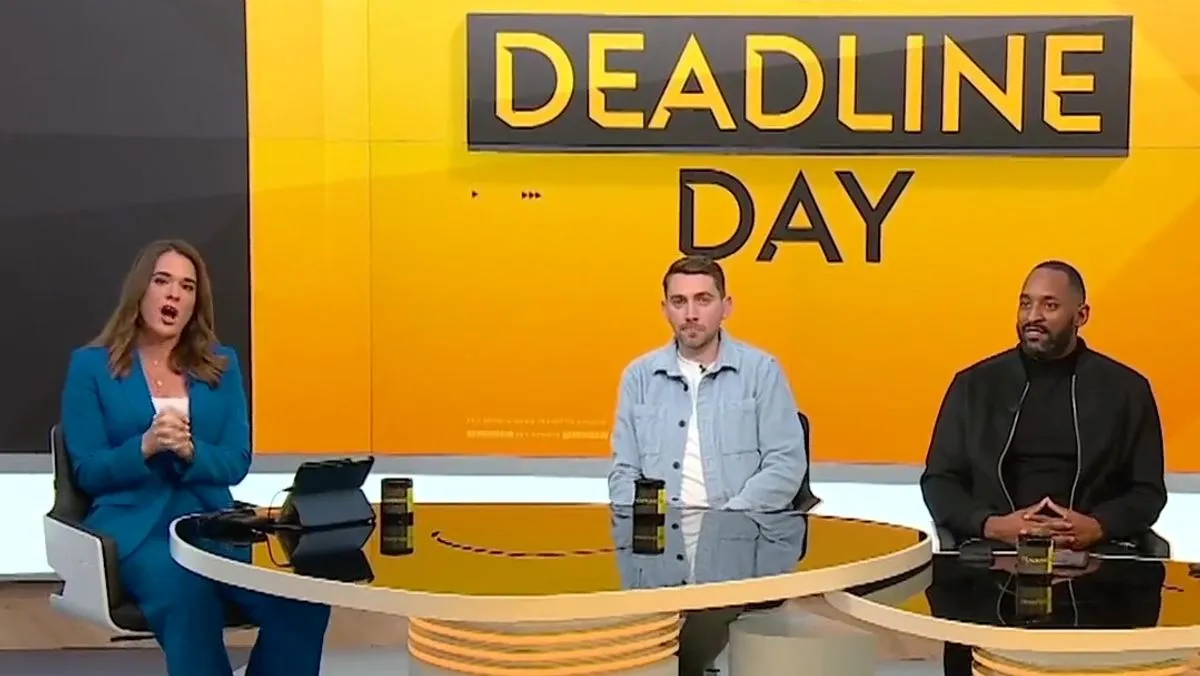
The Rise of the 24/7 Media Machine: Networks like Sky Sports transformed transfer news into a live televised event, famously inventing "Deadline Day".
The Modern Social Media Age: Today, the reporting of news is heavily driven by digital-first outlets, specialized platforms like Transfermarkt, and dedicated transfer journalists (like Fabrizio Romano) who dominate platforms like X (formerly Twitter) to provide minute-by-minute updates.
The arrival of the internet began to speed things up, but social media completely transformed the transfer landscape. Platforms like X, Instagram, and TikTok turned every update into a global event. A cryptic player post, a journalist tweet, or even an airport photo can now spark worldwide speculation within minutes. Transfer windows no longer unfold quietly behind closed doors; they play out like live reality television.
Modern football journalism has adapted to this rapid-fire culture. Reporters compete to break stories first, while dedicated transfer insiders like Fabrizio Romano have built enormous audiences by delivering instant updates and catchphrases fans instantly recognise. Speed has become just as valuable as accuracy in today’s reporting cycle.
How Social Media Took Over the Transfer Window:
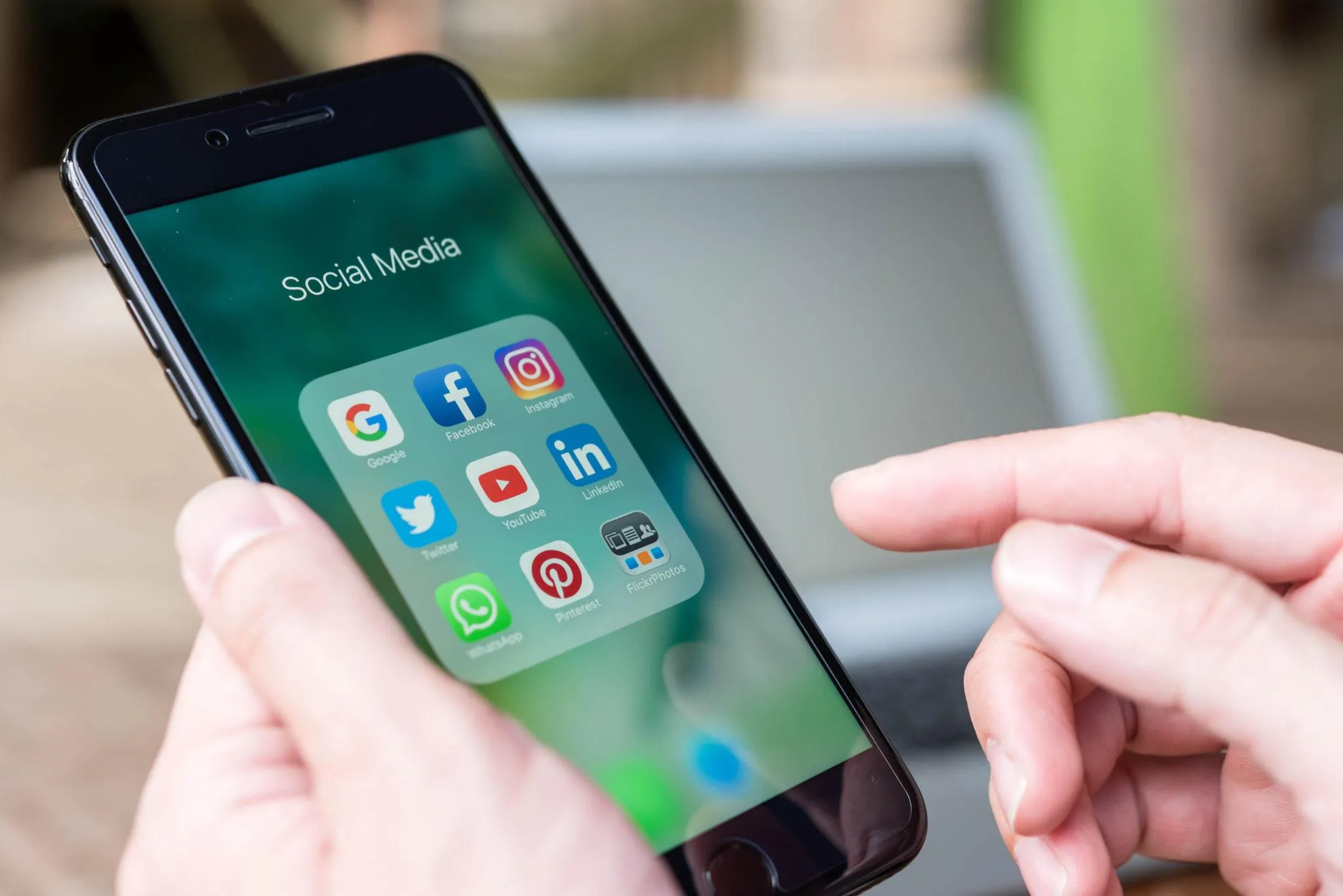
Social media has transformed the football transfer window into a nonstop digital frenzy. What once depended on newspapers and television updates is now driven by instant posts, livestream reactions, and viral rumours spreading across platforms within seconds.
Fans no longer wait for official club statements to learn about transfers. A single tweet from a journalist, a player following a new club on Instagram, or even a suspiciously timed emoji can ignite speculation across the football world. Every movement online becomes part of the transfer conversation, turning social media into football’s unofficial stock market of rumours and reactions.
Journalists have also adapted to this fast-moving environment. Reporters like Fabrizio Romano built massive audiences by delivering quick updates directly to fans rather than relying solely on traditional media outlets. Breaking news has become a race measured in seconds, with credibility and speed constantly battling for attention.
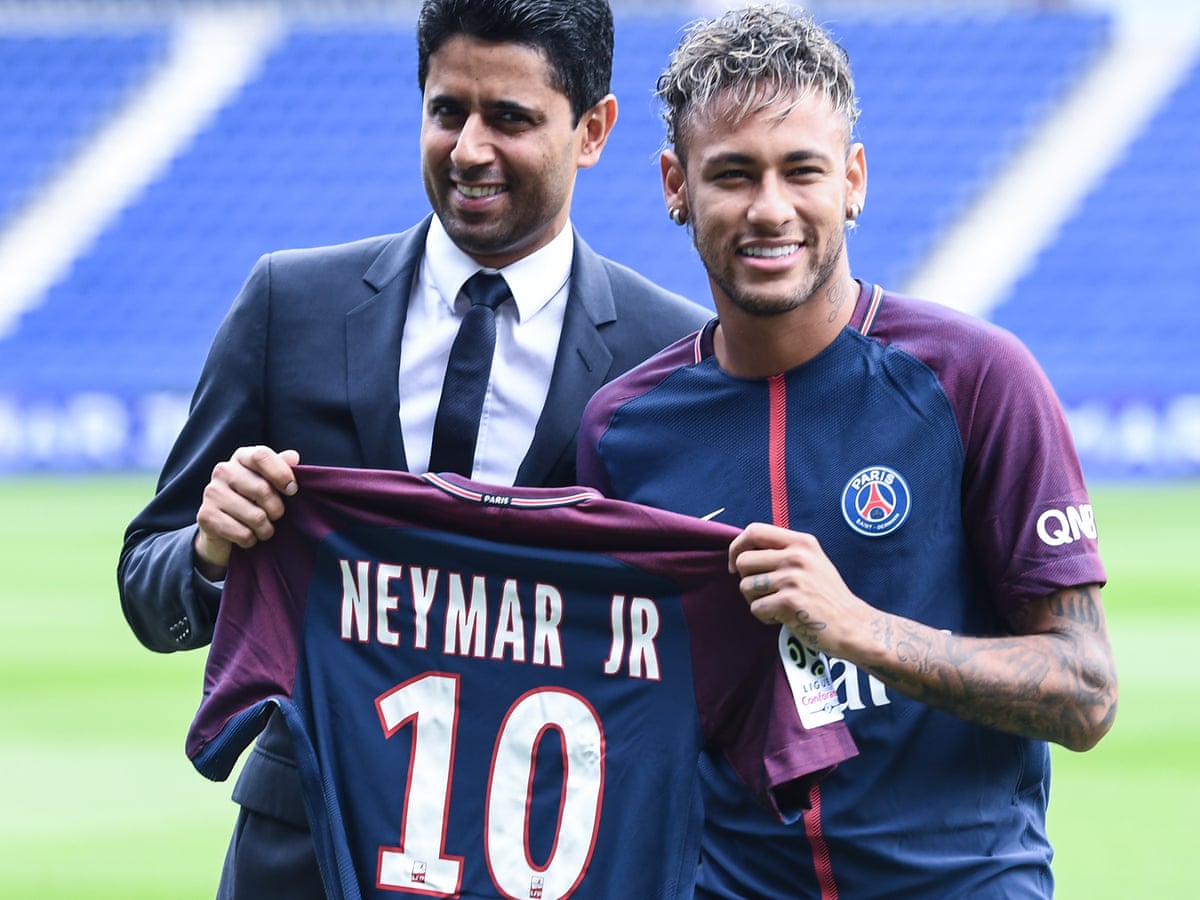
Football clubs themselves now embrace the social media spectacle. Transfer announcements are carefully crafted into cinematic videos, teaser campaigns, and interactive posts designed to maximize engagement. Signing a player is no longer just a sporting decision; it is also a marketing event capable of generating millions of views overnight.
At the same time, the rise of social media has blurred the line between genuine reporting and online noise. Fake accounts, edited screenshots, and unreliable rumours flood timelines during every transfer window, making it harder for fans to separate fact from fiction. Yet despite the chaos, supporters remain glued to their screens, refreshing feeds like traders watching a volatile market. Because of this transfers no longer felt like they were a part of traditional sports reporting, but rather belonged to the internet.
The Rise of Transfer Insider Culture: How online reporters have the upper hand
The internet world has created a new breed of online celebrity: the transfer insider. These journalists and content creators have become central figures in modern football media, turning transfer reporting into a fast-paced world of exclusives, rumours, and real-time updates.
In the past, transfer news came mainly from newspapers or official club announcements. Today, fans follow specific reporters as closely as they follow players and managers. Names like Fabrizio Romano have become globally recognised for breaking deals before clubs even confirm them publicly. Catchphrases, live updates, and instant notifications now define the modern transfer experience.
Social media played a huge role in building this culture. Platforms like X and Instagram gave journalists direct access to millions of football fans without needing television networks or print publications. A reliable insider can now build a personal brand stronger than some sports media companies, with followers constantly refreshing feeds during transfer season.
The rise in popularity of reporters like Fabrizio had created steep competition. Reporters race to be the first with updates in the football transfer market, while fans try their best to analyse and look for clues. Terms like “Here We Go” or “medical booked” have become part of football’s online vocabulary, turning transfer reporting into entertainment as much as journalism.
However, insider culture also has its issues. Lesser known accounts with similar names, use information to stir up rumours regarding transfers. This causes a lot of confusion and spread of misinformation. During major transfer sagas, social media timelines become crowded with speculation, making credibility more important than ever.
Transfer insiders are no longer just reporters in the background. They are now key characters in the football ecosystem, shaping narratives, driving engagement, and influencing how fans experience the transfer window itself.
Traditional Reporting Vs. Digital Breaking News:
Football journalism has undergone a dramatic shift in the digital age. Traditional reporting once focused on verified information, detailed analysis, and carefully sourced stories published through newspapers, television broadcasts, and official sports networks. Today, digital breaking news moves at lightning speed, often prioritizing immediacy over depth.
In the past, fans would wait for morning headlines or scheduled sports programs to learn about transfer developments. Journalists had more time to confirm information through clubs, agents, and official representatives before publishing a story. The process was slower, but it often carried greater reliability and editorial oversight.
Social media changed those rules completely. Platforms like X and Instagram created a constant demand for instant updates, where being first can matter more than being fully accurate. Modern transfer reporting now unfolds in real time, with journalists posting minute-by-minute developments as negotiations progress behind the scenes.
Major transfer players like Fabrizio Romano represent this new era of football journalism, where reporters build direct relationships with audiences online rather than relying solely on traditional media companies. Fans now receive breaking news through push notifications and viral posts instead of waiting for next-day coverage.
This digital shift has also changed fan behaviour. Supporters consume transfer news continuously throughout the day, reacting instantly through comments, memes, livestreams, and debates. A rumour can dominate football discussions worldwide within minutes, creating an environment where stories evolve almost as quickly as they are reported.
Despite the speed of digital transfer news, there has been a decline in excitement over the years. Fans are getting tired of the redundant news that drops in on their X timeline. There is no magic, no suspense and definitely no flair in how the transfer news is announced in today’s fast paced world.

Viral Rumours and Fan Reactions: Is it Hype or genuine information
The use of social media in transfer news and online reporting has helped create major hype of its own. Now that the transfer updates are all over twitter, instagram or any social media platform you could conjure up, the noise has moved there and fans will be looking out for anything that remotely sounds like a rumour. Newspaper clippings and Sky Sports reports have been replaced by youtube announcements from various online journalists and youtube videos. One of the most trusted sources, Fabrizio Romano has trademarked his line “Here we go!” which confirms a signing of a player or a new managerial takeover at a club. These words fuel excitement and fan reactions for loyal listeners across the globe.
The positives here would be that online journalism and using X as a medium of transfer news; It in turn helps build followers and maximise reach for the player as well as club. With a force as large as Fabrizio, players and managers are bound to become a trending topic in the social media world.

How Clubs and Journalists Use Social Media
Social media has become one of the most important tools in modern football. From the announcements of a new manager to the exit of a club legend; Social media is the way to go. It is a lucrative way of maintaining fan engagement and hype across clubs and loyal fanbases alike. Gone are the days of whispers of secrecy and holding onto info until the time is right. Today clubs and journalists maintain a professional relationship with each other; They work together and wait for the right time to upload the official announcement.
At the same time, the pressure to post quickly has intensified competition among reporters. Journalists constantly monitor sources, agents, clubs, and even player activity online to stay ahead of rivals. Every update becomes part of a nonstop information cycle where speed and engagement are critical.
Social media has ultimately blurred the line between journalism, entertainment, and marketing. Clubs use it to promote their brand, journalists use it to build audiences, and fans use it to fuel conversations that keep the transfer window alive around the clock.

The Future of Football Transfer Reporting: What does the future of football hold
The future of football transfer reporting is likely to become even faster, more interactive, and increasingly driven by digital platforms. Social media has already transformed the transfer window into a nonstop global conversation, but emerging technologies and changing fan habits could push football journalism into an entirely new era.
Artificial intelligence, advanced analytics, and real-time content distribution are beginning to shape how transfer news is reported and consumed. Fans now expect instant updates, live reactions, and continuous coverage throughout the day. Traditional news cycles have almost disappeared, replaced by a constant stream of notifications, livestreams, podcasts, and short-form content designed for mobile audiences.
At the same time, clubs are becoming more media-savvy than ever before. Many football teams now operate like entertainment brands, carefully controlling announcements, leaks, and online engagement to maximize visibility. Transfer reveals may continue evolving into large-scale digital events built for virality rather than simple press statements.
The relationship between fans and transfer news is also changing. Supporters are no longer passive readers waiting for updates; they are active participants who influence narratives through reposts, trends, reactions, and online discussions. The transfer window has become part journalism, part entertainment, and part social media spectacle.
If you enjoyed this article on football, we think you'd like this!
To conclude:
Football transfer reporting has evolved dramatically from newspaper headlines and television bulletins to a fast-moving digital ecosystem dominated by social media. Platforms like X, Instagram, and TikTok have transformed how rumours spread, how journalists break stories, and how fans experience the transfer window in real time.
While traditional journalism still plays a vital role in maintaining credibility and depth, social media has undeniably reshaped the football media landscape. The modern transfer window now thrives on speed, engagement, and online interaction, turning every rumour, post, and announcement into a global event.
Yet beneath the viral posts and breaking tweets, one thing remains unchanged: the excitement, drama, and endless curiosity that make transfer season one of football’s biggest spectacles.