Why Samurai Jack’s Ending Still Haunts Fans — A Full Retrospective
From family-friendly beginnings to a dark emotional ending, this in-depth feature examines Samurai Jack’s legacy, cultural impact, and future possibilities.
THE END OF THE WAY OF THE SWORD: THE TRAGIC LEGACY OF SAMURAI JACK
How a silent samurai, a visionary creator, and a heartbreaking finale turned a 2000s cartoon into modern myth.
By [Tommy Thounaojam] Editor TrendBrewers
A Legend Drawn in Silence
Before streaming, before prestige animation, before nostalgia ruled pop culture cycles, there was Samurai Jack — a show that felt more like cinema than Saturday morning cartoons. Created by Genndy Tartakovsky, who emigrated from Moscow to the United States as a child, the series fused Japanese samurai myths, Kurosawa films, comic book minimalism, and bold, experimental animation.

The title? Pure simplicity. In the dystopian future Jack is hurled into, the locals refer to him casually as “Jack.” The nameless samurai adopts it, and Tartakovsky embraced its clean, iconic punch. And while fans still debate Jack’s appearance across different seasons, his canonical identity is unwavering: a Japanese prince displaced through time, voiced by Phil LaMarr.
When Samurai Jack premiered in 2001, it wasn’t marketed as avant-garde. Yet, it looked and felt like nothing else. Long stretches without dialogue. Wide shots pulled from spaghetti westerns and bushido cinema. Color palettes that told emotion as much as story. Kids watched it. Adults studied it.
A cult was born.
From Family-Friendly to Fearless Darkness
For four seasons, Jack wandered — battling robots, saving villages, forming fleeting friendships, and searching endlessly for a portal home. These stories were often wholesome, sometimes funny, occasionally ominous, and always artistic.
Then… silence. For 13 years.

When the show roared back in 2017, it wasn’t for children anymore.
The fifth season landed on Adult Swim with blood, trauma, aging, existential dread, and a Jack who no longer felt immortal. “Everything has changed,” the marketing teased — and for once, that wasn’t hyperbole.
The revival was serialized, stylishly violent, and emotionally raw. Longtime fans were stunned by how seamlessly the series matured alongside them. New viewers, raised on darker animation, embraced it instantly.
A Love Found — and Lost
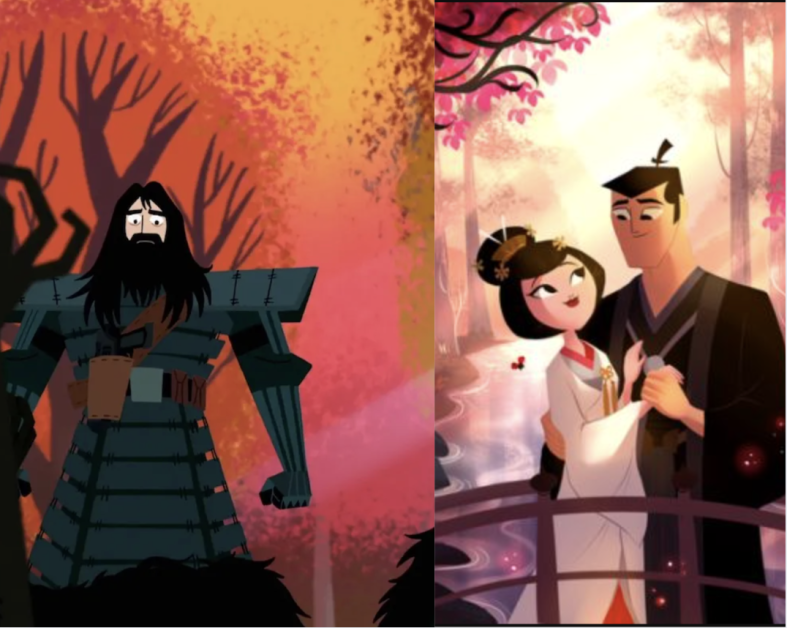
Enter Ashi. Born from Aku’s darkness, molded as an assassin, and transformed by Jack’s compassion, she became the emotional axis of the final season. For the first time, the stoic samurai found something beyond duty: he found hope — and love.
And that’s precisely why the ending hurt so deeply.
When Jack finally defeats Aku and returns to the past, Aku’s influence is erased — and so is Ashi. She fades in Jack’s arms during their wedding ceremony.
He saved the world.
He lost his future.
It was a Shakespearean twist few expected from a once family-friendly series. Fans responded with heartbreak, fan art, essays, and years of debate: Was this the only way?Did Jack deserve better?Was Ashi’s existence a tragedy or a triumph?

Love her or mourn her, she reshaped the legacy of Samurai Jack forever.
The Creator Behind the Blade
Genndy Tartakovsky’s career spans from Dexter’s Laboratory to Primal, Star Wars: Clone Wars, and multiple feature films. Yet Samurai Jack remains his masterpiece — the project he calls his most personal.
His artistic fingerprints define the show: minimalism, silhouette, sharp geometry, and that signature “animated stillness” no other creator wields quite the same.
The show’s return — long deemed impossible — happened partly because Tartakovsky never lost the desire to finish Jack’s story.
And finish it he did.
Comics, Spinoffs, and Expanding the Myth
While the TV series rested, IDW Publishing kept Jack alive in a successful comic run. Stories like Samurai Jack: Quantum Jack and Samurai Jack: Lost Worlds continued his adventures in alternate timelines, multiverse fragments, and spiritual side quests.
Some fans consider them canonical; others treat them as parallel myths. Regardless, the comics kept the brand thriving.
Although a Samurai Jack theatrical film has been in and out of development since the mid-2000s, no completed movie has yet materialized — but the appetite is certainly there.
Collectibles, Action Figures & the Rise of the Nostalgia Market
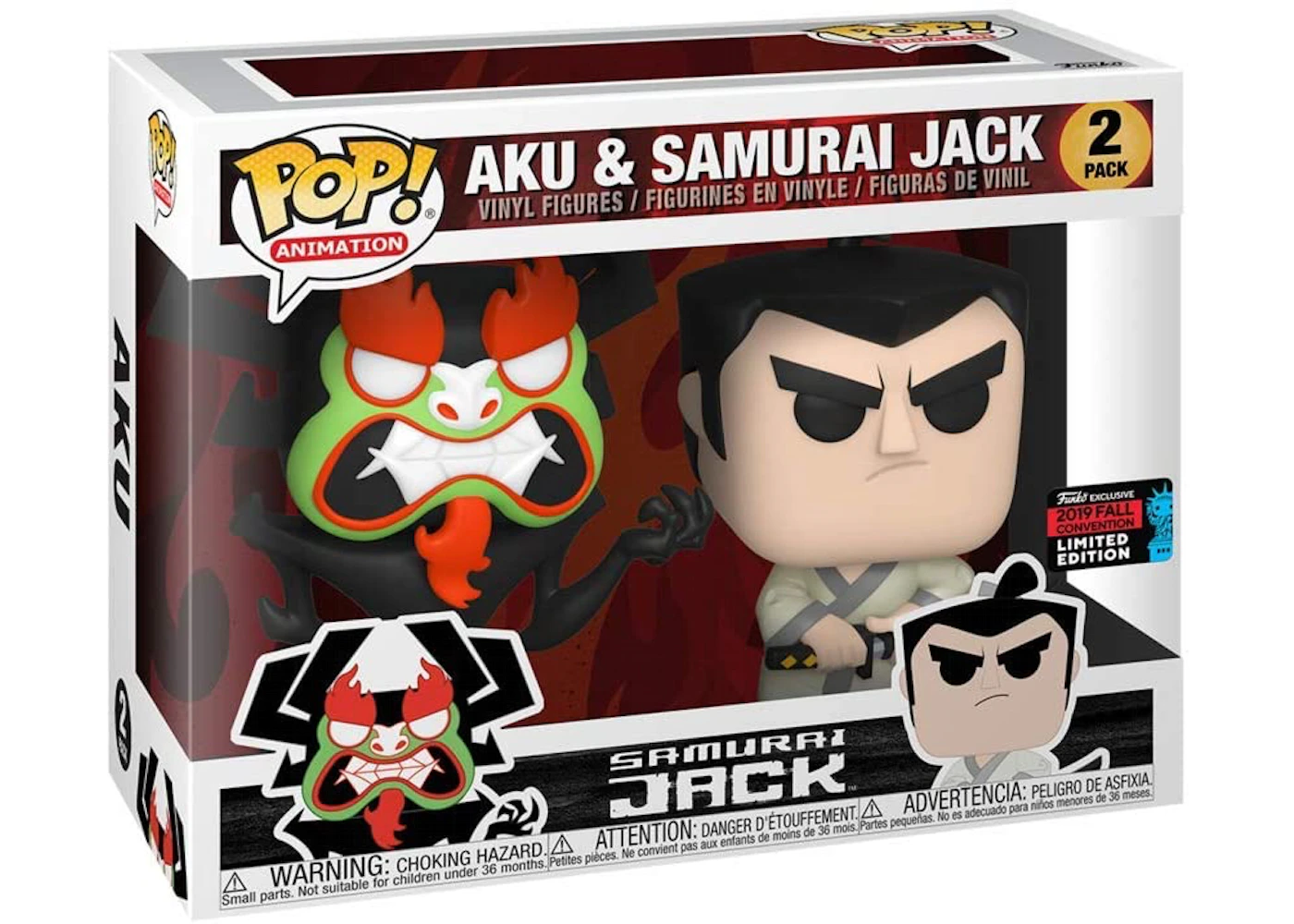
Funko Pops. One:12 Collective Jack and Aku figures. Statues. Limited-run vinyl art pieces. Even vintage early-2000s toy lines now command high aftermarket prices.
Collectors adore Samurai Jack merchandise because:
◦ It’s visually striking
◦ Releases are relatively limited
◦ Nostalgia demand is high
◦ Adult Swim’s revival reignited long-term fandom
In the U.S., Japan, and parts of Europe, Jack figures remain highly sought after — especially stylized or premium editions.

Fashioning the Samurai: Why T-Shirts Became Iconic
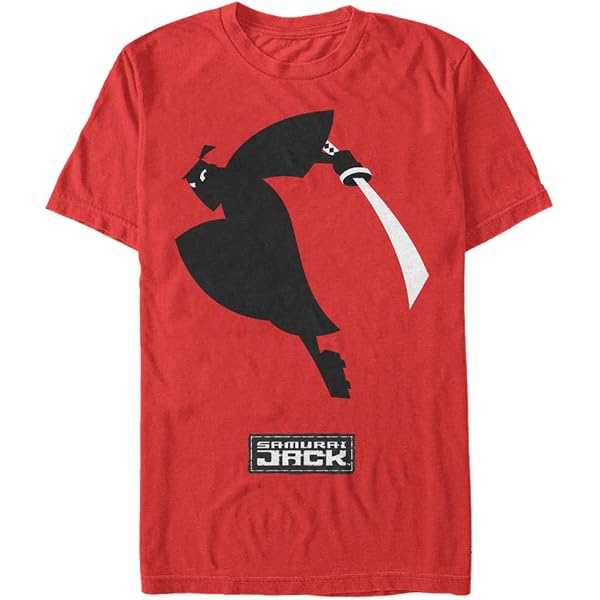
Jack’s silhouette is graphic design gold. Bold. Minimal. Recognizable from across a street.
That’s why:
◦ Streetwear brands
◦ Indie designers
◦ Retro 2000s fashion cycles
◦ Anime and vaporwave-inspired prints
…all embraced the Samurai Jack aesthetic.
Today, you’ll find Jack on shirts worn by skaters, anime fans, gym rats, tech workers, artists, nostalgic millennials — and even fashion circles that celebrate minimalist pop iconography.
When a character crosses subcultures so effortlessly, you know they’ve become myth.
Influencers, Internet Culture & The Push for a Revival
YouTube essayists, TikTok animators, Instagram illustrators, and nostalgia-focused influencers have helped push Samurai Jack back into trending cycles. Deep dives on the finale, animation breakdowns, and “Cartoons That Deserved Better” videos rack up millions of views.
Every few months, Jack goes viral again — often sparked by:
◦ A montage of Jack’s silent action scenes
◦ Fan-made trailers for a hypothetical movie
◦ Edits of the Ashi romance
◦ Discussions on tragic storytelling in animation
The internet has become Jack’s second home.
Will There Be a New Version of Samurai Jack?
As of the most recent public information:
◦ No new Samurai Jack TV series is confirmed
◦ No active film project has officially entered production
◦ Tartakovsky is focused on other animation projects (like Unicorn: Warriors Eternal and various film commitments)
But Tartakovsky has repeatedly said he still thinks about the character — and that he has more stories he could tell. If Adult Swim or another studio greenlit a spinoff, standalone special, or alternate timeline story, fans would show up immediately.
Given how heavily nostalgia drives modern media greenlights, a revival, special, or companion piece is not far-fetched.
But for now, Jack’s journey rests — bittersweet, complete, and unforgettable.
THE MESSAGE THAT ENDURES
In the end, Samurai Jack teaches a rare lesson for Western animation:
Heroism has a cost.
Duty demands sacrifice.
And even victory can feel like loss.
Jack’s final moment — sitting beneath a cherry blossom tree, alone with memory — is a reminder that some journeys shape us not through what we gain, but through what we must let go.