Christopher Nolan’s The Odyssey vs Troy (2004): A New Era for Greek Mythology Films
Christopher Nolan’s The Odyssey (2026) is already being compared to Troy (2004). Explore the mythology, controversy, cast, realism, fan reactions, and why Nolan’s next film could become the biggest Greek epic ever made.
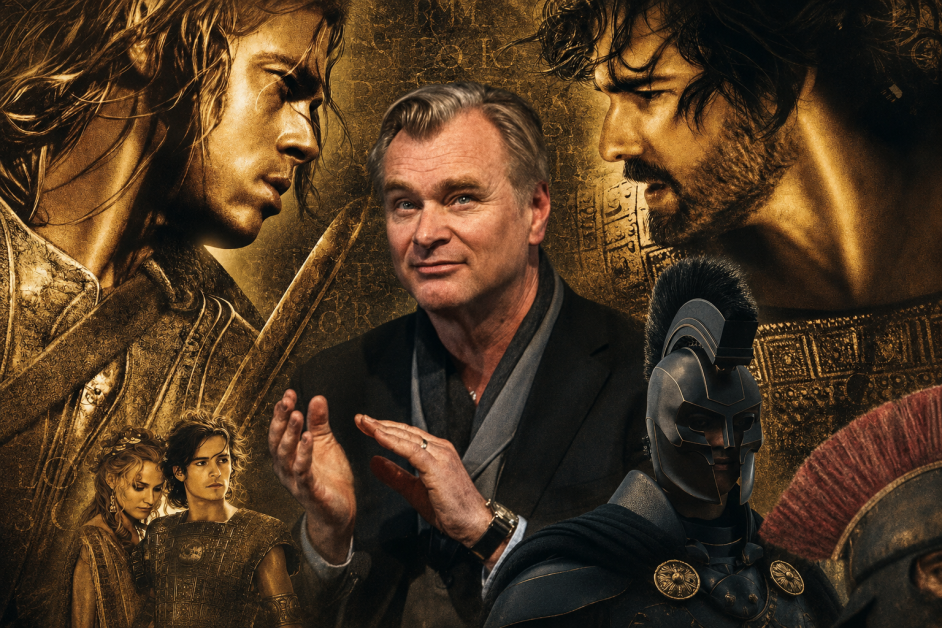
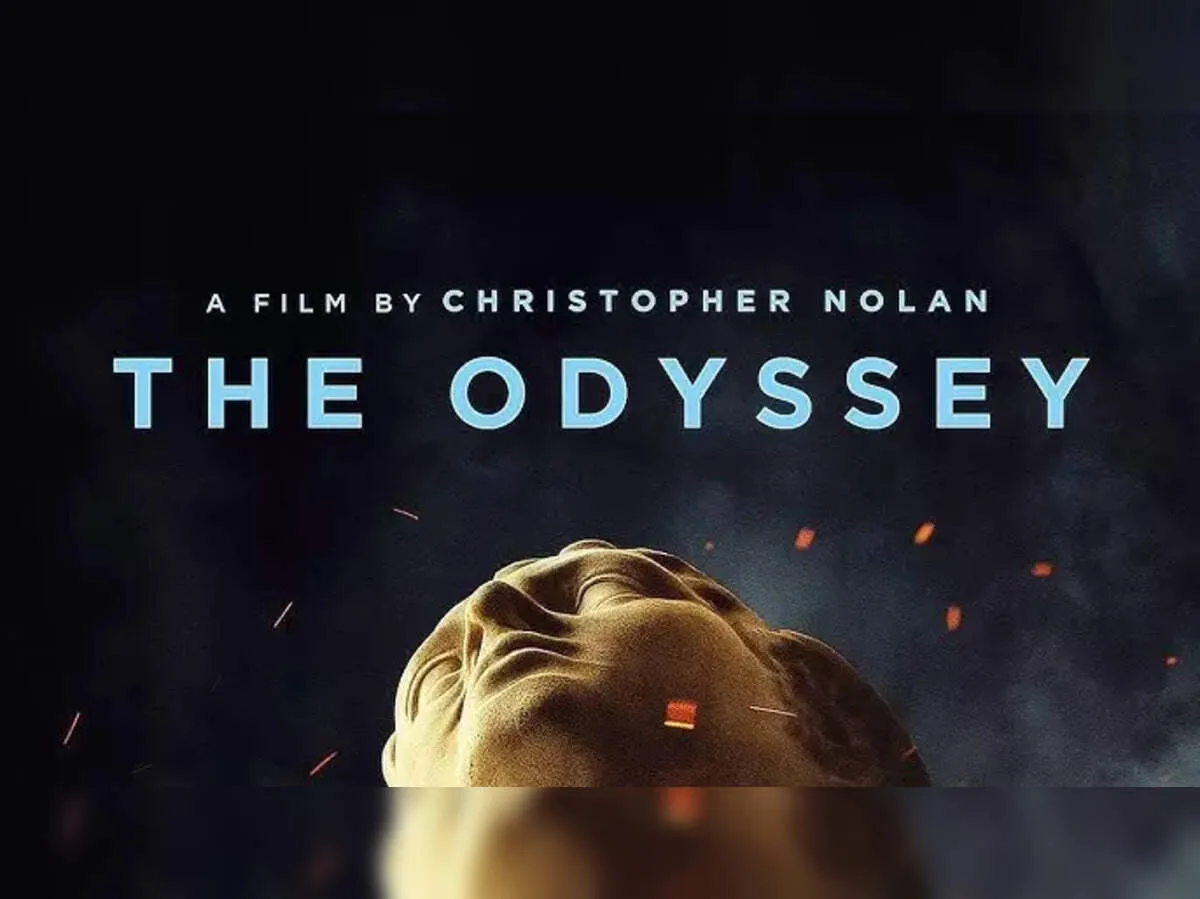
After redefining modern war cinema with Dunkirk and delivering a sweeping historical character study in Oppenheimer, Nolan is now stepping into the mythological world of Ancient Greece for the very first time. With reports of a staggering $250 million production budget, large-scale practical set pieces, IMAX cinematography, and an A-list cast featuring Matt Damon, Anne Hathaway, Zendaya, and Tom Holland, expectations have exploded across the internet.
Almost immediately after teaser footage and production leaks surfaced online, comparisons to Troy (2004) began dominating film discussions, Reddit threads, YouTube analyses, and movie forums.
And honestly, the comparison makes perfect sense.
For an entire generation of moviegoers, Troy remains the defining Greek war epic of modern Hollywood. Wolfgang Petersen’s adaptation — starring Brad Pitt as Achilles and Sean Bean as Odysseus — combined gritty warfare, masculine intensity, political betrayal, and tragic heroism into a massive cinematic spectacle that still holds cultural relevance more than twenty years later.
Now, Nolan appears ready to revisit that same mythological universe — but with a far more philosophical, psychological, and possibly supernatural approach.
Yet alongside the excitement comes controversy.
Across social media, there is growing debate surrounding how The Odyssey will handle modern Hollywood sensibilities, casting choices, representation, and whether contemporary storytelling trends could fundamentally alter the darker and more brutal essence of Homer’s original work.
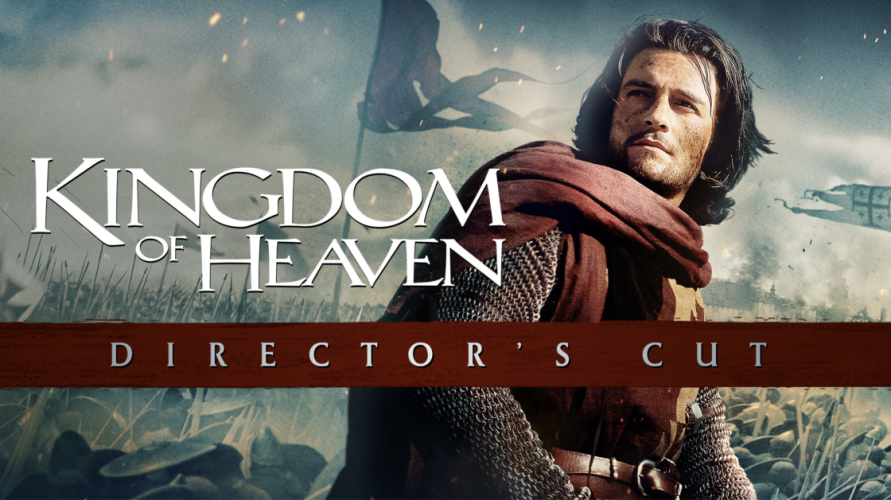
Also Read: Why Kingdom of Heaven Became a Modern Classic: From Box-Office Underdog to Ridley Scott’s Most Revered Epic
The result is a fascinating clash between nostalgia, mythology, modern filmmaking, and audience expectations.
And before the film has even released, The Odyssey is already shaping up to be one of the most discussed movies of the decade.
Is Christopher Nolan’s The Odyssey Connected to Troy (2004)?
Technically, no.
Christopher Nolan’s The Odyssey and Wolfgang Petersen’s Troy are completely separate films with different studios, creative teams, actors, and storytelling approaches.
However, they are deeply connected through their source material.
Troy is loosely based on Homer’s The Iliad, which chronicles the Trojan War, while The Odyssey acts as the chronological continuation of that story, following Odysseus’ long and traumatic journey home after the war concludes.
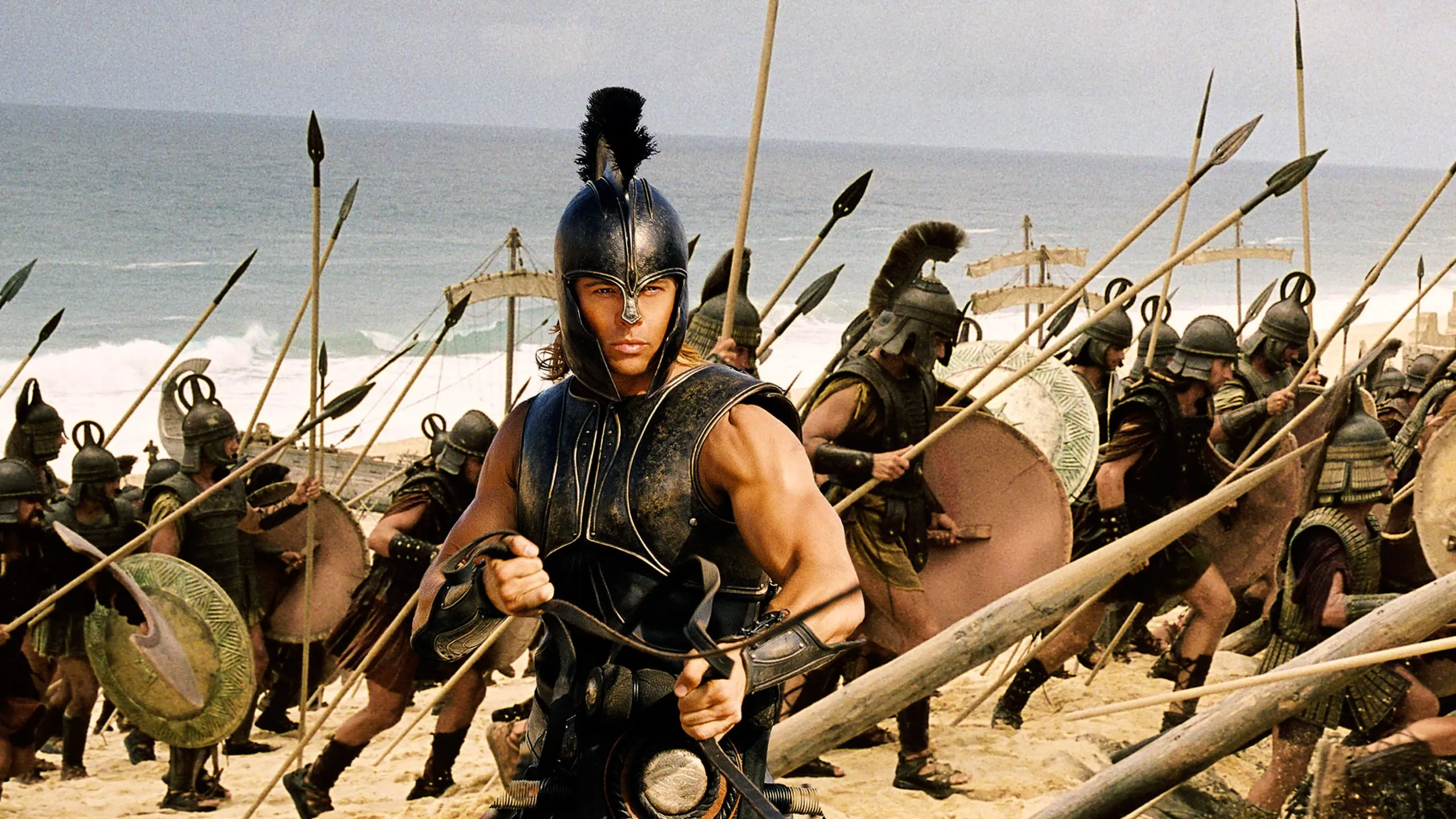
In literary terms, The Odyssey is effectively the sequel to The Iliad.
That relationship is exactly why audiences are revisiting Troy ahead of Nolan’s adaptation.
Even though Troy took significant liberties with Homer’s mythology, it introduced mainstream audiences to the politics, violence, betrayal, pride, and emotional devastation surrounding the Trojan War. More importantly, it helped modern audiences emotionally understand the world Odysseus comes from before his legendary voyage begins.
For many fans, Troy remains the cinematic foundation of modern Greek mythology storytelling.
Why Troy (2004) Became a Cult Classic
When Troy released in 2004, critics were divided.
Many literary purists criticized the movie for stripping away the mystical side of Homer’s narrative. Gods like Zeus, Athena, Apollo, and Poseidon were largely absent, turning the story into a grounded historical war drama rather than a mythological fantasy.
But over time, audiences embraced Troy for what it actually was:
a brutal, emotional, testosterone-fueled war epic.
The film excelled because it committed fully to scale and intensity.
The battle choreography felt visceral. The practical sets felt enormous. The performances carried emotional weight. Brad Pitt’s Achilles became instantly iconic, while Eric Bana’s Hector gave the film its tragic emotional center. Sean Bean’s portrayal of Odysseus added intelligence and quiet calculation to an otherwise warrior-dominated story.

Even today, Troy shares cinematic DNA with classics like:
- Gladiator (2000)
- Braveheart (1995)
- Kingdom of Heaven (2005)
- 300 (2006)
What made Troy endure wasn’t historical accuracy.
It was emotional conviction.
The film understood masculinity, ambition, pride, mortality, warfare, and legacy — themes deeply embedded in Greek mythology itself.
That emotional seriousness is exactly why fans believe Nolan’s The Odyssey could become the next great historical-mythological epic.
Christopher Nolan’s Style Could Make The Odyssey Completely Different
Unlike most directors tackling mythological material, Christopher Nolan approaches storytelling through realism, psychology, and existential tension.
That alone makes The Odyssey fascinating.
Odysseus is not a straightforward action hero like Achilles. He is manipulative, intelligent, traumatized, resourceful, arrogant, emotionally exhausted, and constantly battling forces beyond his control.
That complexity aligns perfectly with Nolan’s filmmaking style.
If Interstellar explored time and human connection…
If Dunkirk explored survival and fear…
If Oppenheimer explored guilt and consequence…
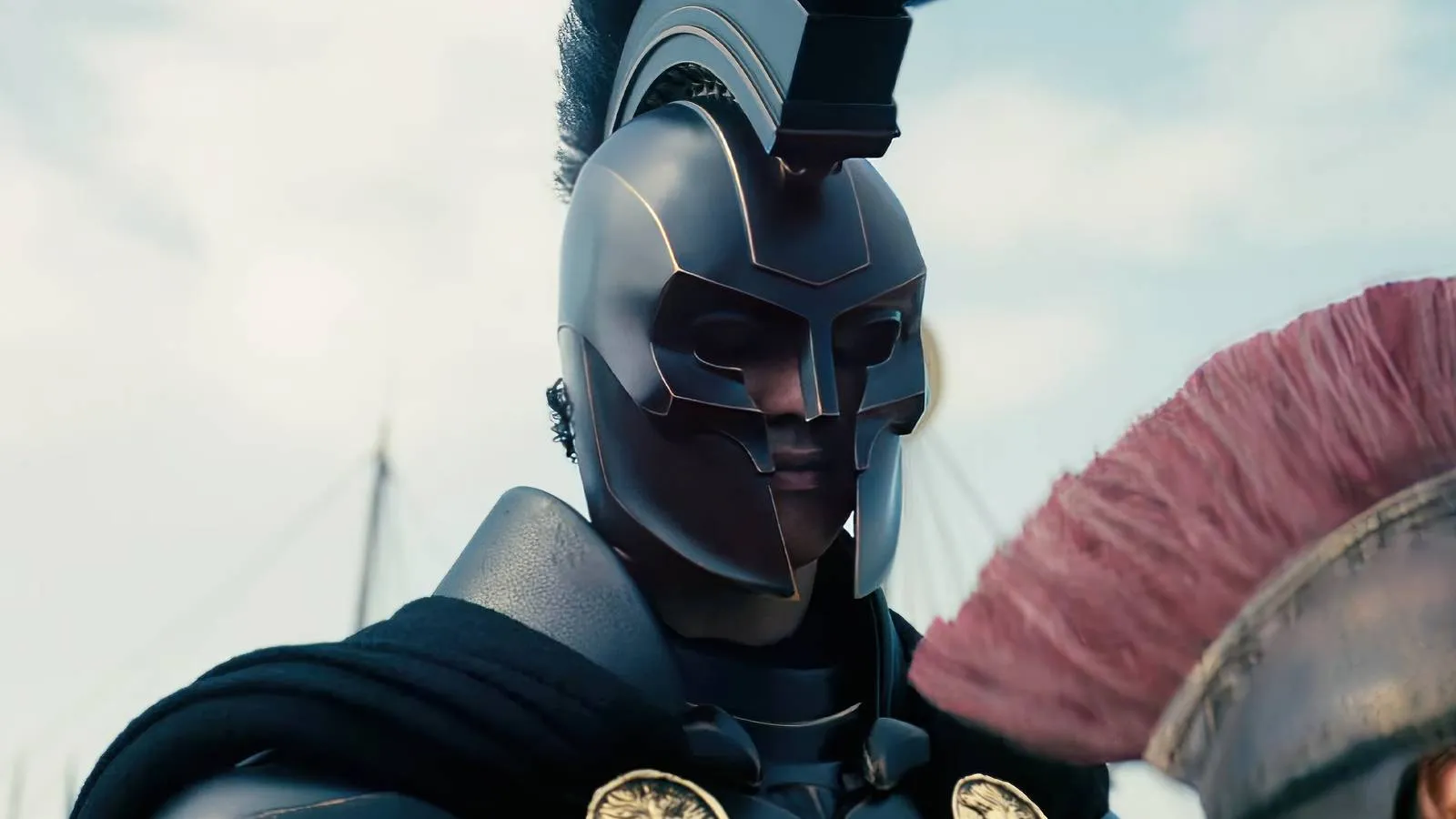
Then The Odyssey could become Nolan’s meditation on trauma, perseverance, identity, and the psychological cost of war.
Early teaser footage suggests a darker and more grounded atmosphere than recent fantasy blockbusters. Reports from production leaks indicate large practical ships, real ocean cinematography, massive coastal sets, and practical stunt work rather than excessive CGI environments.
This is where comparisons to Troy become particularly interesting.
Troy intentionally removed mythology to ground the story historically.
Nolan, however, may attempt something far more ambitious:
blending realism with mythological surrealism.
If executed correctly, The Odyssey could feel like a fusion of:
- Troy
- Interstellar
- Apocalypse Now
- and ancient Greek tragedy.
That possibility is exactly why Nolan fans are so excited.
The Growing Debate Around Modern Hollywood Influences
Instead, much of the online conversation revolves around modern adaptation culture and whether contemporary Hollywood politics could reshape classic mythological storytelling.
Across YouTube, Reddit, X, TikTok, and film communities, some fans have expressed concerns about what they perceive as increasing “modernization” within legacy franchises and historical adaptations.

Several viral discussions criticize the possibility of:
- modern ideological messaging overshadowing mythology,
- excessive sanitization of morally complex characters,
- rewriting masculine archetypes,
- or prioritizing representation debates over narrative authenticity.
Some critics online specifically worry that beloved mythological characters could lose the harshness, brutality, pride, and flawed heroism that originally defined them in Homer’s works.

Others argue these concerns are premature and largely speculative.
Supporters of Nolan point out that the director has consistently avoided overt trend-driven storytelling throughout his career. His films tend to focus on ambiguity, morality, obsession, sacrifice, power, and human psychology rather than political messaging.
Additionally, many scholars and film critics argue that Greek mythology itself has always evolved through reinterpretation. Homer’s stories have been rewritten, translated, modernized, and adapted across centuries by different cultures and artistic movements.
That tension between tradition and reinterpretation lies at the center of the debate.
At the moment, there is no concrete evidence suggesting The Odyssey fundamentally changes the core themes of Homer’s narrative.
Most controversies currently circulating online stem from speculation, casting assumptions, internet discourse, and broader frustrations audiences already have with modern franchise filmmaking.
Still, the conversation itself reveals how emotionally protective audiences have become over beloved historical and mythological stories.
Why Nolan Fans Believe The Odyssey Could Be Bigger Than Oppenheimer
Many Christopher Nolan fans genuinely believe The Odyssey could become the director’s most ambitious film ever.
And the reasons are obvious.
Unlike Nolan’s original stories, The Odyssey already contains:
- legendary wars,
- giant monsters,
- gods,
- revenge arcs,
- shipwrecks,
- betrayals,
- prophecies,
- existential themes,
- and one of the greatest character journeys ever written.
Combined with Nolan’s obsession with practical filmmaking, immersive sound design, large-format IMAX photography, and nonlinear emotional storytelling, the ingredients are there for a once-in-a-generation cinematic event.
There is also enormous interest surrounding the cast.
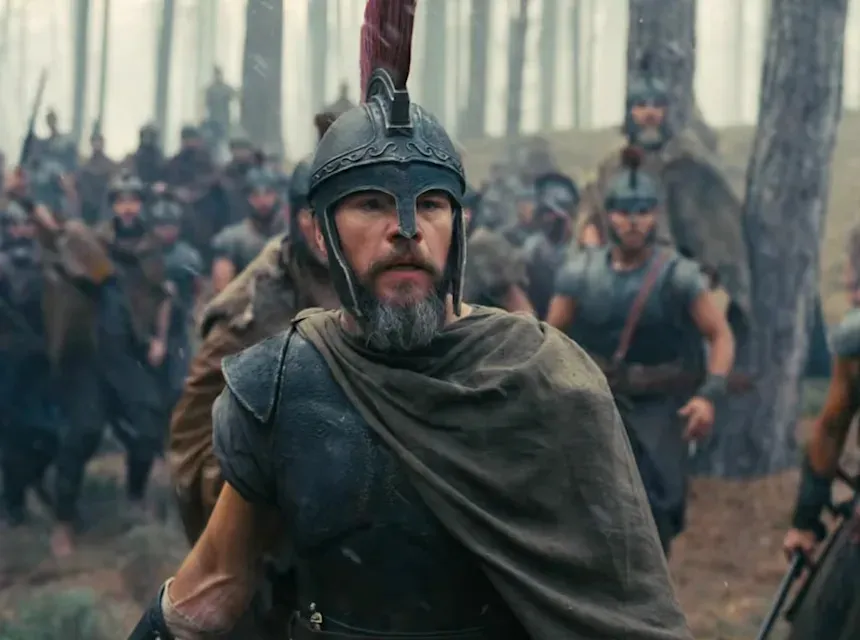
Matt Damon reportedly portraying Odysseus has generated strong reactions online because many viewers believe he possesses the intelligence, weariness, and emotional maturity required for the role.
Anne Hathaway’s involvement continues Nolan’s trend of working repeatedly with actors who fit his emotionally grounded style, while Zendaya and Tom Holland introduce younger mainstream audiences to Greek mythology in a way few historical epics have managed in decades.
The blend of prestige filmmaking and blockbuster accessibility is rare.
That is exactly why expectations have become almost impossibly high.
Could The Odyssey Avoid the Mistakes of Modern Epics?
Modern Hollywood epics often fail for one major reason: They struggle to balance authenticity with accessibility.
Some adaptations become so focused on modern reinterpretation that longtime fans feel disconnected from the original themes. Others become so rigidly faithful that they alienate general audiences.
Nolan’s challenge is enormous because The Odyssey is not just another fantasy story.
It is one of the foundational texts of Western storytelling.
Its themes of:
- war,
- masculinity,
- temptation,
- loyalty,
- grief,
- pride,
- identity,
- homecoming,
- and survival
have influenced literature, philosophy, religion, and cinema for thousands of years.
Audiences expect spectacle.
But they also expect emotional truth.
If Nolan succeeds, The Odyssey could redefine mythological cinema the same way The Lord of the Rings redefined fantasy filmmaking and Gladiator revived historical epics.
If it fails, critics will likely point toward tonal inconsistency, over-modernization, or an inability to capture the mythic intensity of Homer’s world.
That pressure is exactly why comparisons to Troy feel so important.
Why You Should Rewatch Troy Before The Odyssey Releases
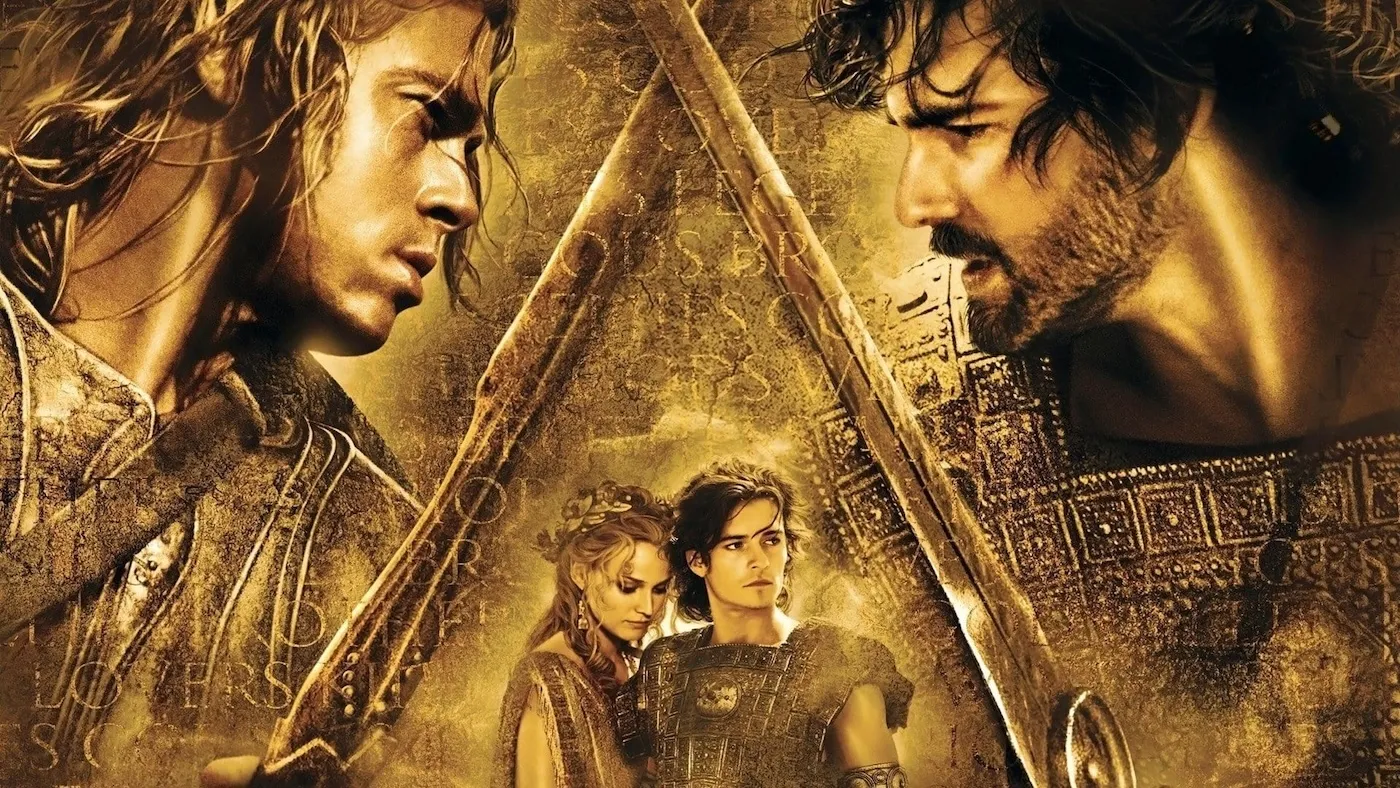
Watching Troy before The Odyssey helps establish:
- the political tensions between Greece and Troy,
- the emotional devastation of the war,
- the personalities of Achilles, Hector, and Agamemnon,
- and the psychological aftermath that fuels Odysseus’ journey home.
However, viewers should remember one key difference.
Troy intentionally avoided gods and supernatural mythology.
If Nolan embraces mythical creatures, prophecies, divine intervention, and surreal psychological imagery, audiences transitioning directly from Troy may experience a major tonal shift.
Still, the emotional and historical context remains invaluable.
For fans of epic storytelling, revisiting Troy before The Odyssey feels almost essential.
Other Greek Mythology Adaptations Worth Watching
Helen of Troy (2003)
This adaptation focuses more heavily on romance, politics, and emotional conflict. While smaller in scale than Troy, it provides useful context surrounding Helen and the origins of the Trojan War.
Troy: Fall of a City
This series takes a more mythological and philosophical approach to the Trojan War. Unlike Troy, it embraces prophecy, politics, mythology, and psychological complexity.
For viewers seeking something potentially closer to Nolan’s tone, this may actually be the better preparation.
Final Thoughts: Can Christopher Nolan Deliver the Definitive Greek Epic?
Christopher Nolan is not simply adapting a famous myth.
He is attempting to reinterpret one of the most influential stories ever written while satisfying:
- mainstream blockbuster audiences,
- mythology enthusiasts,
- longtime Nolan fans,
- literary purists,
- and modern critics simultaneously.
That balancing act is incredibly difficult.
The comparisons to Troy are inevitable because both films represent Hollywood attempting to translate Homeric storytelling for modern audiences.
Yet Nolan’s version appears poised to go deeper psychologically, emotionally, and philosophically than Petersen’s grounded war epic ever attempted.
The biggest question remains simple:
Can Nolan preserve the danger, brutality, grandeur, and emotional intensity of Homer’s world while still making it resonate with modern audiences?
If early excitement, online discourse, and fan anticipation are any indication, Hollywood may be preparing for its next truly monumental cinematic epic.
By [Tommy Thounaojam] Editor TrendBrewers