
Why Kingdom of Heaven Became a Modern Classic: From Box-Office Underdog to Ridley Scott’s Most Revered Epic
Once overlooked, Kingdom of Heaven is now praised as Ridley Scott’s finest epic. Explore its rise, legacy, cast, budget, historical accuracy, and where to watch it today.
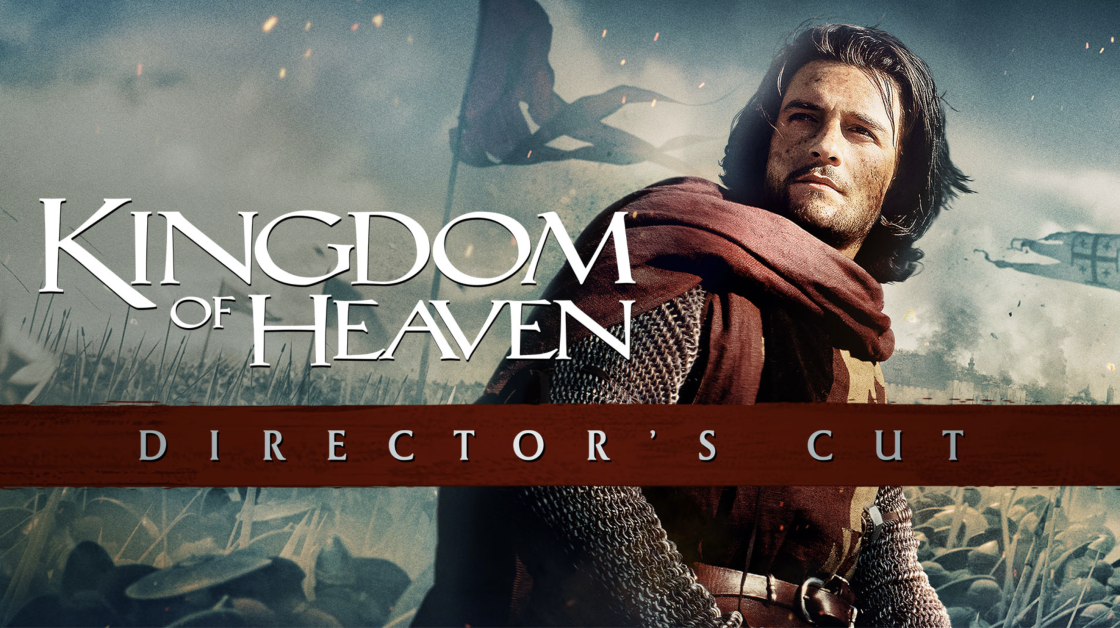
Kingdom of Heaven: Why It Flopped & How It Became a Cult Epic
When Kingdom of Heaven released in 2005, it was positioned as another sweeping Ridley Scott historical epic in the vein of Gladiator. Instead, it opened to mixed reviews, underperformed at the U.S. box office, and disappeared quickly from mainstream conversation.
Kingdom of Heaven has been one of my all-time favorite period films long before its recent resurgence on social media. I’ve always admired its gritty tone, meticulously crafted costumes, and its subtle ability to immerse you instantly into the medieval world. Unlike many other epic war films—especially Troy or Gladiator—this movie feels more grounded and visceral, more emotionally textured, and more thematically mature. From the first watch, I found myself empathizing deeply with King Baldwin IV, portrayed with quiet brilliance by Edward Norton.
Now, years later, it’s rewarding to see the global internet community finally appreciating what made it special from the start

Box Office & Budget — Why the Film Originally Underperformed
Despite its pedigree, Kingdom of Heaven struggled during its original theatrical run.
Budget vs Box Office
Budget: Approximately $130 million
Worldwide gross: Around $213 million
Domestic U.S. box office: Around $47 million — considered poor for a major epic.
Why It Struggled
Studio-cut runtime
The theatrical version was dramatically trimmed, stripping away character motivations, subplots, and emotional arcs. Critics described it as hollow and incoherent.
Misaligned marketing
The movie was marketed as a swashbuckling adventure romance, rather than a morally complex political-historical drama.
2005 audience expectations
Early-2000s viewers wanted clear-cut heroes and fast pacing. The film’s meditative tone and philosophical themes were out of sync with blockbuster expectations.
Competition
Other large-scale action films that year overshadowed it, making its serious tone a tougher sell.
Despite this, global box office performance was stronger, especially in Europe and Middle Eastern markets, hinting at the film’s broad international appeal.
The Turning Point — The Director’s Cut That Changed Everything

Ridley Scott’s Director’s Cut, released later the same year, added nearly 45 minutes of restored content. This version fundamentally transformed the film:
Character arcs became richer and more coherent
The politics and stakes of Jerusalem were clearer
Subplots involving Princess Sibylla and Balian were restored
Themes of faith, leadership, justice, and empire landed more powerfully
Critics revisited the film and rated the Director’s Cut as superior, some calling it a masterpiece
Many now argue it is one of the greatest director’s cuts ever released, completely altering the film’s legacy.
Acting That Stood the Test of Time — Especially Edward Norton
While Orlando Bloom received mixed reviews for his lead performance, the supporting cast delivered exceptional, career-defining work.

Edward Norton as King Baldwin IV
Edward Norton’s portrayal of King Baldwin IV — the masked “Leper King” — has gradually become one of the film’s most celebrated elements.
Why his performance resonates:
1)The mask forces him to act entirely through voice, posture, and restraint
2) He conveys wisdom, dignity, pain, and tragic nobility
3) Baldwin’s philosophy of peace over conquest is unexpectedly modern
4) His scenes now widely circulate on social media as “sigma,” leadership, stoic, and motivational clips inspiring younger audiences
Many fans consider it the most inspiring king portrayals in cinema — a character embodying strength through compassion, not domination.
Other Notable Performances
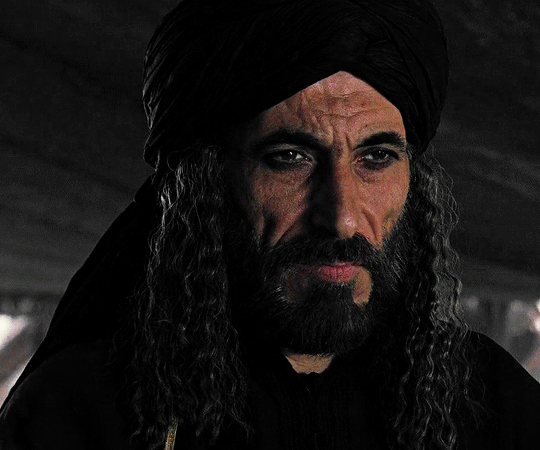
Ghassan Massoud as Saladin — calm, poised, and deeply human
Eva Green as Princess Sibylla — tragic and powerful in the Director’s Cut
Jeremy Irons as Tiberias — wise, weary, morally conflicted
Liam Neeson as Godfrey — the catalyst for Balian’s journey
This ensemble cast is now widely recognized as one of the greatest strengths of the film.
Epic Production, Costumes & Cinematic Scale
Ridley Scott is known for world-building, and Kingdom of Heaven is one of his greatest achievements in this area.
Massive Sets & Real Locations
Large portions of medieval Jerusalem were recreated in Spain
Morocco provided landscapes and desert forts
Thousands of extras and real horses were used for large formations
CGI enhanced scale without dominating the visuals
Costumes & Props
Entire armies were outfitted with accurate Crusader-era armor
Over a thousand flags, banners, and standards were produced
Detailed work on weaponry, fabrics, and heraldry created authenticity rarely seen today
Visual Style
Cinematographer John Mathieson delivered:
sweeping shots of armies
atmospheric lighting
painterly desert landscapes
iconic slow-motion action sequences
This craftsmanship is a major reason the movie has aged exceptionally well — perhaps even better than many modern CGI-heavy blockbusters.
History vs Fiction — What’s Real and What Isn’t
Like most historical films, Kingdom of Heaven blends fact with creative license.
Historically Accurate Elements
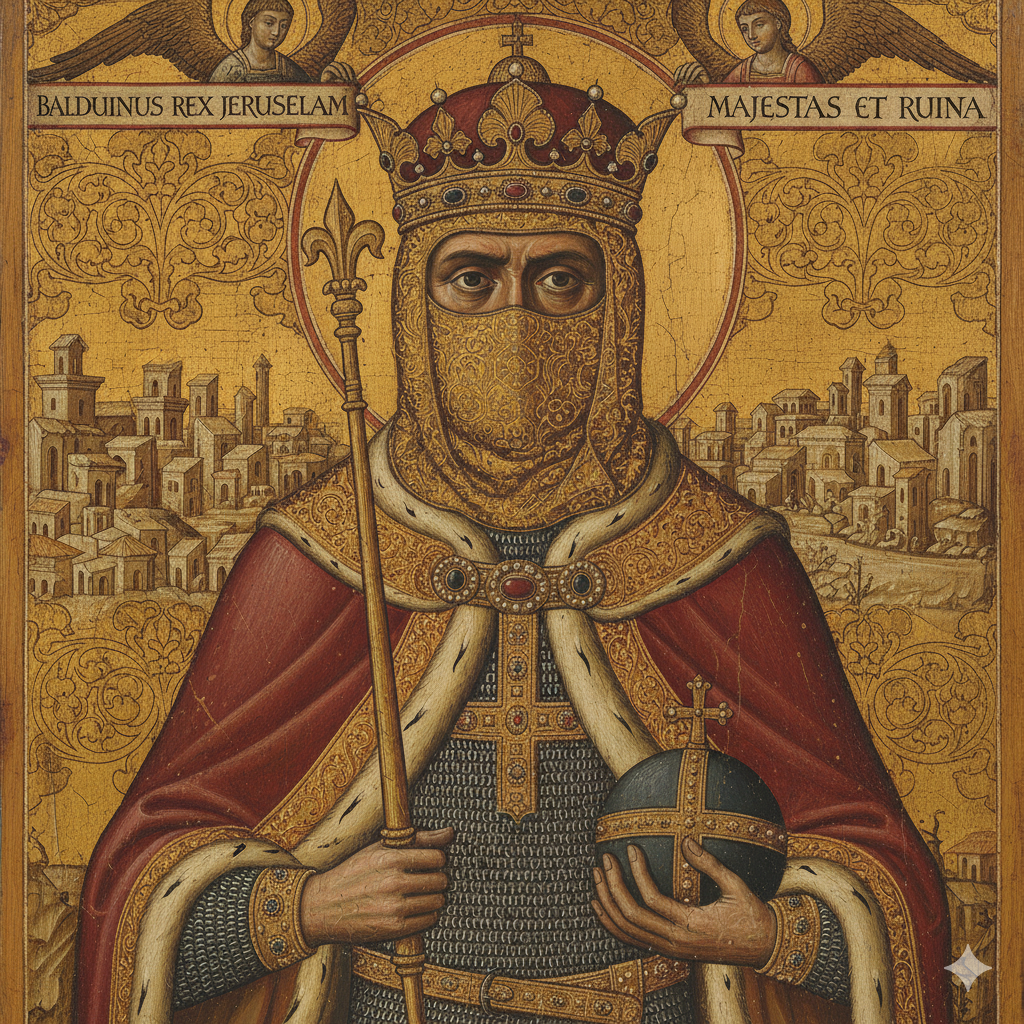
Baldwin IV of Jerusalem — remembered as “The Leper King,” a monarch both tragic and transcendent.
• King Baldwin IV did suffer from leprosy and ruled with remarkable intelligence
• Saladin was known for mercy and diplomacy
Jerusalem was indeed a tense multicultural crossroads balancing fragile peace
Creative Liberties
• Balian of Ibelin’s character is heavily fictionalized
• Romantic subplots and personal motivations are dramatized
• Timelines are compressed
• Philosophical dialogues reflect modern sensibilities
The film is best viewed as a historical drama, not a documentary — but one that respects the complexity of the era.
Why Younger Audiences & Social Media Revived the Movie
Over the past few years, Kingdom of Heaven has exploded in popularity across social media.

Reasons for the resurgence
1.Director’s Cut discovery
Many viewers never knew it existed — now widely shared through fan essays and film channels.
2. Motivational clips
Scenes of Baldwin IV, Saladin, and Balian’s speeches circulate as motivational, stoic, or “sigma” content.
3. Modern tastes favor complexity
Audiences today appreciate ambiguity, nuance, and morally grey heroes.
4. YouTube reactions & essays
Reaction channels, historians, and film critics have re-evaluated the movie, boosting its visibility.
5. 4K anniversary releases
High-quality remasters reintroduced the film to new viewers in pristine condition.
The result: Kingdom of Heaven is now considered one of the best medieval epics of the 21st century.
Where to Watch Kingdom of Heaven — Streaming & Viewing Tips
• Availability varies by region, but the film frequently appears on:
• Major streaming platforms with rotating catalogs
• Digital rental stores (Apple TV, Google Play, Amazon Prime Video)
• Physical media (Blu-ray, 4K UHD, and the definitive Director’s Cut edition)
Important Tip
Always watch the Director’s Cut: It adds essential narrative clarity, deeper themes, and emotional resonance.
Movies Similar in Tone, Scale & Historical Style

If you enjoyed Kingdom of Heaven, you’ll likely appreciate:
• Gladiator — Ridley Scott’s masterpiece of ancient Rome
• Troy — sweeping ancient warfare with strong production design
• The Last Samurai — meditative, culturally rich epic
• Braveheart — large-scale medieval battles and emotional storytelling
• Alexander (Final Cut) — vastly improved director-driven version
These films share a focus on myth, history, moral conflict, and epic world-building.
Conclusion — Why Kingdom of Heaven Matters Today

What began as a box-office disappointment has transformed into one of Ridley Scott’s most respected works. Through the Director’s Cut, incredible performances, breathtaking visuals, and renewed interest from younger online audiences, Kingdom of Heaven has earned its place among the great historical epics. It is a film about leadership, belief, dignity, and the cost of peace — themes that resonate more strongly now than in 2005.
If you’ve never watched it — or if you’ve only seen the theatrical cut — the time to discover the full epic is now.
By [Tommy Thounaojam] Editor TrendBrewers


