
The Legacy of Mother India: Story, Songs, and Global Recognition
Despite the countless films made in Bollywood, Mother India continues to remain iconic. What makes this film so extraordinary to be remembered with such reverence and placed on a pedestal in Indian cinema even decades after its release.

Bollywood movies have always been built on larger-than-life storytelling, grand emotions, unforgettable music, and characters that stay with audiences for generations. Over the decades, only a handful of films have managed to rise beyond entertainment and become benchmarks of Indian cinema. Among those timeless masterpieces stands Mother India, a film that did not simply tell a story but reflected the soul of an entire nation.
This was a movie I saw as a kid, and the emotions and the movie's message were not something I could completely understand. Revisiting it for a movie review allowed me to immerse myself in the same and decode the depth of the movie and why it became so popular even among the global audience.
So today, lets find the essence of this Bollywood movie and why it stands out from the lot, and despite decades of nationalist movies, this one tops when it comes to portraying the soul of the nation.
Mother India: A Tale of Sacrifice, Strength, and Survival
The film Mother India was directed by Mehboob Khan; the film remains one of the most respected creations in Indian cinematic history. Even today, decades after its release, it continues to influence filmmakers, actors, writers, and audiences alike.
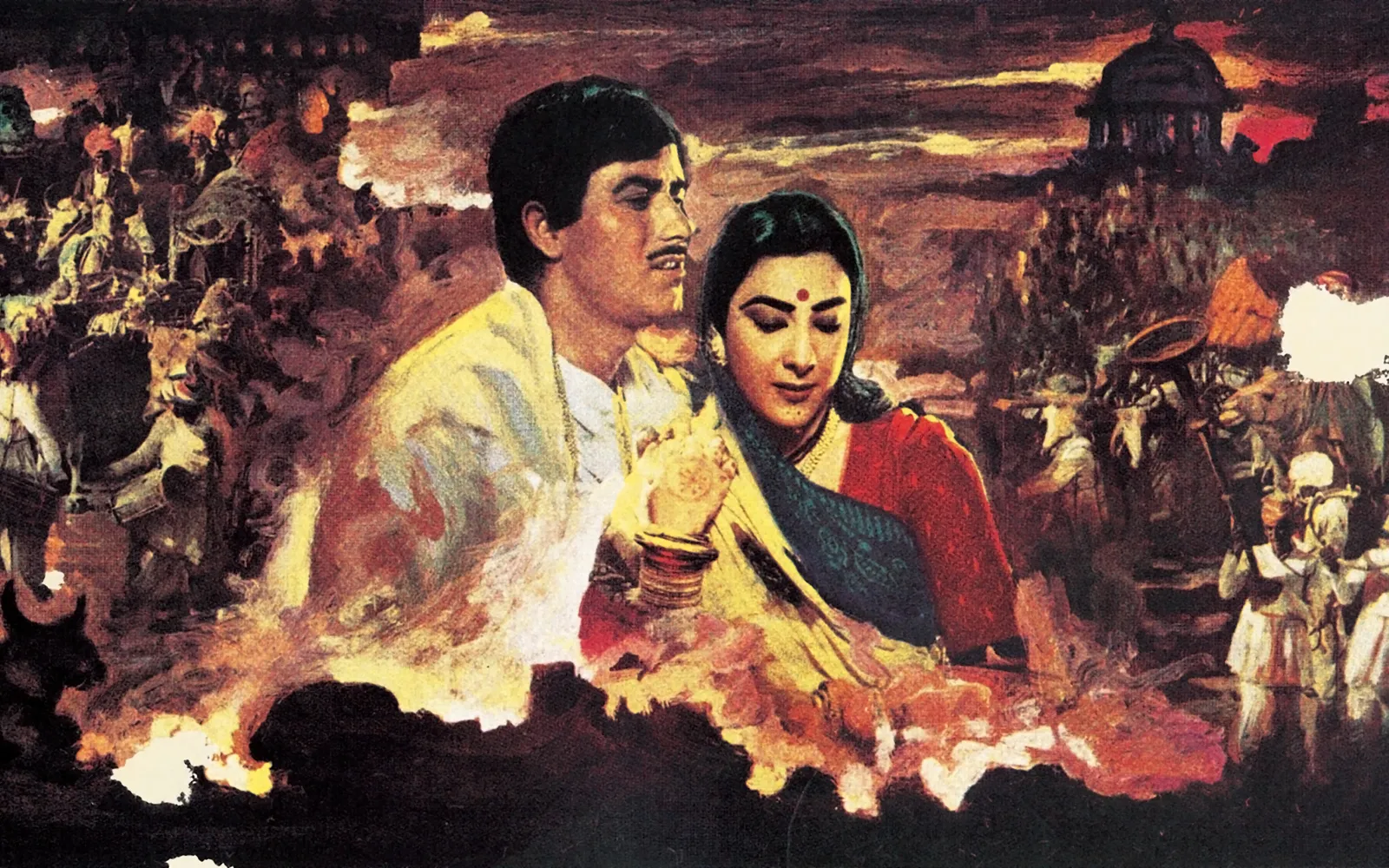
At its heart, Mother India is the story of Radha, a rural Indian woman who becomes the emotional and moral center of her family and village. The film begins with an older Radha inaugurating a canal that symbolizes development and progress. From there, the narrative travels into her painful past. How the, happily married Radha falls into crushing debt due to the exploitative village moneylender Sukhi Lala. Tragedy follows one after another: poverty, famine, natural disasters, and personal loss. Her husband becomes physically disabled and eventually abandons the family out of helplessness and shame. Left alone, Radha raises her children while battling hunger, humiliation, and societal pressure.
Yet despite unbearable suffering, she refuses to compromise her values and overcomes her termoils justly what Indian society generally believes in. The story ultimately becomes a powerful exploration of motherhood, morality, justice, and dignity.
Characters That Became Symbols
Radha: The Soul of the Film
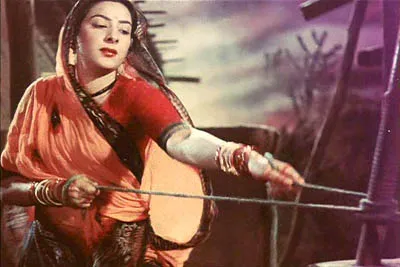
The legendary Nargis delivers one of the greatest performances in Indian cinema history as Radha. Nargis was one of the most celebrated actresses of Indian cinema’s golden era, admired for her expressive performances and graceful screen presence. Through Mother India, Nargis gained immense popularity, which is considered her career-defining role. In the film, she is not portrayed as a perfect woman untouched by pain; instead, she is deeply human.
Her strength comes from endurance rather than invincibility. Radha showcased strength, sacrifice, and emotional depth, making her an enduring icon in Bollywood history. Radha represents the spirit of India itself, nurturing, resilient, emotional, and morally grounded. Every expression, every silence, and every decision carries emotional weight. Her final act in the film remains one of the boldest climaxes Bollywood has ever created.
Birju: Rebellion Born from Pain
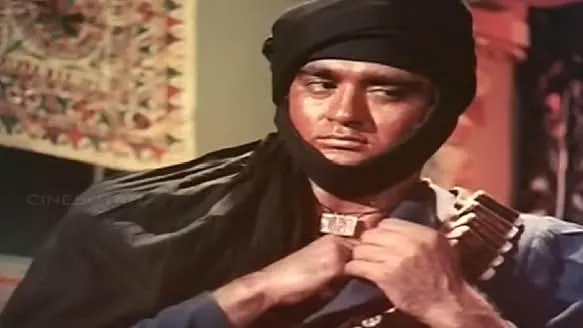
In Mother India, Sunil Dutt played the character of Birju, who is one of Bollywood’s most layered characters. Unlike Radha, who chooses patience and morality, Birju represents rage against injustice. His transformation from an innocent child into an angry outlaw is tragic yet understandable. Birju is not evil; he is a product of oppression and humiliation. His conflict with society creates the emotional tension that drives the film toward its unforgettable climax.
Ramu: The Path of Discipline
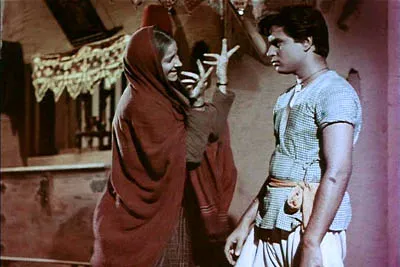
Rajendra Kumar plays Ramu, the elder son in the film Mother India, who follows his mother’s principles and represents obedience and stability. Through Ramu and Birju, the film creates a striking contrast between discipline and rebellion. Ramu endures and builds himself, practising resilience despite the hate and injustice he faces, always following his mother as a role model. Rajendra Kumar, with his smiling face, portrayed character depth, showing that difficulty can not break his spirit.
Sukhi Lala: The Face of Exploitation
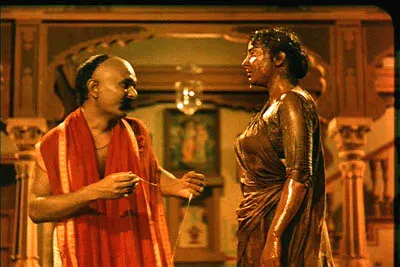
The moneylender Sukhi Lala symbolizes greed and exploitation in rural India. His manipulative behavior reflects the harsh realities faced by poor farmers during the era. An immediate time after Indian Independence. He is not merely a villain but a representation of a broken socio-economic system.
Why the Film Mother India Feels Relevant
What makes Mother India extraordinary is how relevant it remains for many even today. Though set in rural India decades ago, immediately after Independence, its themes continue to resonate across generations.
The film speaks about economic inequality, exploitation of the poor, the dignity of labor, women carrying families through hardship, and moral conflict between survival and values.
Even modern audiences connect with Radha because her struggles are emotional truths rather than period-specific issues. Even today, Indian society faces the moral battle; with digitalization, globalization, and an economy-based society, the challenges have rather increased. And even today, many people fight this small fight against corruption, oppression, and injustice in their own way in the space they dwell in. The film reminds viewers that strength is not always loud; sometimes it is simply the ability to continue righteously, as they can, despite suffering.
What Makes the Film Different from Others
At a time when many films focused mainly on entertainment, romance, or fantasy, Mother India brought realism and emotional depth into mainstream Indian cinema. What truly set it apart was its scale and sincerity. The film combined epic storytelling, social commentary, emotional drama, powerful performances, musical brilliance, and cinematic visuals.
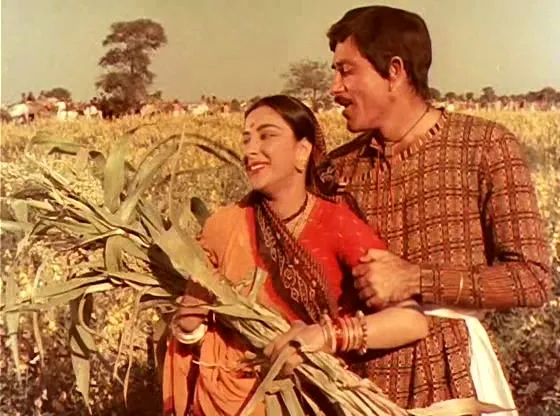
It did not glorify poverty, nor did it simplify morality. Instead, it showed how difficult ethical choices can be when survival itself becomes a challenge. The climax especially distinguishes the film from conventional cinema. Radha’s final decision shocks audiences even today because it places moral duty above personal emotion, a rare and courageous narrative choice.
Film Mother India Reception: India & Globally
Mother India was a massive critical and commercial success in India and internationally. Indian audiences embraced its emotional story of sacrifice, motherhood, and morality, while critics praised the performances of Nargis, Sunil Dutt, and Rajendra Kumar. The film became one of the highest-grossing Indian movies of its era, reportedly earning around ₹8 crore worldwide against a modest budget.
Globally, it earned widespread acclaim, screened at international festivals, and became India’s first film nominated for the Academy Award for Best Foreign Language Film, helping Indian cinema gain worldwide recognition and respect.
More Than Cinema: Mother India, A Work of Art
Calling Mother India merely a movie feels insufficient because it functions as cinematic art. The visual storytelling is stunning for its time. Wide agricultural landscapes, dramatic lighting, emotional close-ups, and symbolic imagery elevate every scene. The film captures both the beauty and brutality of rural India with remarkable honesty. Its pacing allows emotions to breathe. Instead of rushing through dramatic moments, the film lets silence, expressions, and atmosphere communicate pain and resilience.
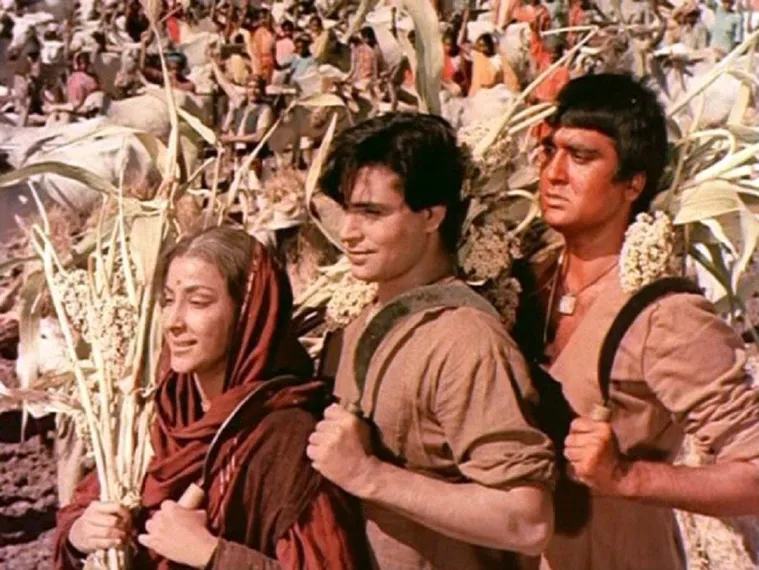
The movie is truly a piece of artwork with minute details being attended to. For instance, the clothes were time and surrounding appropriate showcasing their social and economic standing over time. The dialogue was tuned to pull audiences along with relevant and heart-tugging songs. The cinematography deserves a call with the efforts it could showcase, like wide-scale scenes of natural disasters with the available technology then.
The movie also became a landmark globally, earning India its first nomination for the Academy Award for Best Foreign Language Film. That recognition proved that Indian stories could emotionally connect with international audiences without losing cultural authenticity.
The name of the movie metaphorically depicts not just a mother's struggle but how collectively the mother nation, India, suffered injustice for years, yet with courage, endurance, morality, and sacrifice, achieved the freedom the collective motherland deserved after being oppressed for years.
The Music: Songs That Became Immortal
The soundtrack of Mother India remains iconic even today. Composed by Naushad, the songs blended folk traditions with emotional storytelling. Some of the most memorable songs include:
Duniya Mein Hum Aaye Hain
This song from Mother India is a deeply emotional song reflecting hardship, dignity, and perseverance. Its lyrics speak about entering the world with responsibilities and enduring life’s struggles with courage. The famous catch phrase “life goes on” is reflected in this song. The song moves listeners because it mirrors universal human struggles, especially a mother’s sacrifices, that still emotionally resonate across generations.
Holi Aayi Re Kanhai
This song captures the festive spirit of Holi with vibrant folk rhythms, playful energy, and cultural authenticity. Its colorful celebration contrasts with the film’s emotional heaviness, creating warmth and joy. Even today, this song is played with remixes in Holi celebrations. Listeners are drawn to its traditional Indian sound, lively visuals, and nostalgic portrayal of community celebrations and togetherness.
Nagari Nagari Dware Dware
This song carries deep longing and emotional pain through soulful vocals and poetic lyrics. Its wandering theme reflects separation and helplessness, appealing to listeners through raw emotion, haunting melody, and its timeless portrayal of human yearning and emotional endurance.
These songs were not inserted merely for entertainment. They carried emotional and narrative importance. Whether expressing celebration, sorrow, motherhood, or longing, every song deepened the storytelling. Even today, these melodies continue to be celebrated because they evoke nostalgia, cultural identity, and emotional honesty. Their timelessness comes from simplicity and emotional purity rather than commercial trends.
A Legacy That Will Never Fade
Many films achieve box-office success. Some become cultural phenomena. But only a rare few become timeless reflections of society and humanity. The Bollywood film Mother India belongs firmly in that rare category. If it comes to rating this movie would definitely score a 3.5 out of 5 owing to its music, storyline, cinematography, and actors' performance. And I would recommend this to Gen Z who are so invested in nostalgia-watching; the movie can give them a glimpse of the social and economic conditions, then explain to them the ideology behind the collective beliefs of older generations.
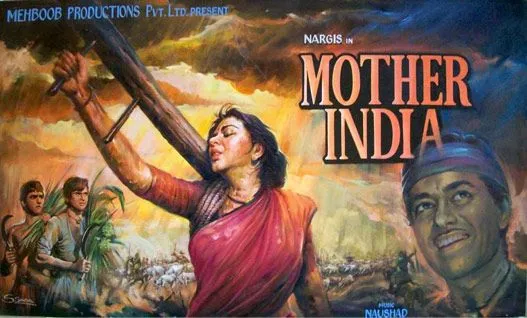
It's a story about a mother, collectively portraying the struggles of her life through which she teaches resilience, patience, endurance, and hope for justice and happiness in the future. Along with this individual turmoil, this movie is also about a nation, the motherland India, discovering its identity after independence. It is about sacrifice, morality, resilience, and the emotional cost of survival. The film transformed Bollywood storytelling and established a benchmark that filmmakers still aspire to reach.
Decades later, its impact remains untouched because true classics are never limited by time. They continue to speak to every generation in new ways. And that is exactly why Mother India is not just remembered; it is revered. Follow Trendbrewers for more such movie reviews and entertainment, music, sports, and lifestyle-related events.
By P. Manika (Performist Content Writer)