
The Nostalgic, Baffling Joyride of Spy Kids 3-D: Game Over
A nostalgic look back at Spy Kids 3-D: Game Over—a chaotic, charming, star-stuffed fever dream that shaped childhoods and became one of the 2000s’ most unforgettable films.
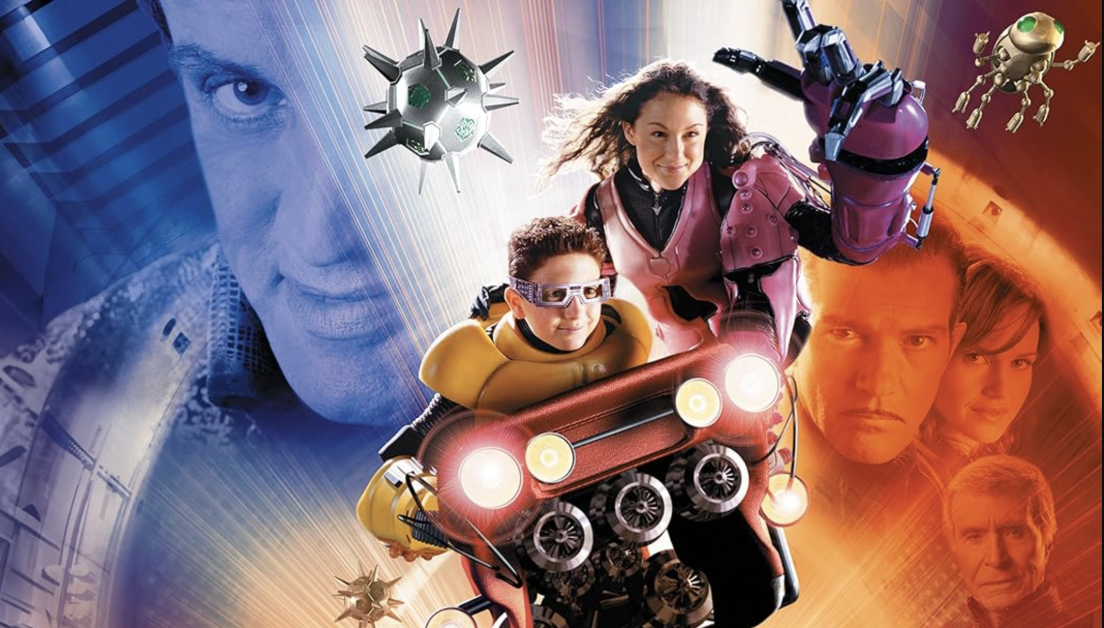
The Beautiful, Baffling Fever Dream of Spy Kids 3-D: Game Over
Looking back at the most chaotic, charming, and strangely unforgettable PG-rated hallucination of the early 2000s.
For many of us, watching it now feels like opening an old lunchbox you loved as a kid: colorful, slightly dented, filled with odd design choices, and carrying a scent of nostalgia you can’t mistake. It’s cinematic comfort food… if comfort food occasionally made you question reality.
When Hollywood Still Believed 3-D Glasses Were The Future
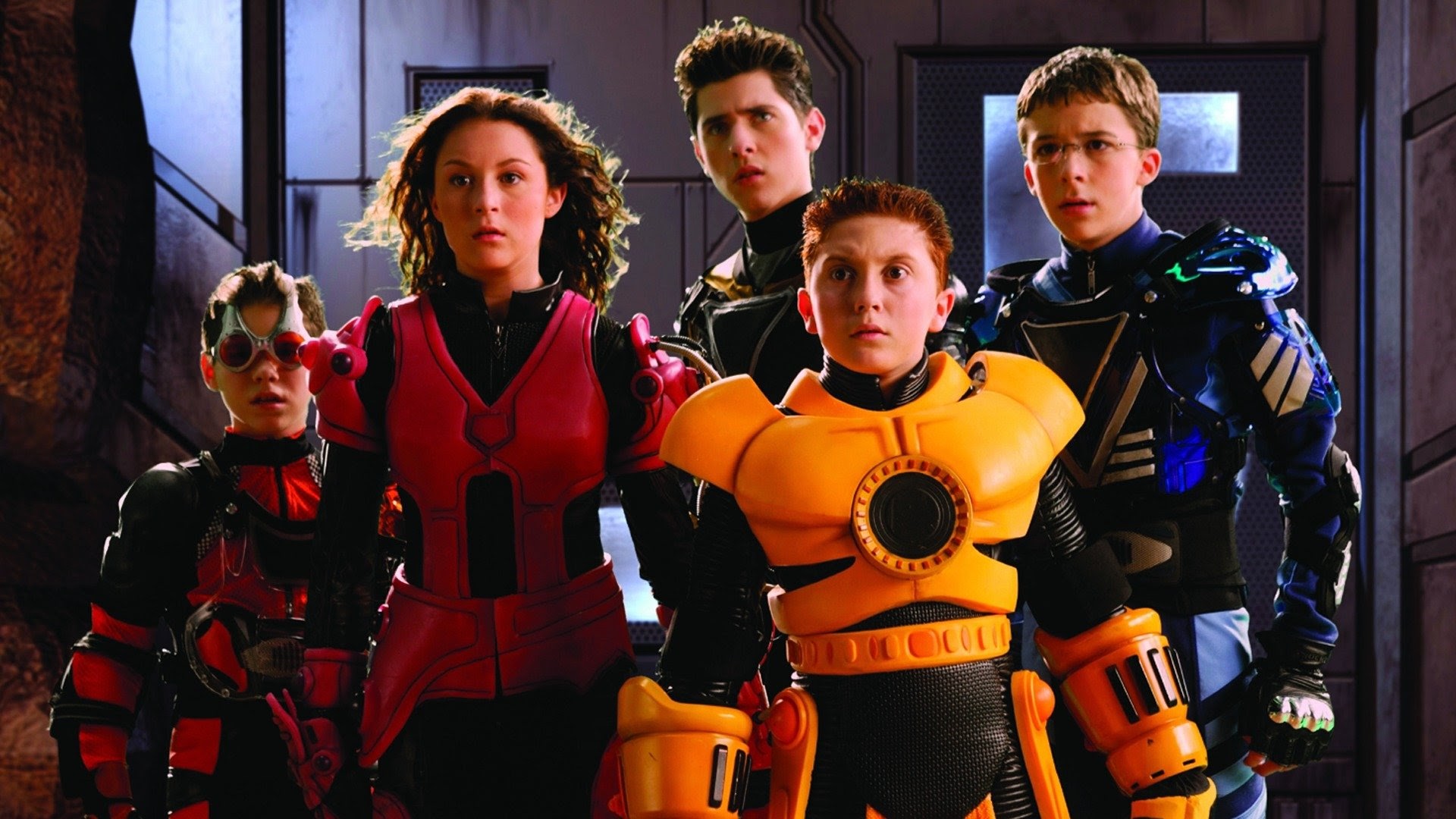
Released in 2003 — the dawn of the red-and-blue glasses era — the film wasn’t just a movie; it was an event. You didn’t just buy a ticket. You were handed cardboard glasses that promised a portal into a video-game world, one that looked as pixelated and ambitious as the trailers suggested.
If you were a kid, that was magic.
If you were a parent, that was a migraine.
If you revisit it today, it’s… something else entirely.
Even before the story begins, the opening cameo of a baby-faced Selena Gomez feels like a time capsule — a tiny flash of “Wait, she was in this?” before the rollercoaster drops.
A Cast List That Reads Like Someone Hit “Shuffle” on Early-2000s Hollywood
The plot, if we’re being generous, is a loosely assembled clothesline for a series of wild creative swings — each stranger and more delightful than the last. Even as adults, we pause and say out loud, “How did this get made?”
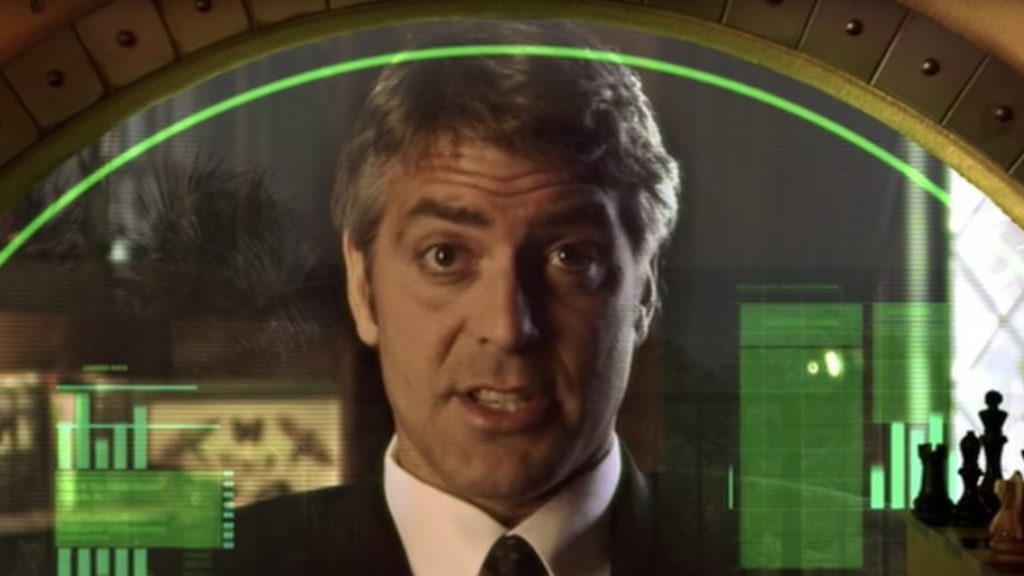
1. George Clooney is the President of the United States, delivering national security updates with the relaxed charm of a man choosing carpet swatches.
2. Except — plot twist — he’s the villain, and he proves it by doing a surprisingly committed Sylvester Stallone impression.

3. Meanwhile, Juni’s grandpa (played with heartfelt gravitas) spends most of the movie chasing a butterfly in a storyline that feels like a forgotten chapter of magical realism.

4. And in the film’s wildest flex, Sylvester Stallone plays not one villain, but several — all versions of himself. Each Stallone gives the others unsolicited advice like a self-help audiobook left running too long.
Then there’s the supporting cast of hallucinatory wonders:

a. Elijah Wood appears triumphantly… and dies immediately. The single funniest anti-cameo of the 2000s.

b. Antonio Banderas plays a scientist whose gadgets look equal parts spy tech and kitchen mixer.

c. Uncle Machete shows up with both tenderness and knife energy.

d. And then — one of cinema’s strangest gifts — Steve Buscemi arrives on a flying pig and leaves without explanation.
Even as kids, we knew: this wasn’t normal.
But it was unforgettable.
The Movie That Felt Like Playing a Video Game on Saturday Morning
Part of what gives Spy Kids 3-D its strange, enduring charm is how totally it commits to the idea of being inside a video game. When Juni levels up, we feel it. When he jumps across clunky platforms, we remember the exact kind of games we played on chunky TVs with tangled controller cords.
Rewatching it today, the early CGI looks dated — but in a comforting way. Like a pixelated home video. A relic of a time when we didn’t need realism; we needed imagination.
What Critics Thought… And Why Kids Didn’t Care
The film landed with a 45% Rotten Tomatoes score and a 57 on Metacritic, a chorus of “ambitious but thin,” “visually inventive but narratively limp,” “fun but frantic.”
And they weren’t wrong.
But the box office — nearly $197 million worldwide — tells a different story. Kids loved it. Families filled theaters. The 3-D glasses were stuffed into glove compartments and pencil boxes for months after.
Critics judged the film for what it wasn’t.
Kids adored it for what it was.
A wild, messy, joyous ride.
What We Didn’t Realize at the Time
Looking back now, you appreciate things that flew past you at age nine:
• The film was testing the limits of early digital filmmaking.
• Cameos weren’t just cameos — they were Hollywood having fun.
• The game world was a playground built on the dreams (and tech limitations) of the era.
• It was one of the first big mainstream experiments in “family blockbuster as digital sandbox.”
What felt random now feels daring.
What felt chaotic now feels brave.
What felt silly now feels… sweet.
The Nostalgia Effect: Why We Still Talk About It
There’s a reason adults who grew up with this movie still bring it up, still quote it, still laugh about Elijah Wood’s one-scene lifespan. It occupies a weird, warm space in our cultural memory — somewhere between “childhood masterpiece” and “shared hallucination.”
Movies today are cleaner, more polished, more carefully curated.
But Spy Kids 3-D is something rarer:
a time capsule of unfiltered creativity.
A movie that didn’t ask if something made sense — only if it was fun.
In the End, It Was a Beautiful Mess
Watching it now feels like flipping through an old scrapbook, one filled with bright colors, bizarre doodles, and notes only a younger version of you can truly understand.
Maybe that’s why it endures.
Not because it was perfect.
But because it was ours.
A ridiculous, earnest, over-the-top, dreamlike joyride — one that only gets better when revisited with the warm haze of nostalgia.
By [Tommy Thounaojam] Editor TrendBrewers


