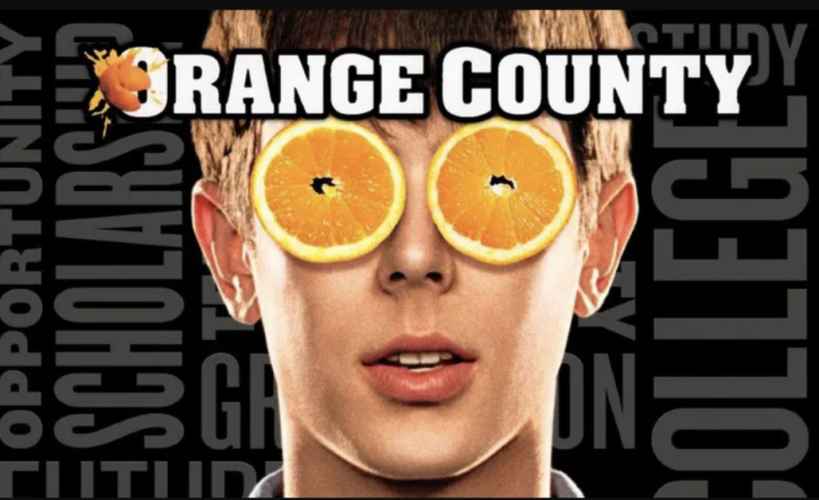
The Impact of "True Crime" on Comic Book Storytelling: A Blend of Grit and Superheroes
True crime is changing comics... less capes, more cold cases. Dive into the gritty shift in storytelling!
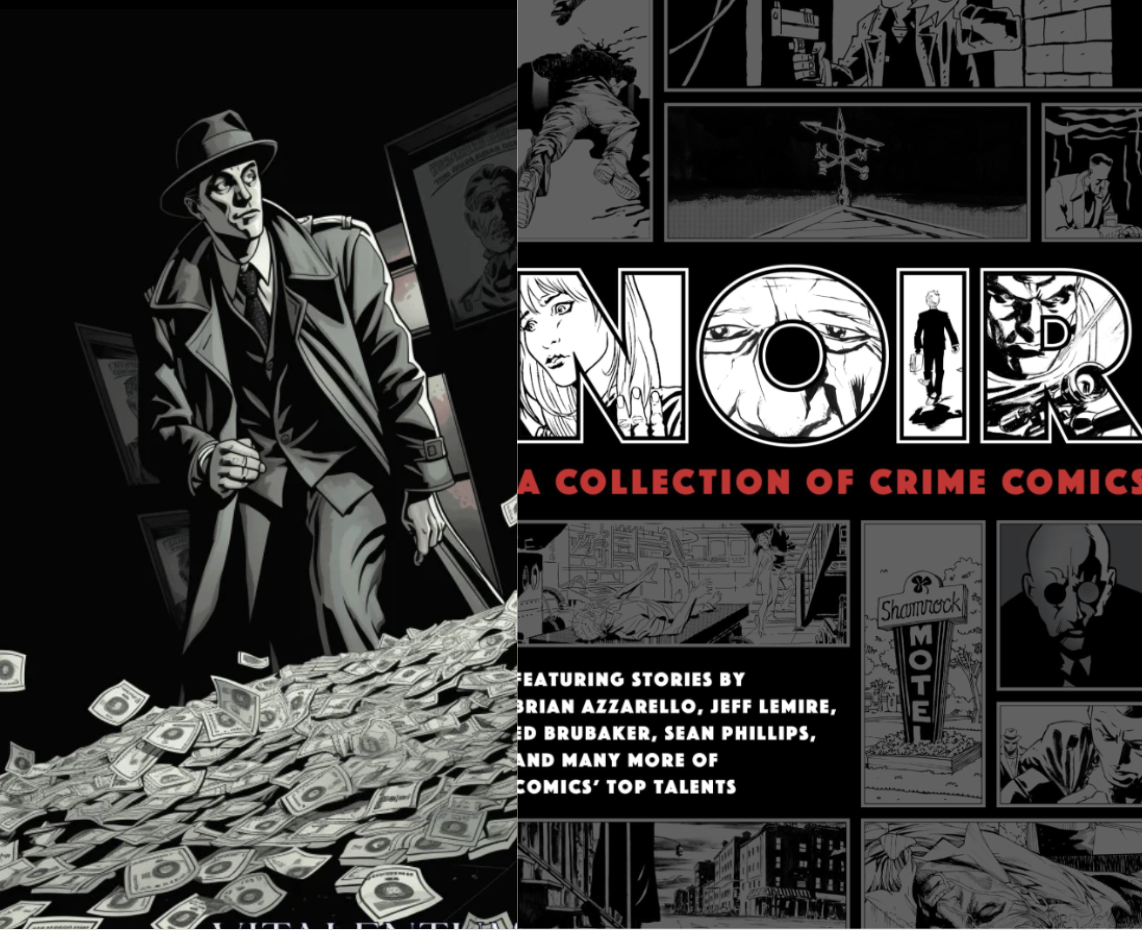
When True Crime Meets Comic Books: The Gritty Revolution Behind Modern Heroes
In the world of comic books—where anything is possible and heroes always save the day—something dark and fascinating is happening. True crime has slipped between the panels, reshaping stories once filled with justice and optimism into gritty explorations of morality, corruption, and the human condition.
This genre mash-up has created something incredible: comics that don’t just tell superhero tales—they investigate them.
The Rise of True Crime: Why Audiences Crave Realism
True crime has become one of the most addictive genres of the modern era. From hit podcasts to binge-worthy documentaries, we’re obsessed with real-world mystery and moral complexity.
Where once heroes fought aliens and saved planets, today’s comic creators are digging deeper—asking what justice really means and what happens when even the “good guys” break the law.

Noir Meets Comics: When the Mask Slips
Modern comics are embracing the shadows. Gone are the days of squeaky-clean heroes. Now, we see detectives, vigilantes, and antiheroes wrestling with their demons—and sometimes losing.
For example, stories like Gotham Central focus on police, corruption, and moral cost rather than flashy villains. The tone matches the gritty, real-life feel of true crime investigations.

From Supervillains to Real Crimes: The Daredevil Effect
Consider a character like Daredevil—once a hero doing rooftop acrobatics, his modern tales under writers like Brian Michael Bendis became legal dramas mixed with crime-noir. Corruption, moral dilemmas, psychological conflict—all part of the picture.
This isn’t just crime-fighting—it’s a reflection of our world, where justice is rarely black and white.
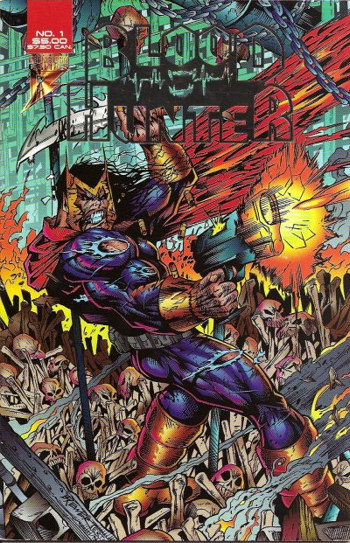
True Crime as Mirror: Exploring the Human Condition
Comics like Criminal peel back layers of society to reveal flawed, desperate people driven by circumstance more than pure evil. These stories ask hard questions:
What pushes someone to commit a crime?
Can redemption exist in a corrupt system?
Where’s the line between justice and vengeance?
True crime comics aren’t just entertainment—they’re commentary, mirrors to society’s shadows.

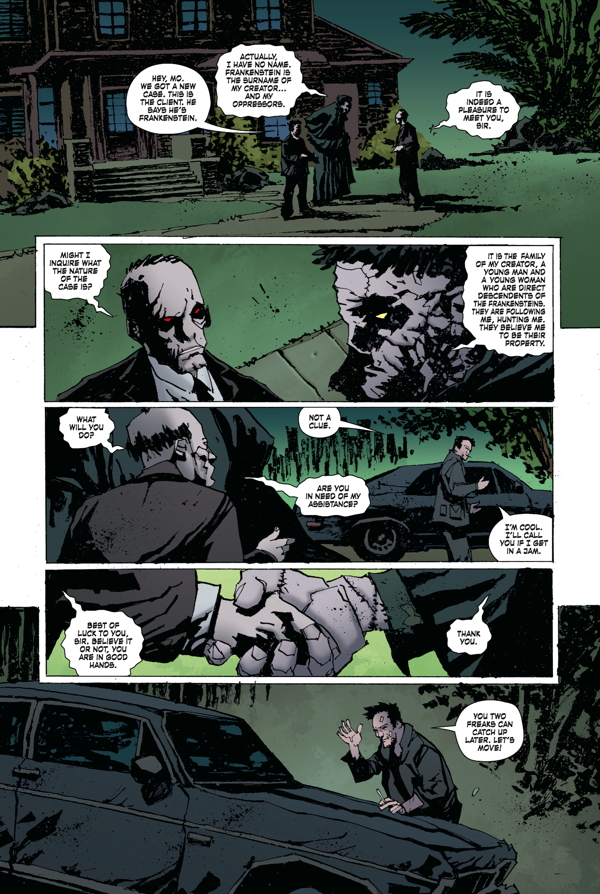
Why We’re Hooked: The Psychology of Dark Storytelling
There’s something addictive about these stories. They allow us to explore darkness without danger—an emotional catharsis wrapped in panels and ink.
In today’s comic landscape, true crime has become the heartbeat of realism. Whether through gritty police dramas, antihero arcs, or societal reflections, creators prove that the most powerful stories don’t come from superpowers—they come from truth.
Final Thoughts: True Crime Is the New Superpower
The union of true crime and comics has redefined what it means to be a hero. Behind every mask lies a story of imperfection; behind every villain, a trace of humanity.
This isn’t the end of superhero storytelling—it’s its evolution.
Because in today’s world, where truth is stranger (and darker) than fiction, realism is the new revolution.
Re-Written by [Tommy Thounaojam], Editor Trendbrewers