
GoPro: Surf. Capture. Repeat.
A structured look at GoPro, what it is, how its cameras and ecosystem work, and how the brand operates through innovation, content, and a strong lifestyle driven identity.
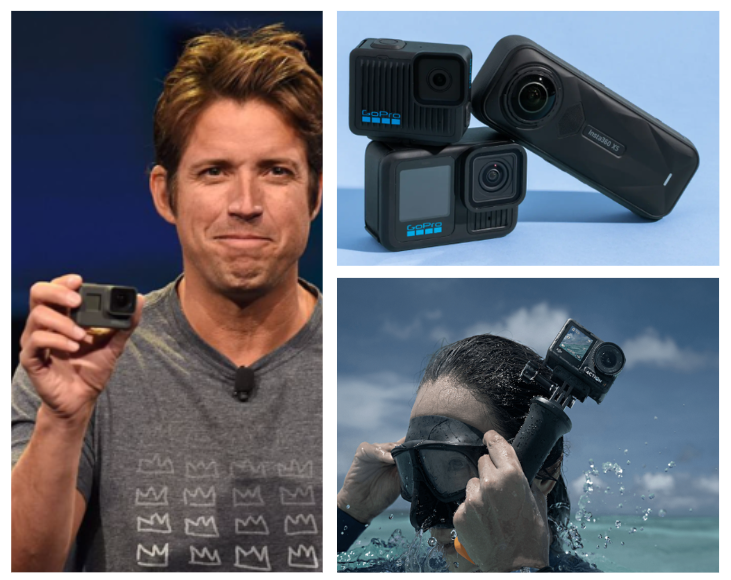
Along the sun-kissed shores of Sydney Harbour, during a surf trip across Australia and Indonesia, Nick Woodman set out to solve a simple problem: how to capture the complexity of surfing in motion. An avid surfer and extreme sports enthusiast, he improvised by strapping a small camera to his wrist, recording whatever he could. That rough, makeshift solution became the first step toward what would eventually evolve into GoPro.
GoPro has redefined the way people capture moments, shifting the focus from staged photography to immersive, real time storytelling. Originally built for action and adventure, GoPro cameras are designed to go where traditional cameras cannot, whether that is underwater, mounted on a helmet, or in the middle of high speed motion. Over time, the brand has grown beyond just hardware, becoming a symbol of capturing experiences from a first person perspective. Today, GoPro stands at the intersection of technology, content creation, and lifestyle, appealing to everyone from extreme athletes to everyday users looking to document their lives in a more dynamic way.
GoPro is a company that deals with an array of mini action cameras. The first GoPro camera, a 35mm waterproof HERO, was introduced in September 2004 at San Diego's Action Sports Retailer trade show. Founded by Nick Woodman in 2002, the company initially focused on a wrist-mounted, waterproof film camera before releasing its first digital camera (the Digital HERO) in 2006.
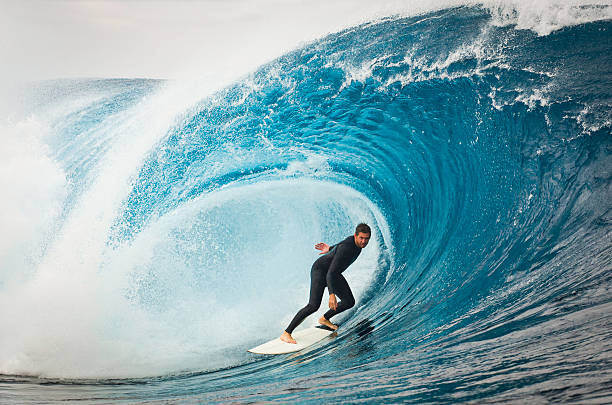
Delivering quality gear one step at a time:
Woodman worked on his first camera for two years after founding the company, eventually introducing the GoPro 35mm HERO waterproof film camera in September 2004 at San Diego's Action Sports Retailer trade show. In its first year GoPro sold $150,000 worth of products. In 2006 the company introduced its first Digital HERO, with 10 second video capability, and generated $800,000 in revenue. The following year GoPro sales quadrupled to $3.4 million.
In 2014, the company was selling the HERO3+ in editions of different colours. It was capable of filming in 16:9 aspect ratio, supporting 4K UHD video and 12 MP still photographs. The HERO4 was introduced on September 24, 2014.
On September 28, 2017, GoPro released the HERO6 Black, which claims improved stabilization over the HERO5 models and is capable of capturing 4K video in 60 FPS.
On September 20, 2018, GoPro came out with the HERO7 Black, which apart from providing improved stabilization over HERO6 models with Hyper Smooth, also featured the new form of video capturing, "Time Warp", providing a high speed effect to the videos. HERO7 also came out with the capability to stream live across multiple platforms like Facebook and YouTube.
GoPro always managed to elevate their products with each generation. This helped move the company forwards and keep enthusiasts invested. It has consistently avoided stagnation, maintaining a steady pace of innovation throughout.

Adrenaline Junkies and Thrill seekers:
GoPro is built for users who need more than just standard video capture, with its primary use cases centered around movement, immersion, and durability. It is widely used in adventure sports like surfing, biking, and skiing, where its compact size and mounting flexibility allow users to capture first person perspectives in extreme conditions. Beyond that, it has become a popular tool for travel vloggers and content creators who want dynamic, on the go footage without carrying bulky equipment.
The target audience extends from professional athletes and filmmakers to casual users who are drawn to the idea of documenting experiences in a more engaging way. It also appeals to hobbyists and social media creators who value portability and ease of use, even if they are not pushing the camera to its limits. In essence, GoPro targets anyone who prioritizes capturing action and perspective over traditional, static photography.

Pushing Limits, Facing Limits:
GoPro stands out for its durability, portability, and ability to capture smooth, high quality footage in environments where most cameras would struggle. Its strong stabilization, wide angle perspective, and waterproof design make it ideal for action heavy scenarios, while its compact size allows users to mount it almost anywhere. The ecosystem of accessories and intuitive software further enhances its appeal, especially for creators looking for quick and immersive content.
However, these strengths come with trade offs. GoPro cameras typically struggle in low light due to their smaller sensors, and extended high resolution recording can lead to overheating or battery drain. The fixed or limited lens options also restrict creative flexibility compared to larger cameras, and for casual users, many of its features may go underutilized. As a result, while it excels in its niche, it may not be the most practical choice for everyday or purely cinematic use.

Redefining Competition in the Action Camera Space:
GoPro operates in a competitive space alongside brands like DJI and Insta360, each offering their own take on action and immersive cameras. GoPro’s biggest strength lies in its brand recognition, reliability, and well established ecosystem of mounts and accessories, making it a go to choice for many users. Its stabilization and overall ease of use also continue to set a strong benchmark in the action camera segment.
However, competitors have started to challenge GoPro in specific areas. DJI often leads in battery efficiency and thermal performance, while Insta360 pushes innovation with 360 degree cameras and creative shooting modes. In some cases, these brands offer features that feel more experimental or flexible compared to GoPro’s more refined and consistent approach.
Overall, GoPro remains a dominant and trusted name, but the gap between it and its competitors is narrowing as the market becomes more competitive and innovation is spread across multiple players.

Future Outlook and Innovation:
GoPro is expected to focus less on dramatic hardware leaps and more on refining the overall user experience through smarter software, improved efficiency, and deeper ecosystem integration. As camera hardware begins to plateau, innovation is likely to come from areas like AI powered editing, seamless cloud connectivity, and faster content sharing, making it easier for users to capture and publish footage with minimal effort.
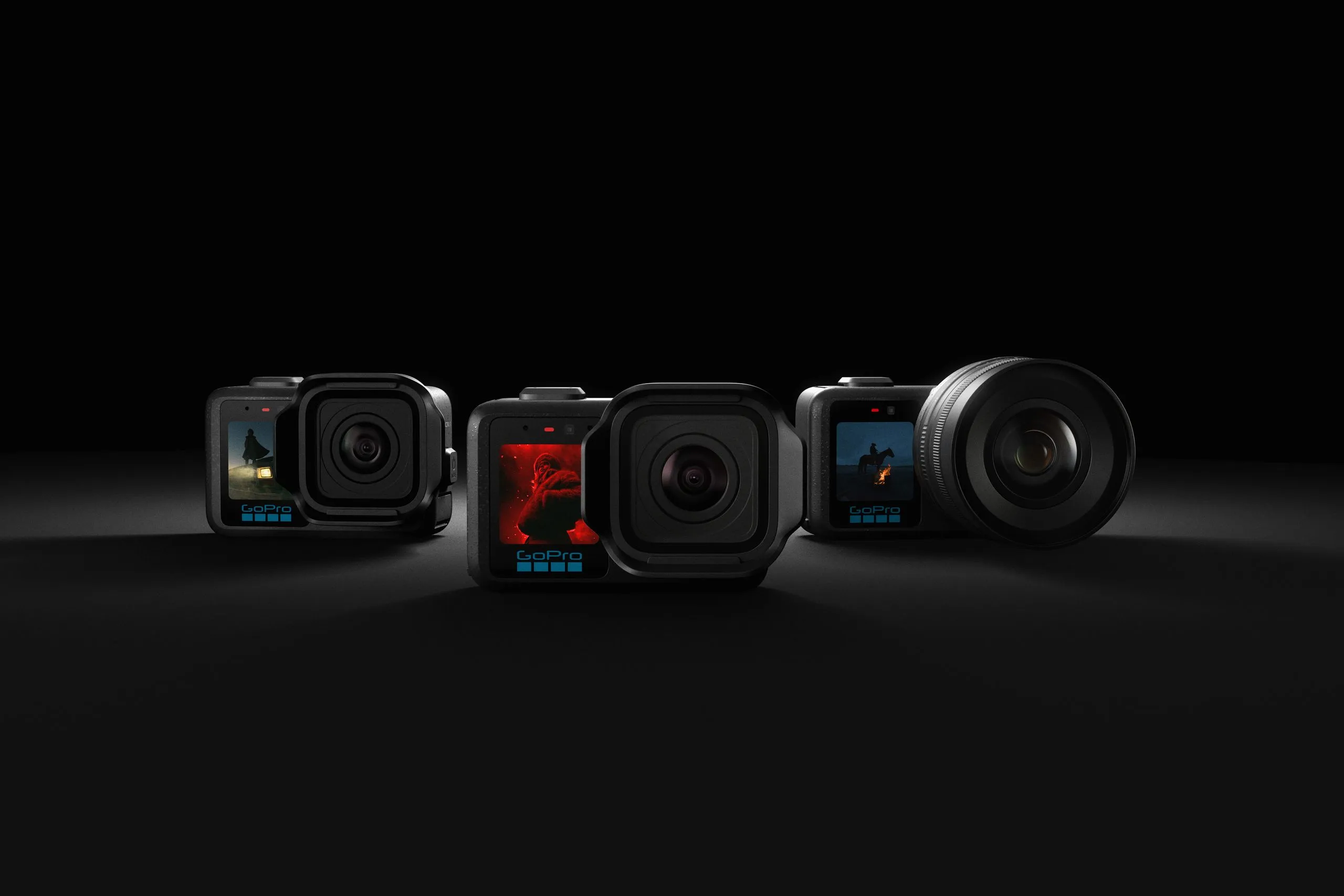
At the same time, GoPro is exploring greater flexibility in how its cameras are used, with modular accessories and evolving formats like 360 and immersive video continuing to gain traction. Competition from brands like DJI and Insta360 will push GoPro to stay aggressive in both innovation and pricing.
Looking ahead, GoPro’s future will likely depend on how well it balances its core identity as a rugged action camera with the growing demand for convenience, creativity, and connected experiences in content creation.
Conclusion:
GoPro remains one of the most reliable and purpose built cameras in its category, excelling at what it was designed to do capturing action, movement, and immersive perspectives in challenging environments. It may not replace traditional cameras or even smartphones for everyday use, but it was never meant to. Instead, it fills a specific gap that other devices struggle to match.
For users who value durability, portability, and dynamic content creation, GoPro continues to deliver strong value. However, for those with more casual needs, its features can feel excessive and underutilized. In the end, GoPro is not about being the best all around camera, but about being the best at a very particular kind of storytelling.
-Siddhant Kohli