Apple Vision Pro vs. Meta AR Glasses: The Future of AR/VR and Its Impact on Our Lives
Explore how Apple's Vision Pro and Meta's AR glasses are revolutionizing augmented and virtual reality, their effects on consumers, pricing, health considerations, and the future of immersive technology.

Introduction: A New Era in Immersive Computing
The landscape of computing is undergoing a significant transformation with the advent of advanced augmented reality (AR) and virtual reality (VR) technologies. Apple's Vision Pro and Meta's AR glasses are at the forefront of this revolution, offering consumers unprecedented ways to interact with digital content. These devices are not just technological marvels; they represent a paradigm shift in how we perceive and engage with the world around us.
Apple Vision Pro vs. Meta AR Glasses: A Comparative Overview
| Feature | Apple Vision Pro | Meta AR Glasses (Ray-Ban Display) |
|---|---|---|
| Display | High-resolution OLED microdisplays | Single-lens microLED display |
| Processor | M5 chip with AI capabilities | Custom AI processor |
| Battery Life | 2.5 hours of general use | Up to 8 hours with wristband support |
| Price | $3,499 | $799 (includes wristband) |
| Primary Use Case | Immersive mixed reality experiences | Augmented reality overlays for daily tasks |
The Apple Vision Pro is designed for deep immersion, making it suitable for applications like gaming, virtual meetings, and creative endeavors. In contrast, Meta's AR glasses are tailored for everyday use, providing real-time information overlays without the need for a bulky headset.

The journey of AR and VR technologies has been marked by significant milestones:
Early Developments: Initial AR and VR systems were primarily confined to research labs and specialized applications.
Consumer Adoption: With the introduction of more affordable and user-friendly devices, such as the Meta Quest series, AR and VR began to enter the consumer market.
Current Innovations: The launch of the Vision Pro and Meta's AR glasses signifies a leap towards mainstream adoption, with devices that are more powerful, comfortable, and integrated into daily life.
These advancements are not just about improved hardware; they represent a shift towards a more immersive and interconnected digital experience.
Consumer Implications: Accessibility, Pricing, and Health Considerations
Accessibility and Pricing
The Vision Pro's premium price point of $3,499 positions it as a high-end device, potentially limiting its accessibility to a broader audience. In contrast, Meta's AR glasses, priced at $799, offer a more affordable entry into AR technology, making it accessible to a larger demographic.
Health Benefits
Both devices have potential health applications:
- Vision Pro: Used in medical training and surgical planning, offering immersive simulations that enhance learning and precision. PMC
- Meta AR Glasses: Assist individuals with visual impairments by providing real-time information overlays, aiding navigation and daily tasks.
Health Hazards
Extended use of AR and VR devices can lead to:
- Eye Strain: Prolonged exposure to screens can cause discomfort and fatigue.
- Motion Sickness: Discrepancies between visual input and physical movement can result in nausea.
- Cognitive Overload: Continuous immersion in digital environments may affect mental well-being.
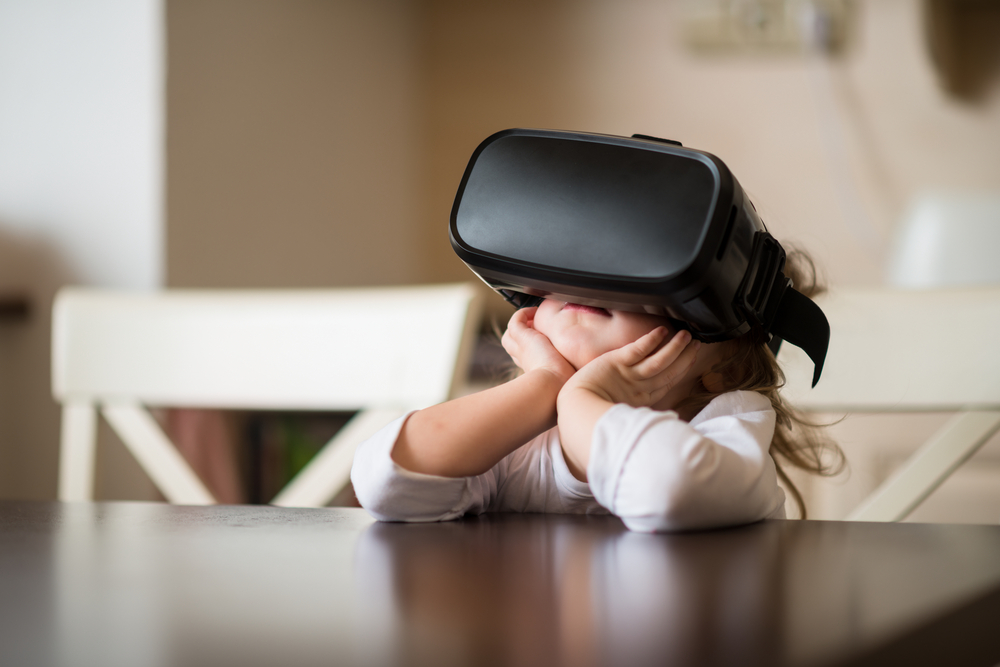
It's essential for users to take regular breaks and use these devices responsibly to mitigate potential health risks.

The Future: Envisioning a World with AR and VR
By next year, we can anticipate:
Enhanced Integration: Seamless blending of digital and physical worlds, with AR and VR becoming integral to daily activities.
Improved Accessibility: Advancements in technology making AR and VR devices more affordable and accessible to a broader audience.
Innovative Applications: New use cases in education, healthcare, and entertainment, leveraging the immersive capabilities of these devices.
These developments have the potential to revolutionize industries, enhance human capabilities, and redefine our interaction with the digital world.
Broader Horizons: The Impact on Society and Human Potential
The proliferation of AR and VR technologies could lead to:
- Global Connectivity: Virtual meetings and collaborations bridging geographical gaps.
- Personalized Learning: Immersive educational experiences tailored to individual needs.
- Enhanced Creativity: New platforms for artists and creators to express and share their work.
As these technologies evolve, they hold the promise of unlocking new dimensions of human potential, fostering a more connected and innovative society.
FAQs:
What is the primary difference between the Apple Vision Pro and Meta's AR glasses?
The Vision Pro offers a fully immersive mixed-reality experience, while Meta's AR glasses provide augmented reality overlays for everyday tasks.
Are these devices suitable for extended daily use?
Both devices are designed for extended use, but it's recommended to take regular breaks to prevent eye strain and other potential health issues.
How do these devices impact privacy?
Both companies have implemented privacy measures; however, users should be aware of potential data collection and sharing practices.
Will these devices replace traditional computing?
While they offer new ways to interact with digital content, traditional computing devices remain essential for certain tasks.
What advancements can we expect in the next year?
Anticipate improved hardware, more affordable pricing, and expanded applications in various sectors.
In conclusion, the Apple Vision Pro and Meta's AR glasses signify a pivotal moment in the evolution of AR and VR technologies. Their development and adoption will undoubtedly shape the future of computing and human interaction with the digital world.