
Where Dreams Are Built: Inside FIFA World Cup Base Camps
When travelling for the World Cup, a team needs to have a facility as their home base. A place away from home that still feels like home, with all the right equipment and facilities catered to an individual team’s liking. Read on and find out how each n

At the FIFA World Cup, the spotlight is usually on the pitch, the goals, and the glory. But behind every match-winning moment is a quieter, less visible world that keeps the tournament running at its highest level: the base camps.
For national teams, these camps become much more than just training facilities. They are carefully chosen environments where players live, recover, strategise, and build chemistry away from the chaos of packed stadiums and global attention. From secluded training grounds to luxury hotels equipped with elite recovery facilities, each base camp is designed to replicate a sense of home in a foreign land.
In many ways, these spaces become emotional anchors during the month-long grind of the tournament. They are where pressure is managed, tactics are refined, and team identity is strengthened. While fans see ninety minutes of football, the real foundation of a World Cup campaign is often built in these quiet, controlled environments that teams call their temporary home away from home.
Inside the base camp: A Home away from home
When travelling to another country for a World Cup, nerves are high, tensions are rising and there’s a nation's pride on the line. But before the soldiers can step onto the battlefield, they need a safe haven, a bootcamp to set up shop. What is interesting about player camps like those at the FIFA World Cup and the Olympics is the strong sense of pride, joy, and community they create. These environments foster togetherness and shared purpose, helping athletes feel united as they work towards a single goal: winning.
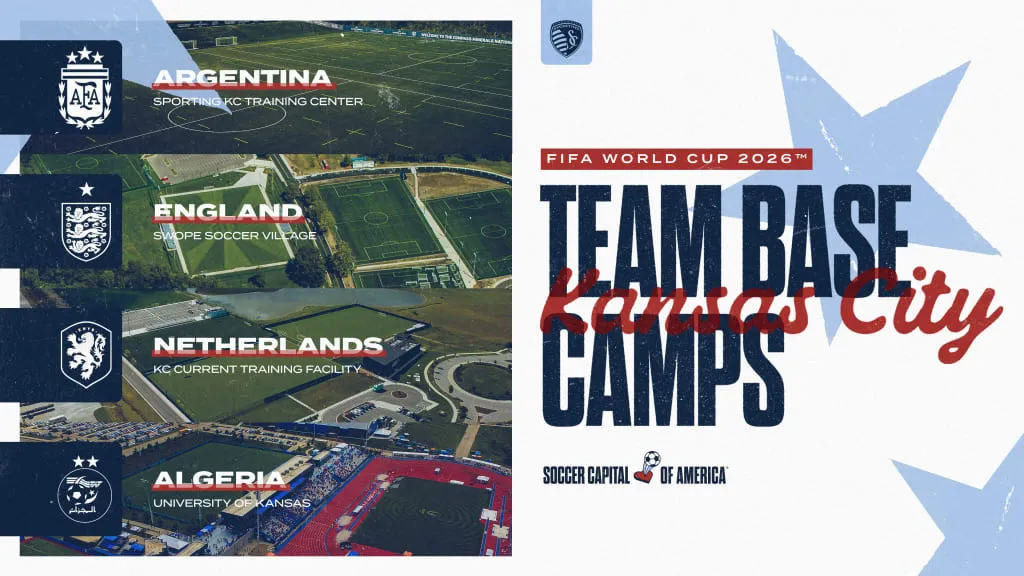
The player camps at the FIFA World Cup 2026 are spread across the vast landscape of the United States of America, Canada and Mexico. These are called Team Base Camps (TBCs) and have been placed in vast corners of different states across the three countries. Some of the major base camps are set in Dallas, New York, Philadelphia, Montreal, Los Angeles, Kansas City, San Francisco Bay Area, Goleta, Renton, Tampa, Vancouver. The base camps aren’t situated in the midst of bustling cityscapes. They are nestled between green countryside, ample flora and fauna. The camps keep away from loud noises and distractions to ensure maximum focus.

Where recovery meets preparation: What’s in store for the players and staff
World cup base camps may come with the top class training pitches, stadium grade; equipment and integrated technology. Along with top of the line training comes world class amenities at individual camps. Most camps have been provided to the nations from current MLS (Major League Soccer) teams for them to use throughout the tournament.
These facilities feature state-of-the-art gyms, recovery and medical centers, nutrition-focused dining areas, tactical analysis rooms, media and press facilities, and dedicated workspaces for coaching staff. Players can take advantage of recreation lounges, wellness areas, and recovery zones, while team personnel benefit from secure operations centers and communications infrastructure. Together, these amenities create a self-contained environment that allows teams to train, recover, prepare, and perform at the highest level during football's biggest competition.
How Geography Could Influence Team Choices
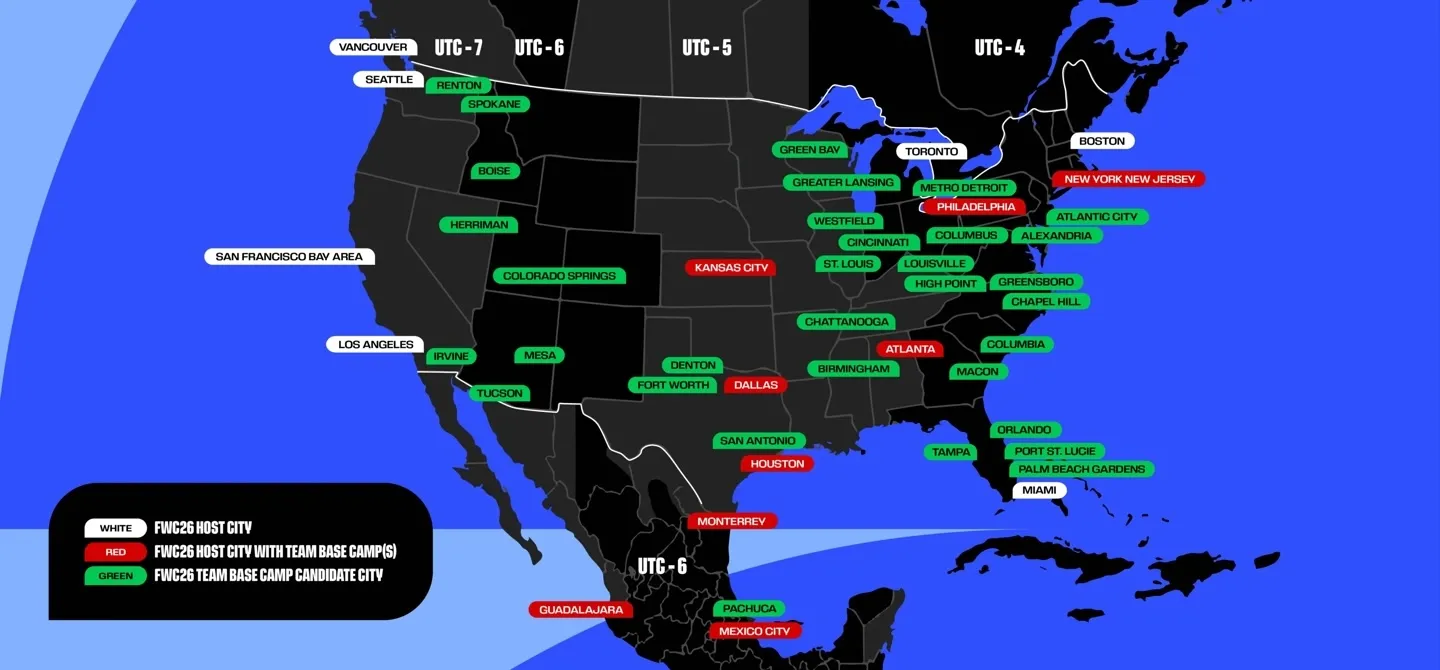
Geography could play a major role in determining where teams choose to establish their FIFA World Cup 2026 base camps. With the tournament spread across the United States, Canada, and Mexico, national teams must carefully consider travel distances, climate conditions, altitude, and time zones when selecting a location. A strategically placed base camp can reduce travel fatigue, improve recovery times, and help players maintain consistent training routines throughout the competition.
Climate is likely to be another key factor. Teams accustomed to warmer environments may prefer locations with similar weather conditions, while others may prioritize cooler regions to avoid the challenges of summer heat. Likewise, nations could seek training facilities that closely replicate the conditions they expect to encounter on matchdays.
Proximity to host cities may also influence decision-making. Teams will want to minimize lengthy journeys between their accommodations and match venues, allowing players to spend more time preparing and recovering. In a tournament as vast as FIFA World Cup 2026, geography is more than a logistical consideration. It could provide a competitive advantage that helps teams perform at their best when every match matters most
The Logistics equation: Travelling to and fro
Logistics will be one of the most important factors influencing team base camp selections at FIFA World Cup 2026. With matches taking place across three countries and multiple time zones, teams must carefully balance comfort, preparation, and travel demands. Unlike previous tournaments hosted within a single nation, the vast geographical scale of the United States, Canada, and Mexico means some teams could face flights lasting several hours between matches.
Choosing a strategically located base camp can help reduce travel fatigue and disruption to training schedules. Teams will consider proximity to airports, transportation infrastructure, and potential match venues when making their decisions. Shorter journeys allow players to spend more time recovering, training, and preparing tactically rather than navigating long travel days.
The challenge extends beyond the players. Coaching staff, medical teams, equipment managers, security personnel, and media crews must all move efficiently between hotels, training facilities, and stadiums. As a result, a well-positioned base camp could become a significant competitive advantage, helping teams maintain consistency and focus throughout football's biggest tournament.
The Economic Boost for Host Communities
With so much action happening in major metro states, the revenue turnout has to be major. If we take a look at this from an economic perspective then the impact is major. From major businesses working more than they usually would, caterers, travel agencies all have their hands full in situations like this.
Local infrastructure also sees a meaningful boost. To meet FIFA standards, training grounds, stadium-adjacent facilities, and transport links are often upgraded or newly developed. While these improvements are initiated for the tournament, they frequently leave a lasting legacy for local sports clubs, schools, and community programs long after the event ends.
There is also a softer but powerful economic impact: global exposure. When international teams base themselves in smaller or lesser-known cities, those locations gain worldwide media attention. This visibility can attract future tourism, investment, and even sports-related events, effectively placing these communities on the global map.
Finally, local businesses such as restaurants, transport operators, fitness centers, and event suppliers benefit from increased demand. Even indirect engagement, such as fan visits or media coverage of training sessions, helps circulate money through the local economy.
In many ways, base camps turn host communities into active participants in the World Cup ecosystem, ensuring that the tournament’s economic impact extends far beyond the stadiums and into everyday local life. Ultimately, the World Cup’s economic impact extends across host communities, creating shared benefits that go far beyond the tournament.
What Can Fans Expect When the World Comes Together
Fans travelling to watch the world’s largest sporting spectacle are in for a treat. With a lively atmosphere and people from all over the world, there will never be a dull moment. From world cuisines to different sport activities, fan zones are a blast for families, friends and children of all ages. The event is designed to be a fully immersive celebration of football, culture, and global unity.
Around stadiums, supporters will find vibrant fan zones filled with live screenings, music, food, and cultural events representing nations from around the world. These spaces are built to bring together traveling fans and local communities, creating an atmosphere that often feels like a festival rather than just a sporting event.
Inside the stadiums, the experience will be larger and more dynamic than ever before, with expanded seating, advanced technology, and enhanced entertainment features aimed at making matches more engaging for both in-person and global audiences.
Beyond the matches, fans can also expect a strong cultural experience. Each host city will showcase its own identity through local cuisine, tourism activities, and events, giving supporters the chance to explore different parts of North America while following their teams.
In essence, World Cup 2026 is set to offer fans not just football, but a full journey, one that blends sport, travel, and shared celebration on a global stage.

Conclusion:
The FIFA World Cup 2026 is set to be more than just a global football tournament; it is a large-scale experience shaped by preparation, community, and celebration. From the importance of base camps in building team unity and performance, to the economic benefits shared by host cities, and the vibrant atmosphere awaiting fans, every element plays a role in making the event memorable.
Ultimately, the World Cup connects players, cities, and supporters in a shared journey that goes beyond the game itself, leaving behind both sporting memories and lasting impacts across North America.
By Siddhant Kohli


