Timeless Outfits from The Devil Wears Prada: Where Fashion Becomes Power
The Devil Wears Prada is iconic for its styling today. Let's decode 5 such iconic outfits from the movie and understand the styling ideology behind them.
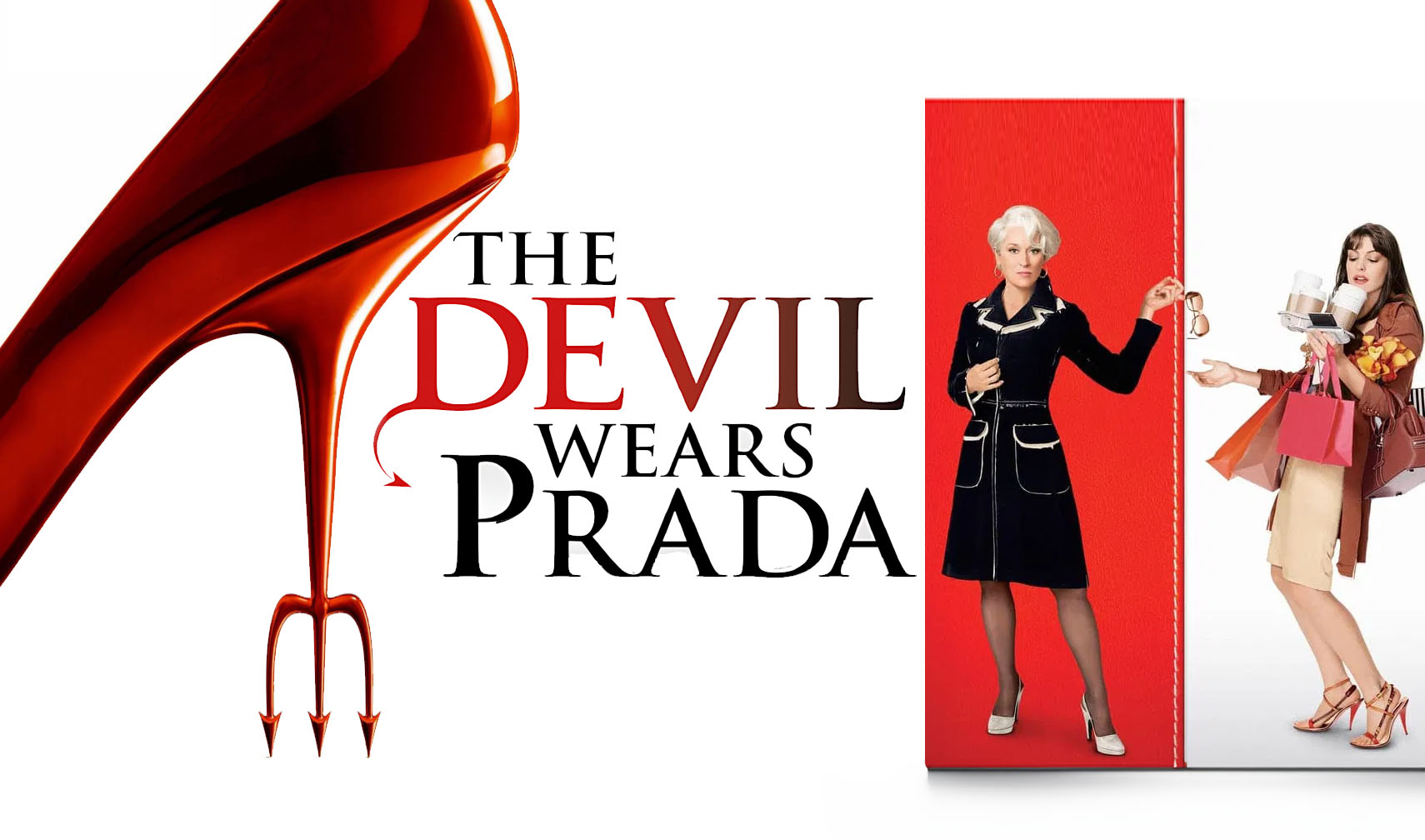
While many movies tell stories through dialogue and many through visuals, this recited an ode with the costumes. Each piece is crafted to depict the meaning behind the scene. Being interested in fashion, I generally don't miss such from Breakfast with Britany to Cruella, where the costumes speak volumes, guiding you on styling details.
With Devil Wears Prada 2 releasing, revisiting the 1st part is but natural and in the movie, from the first cerulean sweater monologue to the final Paris runway moments, fashion is not decoration; it’s narrative architecture that shapes it. In this blog, let's explore some of the iconic costumes and decode the meaning behind them, and how the character styling has evolved.
Fashion as Storytelling, Not Styling
The movie's story revolves around a character inspired by real-life editor Anna Wintour; Miranda Priestly’s world reflects the high-stakes, detail-driven universe of fashion media. How a new intern arrives in her world and how the equation unravels is the story all about. Under the visionary styling of Patricia Field, every outfit becomes a signal: of power, transformation, rebellion, or belonging. This isn’t just a movie about fashion. It’s about how fashion defines identity.
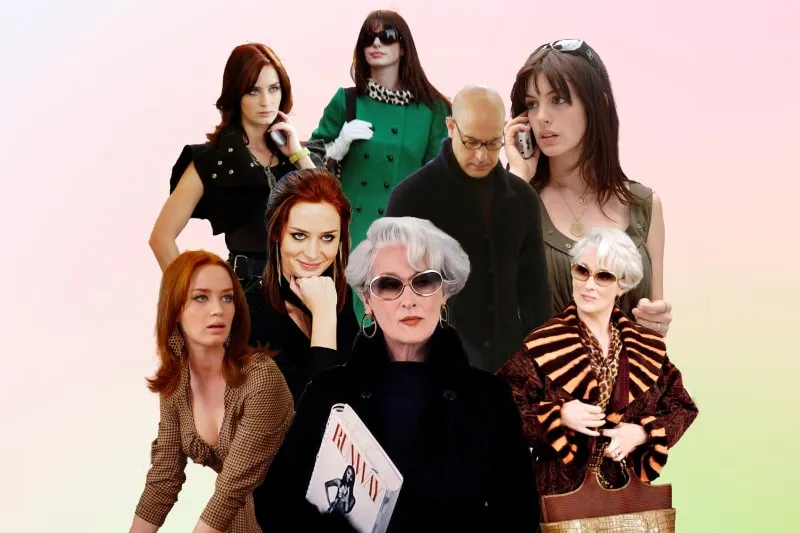
While portraying this story through clothes, Patricia Field didn’t just dress characters; she built them visually. In one of her interviews, she mentioned she had prepped for this task and had a meeting with Meryl Streep to get into the character, understand how she wanted to dress her, and even said the hair was Meryl’s idea. Patricia’s idea was to make her more glamorous than any of her looks or roles she played. And the character dressing all worked out well, even Anna Wintour mentioned in an interview that, “the acting of Meryl Streep was great, it was funny”
The clothes in The Devil Wears Prada mirror the hierarchy of the classic assistant vs editor angle:
- Colours reflect emotional states. Patricia has played with colours to indulge the viewers and characters in the spirit of the scene.
- The clothing brands signal status and access, as the character's background is where their brands are placed, and with an upgrade, they are changed.
- Silhouettes define confidence and control. The more commanding the character, the more their profile is crafted, just as Miranda Priestly’s iconic white hair became a symbol of authority and timeless power.
6 Iconic Costumes That Defined The Devil Wears Prada
Andy’s Post-Makeover Chanel Moment
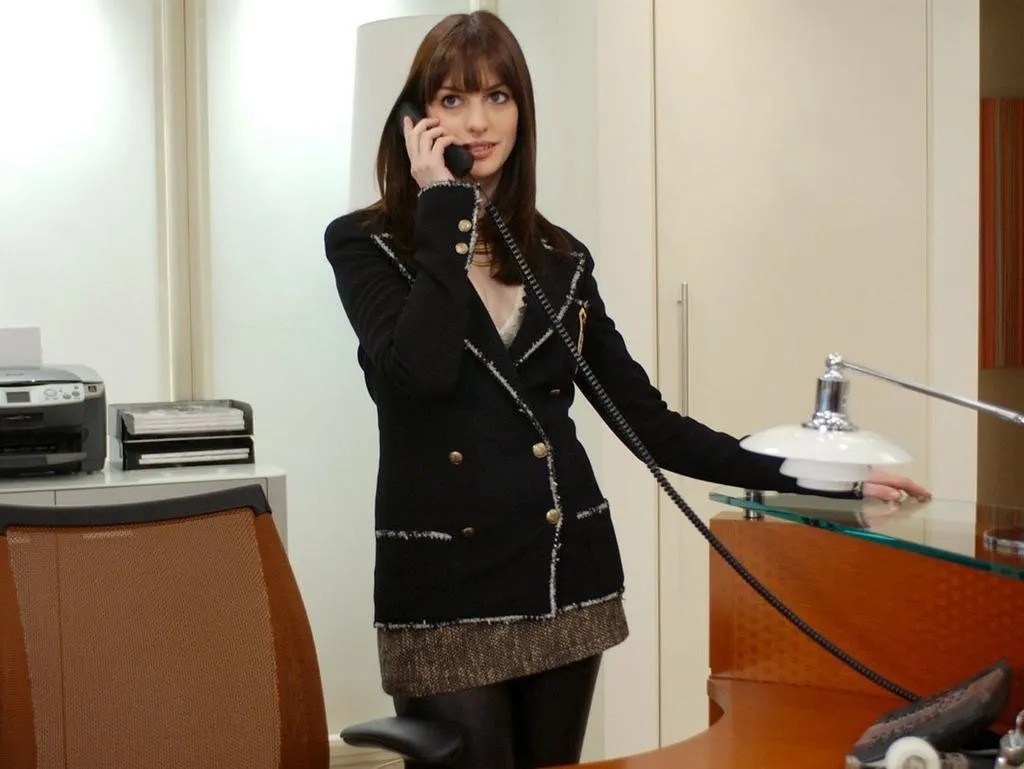
This is the turning point for the character of Anne Hathaway in The Devil Wears Prada, so it needs to be dramatic and lavish, so the Fields decided to make it an ensemble of Chanel. I feel Hathaway is the queen of the makeover scene, and she slayed this flawlessly.
The outfit was all black with gold and silver lining, if you know what I mean, and who can forget the sleek Chanel boots making her look sophisticated yet formidable. Fields used black, applying the colour theory, making Andy look authoritative, signifying transformation, and emitting sophistication. In the post-makeover scene, Anne Hathaway's costume details made an impact, signifying the moment Andy “enters” the fashion world. The structured black palette signals her shift from outsider to insider, confidence replacing confusion. Replacing the loose, mixed-colour outfit with a one-colour body-type fit outfit, portraying the knowledge of styling making its way.
Miranda Priestly’s Monochrome Power Coats
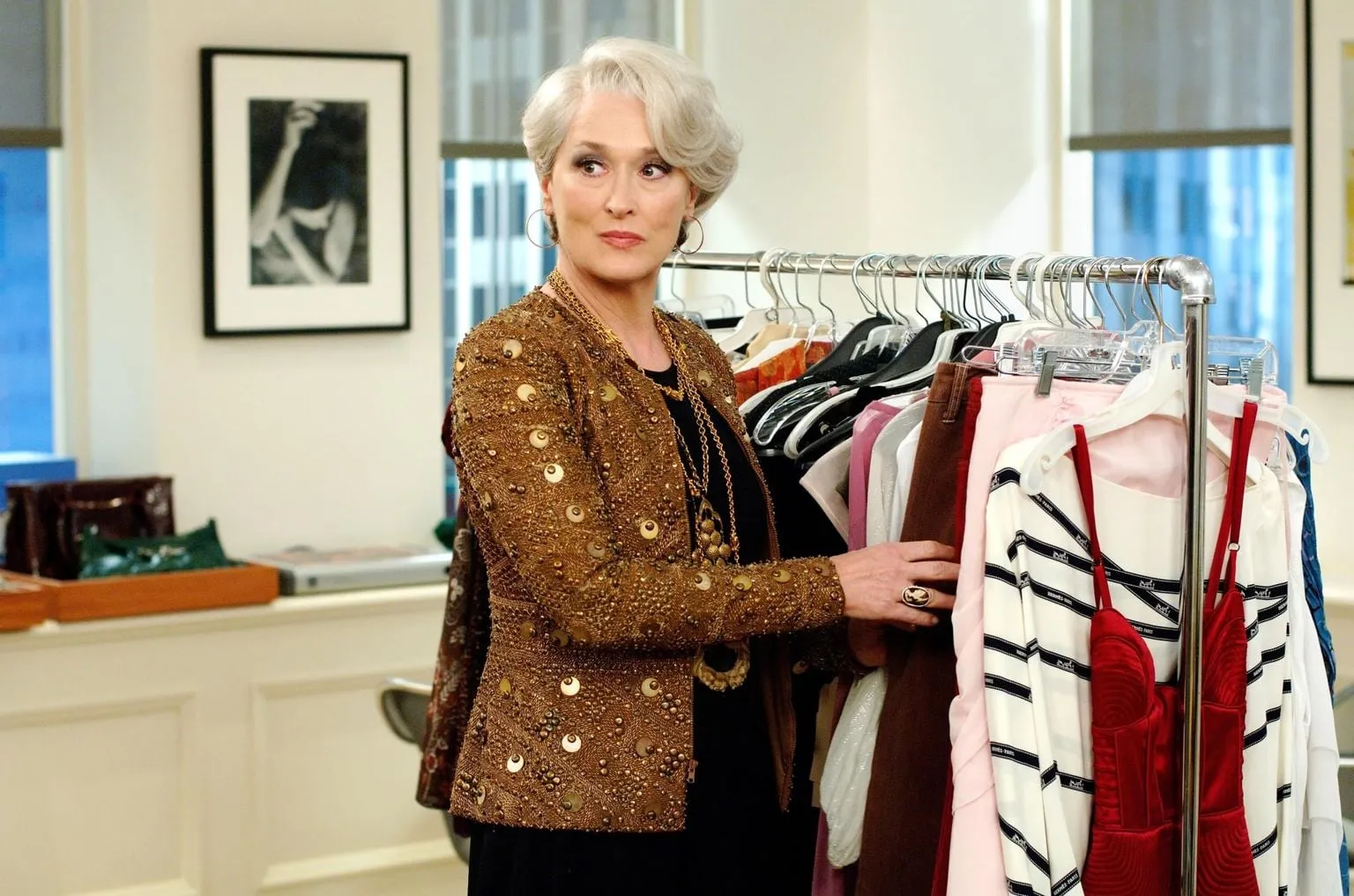
One notable style statement throughout the movie was Meryl Streep in The Devil Wears Prada and her tailored power coats. The white cream and blacks of Chanel and Prada coats were not just an addition to the outfit but an assertion of authority and power.
Here, Patricia Fields applied neutral tones colour theory to illustrate Miranda Priestly’s control and calm dominance. And it worked admirably as Miranda doesn’t need loud colours; her presence is enough. The minimal palette reflects precision, restraint, and power without effort, just like her character.
My personal favourite would be her lime green coats by Dennis Basso, emitting the dominance with chic and vintage vibe. And another would be the gold jacket she wore, delivering the most biting monologue, which was from the Bill Blass Fall/Winter 2004 collection. It was styled with a black outfit and the same gold shade jewellery, making it stand out with command yet let other outfits in the room be acknowledged.
The Cerulean Sweater Scene
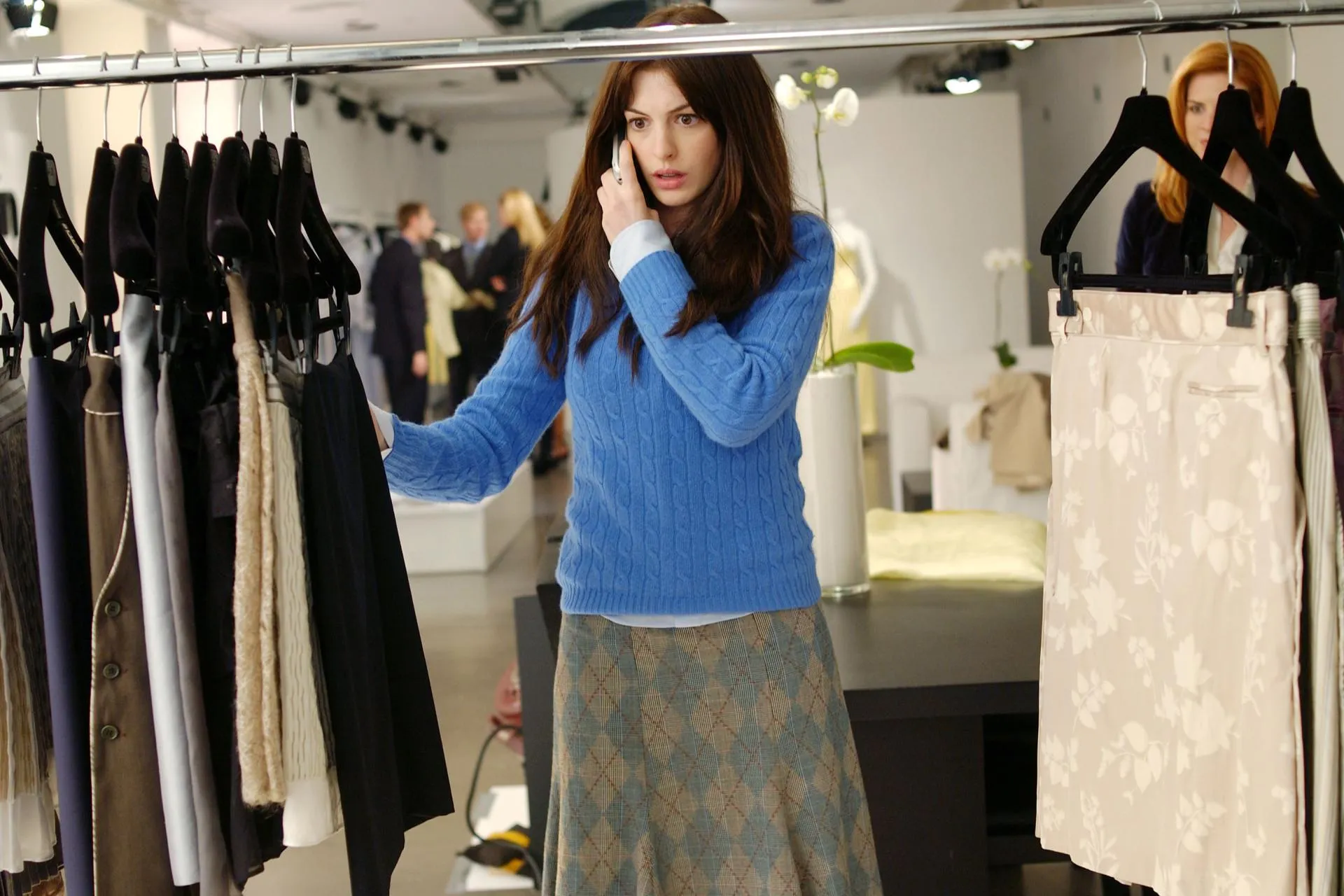
The Cerulean sweater is one of Andy’s most memorable looks, which became the target of Miranda’s verbal attack. If you ask me, it was a classic choice, and with the right styling, you would look like you're out of a K-drama series. Do you remember the office working protagonists who are often neat and trendy with loose sweaters tucked in neatly with a fitted skirt styled impeccably, yes, just that. And today, who isn't a fan of those subtle, cute yet dominating Korean fashion trends?
I guess that is teh beauty of this scene, it is a high fashion trickling into mass retail, and though the cerulean blue colour was a bit pale. Personally, I feel bright and dark colours suit Hathaway perfectly. But this colour had a meaning as Fields wanted to depict: accessibility, and the illusion of choice. Well, even so, the outfit became symbolic through dialogue, showing how fashion influences even those who think they’re outside it, as it was picked from a pile of stuff just as Miranda Priestly stated.
Paris, Louis Vuitton Fountain Look
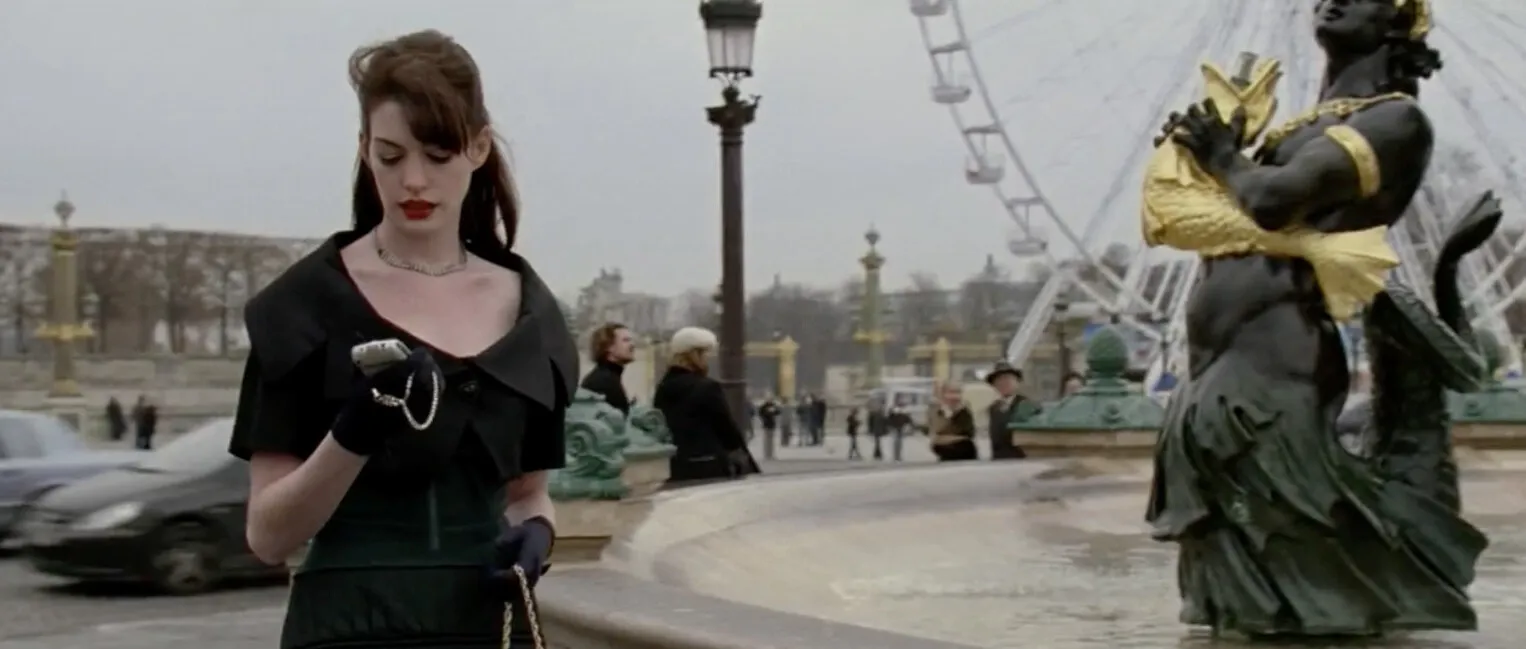
The famous Louis Vuitton adorned by Andy during the Paris Fountain scene, where she passes by and tosses her pager, signifying a change and making a choice. The dress embodies her mindset, with black showing authority and determined choice, while styling showing her nature of being chic and humble.
It's not wrong to say that this chic Parisian styling near the fountain accents luxury, marking Andy’s peak transformation. She now blends seamlessly into the elite fashion world. The location and brand established a global fashion identity, and her decision affirms her will to carve her own path and build something that has herself.
Emily Charlton’s Runway-Ready Office Looks

Emily Blunt portrays Emily Charlaton in the movie, and is wrapped in varied office wear outfits that are not the typical receptionist look, to be frank. The Fendi, Dolce & Gabbana, Valentino, Hermes, and Manola she donned were a proclamation of her bold yet on the edge.
The bold prints, sharp tailoring, and statement accessories defined her cold exterior, confident ambition in the room, yet always on the verge of breaking down due to the intimidation of her direct superior. Many say she was dressed to look like a fashion victim. Yet the girl knew what fashion was, and each of her dresses would make you feel like she came right down the runway, making bold statements. Emily dresses like she already belongs at the top. Her outfits reflect aspiration, anxiety, and fierce competitiveness.
Miranda’s Evening Glam in Paris

The haute couture moment in Paris for Miranda Priestley is quite justified. The Couture-level styling made her look elegant, with fluid silhouettes. With a colour theory of metallics and deep tones that depicts legacy and prestige, it equipped the scene ideally.
This scene shows Miranda at her most human, yet the same cutthroat and powerful fashion softens her, but never diminishes her authority.
Why The Film Still Defines Fashion Culture
Even today, The Devil Wears Prada remains a reference point because:
- It decoded the power dynamics of fashion, with each scene giving some new insights.
- It showed how style shapes perception, how what you wear sometimes becomes your identity.
- It blurred the line between costume and character, as each piece is a statement of the character's emotional and mental state, from hopeful to determined.
- As even Anna Wintour acknowledged, the performances, and by extension, the styling, captured the industry’s essence with wit and realism.
Final Stitch
In The Devil Wears Prada, fashion isn’t about trends; it’s about transformation, control, and identity. Every coat, every boot, every shade of black or cerulean tells you something before a single word is spoken.
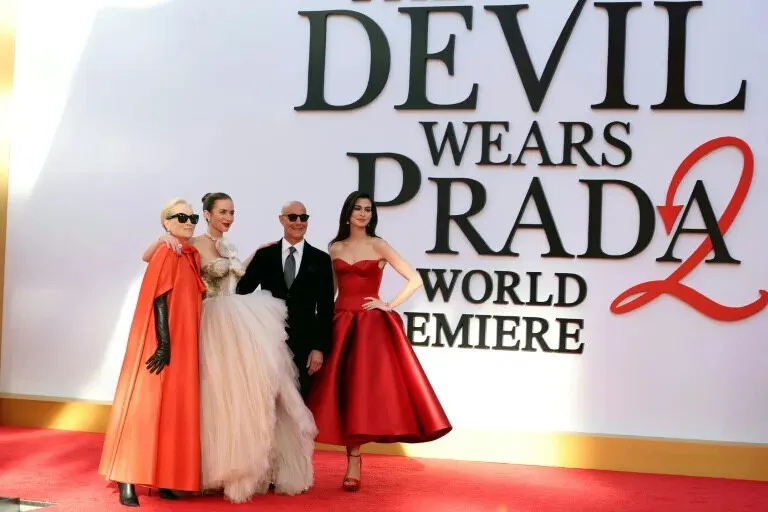
Because in this world, you don’t just wear fashion, you become it. And with Devil Wears Prada 2 on the way, we have many such fashionable bites and styling moments to look ahead to. So keep tuned for more such bites on TrendBrewers.
P. Manika (Performist Content Writer)