Jean Paul Gaultier: Inside the Legacy, Business, and 2026 Met Gala Revival
Explore Jean Paul Gaultier’s rise, iconic designs, brand value, and 2026 Met Gala comeback—plus how his bold “mesh heaven” vision reshapes modern fashion.

Jean Paul Gaultier: The Original Rule-Breaker Returns in a World Finally Ready for Him
There’s a certain kind of name-drop that signals you’ve arrived. In American Psycho, it’s not just about suits—it’s about taste, power, and knowing the right designers before everyone else does. Jean Paul Gaultier sits comfortably in that echelon. But here’s the twist: he was never really designing for the elite. He was designing to disrupt them.
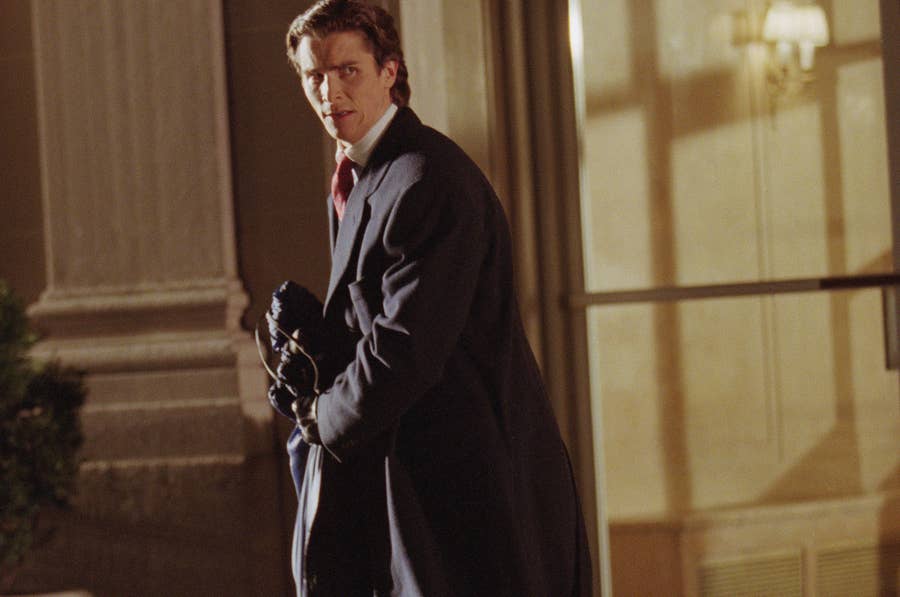
Long before fashion caught up with conversations around gender, identity, and self-expression, Gaultier was already tearing up the rulebook. And now, with the 2026 Met Gala reviving his signature “mesh heaven,” his legacy doesn’t feel nostalgic—it feels current.
The Man Who Made Fashion Uncomfortable (On Purpose)
Gaultier didn’t come up through the traditional fashion pipeline. No elite schooling, no polished apprenticeship track. Instead, he entered the industry in the 1970s on instinct and audacity, eventually working under Pierre Cardin. By the 1980s, he had earned a reputation as fashion’s enfant terrible—the guy who would send men down the runway in skirts and turn lingerie into outerwear without blinking.

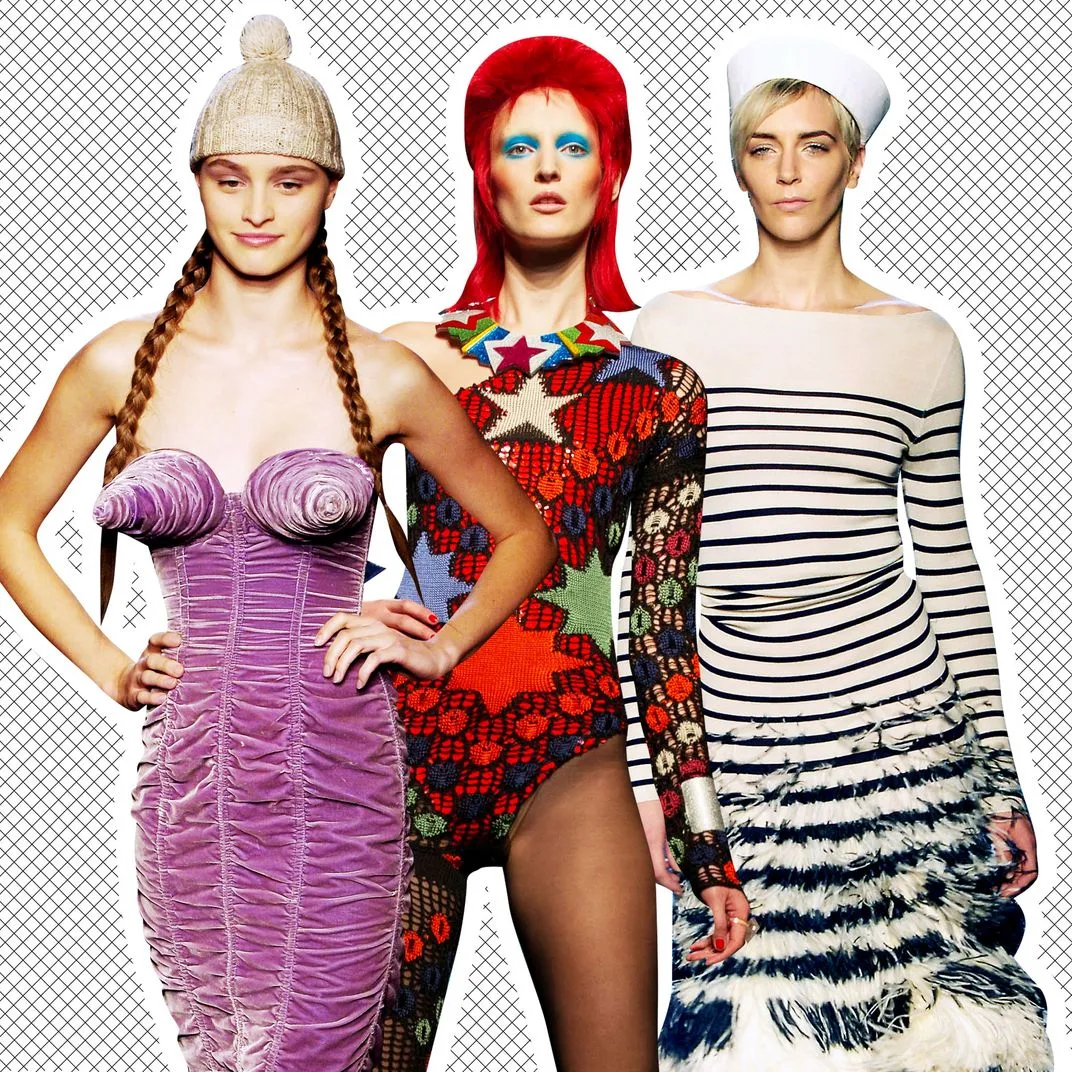
His breakout into mainstream culture wasn’t subtle either. When Madonna wore his now-legendary cone bra during her Blonde Ambition Tour, Gaultier didn’t just design a costume—he engineered a cultural moment. It was provocative, yes. But more importantly, it forced the world to reconsider who fashion was for.
Why His Work Feels Bold—Even Now
If your first reaction to Gaultier is that it’s “too much,” you’re not wrong. That’s the point.
His work sits at the intersection of:
Sexuality and power
Masculinity and femininity
Exposure and concealment
Mesh, corsets, leather, exaggerated silhouettes—these aren’t just stylistic choices. They’re tools. Gaultier uses them to challenge the viewer as much as to dress the wearer. What reads as overtly sexual is often a deeper commentary on control, identity, and freedom.
The Business Behind the Provocation
Here’s where it gets interesting. Despite the avant-garde reputation, the Jean Paul Gaultier brand is a serious business—just not in the conventional luxury sense.
Owned by Puig, the label operates on a hybrid model:
Fragrances drive the bulk of revenue (think global bestsellers like Le Male)
Haute couture acts as a cultural engine rather than a volume business
Ready-to-wear was paused in 2014, reinforcing exclusivity
The result? A brand that doesn’t chase mass appeal but still generates hundreds of millions through strategic positioning. In other words, Gaultier sells influence as much as product.
Enter: “Mesh Heaven” and the 2026 Met Gala
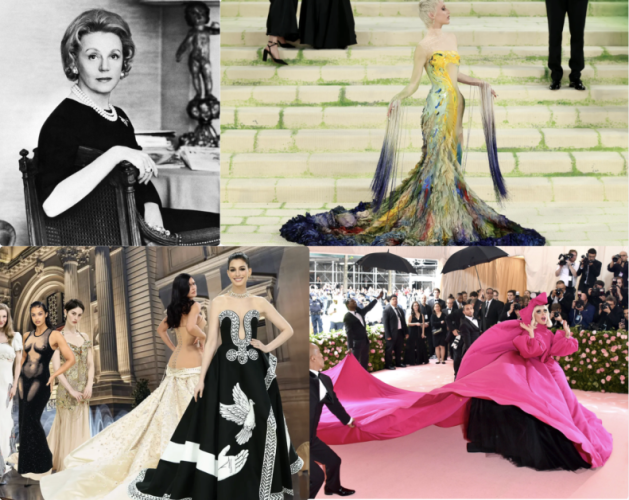
When Vogue described the 2026 Met Gala and Gaultier as a “match made in mesh heaven,” it wasn’t hyperbole—it was inevitability.
Mesh has always been one of his signatures. It’s provocative without being explicit. It reveals while still leaving something to the imagination. And in a fashion landscape now obsessed with transparency—both literal and cultural—it feels more relevant than ever.
At the Met Gala, that translated into:
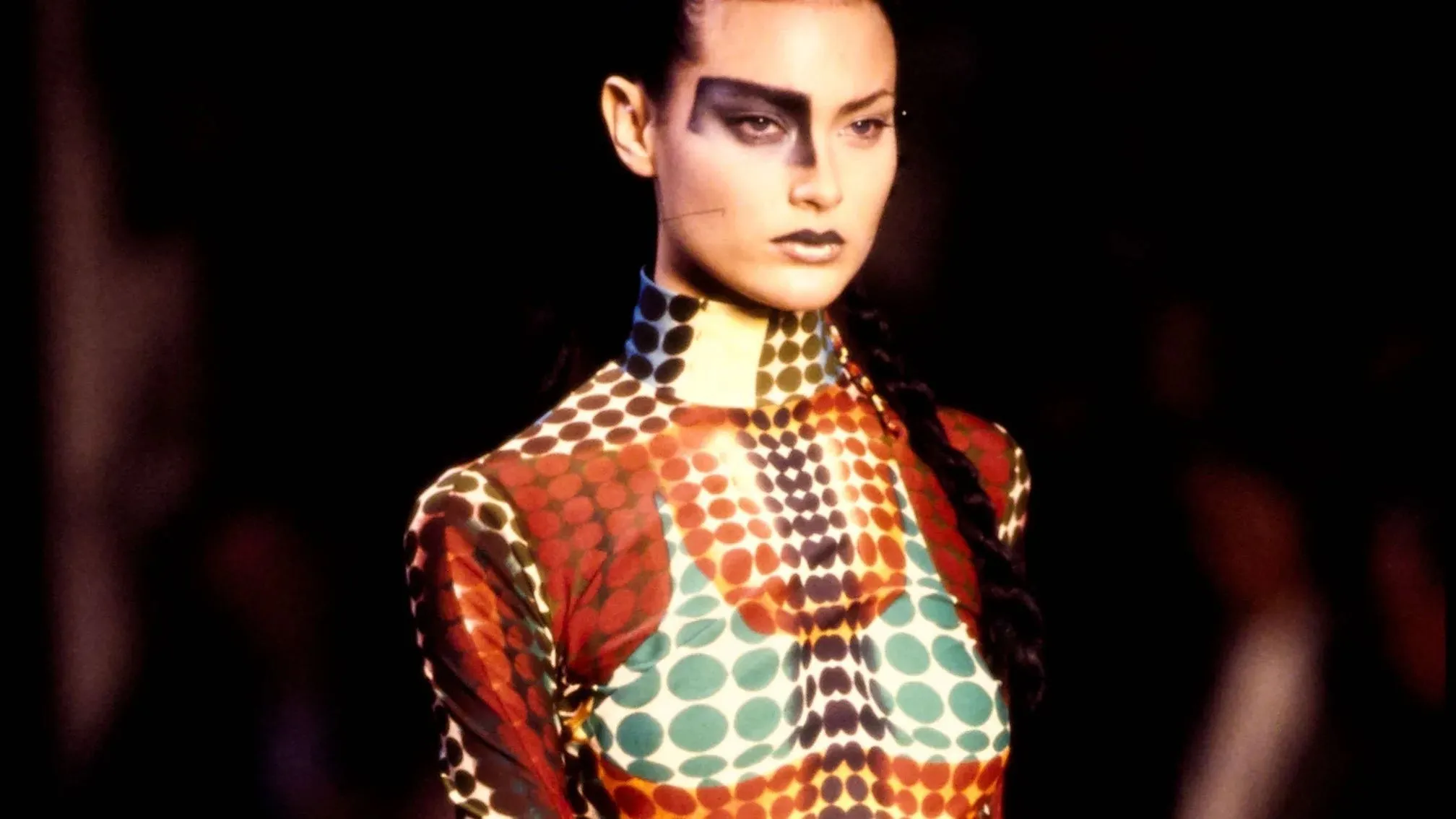
Sheer, body-hugging silhouettes
Layered transparency
Reworked archival designs that felt futuristic rather than retro
The phrase “mesh heaven” captures that sweet spot where craftsmanship, sensuality, and spectacle collide. It’s not just about the fabric—it’s about what the fabric allows you to say without speaking.
Who’s Actually Buying This?
Let’s be clear: most people aren’t walking into a boutique and picking up haute couture.
Gaultier’s audience breaks down into three tiers:
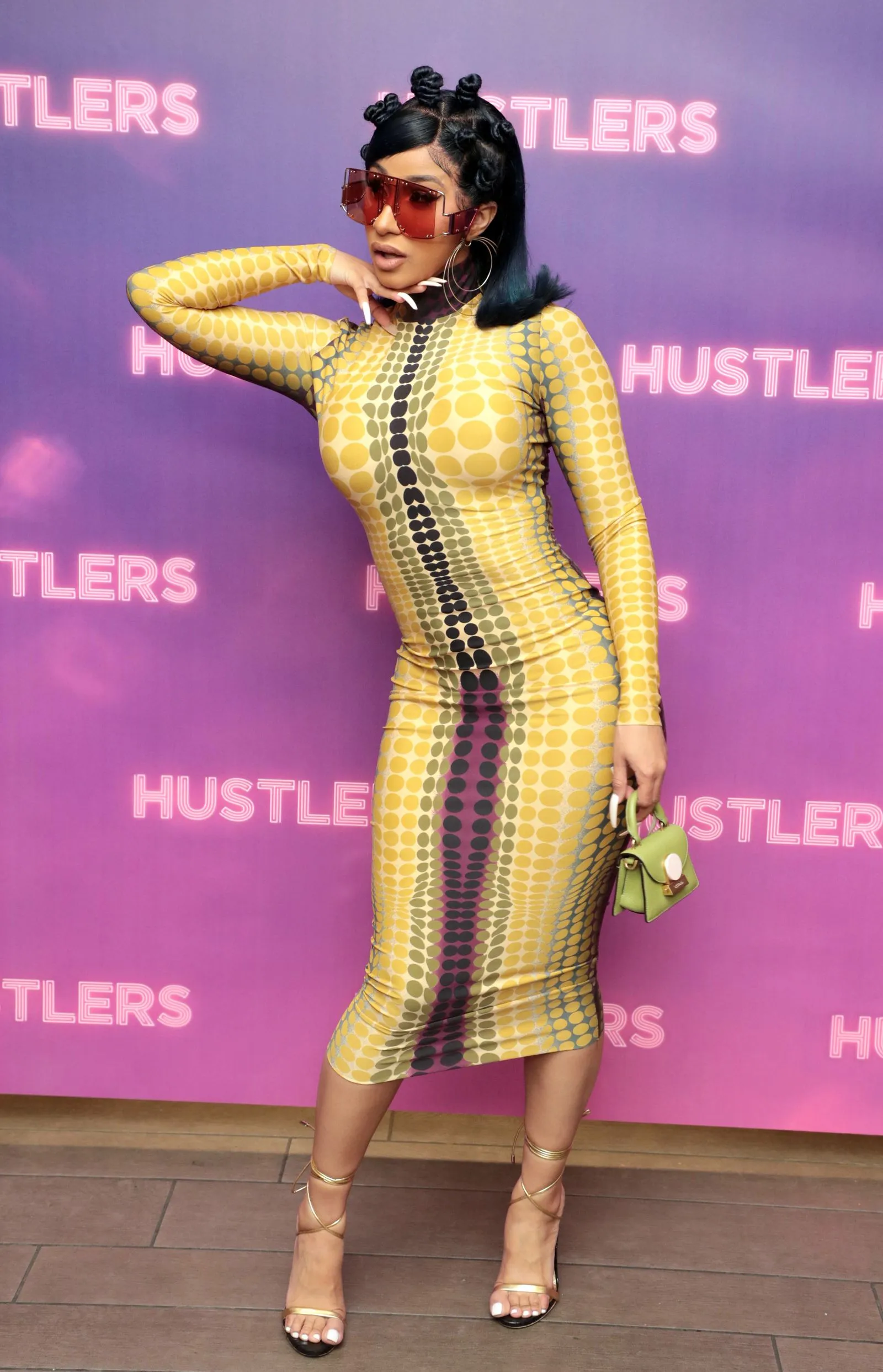
The inner circle: Celebrities, stylists, and couture clients
The collectors: Vintage enthusiasts who treat JPG pieces like art
The masses (sort of): Fragrance buyers and occasional collaboration shoppers
If you’re not in the first category, you’re likely interacting with the brand through scent or secondhand fashion—and that’s by design.
Can You Wear It Without Looking Like a Runway Experiment?
Yes—but it requires intention.
Gaultier pieces work best when:
You treat them as a focal point, not a full look
You understand the silhouette (a lot of it is body-conscious)
You’re comfortable standing out
For most people, the smarter entry point is vintage or a single statement piece. Think mesh tops layered under structured jackets, not head-to-toe runway replication.
Why It Costs What It Costs
Strip away the hype, and the pricing still holds up.
You’re paying for:
Precision tailoring that borders on engineering
Materials designed to stretch, sculpt, and endure
A legacy that has influenced decades of designers
This isn’t fast fashion with a luxury label slapped on. It’s slow, deliberate, and built to last—both physically and culturally.
The Final Word
Jean Paul Gaultier isn’t trying to win everyone over. He never has. His work isn’t about fitting into your wardrobe—it’s about challenging it.
For the fashion crowd, he’s a pioneer whose ideas are still being unpacked decades later. For everyone else, he’s a reminder that clothing can be more than functional—it can be confrontational, expressive, even a little uncomfortable.
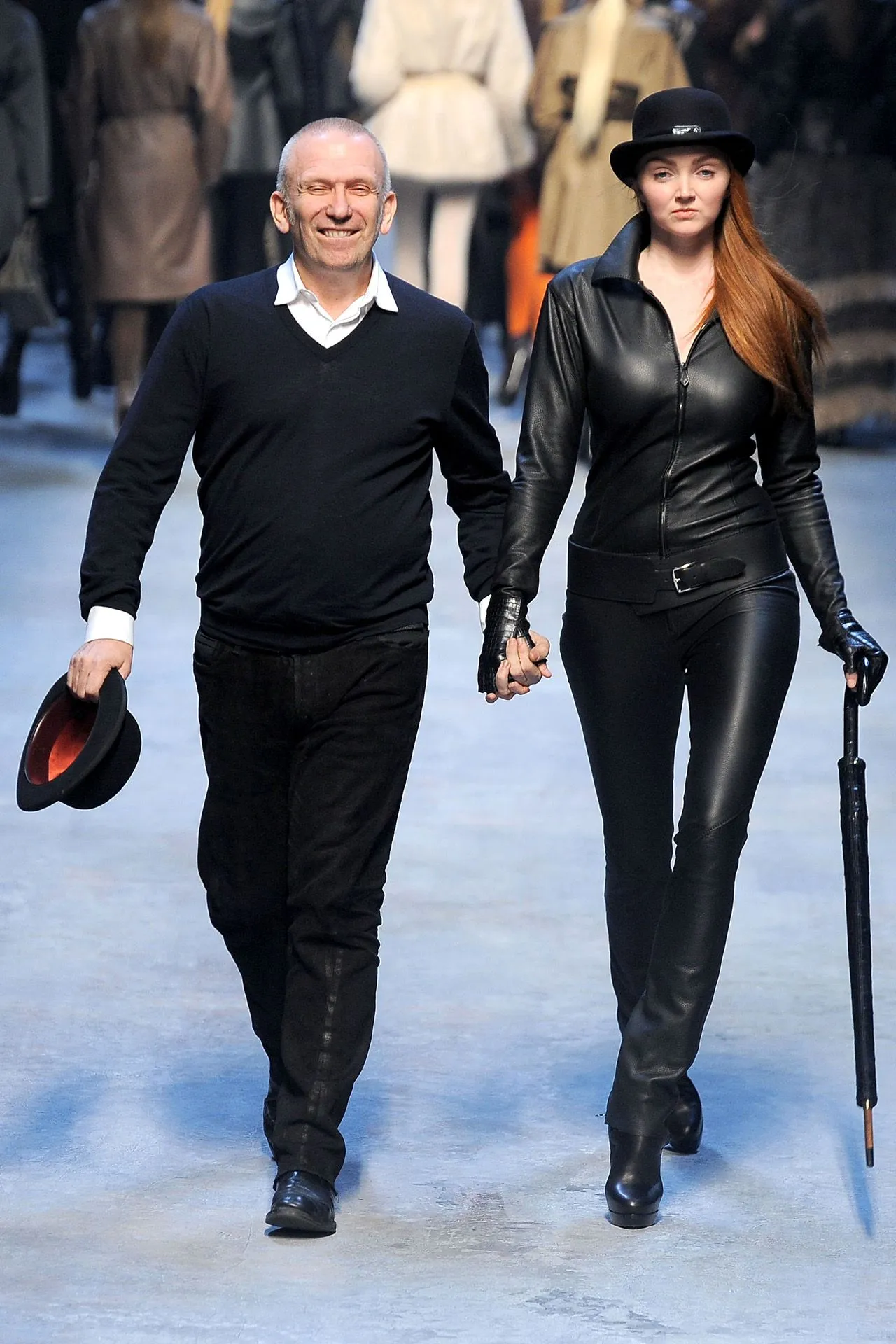
And maybe that’s why “mesh heaven” works so well. Because in Gaultier’s world, the best fashion doesn’t just cover you—it reveals who you are, whether you’re ready for it or not.
By [Tommy Thounaojam] Editor TrendBrewers