Met Gala 2026: Viral Fashion, Luxury Branding, Celebrity Looks, Memes & Cultural Impact
Explore Met Gala 2026 viral looks, luxury branding, celebrity fashion, memes, Indian representation, controversies and internet culture.
Why the Met Gala 2026 Became Fashion’s Ultimate Marketing Machine
The History, Viral Moments, Luxury Branding, Celebrity Influence and Cultural Power Behind Fashion’s Biggest Night
Most people watched the Met Gala 2026 as just another celebrity red carpet spectacle — a night filled with luxury gowns, dazzling jewelry, fashion houses, viral memes, Instagram reels, and internet-breaking moments. But beneath the glamour and flash photography, the Met Gala has quietly evolved into something far more significant: a billion-dollar attention economy, a luxury marketing battlefield, and one of the most powerful cultural branding platforms in modern history.
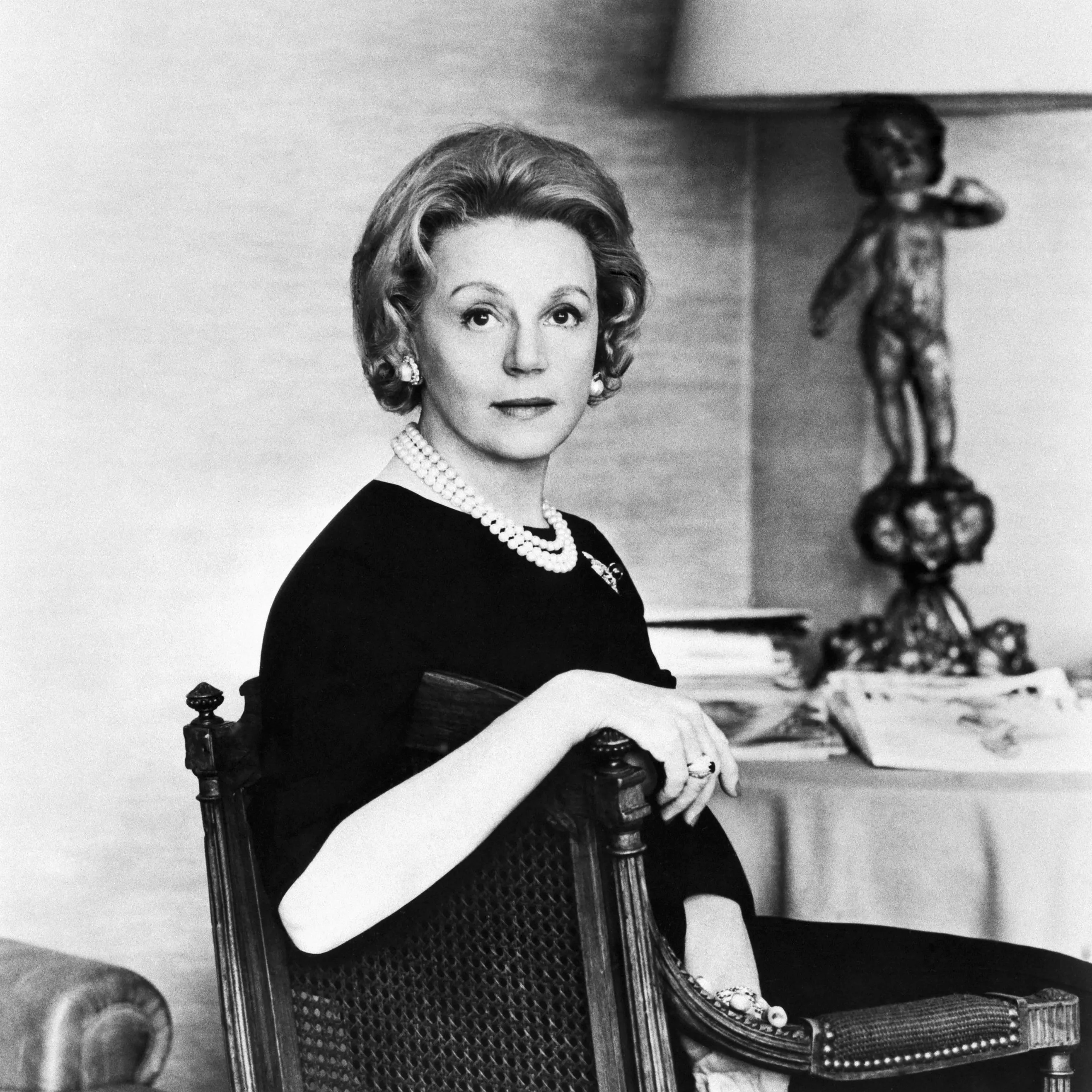
Image: Eleanor Lambert, The Woman Who Created the MET Gala
In 2026 alone, the event reportedly generated over $1 billion in Media Impact Value while raising nearly $42 million for the Costume Institute, cementing its status as one of the world’s highest-performing cultural marketing events. With individual tickets priced at nearly $100,000, luxury brands still invest millions more into celebrity styling, couture production, PR campaigns, jewelry partnerships, after-parties, influencer amplification, and social media strategy.
The reason is simple — the Met Gala is no longer just about fashion. It is about visibility, conversation, internet culture, and the psychology of aspiration. In many ways, the event compresses six months of luxury marketing into a single night of algorithmic dominance, proving that in today’s digital economy, attention has become the ultimate luxury currency.
What Is the Met Gala?
The Met Gala, formally known as the Costume Institute Benefit, is an annual fundraising event held at New York City’s Metropolitan Museum of Art and serves as the grand opening for the Costume Institute’s yearly fashion exhibition. Over the decades, the Met Gala has evolved from an exclusive museum fundraiser into the Super Bowl of fashion, the world’s most influential celebrity red carpet, a global luxury branding showcase, and one of the internet’s most viral annual events.
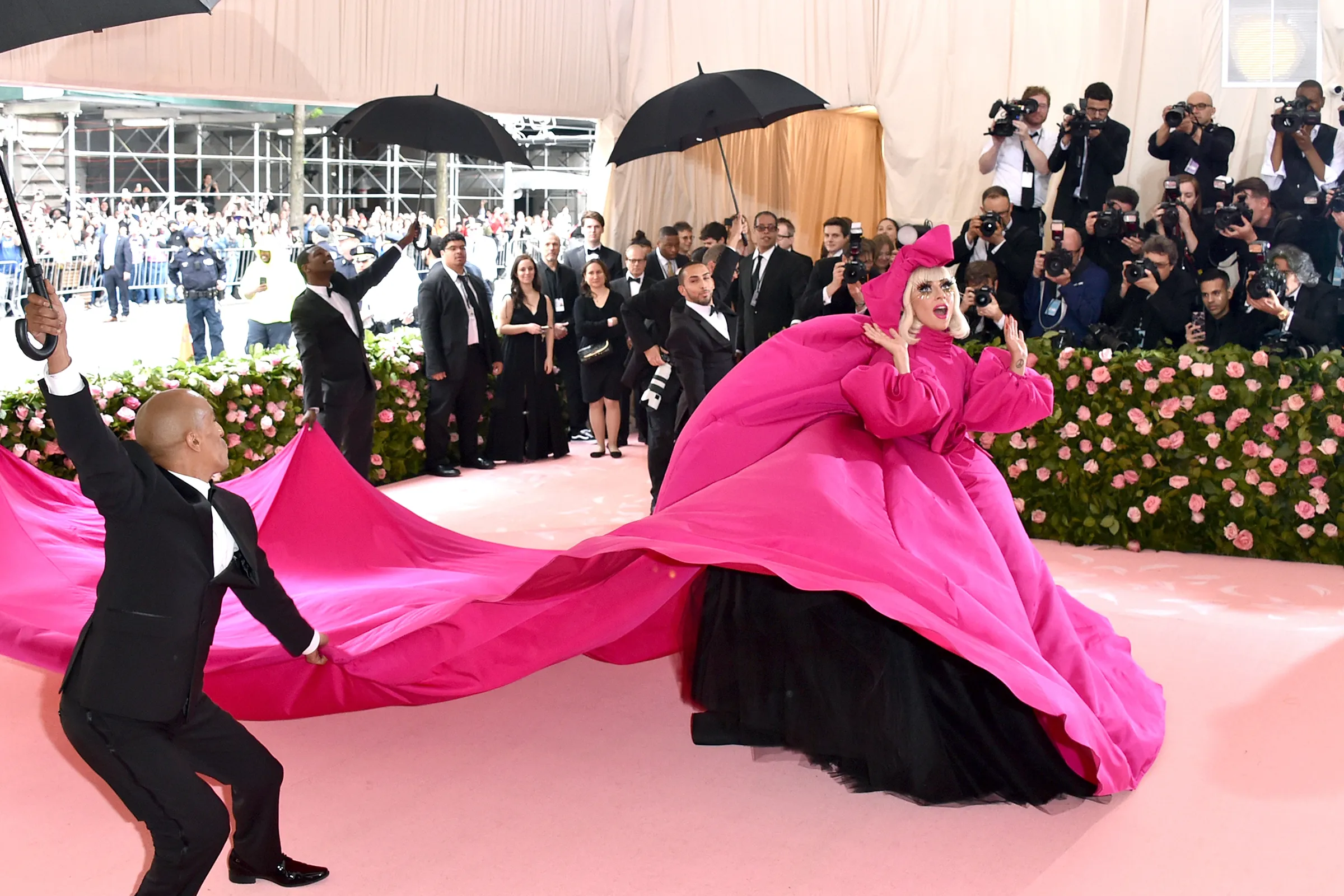
Today, the Met Gala dominates Google Trends, TikTok, Instagram, YouTube commentary, fashion media, meme culture, celebrity news cycles, and luxury brand marketing, with millions searching every year for Met Gala outfits, best dressed lists, viral memes, controversies, celebrity looks, and fashion trends — proving the event has become far bigger than fashion itself.
The History of the Met Gala
The Met Gala began in 1948.
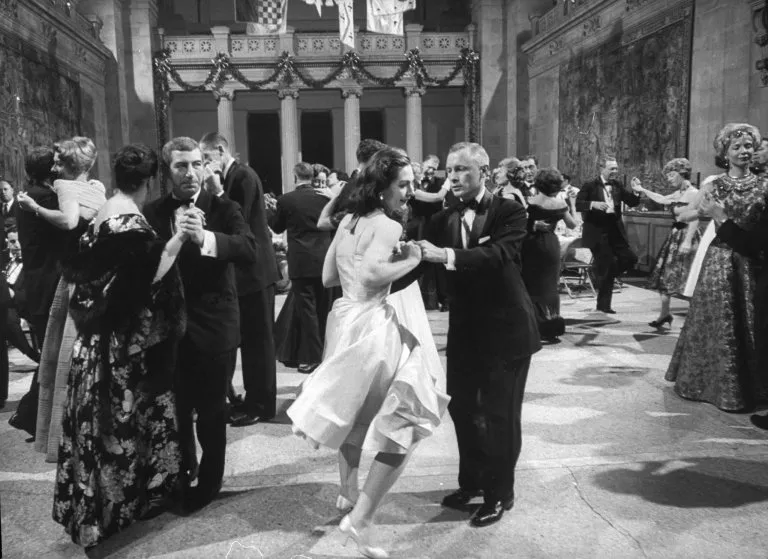
Fashion publicist Eleanor Lambert created the event to raise funds for the newly formed Costume Institute.
At the time, it was a relatively modest society dinner attended mostly by New York elites and members of the fashion industry.
There were no viral moments.
No livestreams.
No celebrity obsession.
No TikTok breakdowns.
The event remained largely niche for decades.
Everything changed when Anna Wintour took over in the 1990s.
Wintour understood something revolutionary before social media even existed:
Fashion becomes exponentially more valuable when it enters mainstream culture.
Under her leadership, the Met Gala evolved into the world’s most influential fashion event.
The guest list expanded beyond designers and editors to include:
actors
musicians
athletes
influencers
billionaires
global celebrities
internet personalities
entrepreneurs
Fashion stopped speaking only to fashion insiders.
It started speaking directly to the internet.
And once social media arrived, the Met Gala became unstoppable.
How Anna Wintour Turned the Met Gala Into a Global Phenomenon
The Met Gala’s rise to prominence is deeply connected to Anna Wintour’s understanding of media, exclusivity, and celebrity influence.
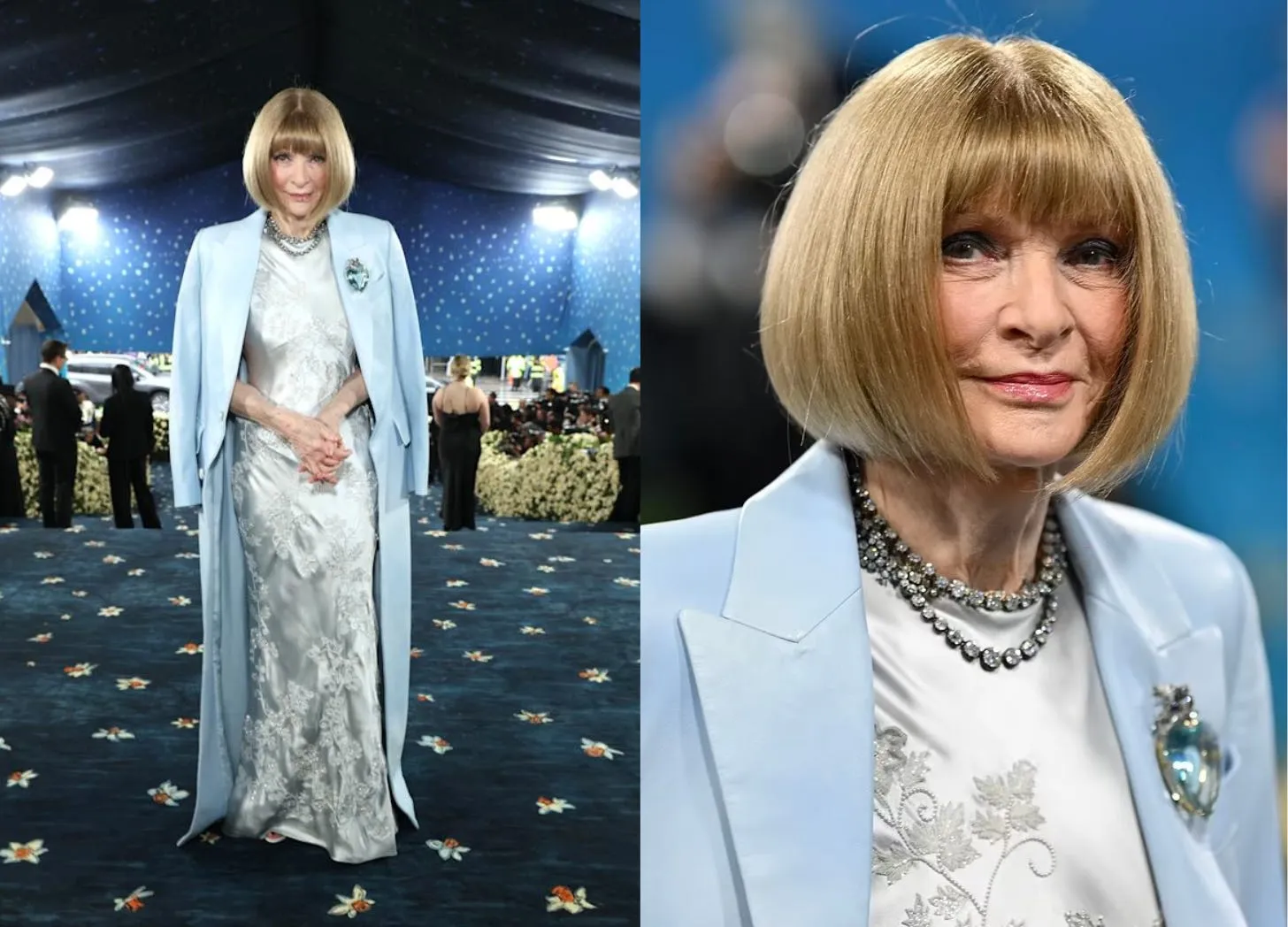
She transformed the event using three core principles:
1. Exclusivity Creates Desire
The Met Gala became one of the hardest events in the world to access.
Invitation-only guest lists.
Luxury fashion houses.
Strict approval systems.
Curated celebrity attendance.
Scarcity increased prestige.
2. Fashion Needed Entertainment
Instead of treating fashion as an isolated industry, Wintour merged it with:
Hollywood
music
sports
internet culture
celebrity branding
That crossover dramatically expanded public interest.
3. Every Year Needed a Story
Themed exhibitions transformed the gala into a storytelling event.
Themes such as:
Camp
Heavenly Bodies
Karl Lagerfeld
Fashion Is Art
created opportunities for interpretation, debate, and internet virality.
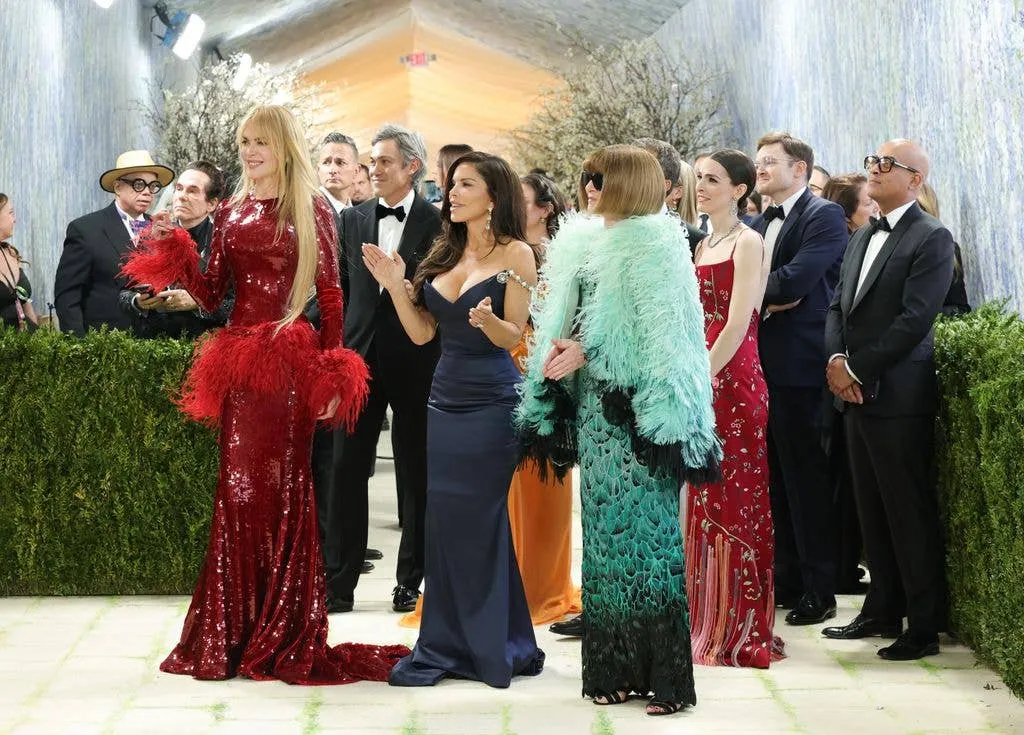
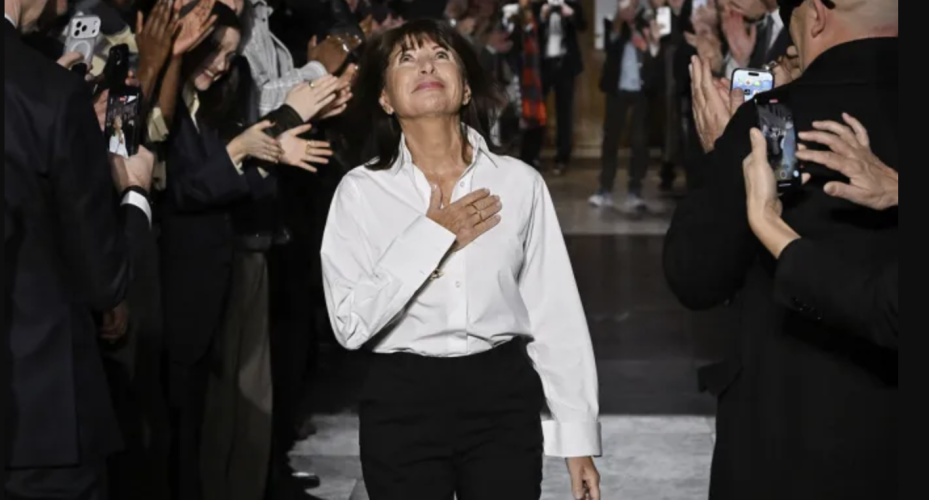
Image: Anna danced beside co-chairs Nicole Kidman and Lauren Sánchez
The theme became content.
And content became culture.
Why the Met Gala Matters to Luxury Brands
Luxury brands do not invest millions into the Met Gala simply for publicity — they invest because the event offers a rare form of cultural positioning that traditional advertising cannot replicate. The Met Gala allows fashion houses to associate themselves with exclusivity, artistry, celebrity influence, internet relevance, status signaling, and aspirational identity, while a single successful appearance can generate viral TikTok videos, millions of Instagram impressions, Google search spikes, magazine covers, influencer reposts, YouTube analysis videos, meme circulation, celebrity interviews, and even increased luxury resale demand.
In today’s digital economy, luxury is no longer built through craftsmanship alone; it is built through conversation, and the Met Gala remains one of the most powerful conversation-generating platforms in the world.
The Business Behind the Met Gala
The Met Gala functions less like a traditional fashion event and more like a luxury attention marketplace where fashion houses sponsor celebrities, celebrities become walking marketing campaigns, media companies generate headlines, and social media users amplify the content across every platform imaginable. The result is extraordinary visibility and massive Media Impact Value, with a single successful Met Gala look often generating more cultural relevance and internet engagement than months of conventional advertising ever could.
Unlike traditional ads, however, Met Gala engagement feels organic — audiences willingly participate by zooming into details, debating symbolism, ranking outfits, creating memes and reels, sharing screenshots, decoding references, and discussing craftsmanship, effectively turning the internet itself into the event’s most powerful distribution engine.
Met Gala 2026 Theme: “Fashion Is Art” Explained
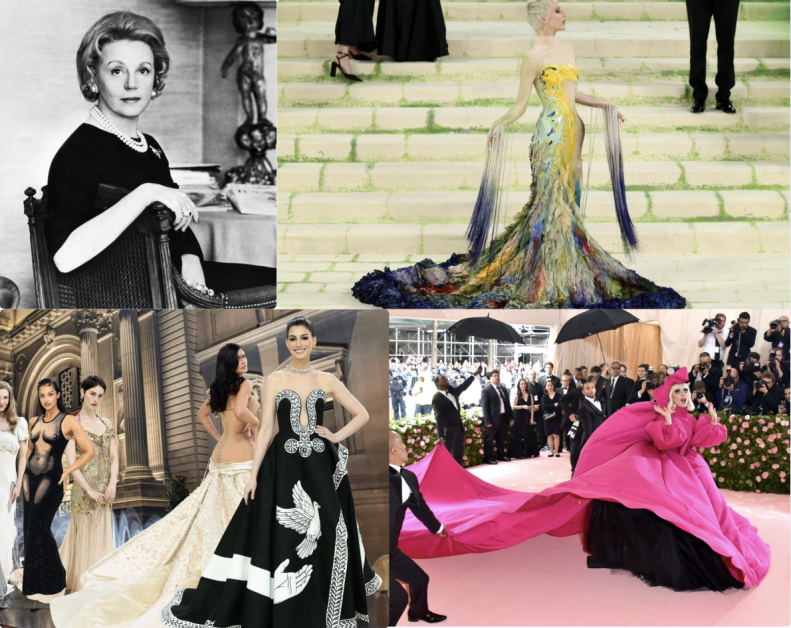
The Met Gala 2026 theme, “Fashion Is Art,” alongside the Costume Institute exhibition “Costume Art,” explored the relationship between fashion, sculpture, performance, visual storytelling, and artistic identity.
This year’s theme pushed attendees toward more conceptual fashion.
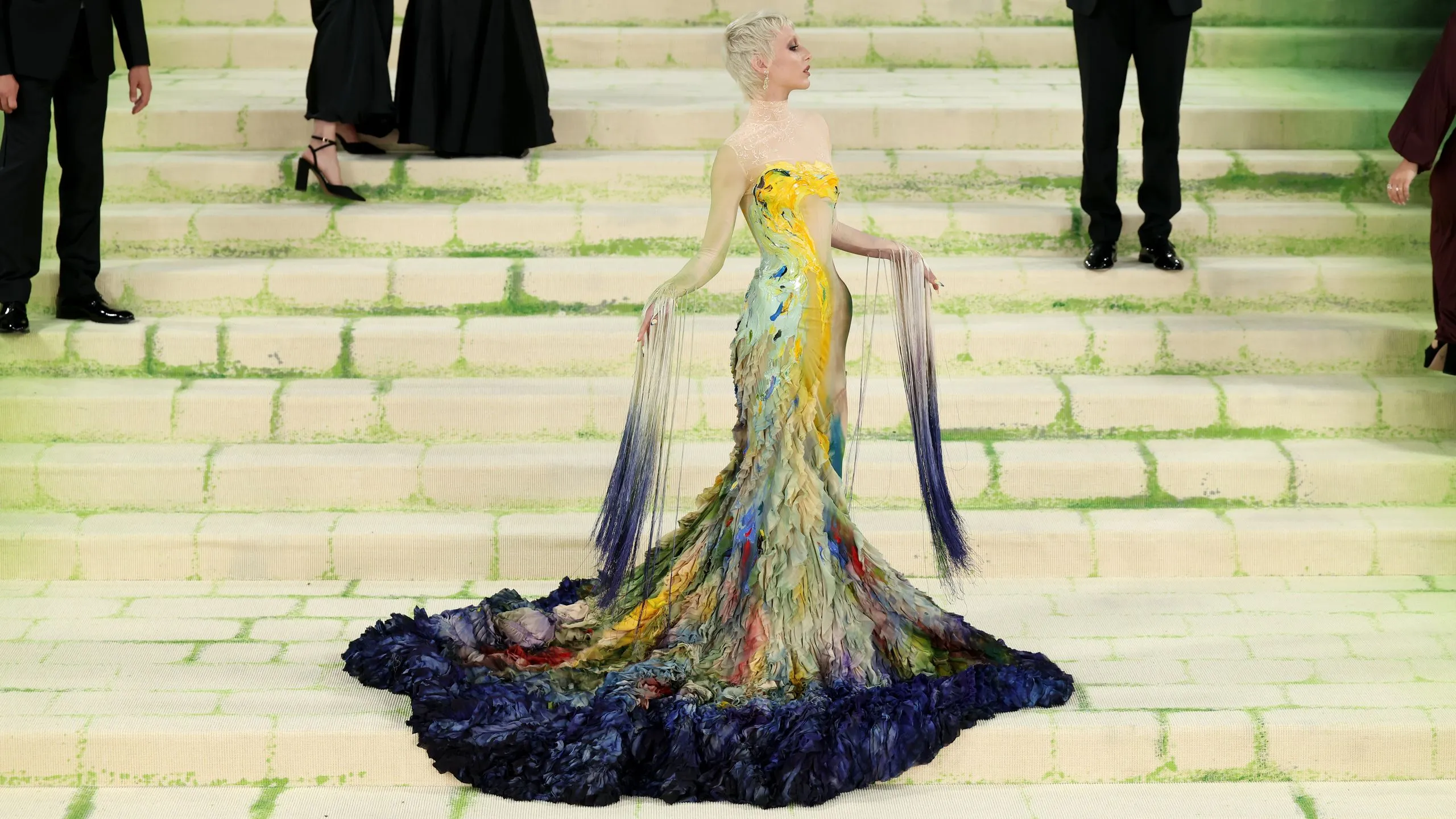
The red carpet became less about conventional glamour and more about interpretation.
Celebrities arrived wearing:
sculptural gowns
surreal silhouettes
museum-inspired couture
body paint
prosthetics
marble-inspired textures
artistic face coverings
exaggerated tailoring
Fashion moved closer to performance art.
Some viewers loved the experimentation.
Others thought it became overly theatrical.
But that tension is exactly what keeps the Met Gala culturally dominant.
People rarely remember safe fashion.
They remember discussion.
Why Met Gala Fashion Is Designed for Social Media
One of the biggest transformations in modern fashion is that outfits are no longer designed solely for the red carpet — they are designed for the internet, and that distinction has completely changed how celebrity fashion operates. Today’s Met Gala looks are engineered for TikTok edits, screenshots, close-up zooms, reaction videos, memes, Instagram reels, YouTube breakdowns, Twitter discourse, and those inevitable “wait, what is that?” moments that dominate social feeds for days.
The most successful outfits are not always the most traditionally beautiful; they are the ones impossible to ignore, the looks remembered not for the entire ensemble but for one unforgettable detail — the metallic mask, the giant train, the sculptural headpiece, the mango-shaped bag, the exaggerated silhouette, or the strange accessory everyone kept discussing online.
This is algorithmic fashion, where luxury brands no longer compete only for prestige or craftsmanship, but for the most valuable commodity in the digital era: pause time.
Best Viral Moments From the Met Gala 2026

One of the most searched moments from Met Gala 2026 was Beyoncé’s return after years away from the event. Her appearance instantly dominated Google Trends, fashion media, and social media conversations reported themagbase.com
Fans analyzed everything:
the symbolism
the styling
the references
the timing
the possibility of future music announcements
This demonstrates the power of celebrity branding.
Sometimes a celebrity appearance itself becomes a global marketing event.
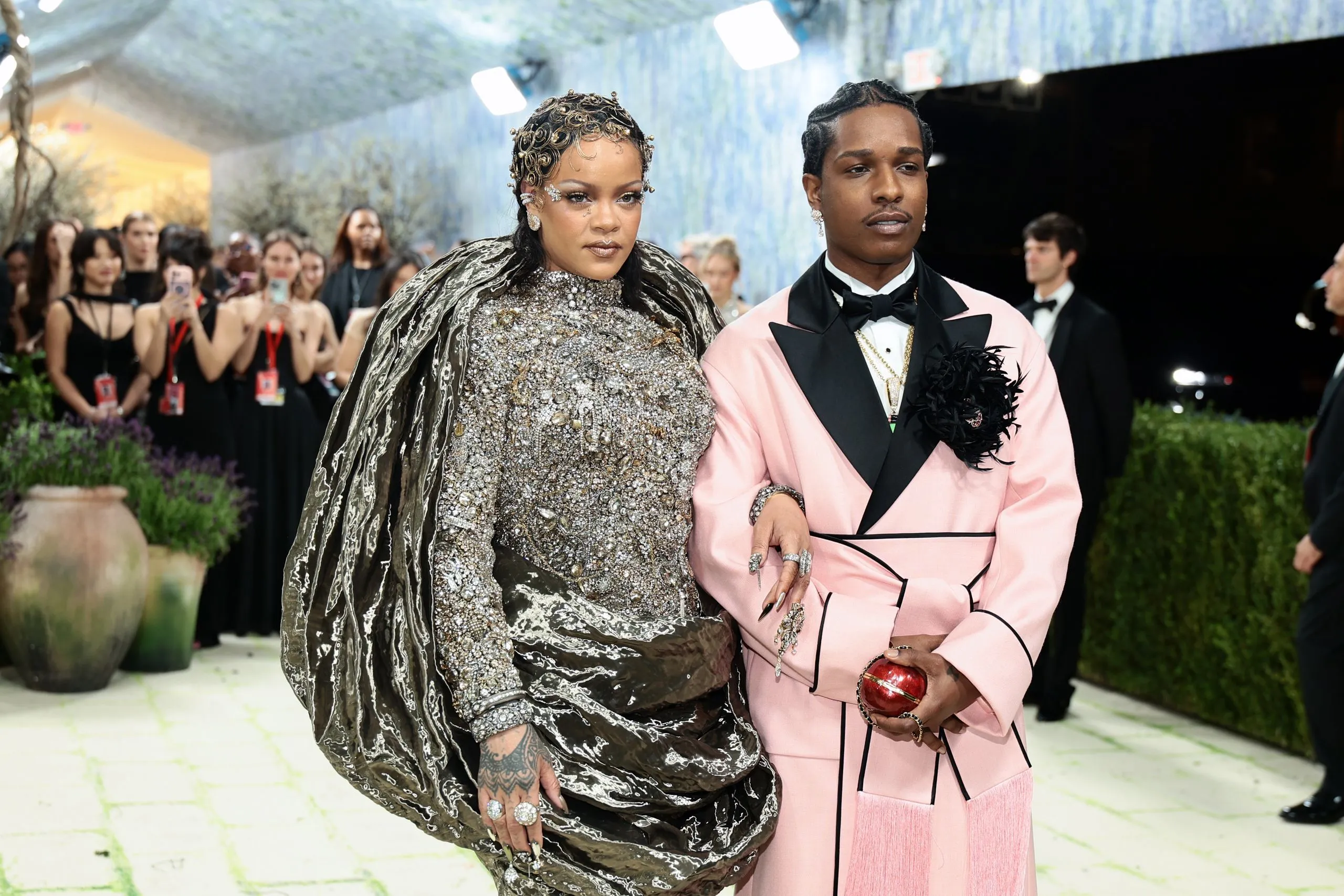
Rihanna and A$AP Rocky Continued Their Fashion Dominance
Rihanna and A$AP Rocky once again delivered one of the night’s defining visual moments. Their appearances consistently rank among the most discussed Met Gala celebrity looks because they understand how to combine storytelling, styling, confidence, and internet culture into one cohesive brand image as written by vogue.com
Sculptural Fashion Became the Biggest Trend
One of the biggest fashion trends from Met Gala 2026 was sculptural couture.
This included:
statue-inspired silhouettes
body-based art
architectural tailoring
prosthetic styling
surreal makeup
museum-inspired textures
Fashion increasingly resembled installation art.
And social media loved it.
The Internet’s Funniest Reactions and Met Gala Memes
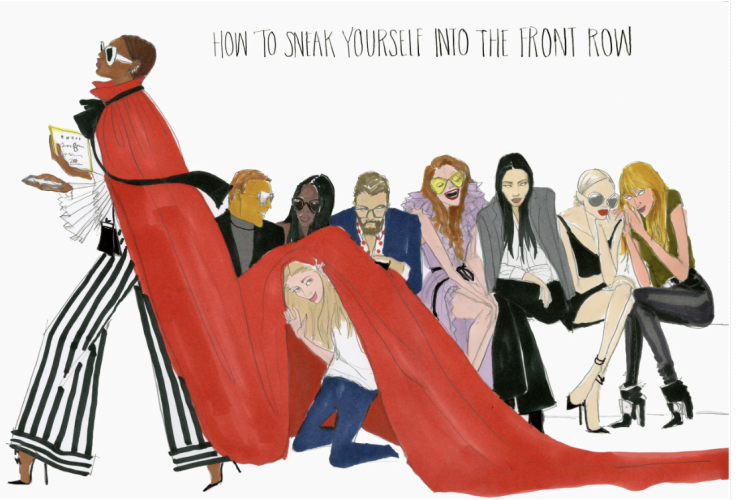
Within minutes of the Met Gala red carpet going live, social media transformed the event into a global meme factory, with users comparing celebrity outfits to Renaissance paintings, fantasy villains, AI-generated couture, chess pieces, museum statues, futuristic robots, and iconic movie characters. Some of the funniest viral moments came from oversized silhouettes, impossible-to-walk gowns, dramatic face masks, artistic body paint, and giant capes that required entire teams of assistants just to navigate the museum stairs.

The internet now reacts to the Met Gala almost like a live sporting event — dissecting, debating, ranking, and remixing every look in real time — and ironically, those memes only increase the event’s marketing value. The Met Gala understands something many luxury brands still struggle to accept: in today’s attention economy, being culturally discussed matters far more than being universally admired.
Most Controversial Looks at the Met Gala 2026
Every Met Gala generates controversy.

Teyana Taylor, Hudson Williams, Heidi Klum, and Connor Storrie attend the 2026 Met Gala. Dimitrios Kambouris/Getty Images for The Met Museum/Vogue
And controversy fuels engagement.
This year, online discussions focused on:
celebrities ignoring the theme
excessive shock value
overly theatrical styling
“fashion over substance” criticism
debates about artistic meaning
Some critics argued that the “Fashion Is Art” concept occasionally became too performative and disconnected from emotional storytelling. (reddit.com)
Others believed the theatricality was exactly what made the event exciting.
The Met Gala survives because it creates debate.
Discussion is the product.
Indian Representation at the Met Gala 2026
One of the most significant narratives to emerge from the Met Gala 2026 was the rise of Indian fashion storytelling on the global luxury stage. Indian designers, heritage textiles, intricate embroidery traditions, and centuries-old craftsmanship received unprecedented international visibility, signaling a major shift in how Indian fashion is perceived worldwide.

For decades, Indian textiles were often categorized internationally as “traditional,” ceremonial, or occasion-specific, but today they are increasingly being recognized as contemporary luxury, global couture, artistic storytelling, cultural craftsmanship, and fashion innovation. More importantly, this year’s Met Gala proved that Indian textiles are no longer simply adapting themselves to global fashion trends — they are actively shaping the future of luxury fashion itself.
Isha Ambani’s Outfit and India’s Textile Storytelling
One of the most fascinating fashion conversations from the Met Gala 2026 centered around Isha Ambani’s pre-Met Gala appearance, an outfit that functioned almost like a visual map of India’s textile heritage. The ensemble brought together multiple regional crafts and embroidery traditions — from Banarasi brocade, Kantha, Paithani, Ajrakh, and Kanjeevaram influences to Parsi Gara, Ashavali work, and Maheshwari weaving — creating a silhouette that felt both deeply rooted in history and unmistakably contemporary.

What made the design remarkable was not just the craftsmanship itself, but the coexistence of different traditions, regions, and artisan communities unified within one modern couture narrative.
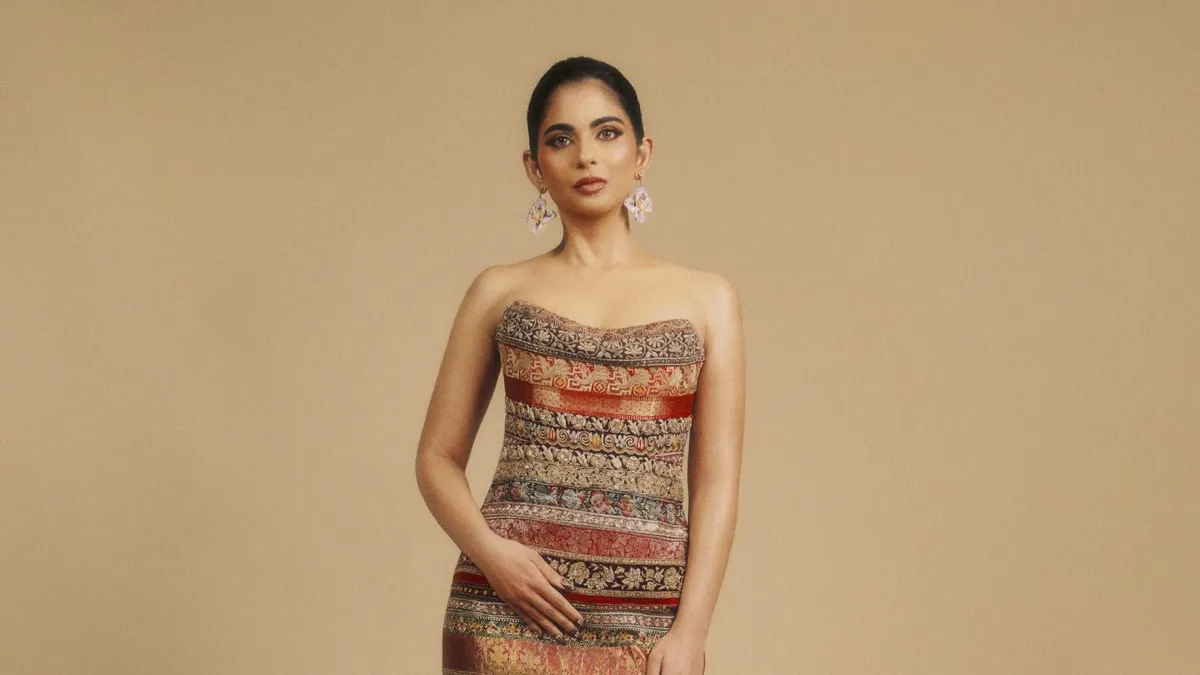
The garment became more than fashion; it became cultural storytelling translated perfectly for the internet era, where audiences zoomed into details, analyzed embroidery, shared screenshots, researched textile histories, and reposted craftsmanship references across social media. That is modern luxury visibility — fashion that succeeds not only because it is admired, but because it invites participation.
Ananya Birla’s Viral Mask Moment
Ananya Birla’s Met Gala appearance became one of the most talked-about celebrity fashion moments because of her dramatic metallic mask and couture styling. The look sparked widespread online debate because it balanced familiarity with discomfort — a combination that often drives internet virality as reported in timesofindia.indiatimes.com
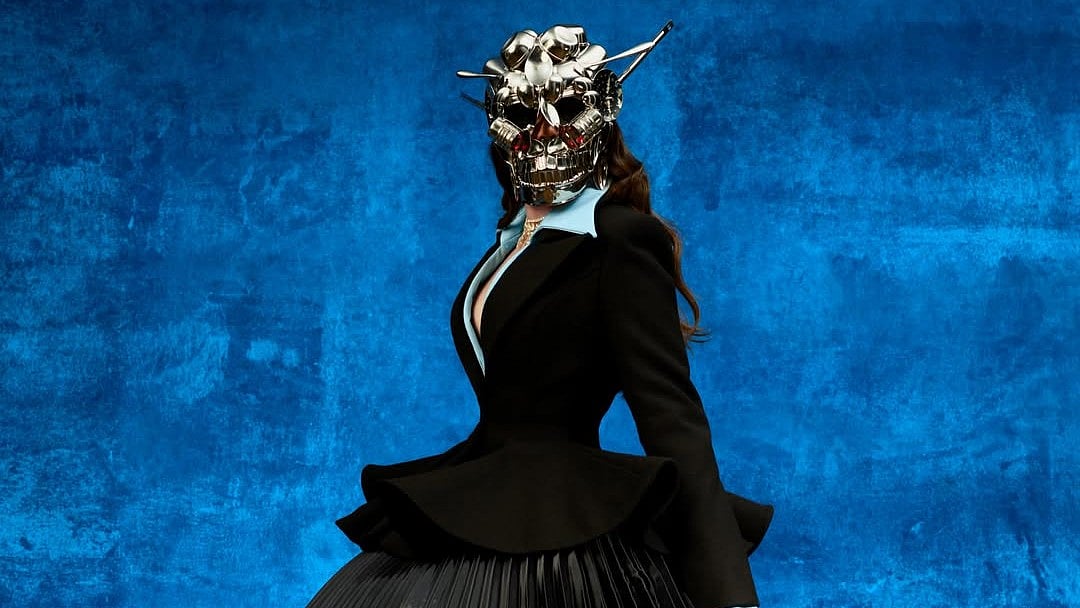
People may not always love a look.
But if they cannot scroll past it, the fashion has already succeeded.
Top Fashion Trends From the Met Gala 2026
Several major fashion trends emerged from this year’s event:
1. Sculptural Couture
Architectural silhouettes dominated the red carpet.
2. Museum-Inspired Fashion
Designers embraced textures and visual references inspired by paintings, sculptures, and historical art.
3. Metallic Styling
Chrome fabrics, silver textures, reflective surfaces, and futuristic metallic designs appeared repeatedly.
4. Theatrical Face Accessories
Masks, veils, facial structures, and dramatic headpieces became major conversation points.
5. Textile Storytelling
Fashion increasingly emphasized craftsmanship, embroidery, heritage weaving, and cultural narratives.
Celebrity Branding and Consumer Psychology
The Met Gala works so powerfully because it combines several deep psychological triggers that shape how people engage with culture, fashion, and celebrity. At its core is aspiration — the human attraction toward exclusivity, luxury, and status — but the event also thrives on storytelling, because people remember narratives and symbolism far more than products alone.
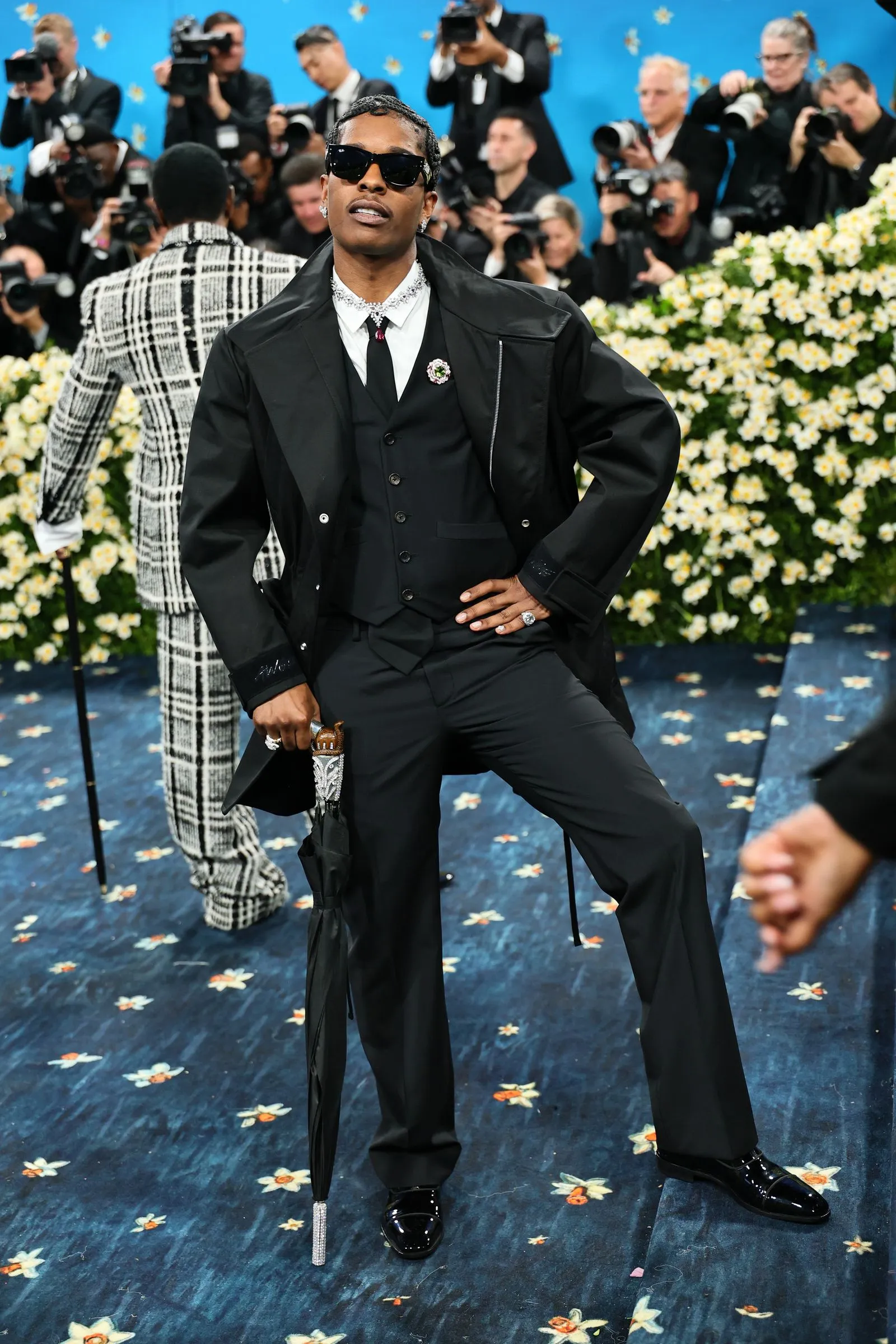
Fashion at the Met Gala becomes a form of identity projection, allowing celebrities and luxury brands to communicate wealth, rebellion, artistry, confidence, individuality, and cultural alignment through a single visual moment. At the same time, the spectacle of dramatic transformations, oversized couture, theatrical styling, and artistic scale captures public fascination, while the internet transforms audiences from passive viewers into active participants.
Today, people don’t just watch the Met Gala — they become critics, stylists, meme creators, commentators, and analysts, collectively shaping the conversation in real time. That participation is what gives the Met Gala its extraordinary cultural power and makes it one of the most influential events in modern internet culture.
Key Improvements Compared to Previous Years
1. Stronger Artistic Interpretation
Compared to recent years, Met Gala 2026 embraced more conceptual storytelling and artistic experimentation.
2. Better Focus on Craftsmanship
Online fashion communities praised the renewed emphasis on tailoring, embroidery, construction, and couture detail. Source: reddit.com
3. Increased Global Representation
Indian fashion, Asian storytelling, and non-Western luxury traditions received stronger visibility this year.

That global expansion reflects the changing future of luxury fashion.
Downgrades Compared to Previous Years
1. Theme Confusion
Some celebrities appeared disconnected from the “Fashion Is Art” concept, leading to criticism online.
2. Over-Reliance on Shock Value
Critics argued that some outfits felt engineered primarily for screenshots and memes rather than meaningful storytelling.
3. Social Media Over-Optimization
The Met Gala increasingly risks becoming overly optimized for internet virality.
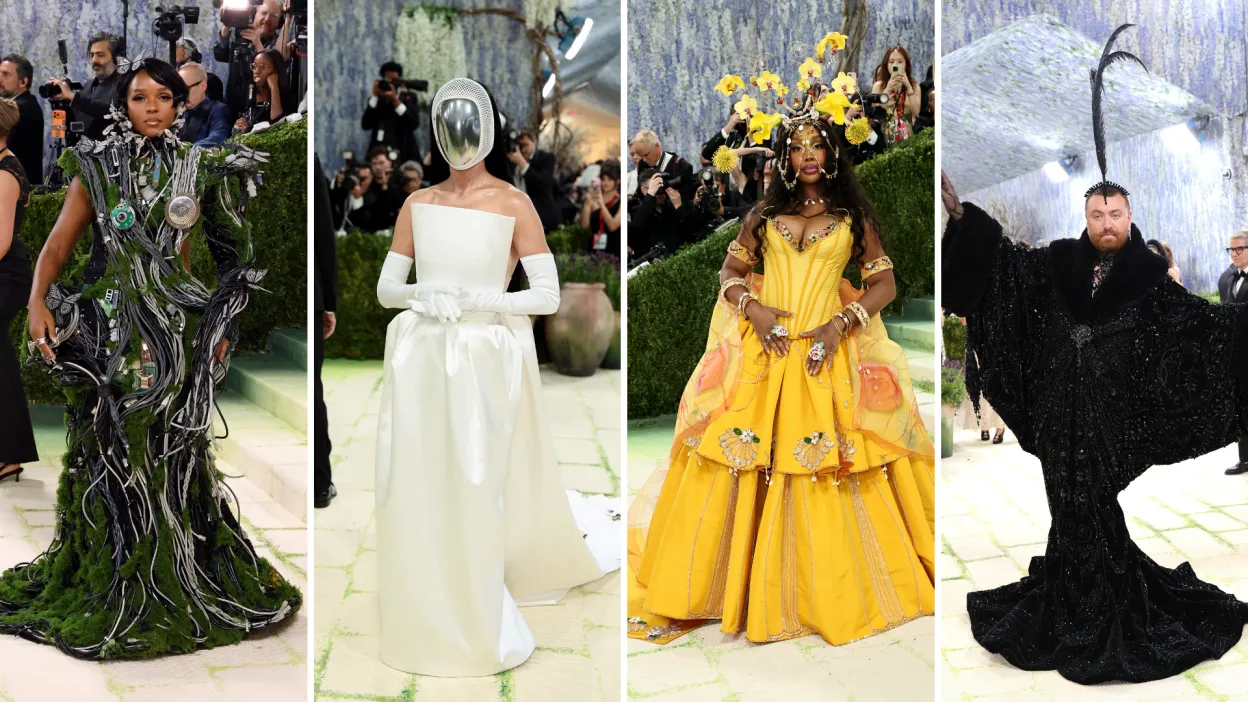
When every outfit tries to become a meme, authenticity becomes harder to preserve.
Why the Met Gala Influences Global Fashion Trends
The Met Gala shapes far more than celebrity fashion — it influences luxury branding, beauty trends, internet aesthetics, TikTok fashion, celebrity marketing, cultural storytelling, visual identity, fashion retail trends, and even consumer psychology itself.
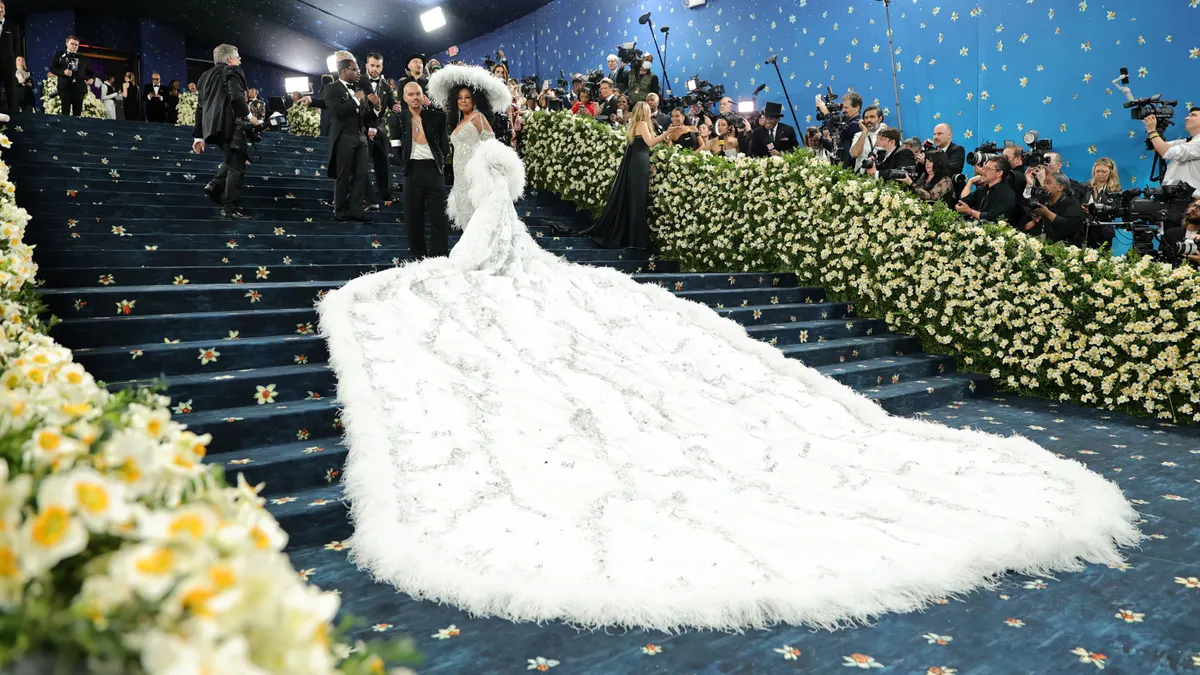
Evan Ross (L) and Diana Ross (R) attend the 2025 Met Gala Celebrating “Superfine: Tailoring Black Style” at Metropolitan Museum of Art on May 05, 2025 in New York City. Getty Images
Every year, the event helps determine what becomes aspirational, what goes viral, what enters mainstream cultural conversation, and ultimately what becomes commercially valuable in the global attention economy. Increasingly, the Met Gala also plays a powerful role in deciding which cultures, crafts, textile traditions, and artistic narratives receive international visibility and recognition.
That is why the Met Gala matters far beyond the red carpet; it is not simply about outfits, but about visibility, representation, narrative power, and the monetization of culture in the digital age.
Also Read Jean Paul Gaultier: Inside the Legacy, Business, and 2026 Met Gala Reviva
Frequently Asked Questions About the Met Gala
1. Why is the Met Gala so important?
The Met Gala combines celebrity influence, luxury branding, fashion storytelling, internet culture, and media visibility into one global event.
2. Why do brands spend millions on the Met Gala?
Because the event generates massive visibility, cultural relevance, and social media engagement that traditional advertising often cannot replicate.
3. Why do Met Gala outfits go viral?
Modern Met Gala fashion is intentionally designed for social media platforms like TikTok, Instagram, and YouTube.
4. What was the biggest trend at the Met Gala 2026?
Sculptural couture, artistic silhouettes, theatrical styling, and textile storytelling dominated this year’s event.
5. Why was Isha Ambani’s outfit significant?
Her look highlighted multiple Indian textile traditions within one contemporary couture silhouette, bringing global attention to Indian craftsmanship and heritage weaving.
Final Thoughts
The Met Gala began as a museum fundraiser, but today it operates as one of the most powerful cultural marketing platforms in the world, merging celebrity influence, internet virality, luxury branding, storytelling, fashion psychology, social media culture, craftsmanship, aspiration, and digital engagement into one global spectacle. More than just a red carpet event, the Met Gala reflects a fundamental truth about modern culture: attention has become the ultimate luxury. A dress is no longer simply a piece of fashion — it can simultaneously become a meme, a headline, a viral reel, a marketing campaign, a political statement, a luxury investment, a cultural archive, an internet obsession, and a symbol of identity. That is why the Met Gala continues to dominate global conversation year after year, not because people care only about fashion, but because the event has mastered the business of making culture impossible to ignore.
By Thounaojam Tommy- Editor TrendBrewers