
Simone Tata — The Woman Who Brought Lakmé Glamour & Westside Style to India
A tribute to Simone Tata, the Swiss-born pioneer behind Lakmé and Westside, who redefined beauty and fashion for modern Indian women.
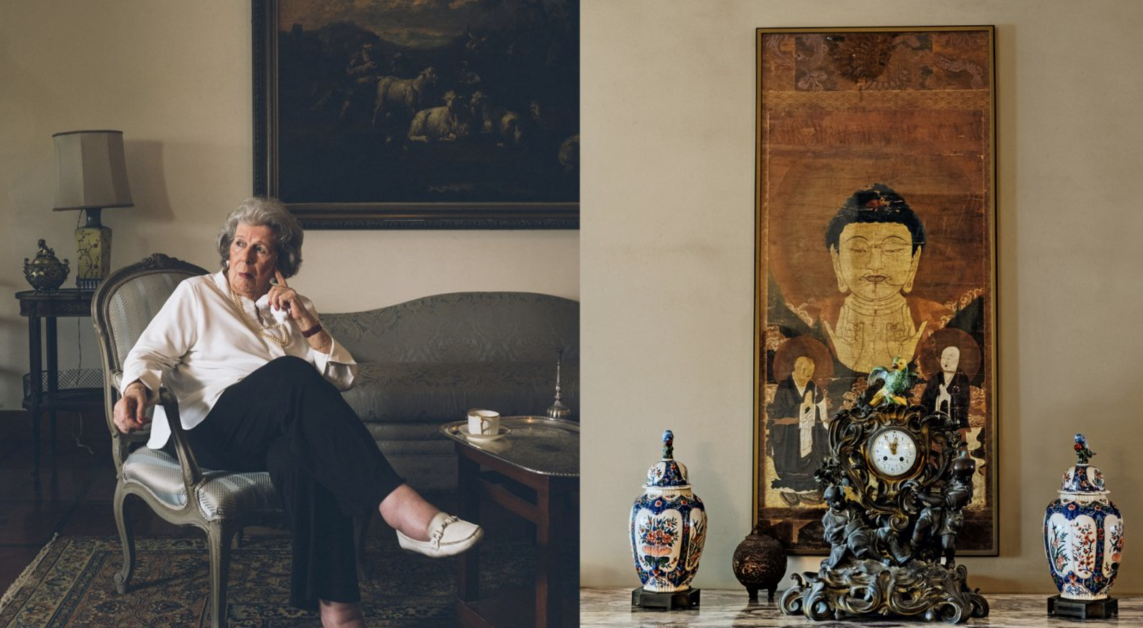
A Life That Crossed Continents — From Geneva to Mumbai
Born as Simone Naval Dunoyer in Geneva in 1930, Simone’s early life was shaped in the genteel corridors of French-Swiss society.
Her first trip to India came in 1953 as a tourist. It was during this visit she met Naval H. Tata, scion of the famed industrialist family — and two years later, in 1955, she married him and made Mumbai her home.
What could have been a quiet life, blending into the fabric of one of India’s most prestigious families, instead turned into a defining chapter not just for her — but for generations of Indian women.
The Dawn of Beauty for Indian Women: Turning Up the Volume at Lakmé
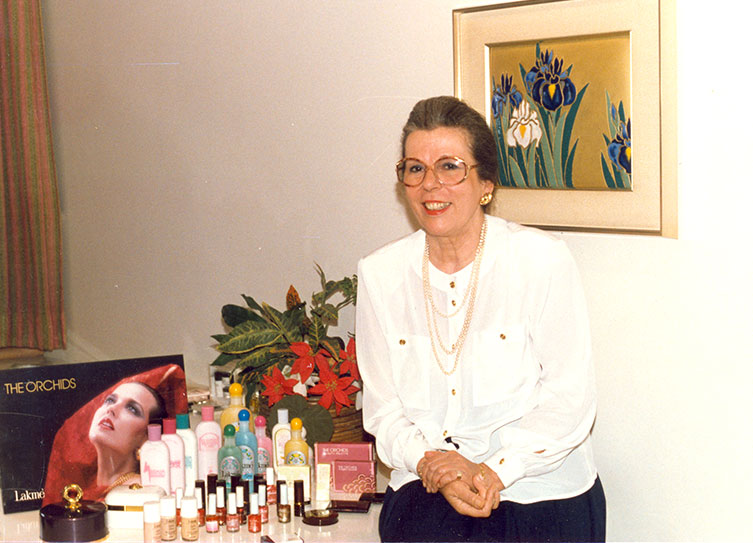
When Simone joined the board of Lakmé in the early 1960s, cosmetics in India were minimal: talcum powders, cold creams, and nail color — and even these carried social stigma for many women.
But Simone saw beyond taboos. She believed that “beauty should be every woman’s right”, not a luxury reserved for the elite or the Westernised.
Taking over as chairperson of Lakmé in 1982, she began a transformation. Under her leadership, Lakmé evolved from a small subsidiary to India’s most trusted cosmetic brand.
/english-betterindia/media/post_attachments/uploads/2020/12/lakme-vintage-ads-1.jpg)
Making Cosmetics Indian — Not Imitations
One of her most visionary moves was to tailor products specifically for Indian skin tones — adapting Western beauty trends, but softening and reshaping them to feel homegrown, aspirational, and accessible.
She also initiated bold marketing campaigns that challenged entrenched social stigmas. Iconic ads from the early 1980s — featuring Indian women confidently wearing makeup — sent a radical message: “There is nothing un-Indian about elegance and self-expression.”
As one observer summed up decades later: Simone “reshaped how middle-class Indians thought about beauty.”
By the 1990s, Lakmé had become ubiquitous — a household name across India and a trusted companion to generations of women embracing modernity while staying rooted in Indian identity.
From Makeup to Wardrobe: Birth of Modern Indian Retail with Westside

In 1996, the world of Lakmé evolved further. The cosmetics business of Lakmé was merged with Hindustan Unilever (HUL) in a joint venture — a strategic move to give the brand global distribution muscle and hygiene in supply-chain and marketing.
By 1998, the Tata Group exited the joint venture. But Simone Tata did not retreat. Instead, she seized the moment: using the proceeds, she acquired the Bengaluru store of a foreign retail chain and combined it with Lakmé’s export business to form Trent Ltd..
Under Trent, the fashion label Westside was born. Over the next decade, Westside flourished into one of India’s most cherished department store chains — thanks to an ethos very much shaped by Simone: accessible sophistication, modern sensibilities, and a subtle nod to global trends without losing Indian soul.
Simone remained the non-executive chairperson of Trent until her retirement in 2006 — shepherding the company through a formative era when organised retail was still nascent in India.
Thus, she didn’t just build a cosmetics brand; she laid the foundation for modern retail fashion in India, changing the way Indian consumers shopped for clothes — from occasional saree purchases to ready-to-wear ensembles, seasonal collections, and style statements.
Philosophy & Style: What Simone Believed — Elegance, Identity, Empowerment
Simone’s journey shows a rare combination of Western polish and deep respect for Indian culture.
• She believed beauty and elegance were not Western imports, but universal aspirations that deserved Indian expression. Beauty, for her, was an extension of dignity.
• She understood that for cosmetics (or fashion) to succeed in India, they needed to respect local sensibilities — skin tones, modesty, social norms — while gently pushing boundaries.
• She saw empowerment: makeup and fashion were not frivolities, but tools for confidence, self-expression, and social transformation.
Her retail and beauty empire — Lakmé, Westside/Trent — reflect this dual sensibility: global outlook + Indian roots. Sophistication without pretension; modernity without alienation.
Legacy & Influence — A Quiet Revolution That Resonates Even Today
When Simone Tata passed away at 95 at Mumbai’s Breach Candy Hospital, the business world felt the end of an era.
She is widely remembered as the “matriarch of Indian beauty” — the woman who made cosmetics acceptable, aspirational, and Indian.
Her legacy lives on in:
• The shelves of every Indian drugstore or salon bearing Lakmé products — once a radical idea, now a commonplace comfort.
• The ever-bustling stores of Westside, offering fashion that is affordable, modern yet rooted, accessible, and aspirational.
• A generation of Indian women who today take makeup, style, and self-presentation as part of daily life rather than taboo.
• A broader retail and beauty industry in India that owes a major chunk of its shaping to the path she laid.
• As one contemporary business leader said: Simone Tata’s “acumen and courage defined an era” and “will remain etched in history forever.”
A Personal Bond with Broader Bearings — Simone & Ratan’s Family Dynamic
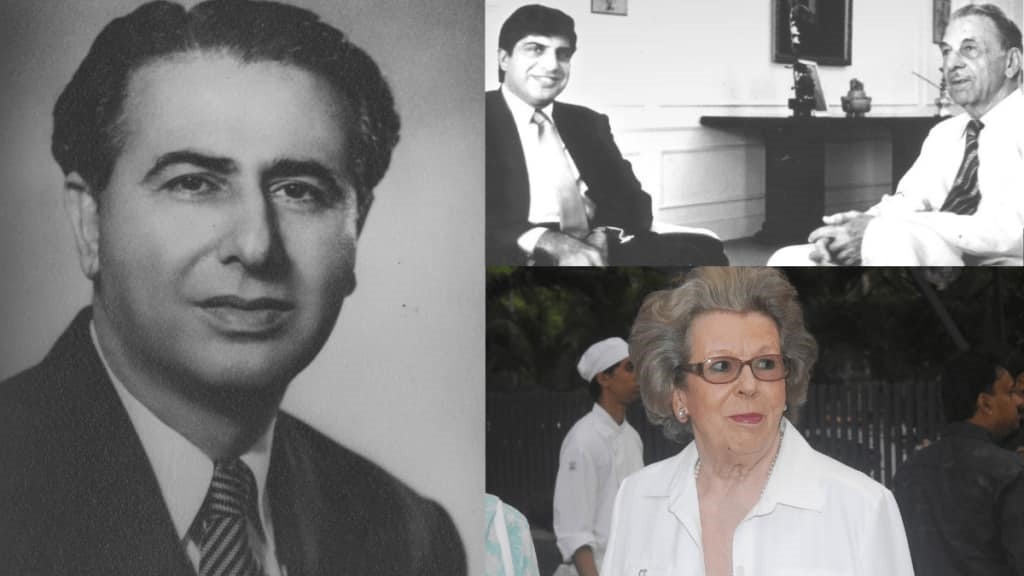
• When Simone Tata married Naval H. Tata in 1955, she became the step-mother to Ratan — who was already part of the family.
• According to biographical accounts, while Ratan’s early upbringing (after his parents’ separation) was shaped by his grandmother and other guardians, Simone’s arrival added a new parental figure and influence in his life.
• Though much of Ratan’s business education and early career came through his work at Tata Steel (he joined in 1962), that family environment — including the presence of a poised, entrepreneurial, internationally-rooted woman like Simone — may have contributed to broadening his worldview, especially regarding global sensibilities and the importance of elegance, retail, and international standards.
Subtle Influence — Values, Vision, and Business Ethos
a. Simone was known for bringing global aesthetics and a refined sense of taste to her work — shaping homegrown brands that combined Indian sensibilities with international sophistication (in cosmetics and retail).
b. That kind of global-meets-local thinking — valuing international quality while respecting Indian identity — resonates with how Ratan Tata later led Tata Group: expanding globally (acquisitions, international presence) while preserving the group’s Indian-rooted values.
Moreover, Simone’s success in transforming a nascent cosmetics subsidiary into a leading Indian brand — and then pivoting strategically into retail with the creation of Westside under Trent Ltd. — demonstrated entrepreneurial courage, business acumen, and patience over decades. Those same virtues — perhaps subtly reinforced at home — align with the leadership style Ratan exhibited when he steered Tata Group through liberalization and global expansion in the 1990s and 2000s.
Family, Legacy — And a Quiet Continuity
• Even though Ratan Tata built his own path — joining Tata Steel, gradually climbing up, and becoming Chairman of Tata Sons in 1991 — having a step-mother like Simone, deeply invested in consumer businesses rather than traditional heavy-industry, perhaps broadened the family’s internal perspective on what “enterprise” could mean. It’s telling that the Tata Group, over time, diversified far beyond steel/industry into retail, services and global brands.
• Simone’s own focus on philanthropy, through institutions like the Sir Ratan Tata Institute and other charitable engagements, also echoed the larger Tata value system — combining commerce with compassion. That could have reinforced in Ratan a sense of responsibility toward social impact alongside business growth.
In Silence, She Changed the Face of a Nation

Simone Tata did not chase headlines. She didn’t thrive on flamboyance. She didn’t demand applause.
But slowly — decade after decade — she re-imagined what it meant to be beautiful and stylish in India. She turned cosmetics from taboo to acceptable; she turned fashion from rare purchase to lifestyle; she turned the modest dreams of Indian women into a marketplace and a movement.
In that quiet, steadfast way lies the true essence of her legacy — subtle, sophisticated, and deeply transformative.
In her passing, we do not just mourn a business icon — we honor a cultural pioneer. And the shelves of Lakmé, the fitting rooms of Westside, the wardrobes and makeup kits of millions — all whisper a simple tribute: thank you, Simone Tata.
By [Tommy Thounaojam] Editor TrendBrewers