
12 Fashion Stories from 2025 That Actually Mattered
A roundup of the 12 biggest fashion stories and trends of 2025 — from AI-driven tailoring and solar jackets to the vintage resale boom, creative-director shakeups, and new smart-fiber innovations.
When Fashion Went Practical, Techy, and (Finally) Sustainable
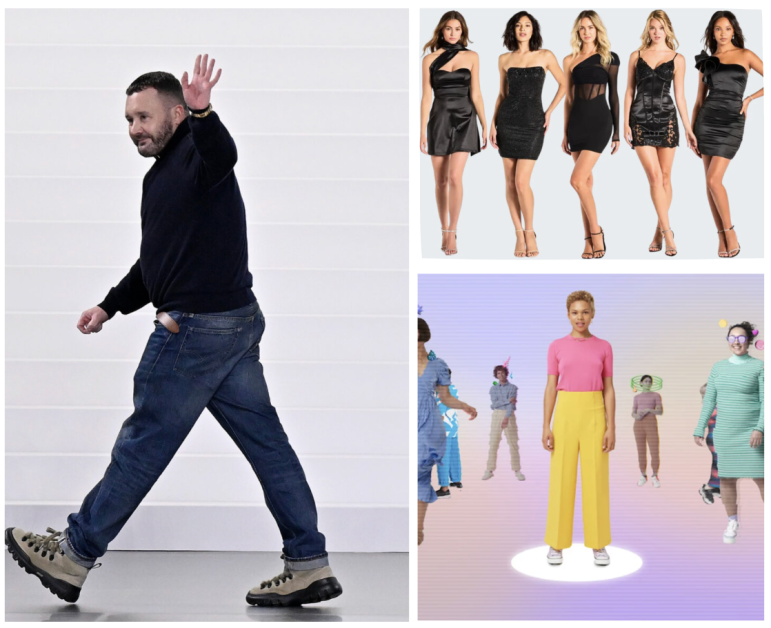
2025 wasn’t just another season of looks and glamour — it was a season of turnarounds. Tech entered ateliers, sustainability moved from manifesto to measurable practice, and old clothes got new value. Designers, startups, and heritage houses all shifted toward longevity, customization, and tech-enabled creativity. The result? A fashion landscape that felt unexpectedly useful — and interesting.
1) AI tailoring moved from lab demos to commercial rollouts
What happened: Multiple companies and brands rolled out AI tools to speed up bespoke fit, digital sampling and 3-D try-ons in 2025. Examples include AI design and fit platforms (commercial tools like Fermat and other generative / virtual-fitting toolkits) and brands demonstrating AI-powered tailoring at trade shows (reports from fashion forums and IFF/industry press). These systems combine 3-D body scans, fit-prediction models and automated pattern generation to cut sampling cycles and returns.

Why it matters: Faster fit = fewer returns, less waste, and a consumer expectation for truly personalized ready-to-wear. The tech also reduces production cycles and sample costs, which can shift how collections are made.
2) Paris/major fashion weeks pushed bigger sustainability commitments (brand-level carbon innovations, not a single “carbon-negative” PFW)
What happened: Rather than a single, official “carbon-negative Paris Fashion Week,” 2025 saw major houses and partners showcase deeper sustainability programs at Paris and other fashion weeks — e.g., Stella McCartney’s ongoing material innovations and partnerships (and major tech companies like Epson showing sustainable printing and re-fiberisation processes). Several runway shows highlighted low-impact production, biodegradable materials and carbon-reduction programs; some product launches (e.g., carbon-negative components in footwear collaborations) were also publicised.

Why it matters: The important shift is collective and operational: big brands are moving from pledges to concrete material and process innovations showcased on the runway, which pressures the rest of the industry to adapt.
3) Thermochromic / hydrochromic (color-changing) and other “responsive” fabrics gained real R&D traction
What happened: Research papers and suppliers documented improved thermochromic/hydrochromic textiles capable of reversible color changes tied to temperature and moisture; manufacturers and sample garments appeared in trade shows and online demos. The academic literature (late-2024/2025) and textile suppliers show dual-responsive materials now feasible for limited fashion runs and sportswear.

Why it matters: These fabrics move novelty into usable products (interactive activewear, safety gear, expressive streetwear) and point to the next wave of functional fashion.
4) Vintage & resale accelerated — 90s/2000s nostalgia powered a resale spike
What happened: Resale and vintage search interest and sales rose in 2025; editorial coverage and Year-in-Search data picked up spikes in specific vintage items. Platforms and labels leaned into 90s/2000s pieces; search and resale marketplace reporting shows continued growth for second-hand fashion.

Why it matters: Circular consumption is becoming mainstream: consumers increasingly prefer reused, authentic pieces — which reduces new production and reshapes brand strategies.
5) Oversized "maxi" bags were an actual runway and retail trend — Verified
What happened: Designers from multiple houses included large, structured totes and “maxi” silhouettes in SS/FW 2025 collections; retailers and street coverage confirmed the oversized-bag comeback. Luxury houses and fast fashion both released large carryall options.
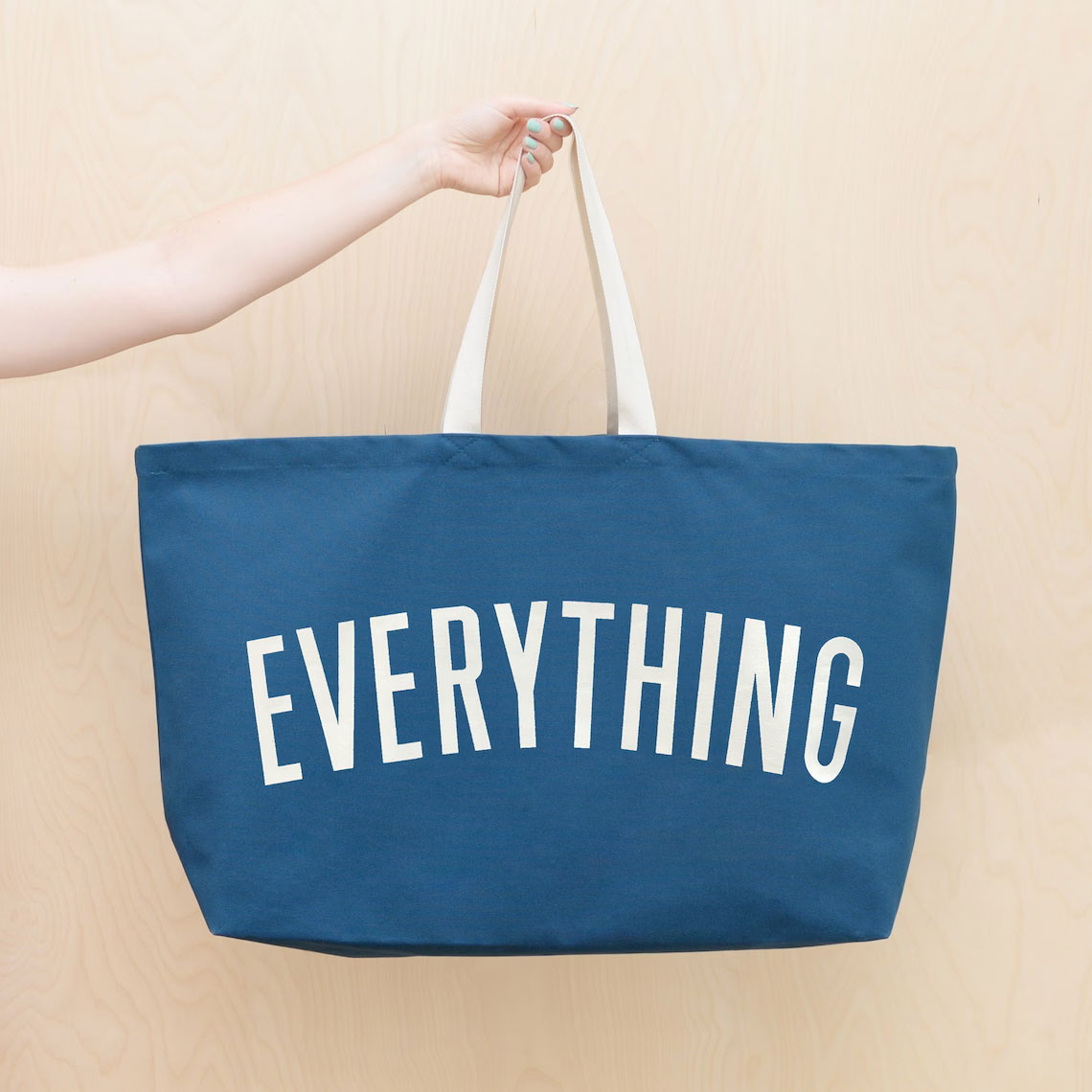
Why it matters: The trend signaled a practical design turn — style that accommodates work-from-anywhere life, travel and multi-device urban living.
6) Creative-director shakeups continued — Kim Jones left Dior Men in 2025
What happened: 2025 had notable creative leadership changes across houses. Kim Jones stepped down from his Dior Men role (reported Jan 31, 2025), and the industry saw a flurry of appointments and musical-chairs moves.
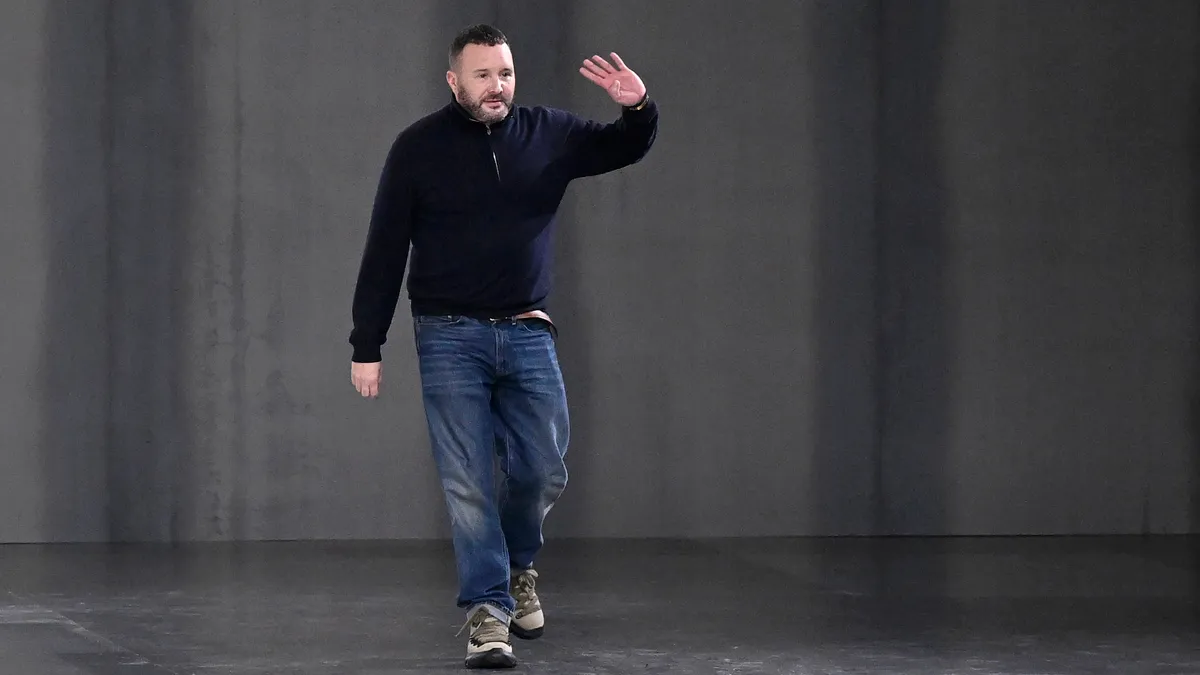
Why it matters: Leadership changes often rewrite brand identity and signal broader strategic resets — especially as houses react to new consumer ethics, digital strategies and sustainability expectations.
7) India’s textile scene pushed smart and sustainable fibers into view
What happened: India’s fashion and textile ecosystem showed stronger activity in tech-textiles and sustainable materials in 2025 — startups and trade shows (IFF, university showcases) highlighted biodegradable materials, mycelium leather experiments and smart textile projects. Specific Indian brands and startups exhibited at events showcasing sustainable and functional fibers.
Why it matters: India’s large manufacturing base plus new material R&D can reshape supply chains and give brands more sustainable sourcing options.
8) Generative AI moved from creative experiment to production tool
What happened: Brands and tool providers increasingly used generative AI for print and pattern development and for marketing visuals (platforms like Fermat, Raspberry AI and commercial design tools). The FT and industry outlets documented both creative use cases and backlash where AI-generated prints created controversy, proving the technology's growing role and ethical debate.

Why it matters: AI shortens design cycles and enables one-of-a-kind prints at scale — but also raises IP and creative-labor questions that the industry is actively grappling with.
9) Solar and energy-harvesting garments moved from proof-of-concept to trade-show demos
What happened: At CES, MWC and industry fairs in 2025, companies showcased solar-charging jackets and flexible PV textiles (Anker Solix, Vollebak and other prototypes). These were often presented as practical demos rather than mass-market products; the concept gained traction as brands experimented with perovskite/organic PV integration.
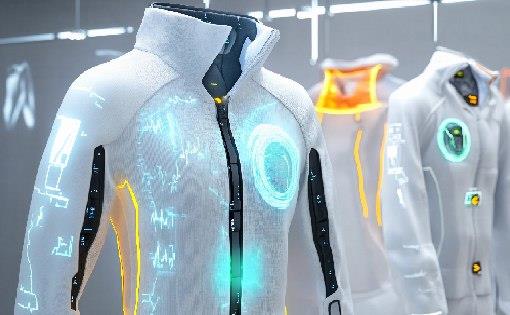
Why it matters: Wearable power generation addresses an everyday consumer need (phone charging) and ties fashion to sustainability & utility — even if commercial adoption remains cautious.
10) Luxury houses expanded repair, resale and “care” services
What happened: Brands and retailers scaled repair, refurbishment and resale programs (Patagonia’s Worn Wear is a longstanding example; many companies expanded mending, after-sales repair capacity). Luxury houses also promoted aftercare and repair services to extend product lifespans. Industry coverage frames these moves as business model shifts toward circularity.
Why it matters: Repair and resale lower lifetime carbon footprints of luxury goods and become a competitive brand differentiator as consumers demand value and longevity.
11) Black dress / minimalism resurgence — designers reinterpreted classics with sustainable materials — Verified trend
What happened: The “little black dress” remained a recurring motif in 2025 shows, often reworked with textured sustainable fabrics, sculptural cuts and low-impact dyes (design pieces and editorial roundups noted minimalist and quiet luxury tendencies across collections).

Why it matters: After years of maximalism and street spectacle, some designers doubled down on quiet craft and sustainability — a sign luxury consumers seek timeless value.
12) Phygital NFTs & fashion-blockchain projects reappeared — but with real perks
What happened: NFTs in fashion re-emerged not as speculative tokens but as “phygital” passes and membership tokens that grant owners real benefits (access to events, limited physical pieces, authentication). Vogue Business and industry trackers documented more sophisticated utility-focused NFT drops in 2024–2025.
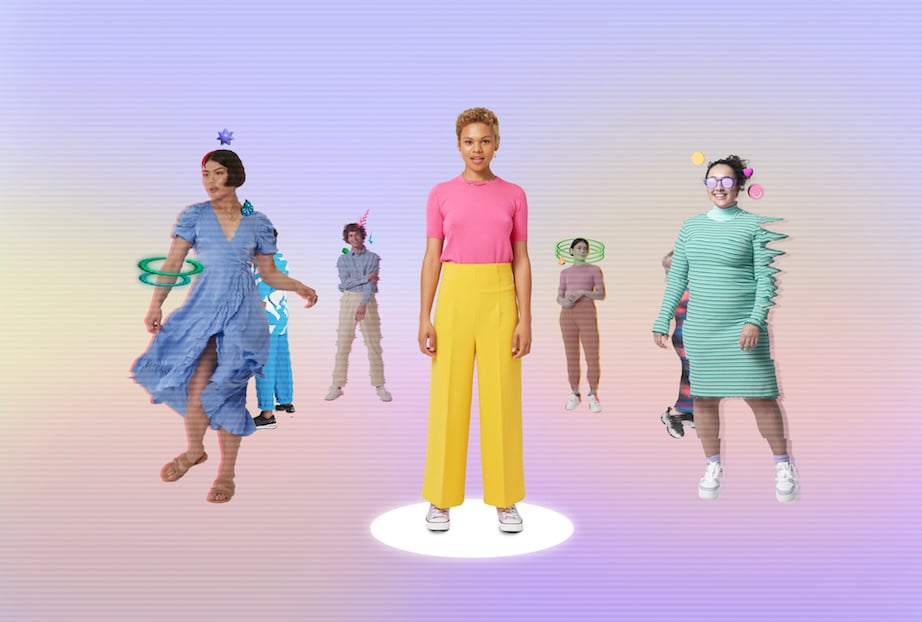
Why it matters: When NFTs include tangible value (access, product authentication), they shift from hype toward a durable business tool for community, provenance and loyalty.
Short Conclusion — What Changed, For Real
2025’s fashion news wasn’t built on single blockbuster stunts; it was a year of structural change: AI and generative tools entered workflows, material science produced practical smart fabrics, resale and repair became operational strategies, and wearable tech prototypes hinted at future utility. These shifts will shape how clothes are designed, bought and lived in for years to come.
By [Tommy Thounaojam] Editor Trendbrewers
_thumb_500px.webp)