
Predator Legacy: Arnold Schwarzenegger, New Movie Potential & Hulu’s Killers of Killers
Explore why Predator remains a sci-fi classic, Arnold Schwarzenegger’s iconic role, the potential for a new film, and what Hulu’s Killers of Killers and Badlands bring to fans.

Why Predator Remains a Sci-Fi Classic and How a New Film Can Live Up to Its Legacy
Since its release in 1987, Predator has become an iconic sci-fi action film that defined an era. Directed by John McTiernan and starring Arnold Schwarzenegger, this thrilling blend of suspense, action, and sci-fi horror set a new benchmark for the genre. Today, fans and critics alike wonder if a new Predator movie can capture the magic of the original — and what we can expect from Hulu’s new show Killers of Killers and the upcoming Badlands.
The Legacy of Predator: Director, Cast, and Arnold Schwarzenegger’s Iconic Role
Predator was directed by John McTiernan, who would soon be cemented as one of the defining action filmmakers of the era with Die Hard (1988). Even before that breakout success, McTiernan’s vision for Predator demonstrated a rare understanding of restraint. Rather than leaning solely into spectacle, he crafted the film as a slow-burning survival thriller disguised as a muscle-bound action movie. His use of the dense Central American jungle as a living, breathing presence was crucial — the environment is oppressive, disorienting, and hostile, reinforcing the idea that the characters are never truly in control. Trees, heat, mud, and shadow become weapons, turning the setting into an extension of the Predator’s hunting philosophy. This approach helped elevate the film beyond standard ’80s action fare into something closer to horror.
At the center of the film is Arnold Schwarzenegger’s portrayal of Major Alan “Dutch” Schaefer, a role that became one of the defining performances of his career. Dutch initially appears to be the ultimate expression of the era’s action hero — physically dominant, confident, and armed to the teeth. Yet what makes the role enduring is how that power is systematically dismantled. As his team is hunted and killed, Dutch is forced to adapt, relying not on brute force but on instinct, observation, and ingenuity. Schwarzenegger’s performance subtly shifts from command-and-control bravado to primal survival, underscoring one of the film’s key themes: strength alone is meaningless against a smarter predator. This evolution set Dutch apart from many contemporaneous action heroes and gave the film emotional weight that continues to resonate.
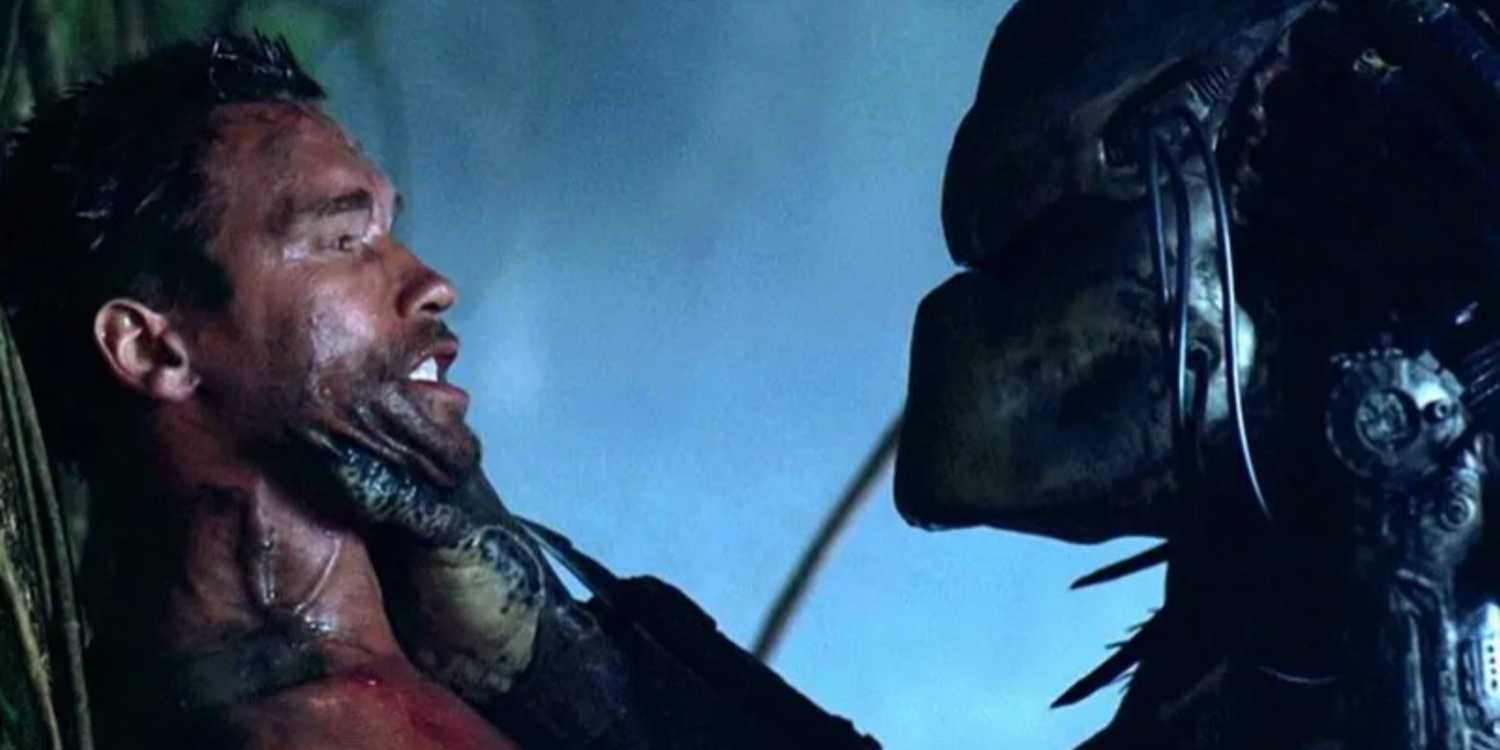
The supporting cast plays a vital role in grounding the film’s escalating tension. Carl Weathers brings charisma and moral ambiguity to Dillon, serving as both a mirror and a foil to Dutch. Jesse Ventura’s Blain adds swagger and dark humor, embodying the team’s initial sense of invincibility, while Bill Duke’s Mac delivers one of the film’s most emotionally raw performances, particularly in his grief-fueled descent after Blain’s death. Sonny Landham, Richard Chaves, and Shane Black round out the team with distinct personalities, making each loss feel personal rather than disposable. The chemistry among the cast sells the illusion of elite soldiers who trust one another completely — which makes their systematic dismantling by the Predator all the more unsettling.
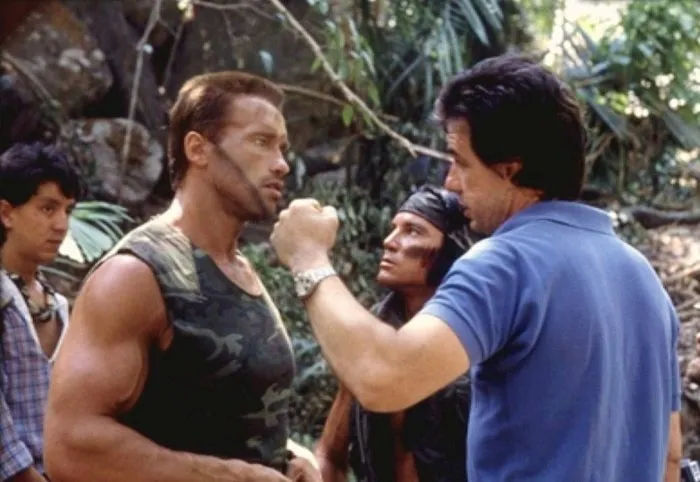
Together, McTiernan’s direction and the cast’s performances helped define what Predator ultimately became: a film that deconstructs the action genre from within. The legacy of Predator lies not just in its iconic creature design or quotable lines, but in how it challenged the fantasy of invulnerable heroes. In hindsight, this is why Arnold Schwarzenegger’s Dutch remains so iconic — he survives not because he is the strongest man in the jungle, but because he learns, adapts, and respects the rules of the hunt. That balance of intelligence, humility, and raw endurance is what turned Predator into a lasting classic and set a benchmark that later entries in the franchise have continually struggled — and sometimes failed — to match.
Why We Can Still Make a Predator Movie as Good as the Original
Rebooting or continuing Predator is a tall order, but it's achievable — here’s why:
Strong Source Material: The original combined mystery, horror, and high-stakes action in a way few films have matched. A new film that respects this balance can recapture that magic.
Advances in Technology: Modern visual effects and sound design can enhance the Predator creature and environment immersion without over-relying on CGI.
Fresh Storytelling: Contemporary themes like environmentalism, military ethics, and survival can deepen the narrative beyond the simple “hunter vs hunted” formula.
Talented Filmmakers & Cast: New directors with passion for sci-fi horror and strong actors can bring authenticity and gravitas, while honoring Schwarzenegger’s legacy.
What It Means for Predator Fans
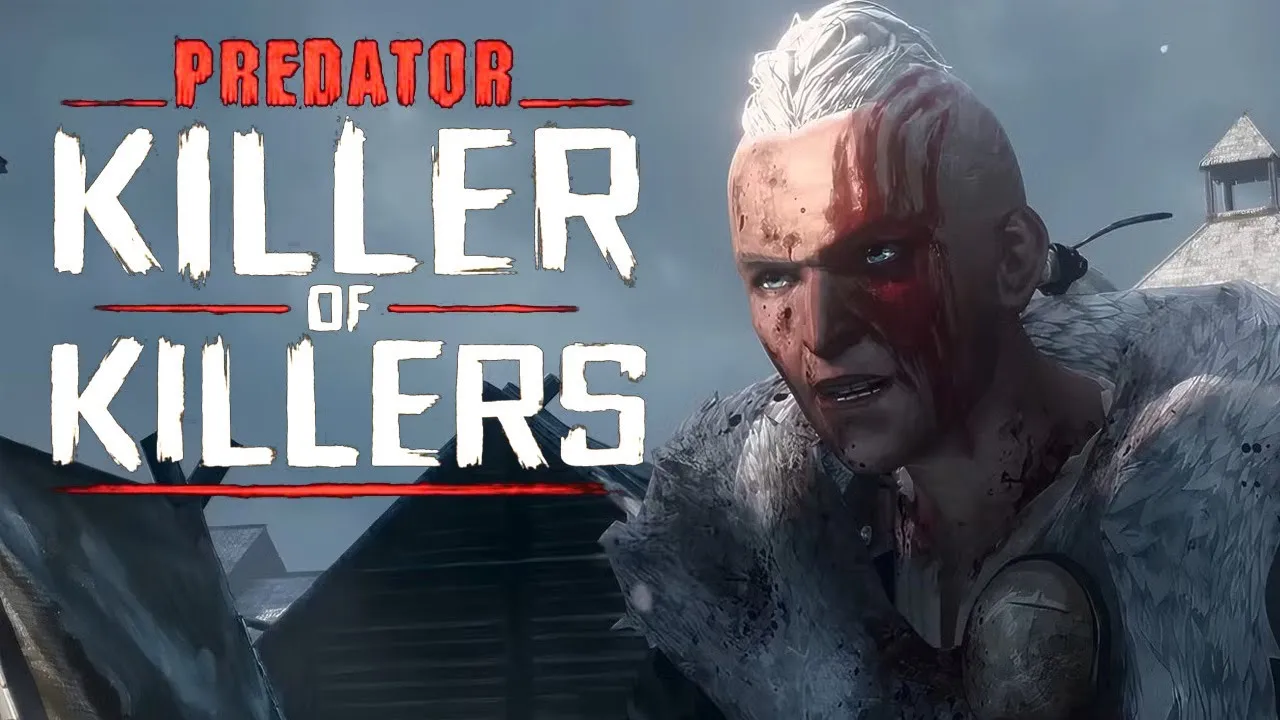
Hulu’s Killers of Killers is an exciting new show diving into the world of hunters and prey — a thematic cousin to Predator. It explores human and non-human killers in intense survival scenarios. This series signals a rising interest in predator-prey stories and darker survival tales, which can pave the way for renewed enthusiasm for Predator-style content.
What to Expect from Badlands: The Next Frontier in Sci-Fi Action
Badlands, an upcoming project linked to the Predator universe, promises to expand the mythology with new settings and characters. Expect:
Expanded Universe: More alien lore and species, exploring the ecosystem of predators.
Modern Action: Updated fight choreography and tactics blending classic Predator thrills with contemporary pacing.
Character Depth: Stronger focus on character development, making the stakes more personal and relatable.
What Critics Have Said About Predator Over the Years
- Roger Ebert praised Predator for its effective mix of action and suspense, calling it “a movie that balances raw power with a sense of humor and clever plotting,” and noting that it still stands as “one of the best action thrillers of the 1980s.” What Ebert implicitly recognized was how the film subverts its own macho setup: a team of seemingly invincible soldiers is gradually stripped of its superiority by an enemy that hunts with ritualistic patience.
- Peter Travers of Rolling Stone lauded Arnold Schwarzenegger’s performance, describing him as “the perfect action hero — physically commanding yet smart enough to outthink an alien hunter,” cementing the film’s place in pop culture history.
- Film historian Kim Newman highlighted the movie’s lasting influence, stating, “Predator’s blend of horror and military action created a blueprint for countless sci-fi films and shows that followed. It remains fresh because it understands tension and character as well as spectacle.” Newman’s point resonates strongly with how Predator mythology expanded over time. Later films like Predator 2 and Prey leaned into the idea that these hunters have existed for centuries, adapting their methods to different eras and cultures.
- Empire Magazinecalled Predator “a flawless fusion of sci-fi and action genres,” praising John McTiernan’s direction for “creating a claustrophobic, tense jungle environment that makes the alien threat feel visceral and terrifying.” That sense of environmental storytelling became a core element of Predator lore. The jungle isn’t just a backdrop; it’s a hunting ground chosen deliberately by the Predator, emphasizing its role as an apex predator that stalks rather than charges.
Taken together, critics have consistently recognized that Predator endures not just because of its action or creature design, but because it introduces a fully realized mythos almost invisibly. The lore — honor codes, selective targeting, self-destruct rituals, trophy-taking — is never overexplained, allowing audiences to piece it together organically. That subtle world-building is a major reason the Predator remains one of cinema’s most iconic and adaptable sci-fi antagonists, capable of being dropped into new eras, genres, and interpretations without losing its core identity.
The Hunter Unmasked: Badlands and the Identity Crisis of Predator
Badlands may be a box office success, but for many long-time fans it feels like a hollow victory. By humanizing the Yautja and turning the Predator into a sympathetic protagonist, the film drifts away from the cold, ritualistic menace that once defined the franchise. At times, it resembles a sweeping sci-fi adventure like John Carter or Kong: Skull Island more than the tense survival horror of its roots. The Predator is no longer a presence lurking in the shadows, but a figure we’re encouraged to understand — and even cheer for — a shift that risks draining the creature of its fear.
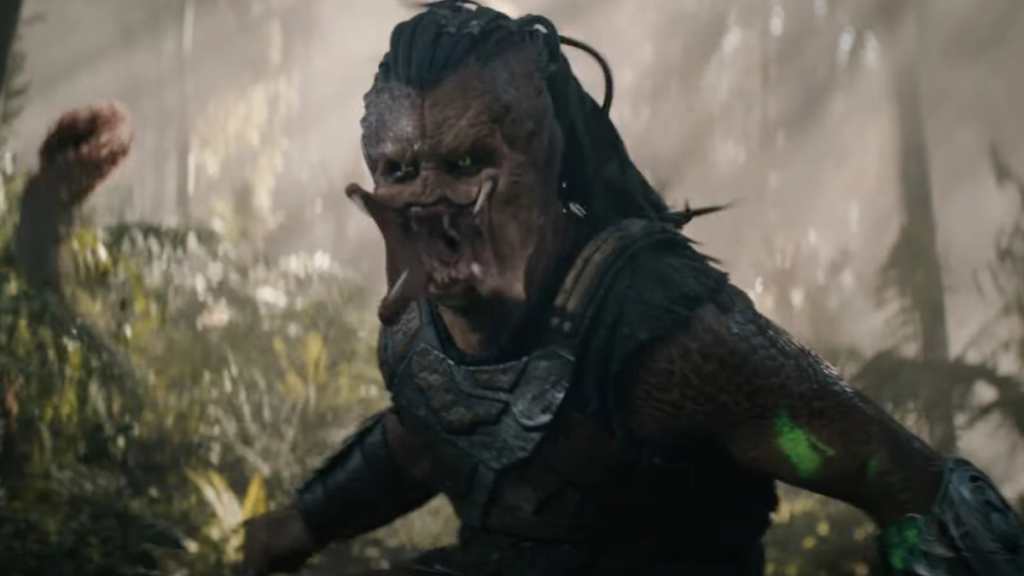
That unease is tempered by cautious hope. The ending’s easter eggs hint at deeper Yautja lore, internal conflicts, and a broader cosmic mythology still waiting to be explored. If future films can restore mystery and restraint — letting silence, ritual, and danger speak louder than exposition — Badlands may prove to be a misstep that leads to something stronger. The franchise’s future hinges on one simple truth: the Predator is most compelling when it remains unknown, watching from the trees, rather than standing fully revealed in the light.
FAQs About Predator and Its Future
1. Who directed the original Predator movie?
John McTiernan directed Predator, known for his work on action classics like Die Hard.
2. What made Arnold Schwarzenegger’s role in Predator iconic?
His portrayal of Major Dutch combined physical toughness with strategic survival instincts, setting the standard for action heroes.
3. Can a new Predator movie match the original?
Yes, with respect for the original’s tone, modern effects, and fresh storytelling, a new film can live up to the legacy.
4. What is Hulu’s Killers of Killers about?
It’s a survival thriller focusing on human and non-human killers, thematically similar to Predator.
5. What is the Badlands project?
Badlands is an upcoming expansion of the Predator universe, promising new characters and deeper alien mythology.