
Judge Dredd: Nostalgia, Violence, and the Enduring Legacy of Mega-City One Comics
Dive into the gritty world of Judge Dredd comics, from their violent, satirical beginnings in 2000 AD to iconic film adaptations. Explore the cyberpunk visual style, early story arcs, cosplay culture, and why collectors are preserving this cult classic
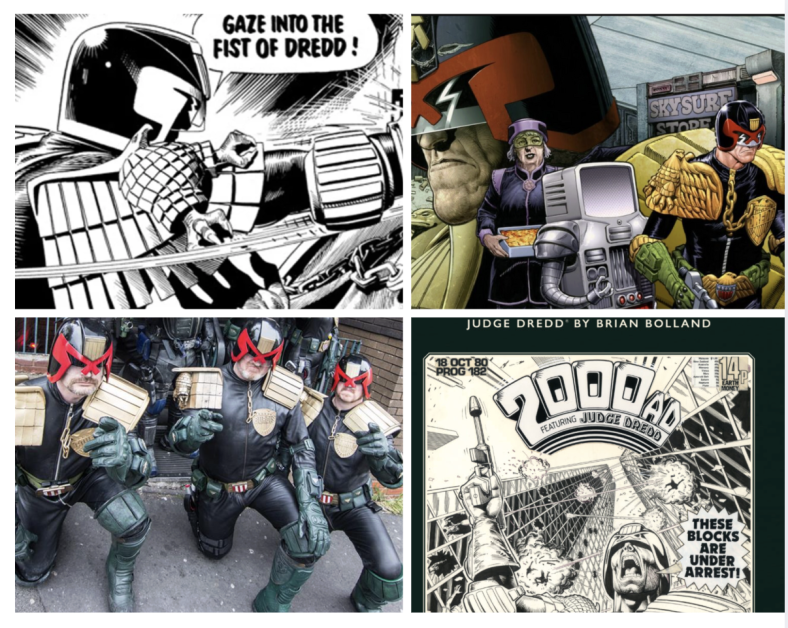
Walking the Streets of Mega-City One: A Nostalgic Journey into Judge Dredd
For many, those early comics weren’t just entertainment—they were a doorway into a world where the rules were extreme, the art was striking, and every issue etched itself into memory. Today, nostalgia meets purpose: collecting hard copies isn’t just about owning a piece of comic history. It’s about preserving a gateway to a raw, unapologetic world of storytelling, introducing it to a modern audience, and passing it down to future generations who can appreciate the audacity, the artistry, and the thrill that first captured us decades ago.
Origins & Publication
Judge Dredd first appeared in the British weekly anthology comic 2000 AD in 1977. Co-created by writer John Wagner and artist Carlos Ezquerra, Dredd quickly became the emblem of dystopian justice in Mega-City One. His first major storyline, The Cursed Earth (1978), spanned issues #61–85, setting the tone for the violent, satirical, and socially conscious storytelling that would define the series.
In terms of collected volumes:
- Volume 1: #1–35 (1983–85, Eagle/Quality)
- Volume 2: #1–77 (1986–93, Fleetway/Quality)
- Later volumes were published under other publishers, including IDW in the U.S.
The comics enjoyed their strongest readership in the UK and Europe, where the weekly format of 2000 AD made Dredd a household name among comic enthusiasts.
Visual Style & Themes
The early Dredd comics were primarily black-and-white, giving them a stark, gritty aesthetic. Carlos Ezquerra’s design—helmet, shoulder eagle, uniform, and stern jawline—became iconic. The cityscapes were massive, oppressive, and detailed, perfectly reflecting the authoritarian yet chaotic world Dredd patrolled.
Narratives were often violent, darkly humorous, and satirical, reflecting society’s obsession with law, order, and punishment. The weekly serialized nature of 2000 AD allowed artists and writers to experiment with style and storytelling, keeping readers hooked with cliffhangers and shocking twists.
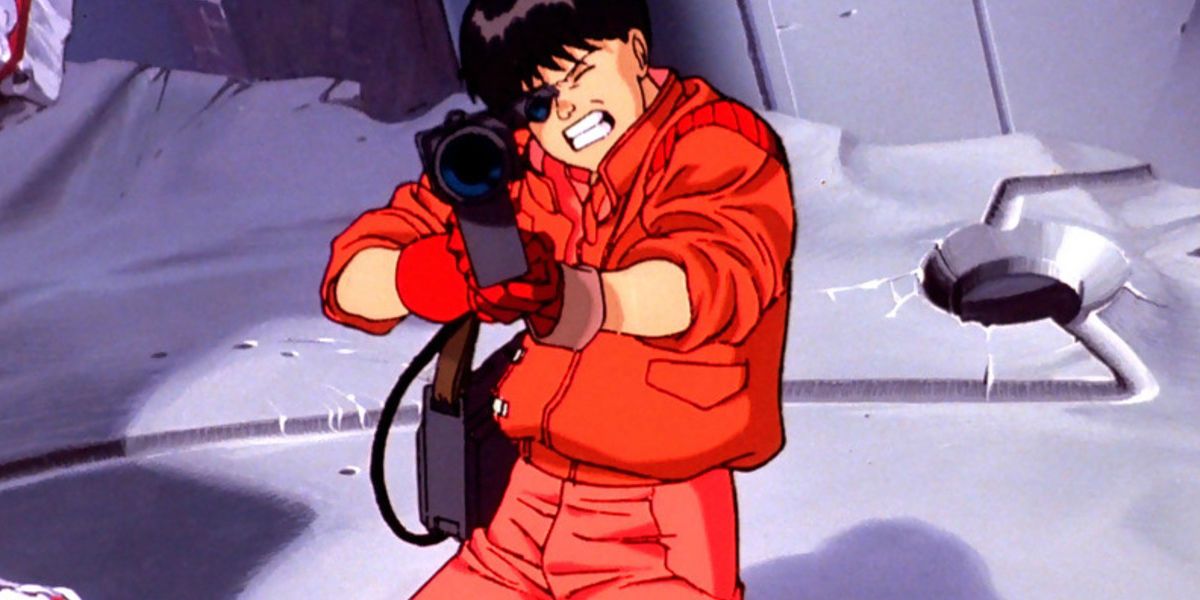
Cyberpunk Contemporaries
Judge Dredd emerged alongside a wave of late 70s–80s cyberpunk comics:
The Long Tomorrow (1976): Early dystopian, neon-lit visual style.
Akira (1982–1990): Japanese manga combining post-apocalyptic dystopia with youth rebellion.
Shatter (1984–88): Early digital-art comic.
Lazarus Churchyard (1991): British cyberpunk dystopia.
These works thrived in an era fascinated with high-tech low-life, neon cityscapes, corporate dystopia, and body-mod culture. Today, such comics are less visible, as mainstream markets leaned heavily into superhero narratives and digital media reshaped distribution. Yet, with renewed interest in AI, surveillance, and social critique, gritty, mature comics are poised for resurgence in the near future.

From Page to Screen
Judge Dredd’s distinct aesthetic and storytelling made it ripe for film adaptation:
Judge Dredd (1995): Sylvester Stallone starred in a moderately successful adaptation.
Dredd (2012): Karl Urban’s version stayed truer to the source material and became a cult favorite despite modest box office returns.
While the films raised awareness, the comics have maintained broader and more enduring popularity, especially through collected editions and omnibuses like Judge Dredd: The Mega Collection in the UK.

Cosplay & Cultural Legacy
The character’s iconic look—helmet, shoulder eagle, body armor, and boots—remains a favorite for cosplay and Halloween costumes. Fans recreate both classic comic Dredd and the 2012 film version, from full tactical armor to simplified outfits with helmets and badges. This enduring presence highlights how Dredd continues to inspire fans across generations, bridging nostalgia with modern fandom.
Conclusion
Judge Dredd isn’t just a comic—it’s a gateway into a world that shaped our understanding of narrative, art, and the thrill of storytelling. For those who grew up with it, the urge to collect hard copies, preserve these tales, and introduce them to new readers is more than nostalgia—it’s a mission. And as the world of comics evolves, there’s hope that the daring, adult-oriented, and visually striking stories that first drew us into Mega-City One will find their place once again in the mainstream