
Happy Tree Friends Explained: Origins, Controversies, Evolution & the Rise of HTF Comics (Full Guide)
Discover the full story of Happy Tree Friends—its origins, viral fame, controversies, evolution across platforms, and how HTF comics became a fan-powered phenomenon.
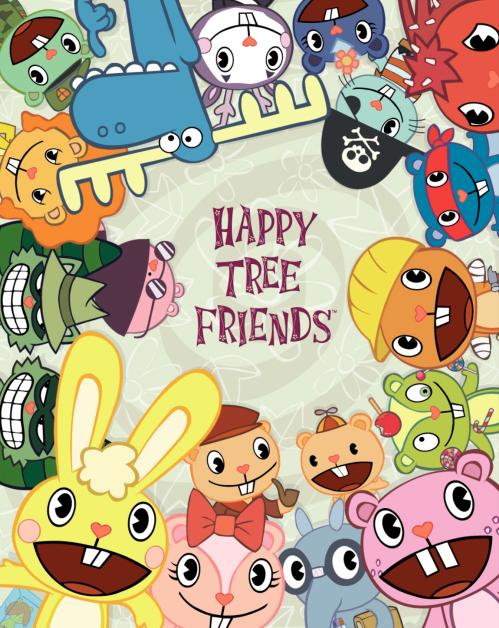
Happy Tree Friends: From Viral Shockwave to Modern Comics Phenomenon — A Full Guide to HTF’s Wild Evolution
If you grew up on early-internet chaos, you probably remember the moment you clicked on a cute video of colorful woodland animals… only to realize—far too late—you had stumbled into the gloriously unhinged world of Happy Tree Friends.
What started as a simple web short has transformed into one of animation’s most unlikely cult franchises. Loved, feared, memed, debated, censored, revived, and reinvented—Happy Tree Friends (HTF) has survived every shift in digital culture. Today, it’s even thriving in a new format: comics, both official and explosively fan-driven.
This is the full, fact-vetted story of HTF:
how it began, why it shocked the world, the controversies it sparked, its evolution across platforms, and how all of that led to a new generation of HTF comics.
What Is Happy Tree Friends? The Cult Classic That Shouldn’t Have Worked—But Did

At first glance, HTF looks like a Saturday-morning cartoon. But beneath the pastel colors and big glittering eyes lies the series’ trademark identity: cute characters placed in sudden, graphic, slapstick-horror situations.
Created in the early 2000s by Aubrey Ankrum, Rhode Montijo, and Kenn Navarro for Mondo Media, HTF began life as a short Flash animation. It didn’t take long for the internet to explode with reactions—shock, laughter, disgust, obsession.
Its formula was simple but genius:
• Adorable woodland animal cast
• Silent or minimal-dialogue storylines
• Comedic build-up
• A sudden, outrageous, often gory twist
In the era before YouTube, this contrast made HTF one of the earliest viral sensations. People shared episodes the way we share memes today.
Why HTF Drew So Much Attention (Then and Now)
1. It broke the rules of animation.
Who expected a baby blue deer to be impaled in the first 30 seconds? No one—and that unpredictability became its brand.
2. It rode the early-internet wave perfectly.
Flash animation was booming, and creators were experimenting freely. HTF’s short, punchy format was built for forums, emails, and the earliest video platforms.
3. It became a meme before memes had a name.
Characters like Flippy and Giggles became internet icons, often referenced in jokes, reaction gifs, and early web culture.
4. It appealed to both horror fans and comedy lovers.
HTF struck the rare balance of being grotesque and charming—something few shows have ever pulled off.
The Controversies That Made It Even More Popular

With popularity came backlash.
Parents, critics, and regulators accused the series of being dangerously misleading because its cute aesthetic could be mistaken as kid-friendly. Various broadcasting bodies in the mid-2000s issued warnings or restrictions, and the topic made headlines around the world.
Ironically, controversy only made the show more famous. HTF became one of those “you shouldn’t watch this… but everyone is watching” cultural artifacts.
And let’s be honest: that taboo helped cement its legend.
How Audiences React Today: Nostalgia × Shock Comedy
HTF thrives today thanks to:
• Nostalgia from millennials and Gen-Z rediscovering classic episodes
• YouTube binge culture, where fans watch compilations and “Try Not to Cringe” challenges
• A massive fan-art and fan-comic scene
• Crossovers, game tie-ins, and new shorts from Mondo Media
Comments on new uploads routinely include people celebrating the humor, sharing memories of discovering it “too young,” or praising how the animation still holds up.
The Evolution of HTF: From Web Animations to a Cross-Platform Franchise
1. Web Shorts → TV Series
Its popularity led to a short-lived televised version. The formula remained, but episodes were slightly longer and more structured.
2. Games, Merch, and Crossovers
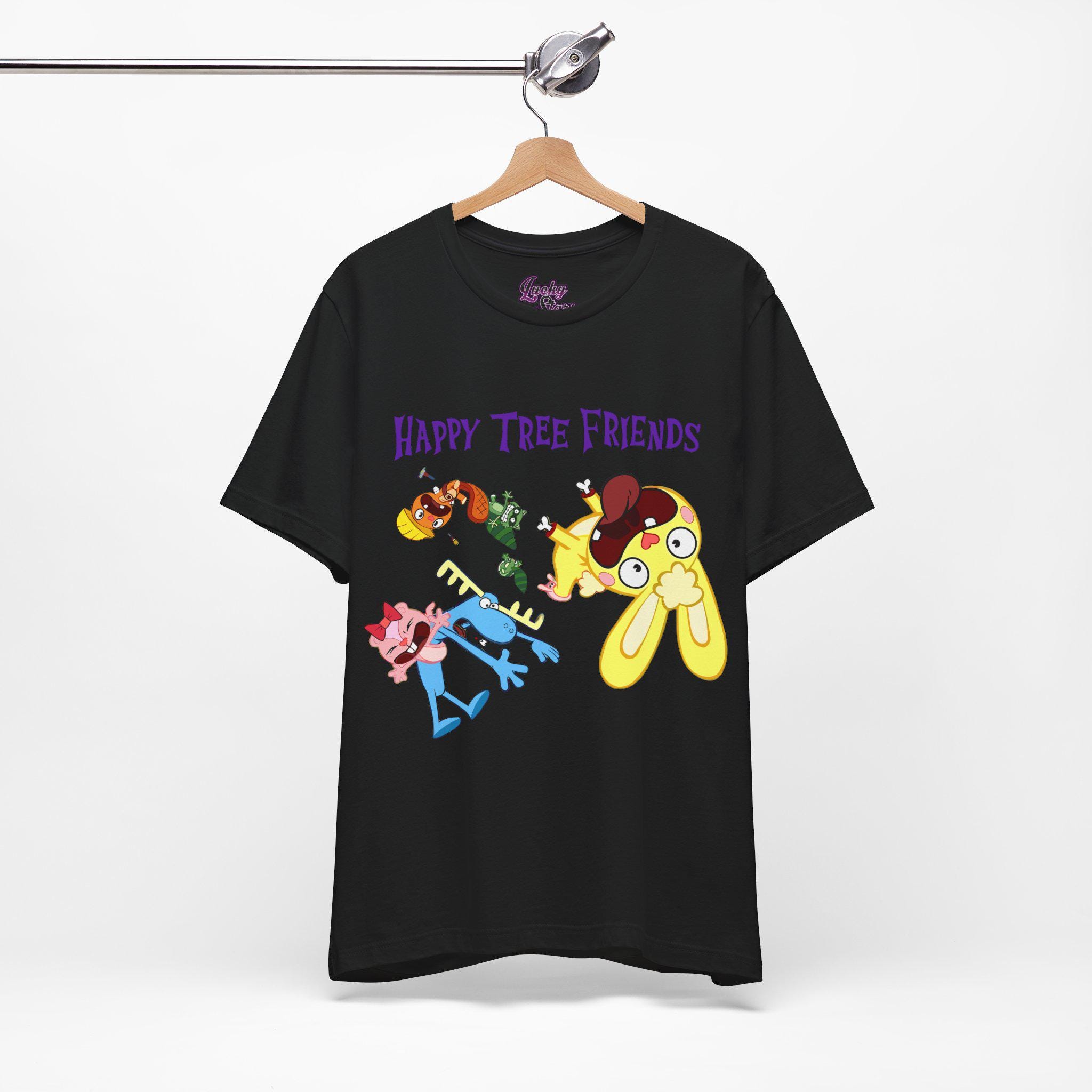
Over the years HTF expanded into:
• Mobile and PC games
• Merchandise
• Appearance in DLCs, crossover videos, and pop-culture tie-ins
Digital collectibles and special collaboration episodes
3. YouTube Revival
Yes—HTF is still available on YouTube on official Mondo Media channels, with classic episodes, newer releases, compilations, and anniversary content. The brand continues to upload and maintain its presence.
4. Mondo’s Website
Mondo Media hosts official downloadable packs and curated playlists, keeping the franchise alive for new audiences.
So… How Did We Get to HTF Comics?

As HTF aged, it found a second life in a medium that suits it perfectly: comics.
There are two main types:
1. Official or Semi-Official HTF Comics
Mondo has released short comic-style strips and visual gags on its website and social platforms. These stay true to the original:
• Visual humor
•.Minimal dialogue
• Quick setup → brutal payoff
• Consistent character designs
These strips act as a natural extension of the classic shorts.
2. Fan-Made HTF Comics (A Massive Movement)

This is where the explosion happens.
Fans on platforms like Webtoon, Tumblr, Reddit, Instagram, DeviantArt, and independent sites have built a huge library of HTF comics. These fan works explore:
• Romance
• Slice-of-life
• Psychological horror
• Alternate universes
• Young adult–friendly versions
• Fully sanitized versions
• Dramatic story arcs far longer than HTF ever used on screen
Most of these comics are not connected to any major publisher.
They’re independent passion projects—sometimes entire teams producing full storylines with dedicated readership.
This grassroots comics movement has arguably kept HTF more relevant than any studio could have alone.
Is a Studio Publishing the New HTF Comics?
As of now:
Mondo Media releases occasional official comic strips and visual content.
Most full-length HTF comics circulating today are fan-created.
No major mainstream comics publisher (Dark Horse, IDW, Boom!) is currently producing a long HTF print run.
This means the HTF comics scene is vibrant, experimental, and community-powered.
What Audience Are the Comics Targeting?

Original HTF = Strictly Adult
The creators always framed the series as adult black comedy, not children’s entertainment.
Modern HTF Comics = Diversified Audiences
Because fans produce so much content, you will find:
- 18+ gore-heavy versions
- Teen/Young Adult drama versions
- Clean, non-gore comedic versions
- Hybrid genres
Writing Style Differences
Adult-focused HTF:
Snappy, visual, minimalist scripting
Dark humor and violence
Shock beats instead of dialogue
Diversified comic versions:
More dialogue and character development
Slower pacing
Emotion-driven arcs
Themes of friendship, trauma, romance, or parody
Some remove gore entirely to fit platform guidelines
This flexibility is exactly why comics became such a natural home for HTF storytelling.
Final Thoughts: Happy Tree Friends Is More Alive Than Ever

From its chaotic Flash origins to its internet-breaking gore gags, Happy Tree Friends remains one of the most iconic digital-born franchises of all time.
Today, HTF stands at a fascinating intersection:
- Classic episodes still thrive on YouTube
- Nostalgia fuels community-driven creations
- New collaborations and merchandise keep official content flowing
- And the HTF comics scene is booming more than ever
The transition to comics—both official and fan-led—feels less like a reboot and more like a natural evolution.
HTF is no longer just a show.
It’s a shared universe built by its fans, guided by its creators, and powered by the internet generation that grew up with it.
By [Tommy Thounaojam] Editor TrendBrewers