
EuroLeague: An European Twist on the NBA
While the NBA continues to dominate basketball popularity in the United States and across several parts of the world, Europe has long had its own premier competition; The EuroLeague.
Origins of the EuroLeague: Professional Basketball Across the Pond
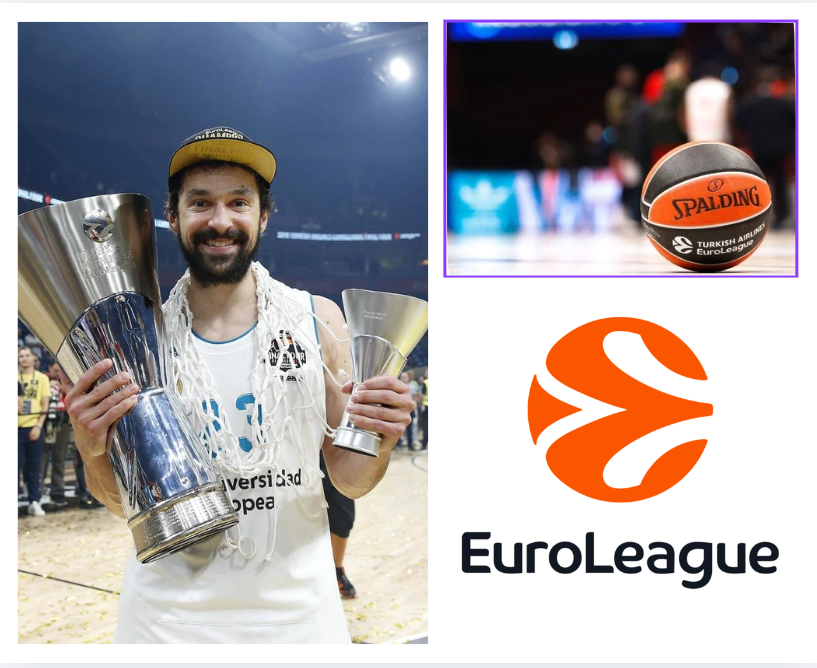
The origins of the EuroLeague trace back to 1958, when the competition was first introduced as the FIBA European Champions Cup. Created to determine the strongest basketball club in Europe, the tournament brought together champion teams from various domestic leagues across the continent. Inspired by the growing popularity of international club competitions in football, the league quickly became the pinnacle of European basketball.
During its early years, the competition was dominated by legendary clubs such as Real Madrid Baloncesto, whose success helped establish the tournament’s prestige and global recognition. Over time, the league expanded in both popularity and competitiveness, attracting elite players, passionate fanbases, and historic rivalries that continue to define European basketball culture today.
In 2000, the competition underwent a major transformation with the launch of the modern EuroLeague format under Euroleague Basketball. The restructured league introduced a more commercial and organized system, allowing Europe’s top clubs to compete regularly at the highest level. This shift helped elevate the competition into one of the world’s premier basketball leagues outside the NBA.
Today, the EuroLeague stands as a symbol of Europe’s deep basketball heritage, blending decades of tradition with modern tactical innovation and international talent.
Team Chemistry on the european stage: An inside look at the structure of EuroLeague
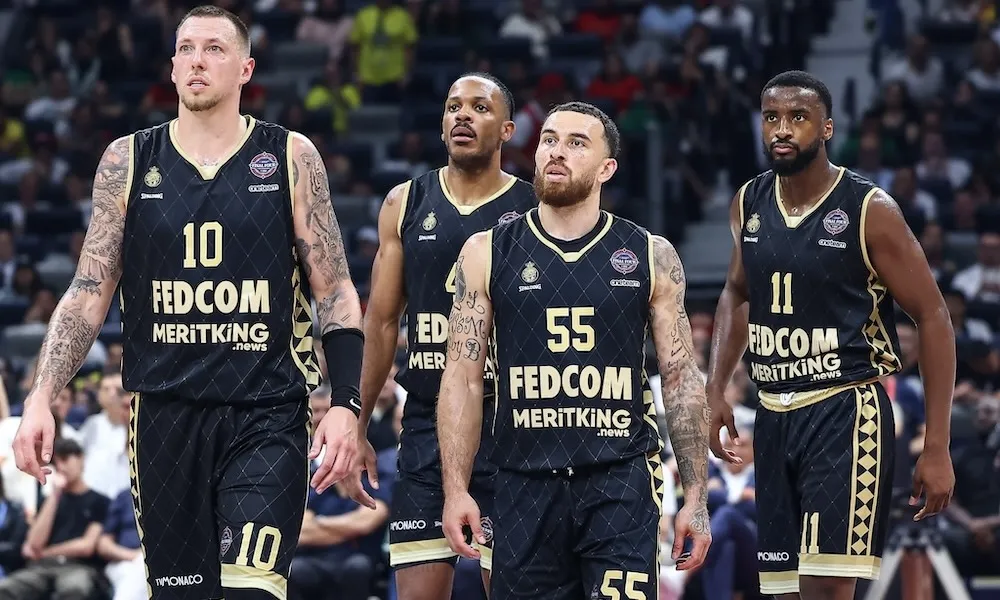
Modern EuroLeague team dynamics are built around discipline, tactical structure, and collective teamwork rather than individual brilliance alone. Unlike the NBA, where superstar-driven basketball often dominates headlines, EuroLeague teams place greater emphasis on system-based play, defensive organization, and efficient ball movement.
Coaches hold enormous influence within European basketball, with strategies and in-game adjustments playing a major role in determining success. Teams are carefully constructed with a balance of experienced veterans, emerging European talents, and former NBA players, all expected to contribute within a defined tactical framework.
The physical nature of the competition also shapes team dynamics, forcing players to adapt to a faster decision-making process and more demanding defensive systems. Chemistry and cohesion are often viewed as equally important as raw talent, with successful teams relying heavily on communication, consistency, and execution under pressure.
In today’s EuroLeague, teamwork remains the foundation of success, making the competition one of the most tactically intense and unpredictable environments in professional basketball.
Prize money and other spoils: How much is the EuroLeague champ taking away?
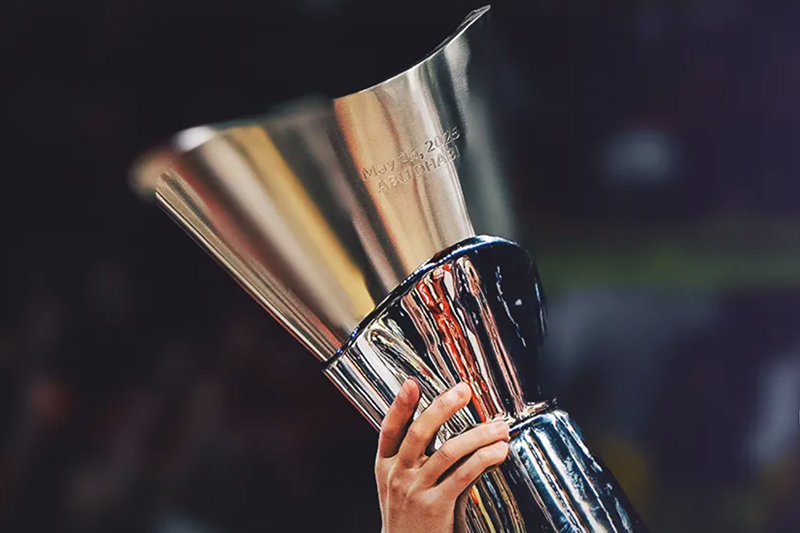
Compared to the NBA’s billion-dollar landscape, EuroLeague prize money is significantly smaller, but the competition remains one of the most prestigious tournaments in international basketball. The EuroLeague champions reportedly earn around €1.8 million to €2 million in prize money, while additional earnings are distributed based on playoff progression and league performance.
However, for many clubs, financial rewards extend beyond direct prize money. Successful EuroLeague campaigns often lead to increased sponsorship deals, higher ticket sales, stronger broadcasting revenue, and greater international recognition. Historic clubs such as Real Madrid Baloncesto and Olympiacos B.C. also benefit from massive fan support and commercial growth following deep tournament runs.
While the financial scale may not rival the NBA, the prestige of winning the EuroLeague remains enormous, with the title considered the pinnacle of European club basketball.
Europe’s Basketball Giants: A peek into who is dominating the league.
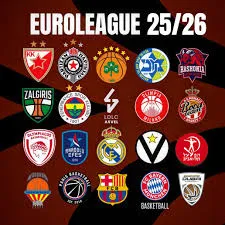
European basketball has long been shaped by a handful of powerhouse clubs that continue to dominate the EuroLeague through history, consistency, and passionate fan support. Teams such as Real Madrid Baloncesto, FC Barcelona Bàsquet, Olympiacos B.C., and Panathinaikos B.C. have become synonymous with success in European basketball, building legacies that stretch across decades.
These clubs are more than just successful teams; they represent cities, cultures, and generations of loyal supporters. Their fierce rivalries, packed arenas, and intense atmospheres have become defining elements of the EuroLeague experience. Unlike many modern sports leagues driven heavily by commercial appeal, Europe’s basketball giants continue to thrive on deep-rooted identity and tradition.
In the modern era, these teams have also adapted to the changing demands of international basketball by blending experienced veterans with emerging global talent. Strong coaching systems, tactical discipline, and passionate home crowds continue to give Europe’s elite clubs a unique edge on the continental stage.
Despite growing competition and financial pressure from the NBA, Europe’s basketball giants remain central to the EuroLeague’s global reputation and enduring popularity.
Rivalries and fan cultures: Who gets the most bragging rights?
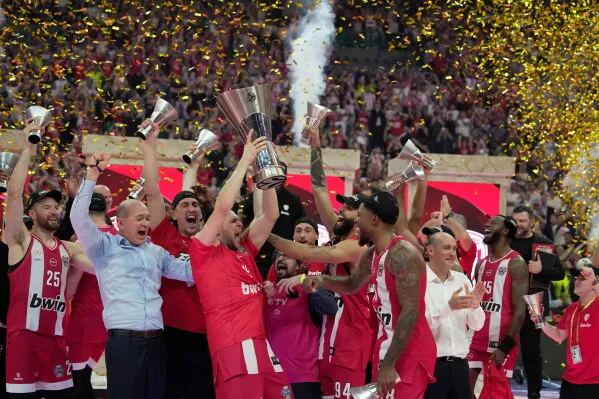
Fanbases are spread across multiple teams, some larger than the rest. Barcelona Basketball and Real Madrid basketball have the largest fanbases in the league; This is also because most of them leak through the larger football counterparts. The teams which already have a well established football help build the league and bring in more endorsements. This makes it credible and creates more hype and builds bigger fanbases across the league. Below are some of the more notable rivalries across the league, some more familiar than others.
The Continental El Clásico:
A rivalry familiar to football fans across the globe, FC Barcelona Bàsquet versus Real Madrid Baloncesto brings the same passion, intensity, and emotion to the EuroLeague as El Clásico does on the football pitch. The matchup is treated as one of European basketball’s grandest spectacles, with fans packing arenas and creating electric atmospheres in support of their clubs.
Every encounter carries enormous pressure, as players battle not only for bragging rights but also for points, standout individual performances, and ultimately, the pursuit of the EuroLeague title. Much like their football counterparts, these clashes represent more than just sport; they embody history, rivalry, and pride on one of basketball’s biggest stages.
Greek Derby:
One of the fiercest rivalries in European basketball, the Greek Derby between Olympiacos B.C. and Panathinaikos B.C. is far more than just a game. Rooted in decades of competition, political tension, and sporting pride, the rivalry has become one of the most intense spectacles in the EuroLeague.
Whenever the two Athens-based giants face off, the atmosphere inside the arena is electric. Passionate supporters fill the stands with chants, banners, and nonstop energy, creating an environment that is both intimidating and unforgettable. Every possession carries weight, with players fully aware of the pressure and history attached to the fixture.
Over the years, the Greek Derby has produced legendary moments, dramatic finishes, and iconic performances that have defined European basketball culture. Beyond the pursuit of points and victories, these clashes represent pride, legacy, and supremacy in Greek basketball.
Serbian Derby:
The Serbian Derby between KK Partizan and KK Crvena zvezda stands among the most passionate and volatile rivalries in European basketball. Deeply rooted in Belgrade’s sporting culture, the clash represents far more than competition on the court it is a battle of identity, pride, and tradition.
Known for its intense atmosphere, the derby transforms arenas into seas of black-and-white or red-and-white as fans create deafening noise through chants, flares, and coordinated displays. The passion surrounding the fixture often makes it one of the most emotionally charged matchups in the EuroLeague calendar.
On the court, the rivalry has consistently produced high-pressure moments, physical battles, and unforgettable performances. Players entering the Serbian Derby quickly understand the significance of the occasion, where every basket and defensive stop carries enormous meaning for supporters.
Over the years, the fierce competition between Partizan and Red Star has helped cement Serbia’s reputation as one of Europe’s true basketball strongholds, with the derby continuing to embody the raw passion and intensity of the EuroLeague.
Turkish Cross-City Clash:
The Turkish cross-city clash between Fenerbahçe Beko and Anadolu Efes S.K. has become one of the defining rivalries of modern EuroLeague basketball. Based in Istanbul, both clubs have played a major role in elevating Turkish basketball onto the European stage through consistent success and strong international rosters.
While Fenerbahçe boasts one of the continent’s most passionate fanbases and a long-standing sporting legacy, Anadolu Efes have built a reputation in recent years as one of Europe’s most dominant and tactically disciplined teams. Their battles are often intense, fast-paced, and packed with high-level talent, drawing attention from basketball fans across the continent.
The rivalry has grown significantly with both teams competing regularly for domestic titles and EuroLeague supremacy. Packed arenas, heated moments, and championship implications have transformed the Istanbul derby into one of the most anticipated fixtures in European basketball.
More than just a local showdown, the Turkish cross-city clash represents the rise of Turkey as a major force in the EuroLeague era.
EuroLeague arenas are widely regarded as some of the loudest and most intimidating environments in professional sports. Chants, flares, coordinated tifos, and nonstop crowd energy create a level of passion rarely seen elsewhere in basketball. For many fans, supporting their club is not simply entertainment, it is part of family tradition and community identity.
This unique fan culture has become one of the EuroLeague’s defining strengths, giving the competition an atmosphere that separates it from leagues around the world. In Europe, basketball is not just played, it is lived.
The modern era of the EuroLeague: How the game has evolved over the decades
The modern EuroLeague has evolved into one of the most competitive and tactically advanced basketball competitions in the world. While the league remains deeply connected to its European traditions, today’s game is shaped by global talent, elite coaching systems, and an increasingly fast-paced style of play.
Modern teams are built around chemistry, defensive structure, and tactical execution rather than relying solely on superstar players. Clubs now combine experienced European veterans with rising international prospects and former NBA talent, creating balanced rosters capable of competing at the highest level. Coaching has also become a defining factor, with strategies and in-game adjustments often determining the outcome of tightly contested matches.
The league’s popularity has continued to grow through intense rivalries, passionate fan culture, and a level of atmosphere rarely matched in professional basketball. Packed arenas across cities such as Madrid, Athens, Belgrade, and Istanbul have helped establish the EuroLeague as a unique sporting experience driven by emotion and tradition.
At the same time, the modern EuroLeague faces new challenges. Financial competition from the NBA, player movement, and discussions surrounding expansion continue to shape the future of the competition. Despite this, the league remains a symbol of Europe’s basketball identity, blending history, passion, and modern innovation into one of the sport’s most respected tournaments.
What is the future of EuroLeague looking like: Who are the Wunderkinds?
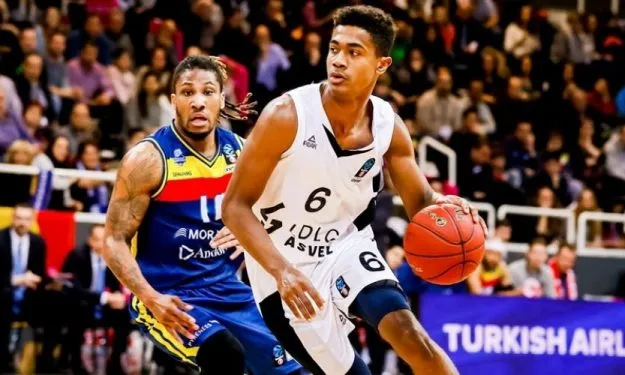
The future of the EuroLeague appears brighter and more competitive than ever, with a new generation of talent beginning to shape the next era of European basketball. As the league continues to grow globally, young stars are emerging across the continent and proving they can thrive under the pressure and intensity of top-level European competition.
Among the brightest prospects is Juan Núñez, whose composure, passing ability, and court vision have made him one of Spain’s most exciting young guards. Zaccharie Risacher has also attracted major attention for his all-around game and scoring versatility, representing the growing influence of French basketball in Europe.
Serbia continues to produce elite young talent, with players like Nikola Topić showcasing the technical skill and basketball IQ that have become trademarks of the region. Meanwhile, Turkish and Greek clubs are increasingly investing in youth development systems, ensuring the next generation gains valuable experience at the highest level early in their careers.
The EuroLeague’s future will also depend heavily on balancing tradition with modernization. Expansion discussions, larger global audiences, improved commercial partnerships, and stronger media coverage are expected to push the league further into the international spotlight. However, maintaining the passionate fan culture and tactical identity that define European basketball will remain crucial.
As younger stars continue to emerge and clubs evolve with the modern game, the EuroLeague looks set to remain one of basketball’s most respected and emotionally charged competitions for years to come.
If you enjoyed reading our story on the Euro League, we think you will enjoy this!
To Conclude:
The EuroLeague today stands as far more than just Europe’s premier basketball competition; it represents the passion, tradition, and evolution of the sport across the continent. From historic rivalries and iconic clubs to modern tactical battles and rising young stars, the league continues to showcase a unique brand of basketball built on intensity, discipline, and identity.
While challenges such as financial competition and player movement continue to shape its future, the EuroLeague’s global reputation continues to grow with every season. Backed by some of the world’s most passionate fanbases and a new generation of emerging talent, the competition appears well-positioned to remain one of basketball’s most respected and electrifying stages.
As European basketball enters a new era, the EuroLeague continues to prove that beyond the NBA spotlight, another world-class basketball spectacle thrives driven by culture, rivalry, and an unwavering love for the game.
By Siddhant Kohli