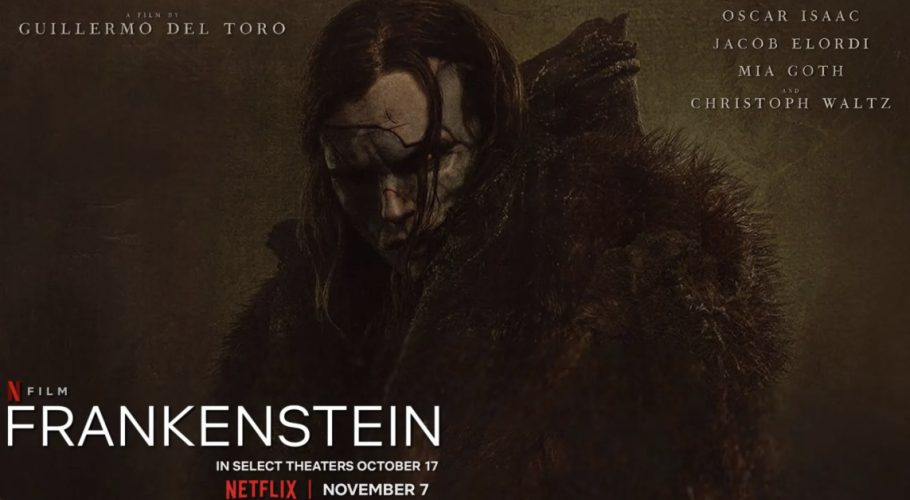
Dracula 2025 Review: How Cinema’s Greatest Monster Became a Romantic Antihero
A review of Dracula 2025, exploring its visuals, performances, and why the iconic vampire is no longer cinema’s villain.

Dracula’s Eternal Reinvention: From Gothic Monster to Romantic Antihero
Few characters in cinema have proven as endlessly malleable as Dracula. For more than a century, filmmakers have returned to Bram Stoker’s immortal count, reshaping him to reflect the anxieties, desires, and cinematic tastes of their era. From the nightmarish silhouette of Nosferatu to the operatic excess of Francis Ford Coppola’s Bram Stoker’s Dracula, the vampire has shifted steadily away from pure horror and toward psychological and emotional complexity.
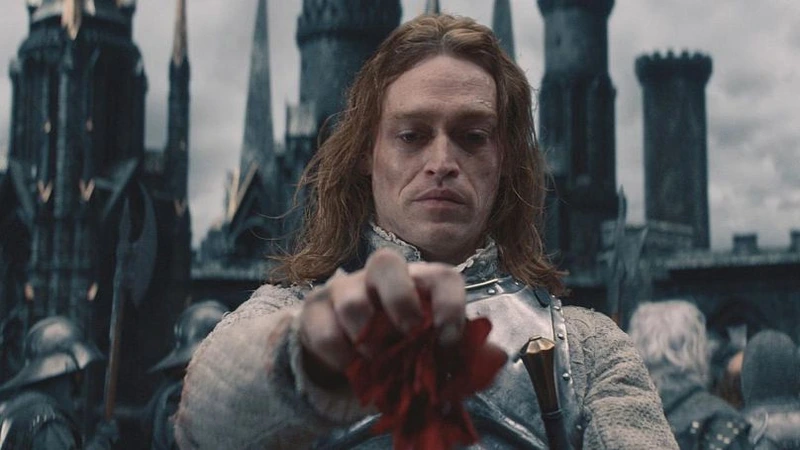
The latest 2025 iteration continues — and arguably completes — that evolution. Where earlier films framed Dracula as a malignant force to be destroyed, this version recasts him as the emotional center of the story: less predator than tragic immortal, driven by love, grief, and an existential search for meaning. It’s a tonal pivot that may divide genre purists, but one that feels very much in step with contemporary cinema’s fascination with re-examining villains through a human lens.
A Character That Reflects Its Time
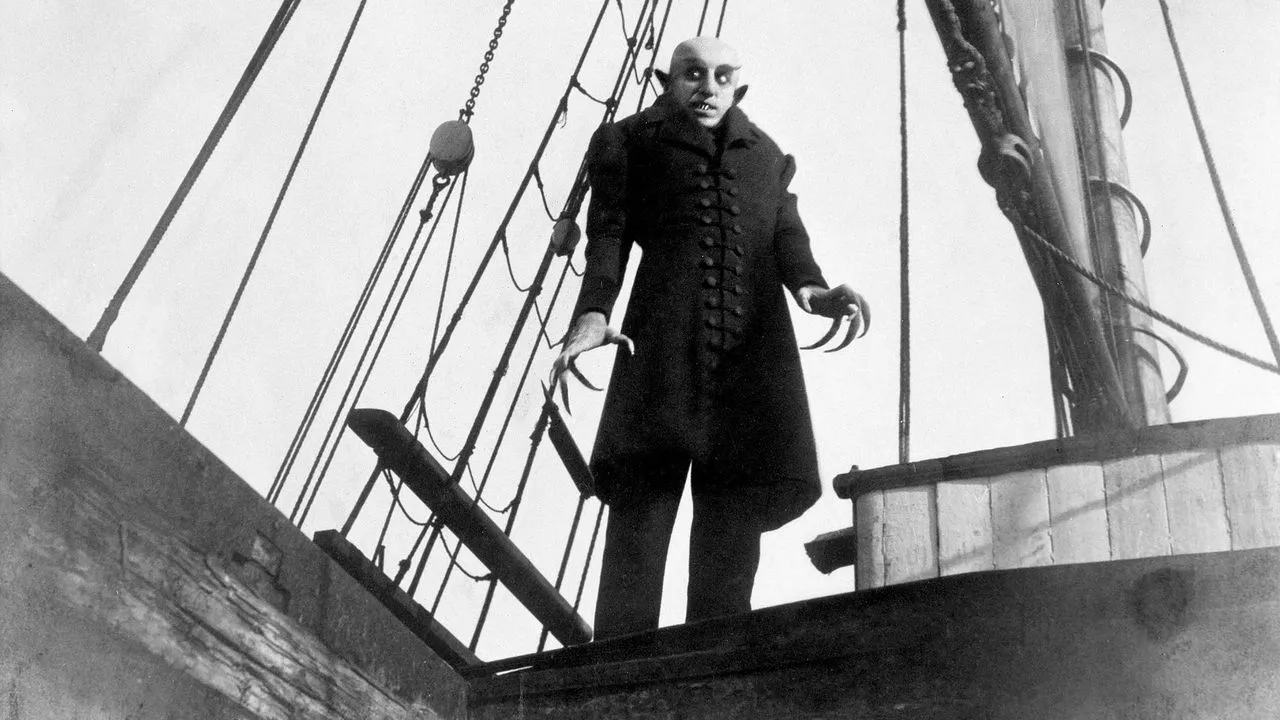
Historically, Dracula was defined by fear. F.W. Murnau’s Nosferatu rendered him grotesque and otherworldly — a plague-like presence rather than a romantic figure. Even Hammer-era interpretations, while more charismatic, leaned heavily on menace and seduction as tools of domination.
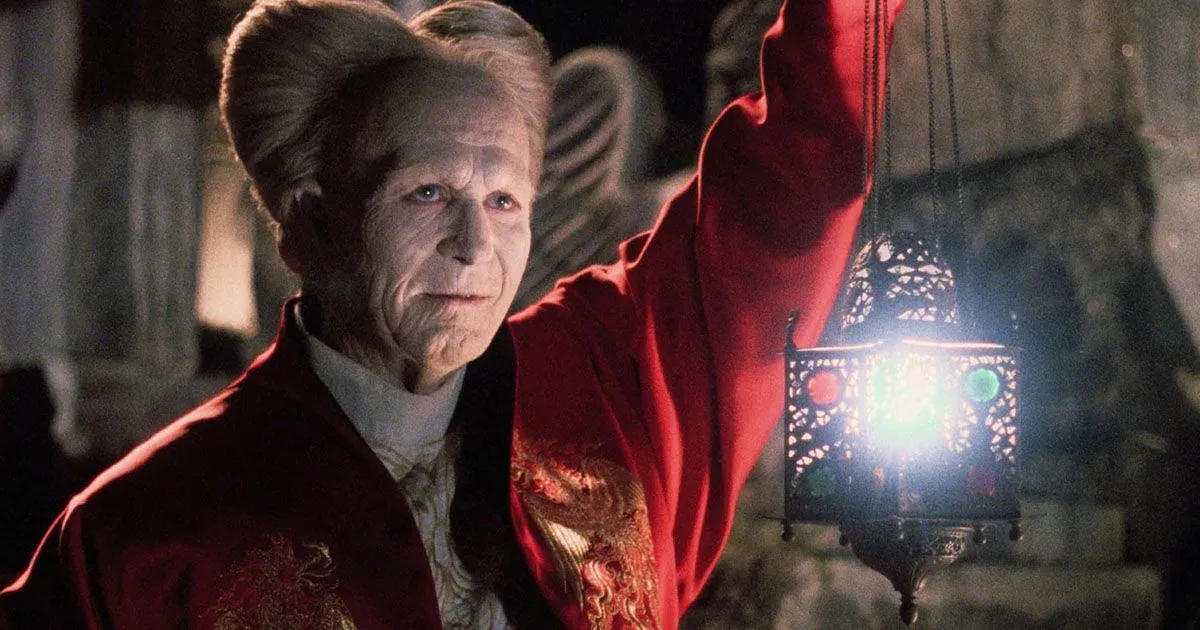
Coppola’s 1992 adaptation marked a turning point. Gary Oldman’s Count was still monstrous, but he was also wounded, romantic, and operatic — a creature shaped by loss as much as bloodlust. Subsequent adaptations have continued to soften the edges, experimenting with action, spectacle, and sympathy.

The 2025 film takes that idea further, fully flipping the moral axis. Here, Dracula is not the story’s primary threat; instead, the antagonistic force comes from those determined to destroy him. The vampire is framed less as a curse upon humanity and more as a man trapped by eternity — an approach that aligns closely with modern audiences’ appetite for morally ambiguous protagonists.
Visual Grandeur and Emotional Focus
One area where the film draws near-universal praise is its visual presentation. Lavish production design, ornate costumes, and painterly cinematography place the film firmly within the recent wave of prestige gothic cinema, where atmosphere and aesthetics take precedence over shock value. The costumes — particularly those worn by the female characters — are striking, reinforcing the film’s operatic tone and heightened romanticism.
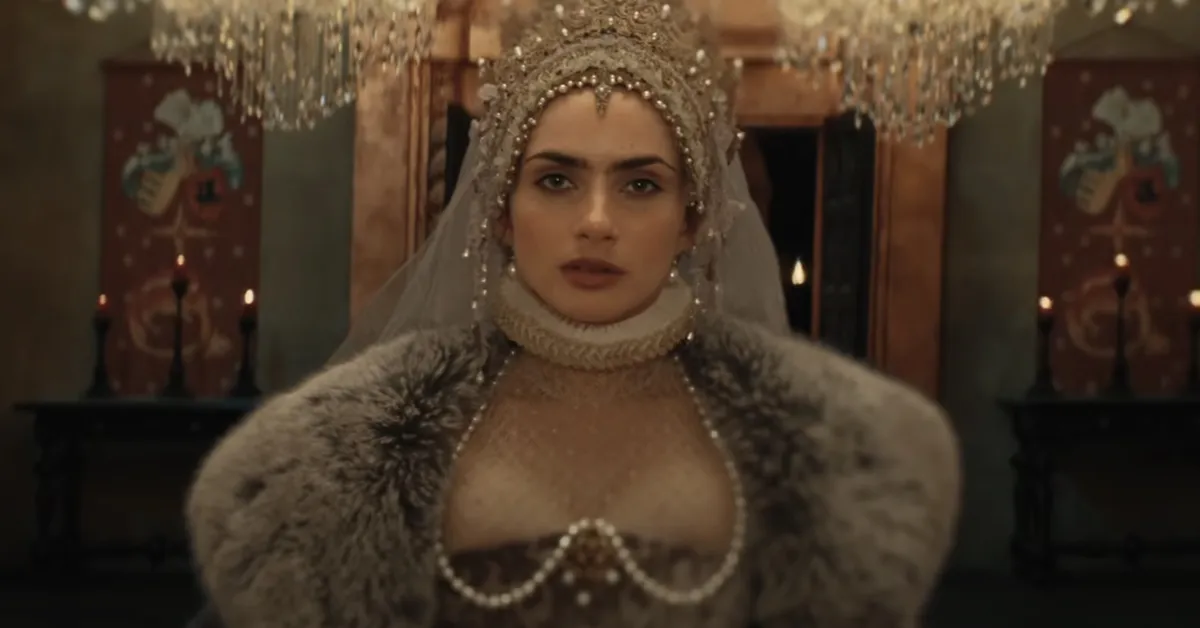
The pacing is another strength. Unlike some recent genre entries that buckle under their own mythmaking, this film moves with confidence, maintaining narrative momentum and rarely lingering long enough to dull its impact. The result is an experience that remains engaging even as it leans into familiar thematic territory.
At the center of it all is Caleb Landry Jones’ portrayal of Dracula — a performance that favors introspection over intimidation. His interpretation is quiet, mesmerizing, and emotionally open, standing apart from the grandiosity of earlier incarnations. Where previous Draculas commanded attention through dominance, this one draws the viewer in through vulnerability.
Where the Spell Weakens
The film is not without its missteps. As the story moves into its second and third acts, the visual restraint of earlier sequences gives way to heavier CGI, occasionally disrupting the carefully built gothic atmosphere. A stylized musical or dance sequence — divisive by design — risks pulling some viewers out of the narrative entirely, its tonal shift more flamboyant than the story arguably requires.
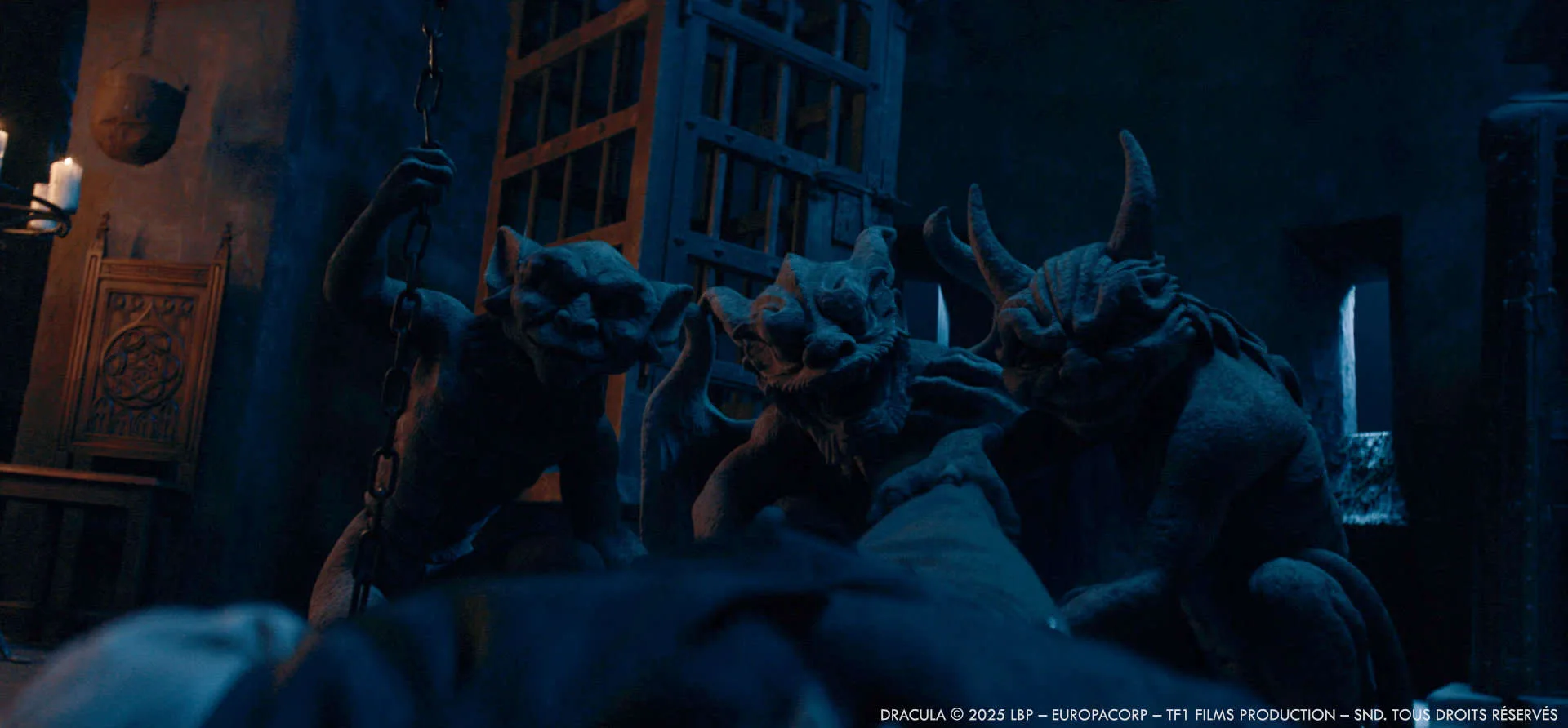
There is also a sense of familiarity in parts of the supporting cast’s performances. While undeniably professional, certain character beats feel predictable, echoing roles audiences have seen before in similar gothic or fantastical settings. It’s a minor flaw, but one that prevents the film from fully transcending its influences.
Critics, Audiences, and the Question of Dracula as Hero
Early critical response has been mixed but engaged. Reviewers largely agree on the film’s visual ambition and central performance, even as they debate whether its romantic framing dilutes the horror at the heart of the Dracula myth. Audience reactions appear more polarized: some embrace the emotional reinterpretation, while others resist the transformation of an iconic villain into a figure designed to be rooted for.
That tension, however, may be precisely the point. The film doesn’t ask viewers to fear Dracula — it asks them to understand him. In doing so, it reflects a broader cultural shift in genre storytelling, where monsters are no longer external threats but mirrors of human longing, trauma, and isolation.
A Timely Reimagining of an Immortal Myth
Ultimately, the 2025 Dracula doesn’t aim to replace its predecessors so much as converse with them. It acknowledges the character’s horrific origins while choosing to foreground romance, loss, and existential yearning over terror. For longtime fans, that may feel like sacrilege; for others, it’s a natural evolution.
What emerges is a film that may not satisfy every expectation of gothic horror, but succeeds as a visually lush, emotionally driven reinterpretation of a familiar legend. It’s a version of Dracula designed less to haunt dreams than to linger in thought — and perhaps, to be shared as a striking, unconventional date-night watch.
Critical Consensus and Final Verdict
Taken as a whole, Dracula: A Love Tale has landed in a space that feels familiar for ambitious gothic reinventions: respected more than adored, debated more than dismissed. Across major review sites and international outlets, critics largely agree on the film’s strengths — its visual opulence, its willingness to foreground emotion over fear, and Caleb Landry Jones’ introspective turn as the Count. Where opinions diverge is in the execution. Some reviewers argue that the film’s romantic emphasis drains the myth of its menace, while others view that very shift as its most compelling provocation.
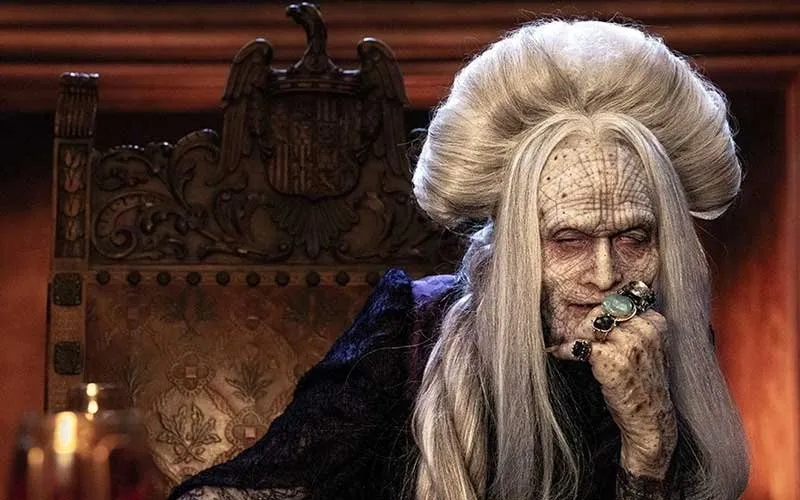
Audience reactions mirror that split. Viewers receptive to camp, operatic excess, and romantic tragedy have embraced the film’s tone, while those seeking traditional horror or narrative restraint have been less forgiving — particularly in the latter acts, where heightened CGI and stylized set pieces push the film toward indulgence.
Placed within that broader conversation, a 3.5 out of 5 feels both fair and representative. The film succeeds as a visually striking, well-paced, and often mesmerizing reinterpretation of an immortal character, even if it occasionally stumbles under the weight of its own stylistic ambition. It may not be the definitive Dracula for all audiences, but it stands as a confident, emotionally driven chapter in the vampire’s long cinematic afterlife — one that values feeling over fear, and romance over terror.