Why The Devil Wears Prada 2 Feels More Relevant Than the Original
A deep review of The Devil Wears Prada 2 exploring corporate burnout, fashion culture, AI content, layoffs, and modern ambition. Rated 3.5/5.
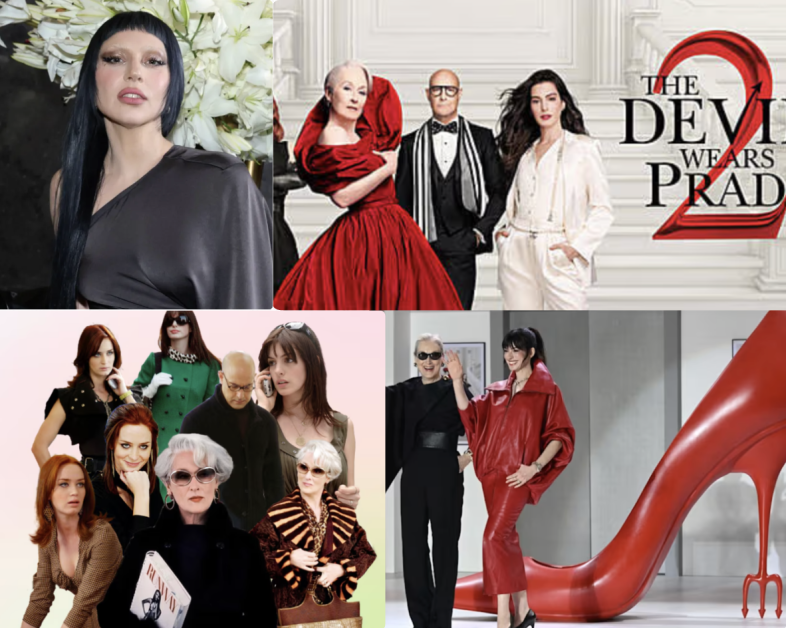
Few sequels arrive nearly two decades later and still manage to feel culturally relevant. Yet #TheDevilWearsPrada2 has done exactly that. What once began as a stylish peek into the intimidating world of fashion magazines has now evolved into a reflection of modern corporate anxiety, internet culture, layoffs, AI-driven content, and the collapse of exclusivity.
Rewatching the original before stepping into the sequel made the transition between the two films even more fascinating. The first movie represented a glamorous era of publishing and ambition. The second confronts the harsh realities of today’s digital world.
The Original Devil Wears Prada Was About Aspiration and Sacrifice
The first film wasn’t simply about fashion. Beneath the designer labels and runway glamour, it explored the emotional cost of ambition.
Audiences got a glimpse into:
- The machinery behind luxury fashion publishing
- The emotional toll of working under powerful personalities
- The sacrifices people make to stay relevant in elite industries
- How success slowly changes personal identity
The original film also cemented iconic performances from Meryl Streep, Anne Hathaway, Emily Blunt, and Stanley Tucci. Their chemistry turned the movie into far more than a fashion drama.
For many viewers, especially women, the movie became deeply memorable because it blended luxury fashion with relatable emotional themes. The brands, couture, and glamorous offices created fantasy, while the romance storyline grounded the film in reality.
It showed how highly ambitious people often neglect relationships, lose themselves professionally, and slowly drift away from the people who once mattered most.
Miranda Priestly Still Represents Power in Pop Culture
Even years later, #MirandaPriestly remains one of cinema’s most recognizable symbols of authority and intimidation.
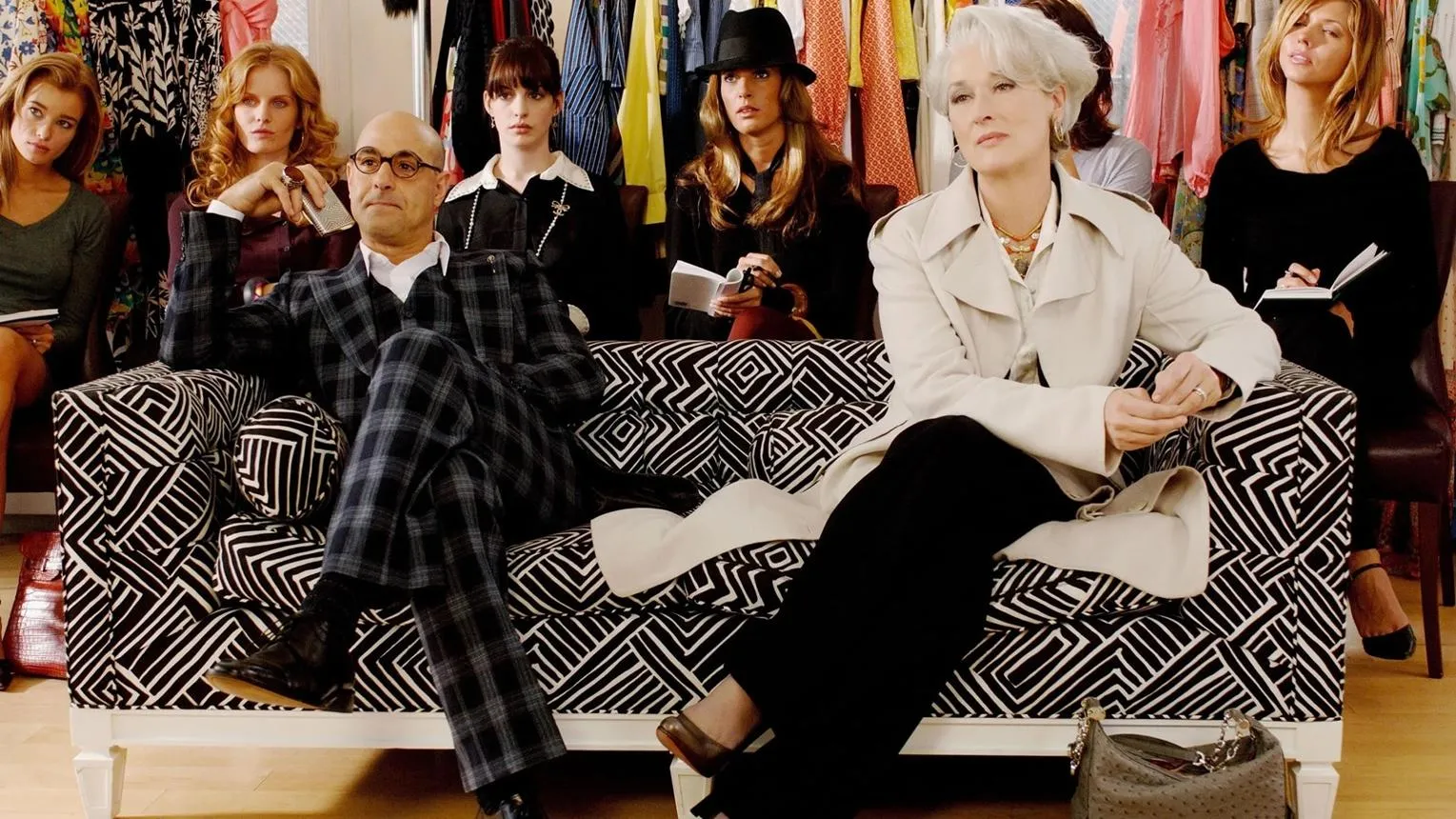
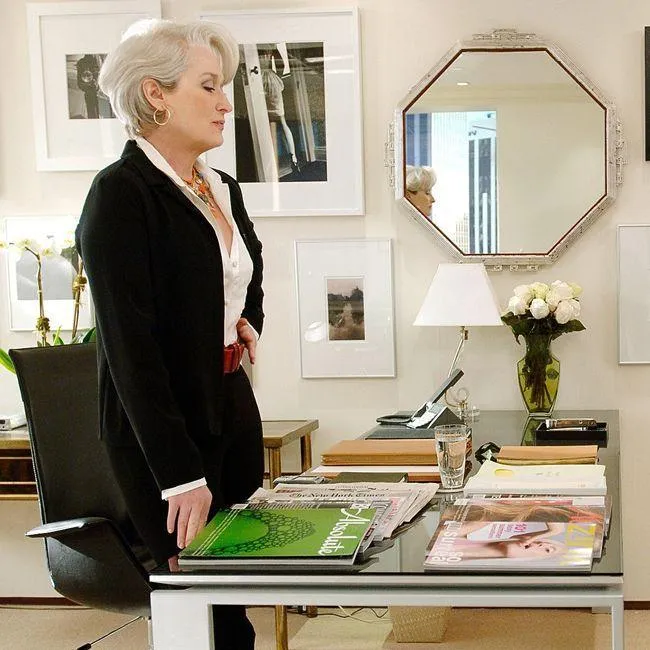
The character still dominates social media conversations because she represents:
- Ruthless professionalism
- Elite standards
- Emotional detachment in leadership
- The seductive nature of power
The famous Cerulean monologue has especially resurfaced online. What once felt like a clever fashion speech now feels like a commentary on influence itself — how trends trickle down from elite decision-makers into mainstream culture.
Today, Cerulean has become both a meme and a symbol of how industries shape public taste without people realizing it.
Before Social Media, Fashion Felt Exclusive
One reason the original film felt magical was timing.
It existed before the explosion of social media, TikTok culture, influencer marketing, and algorithm-driven publishing. Fashion still felt aspirational and inaccessible.
Luxury offices looked prestigious. Editorial work felt meaningful. Magazines controlled culture.
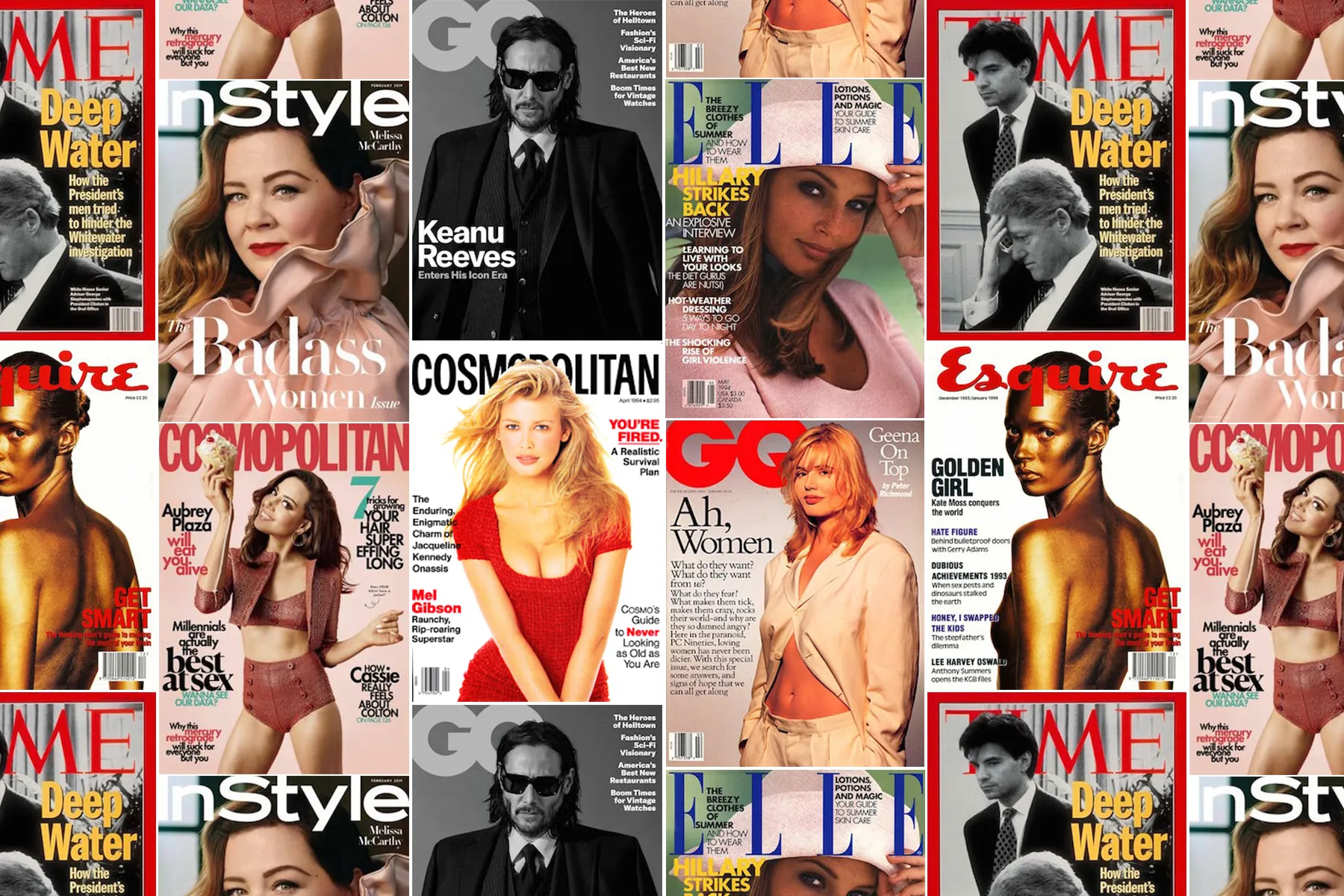
The film even highlighted absurd levels of elite privilege — including the unforgettable moment involving unpublished Harry Potter manuscripts being delivered before the public could access them.
That scene perfectly captured how power works:
the higher your status, the more inaccessible worlds suddenly become available to you.
The movie also quietly addressed:
- High divorce rates among successful professionals
- Workplace affairs developing through proximity and pressure
- Identity changes caused by fast-moving careers
- The loneliness hidden beneath glamorous lifestyles
Yet despite all this, the film still believed people could remain true to themselves.
That optimism defined the original.
The Devil Wears Prada 2 Reflects Today’s Corporate Burnout Culture
The sequel shifts dramatically from aspiration to survival.
Where the first movie celebrated glamour and exclusivity, #TheDevilWearsPrada2 examines:
- Cost-cutting
- Downsizing
- AI-generated content
- The death of long-form editorial storytelling
- The rise of comfort wear and casual work culture
- The collapse of exclusivity in the digital age

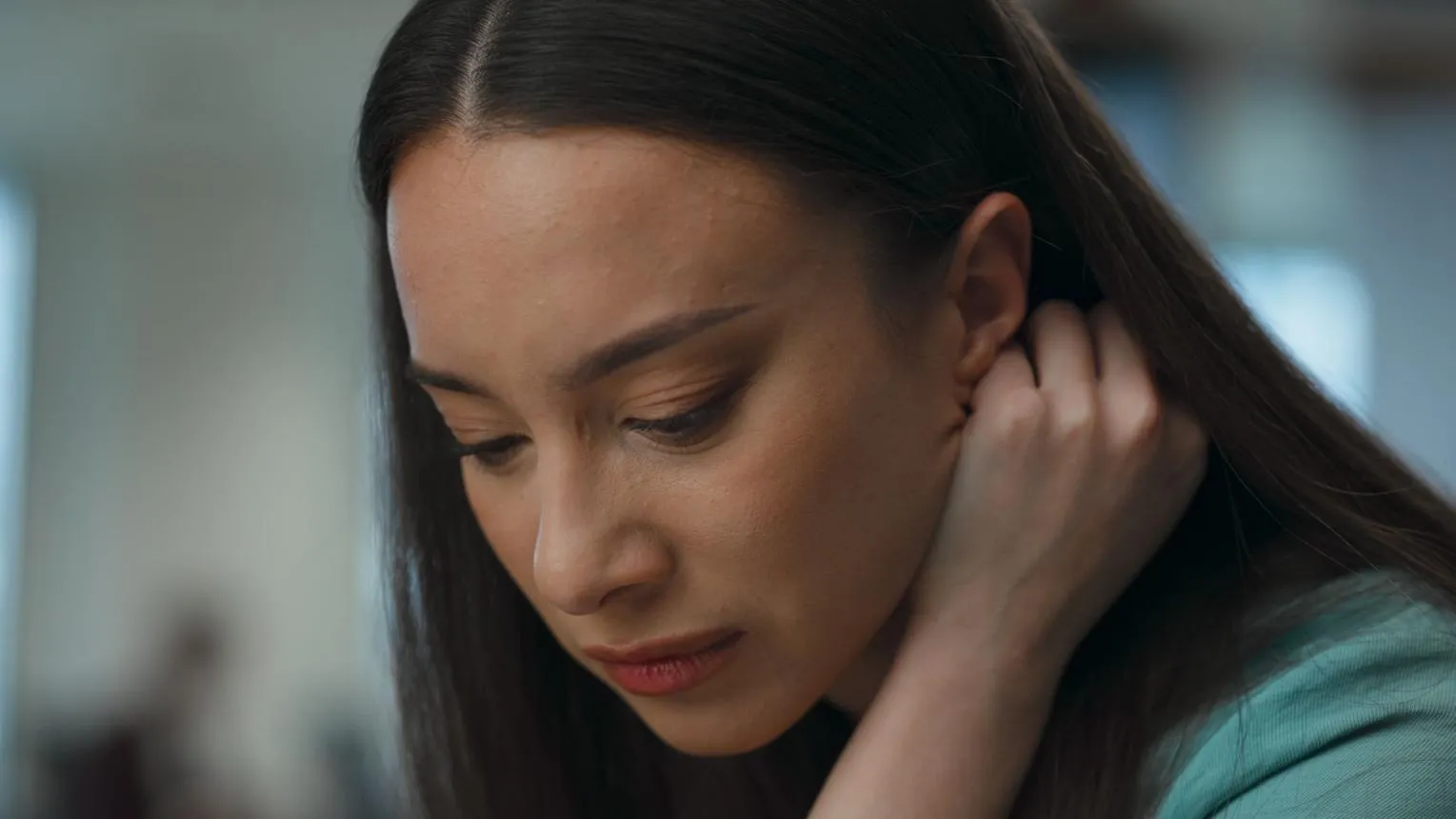
The sequel feels especially relatable for people stuck in modern corporate life.
Today, content no longer feels curated. It feels endless.
The internet rewards speed over thoughtfulness. Everyone can publish. Everyone can become visible. And as a result, quality often gets buried beneath noise.
The movie captures this frustration perfectly:
the sense that culture has become “garbage in, garbage out.”
In many ways, the sequel isn’t just criticizing fashion media — it’s criticizing the entire modern attention economy.
The Loss of Glamour in the Digital Era
One of the most powerful themes in the sequel is the disappearance of aspiration itself.
Luxury once felt distant and motivating. Today, everything feels instantly accessible through phones and social media feeds.
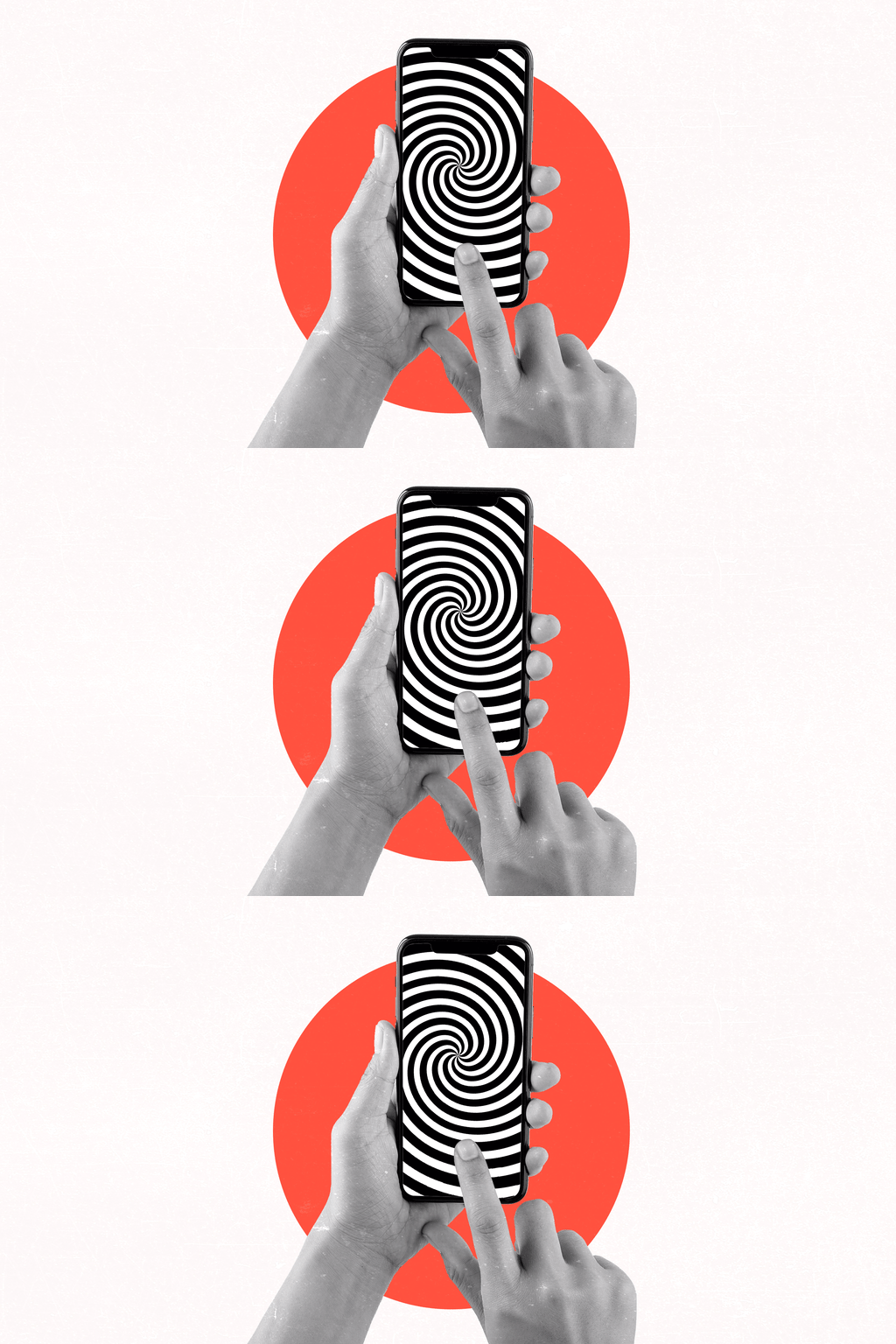
The movie subtly explores:
- The death of exclusivity
- The decline of aspirational workplaces
- The disappearance of formal office culture
- Remote work replacing cinematic office environments
- Casual wear replacing iconic fashion statements
Coworking spaces and work-from-home culture have flattened visual identity across industries.
Even success itself now feels temporary.
The sequel’s underlying message is terrifyingly modern:
you can buy the house, the car, the luxury vacation — and still lose everything overnight because layoffs can happen anytime.
That anxiety resonates far beyond fashion.
Why the Sequel Connects More With Corporate Professionals
Ironically, the sequel may connect more deeply with working adults than the original ever did.
The first movie appealed to dreamers.
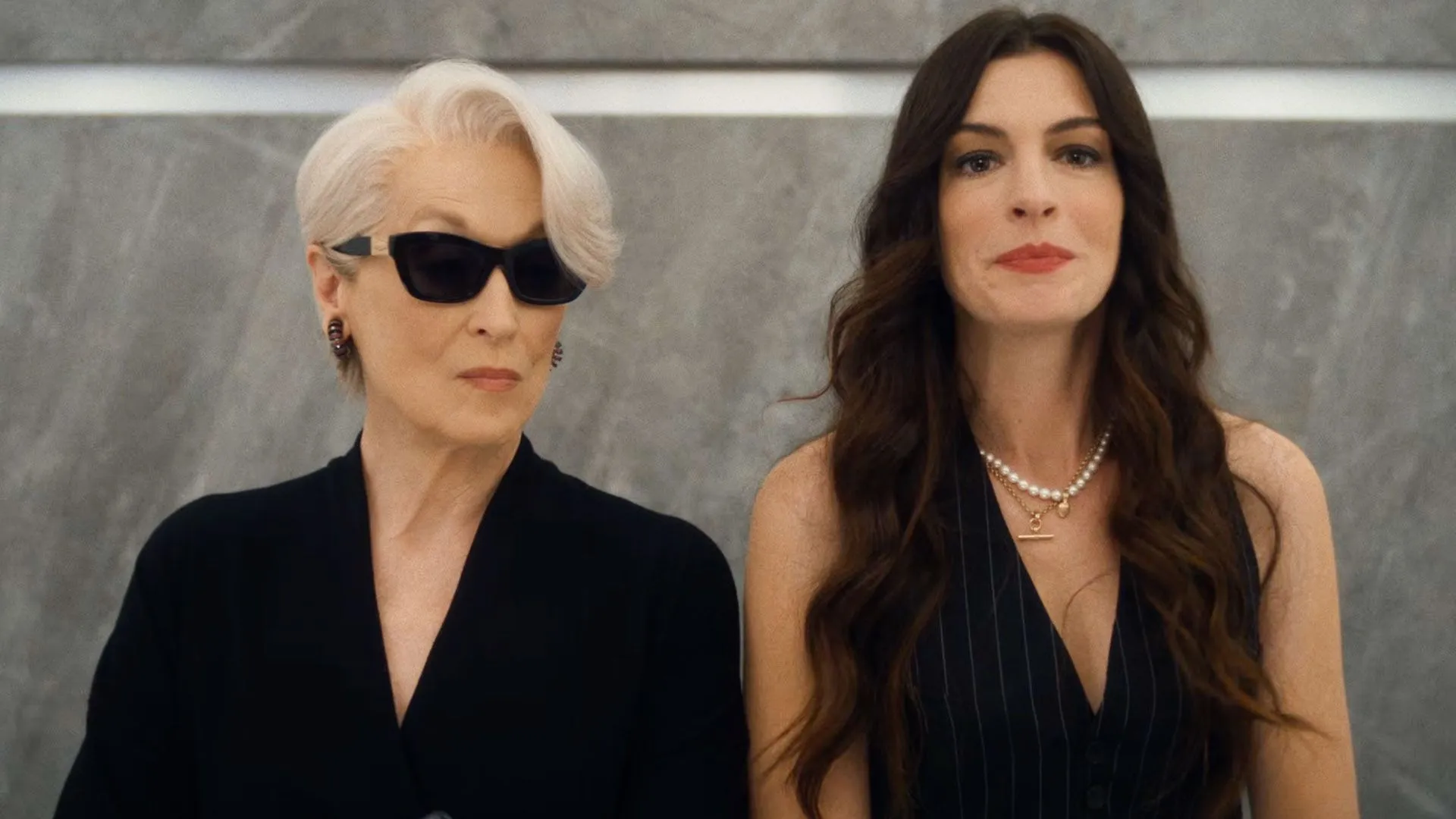
The second speaks directly to exhausted professionals navigating:
- Job insecurity
- Burnout
- Disposable corporate culture
- Content overload
- AI disruption
- Endless scrolling and shrinking attention spans
Well-thought-out journalism and carefully crafted editorials now compete against 10-second reels and TikTok clips.
That shift changes not just media, but how people think and consume emotion itself.
Emily Blunt Remains the Emotional Heart of the Franchise
Among all returning characters, Emily Blunt once again steals the spotlight.
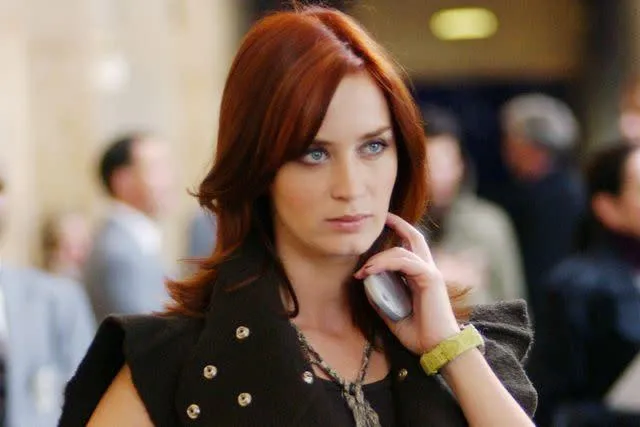
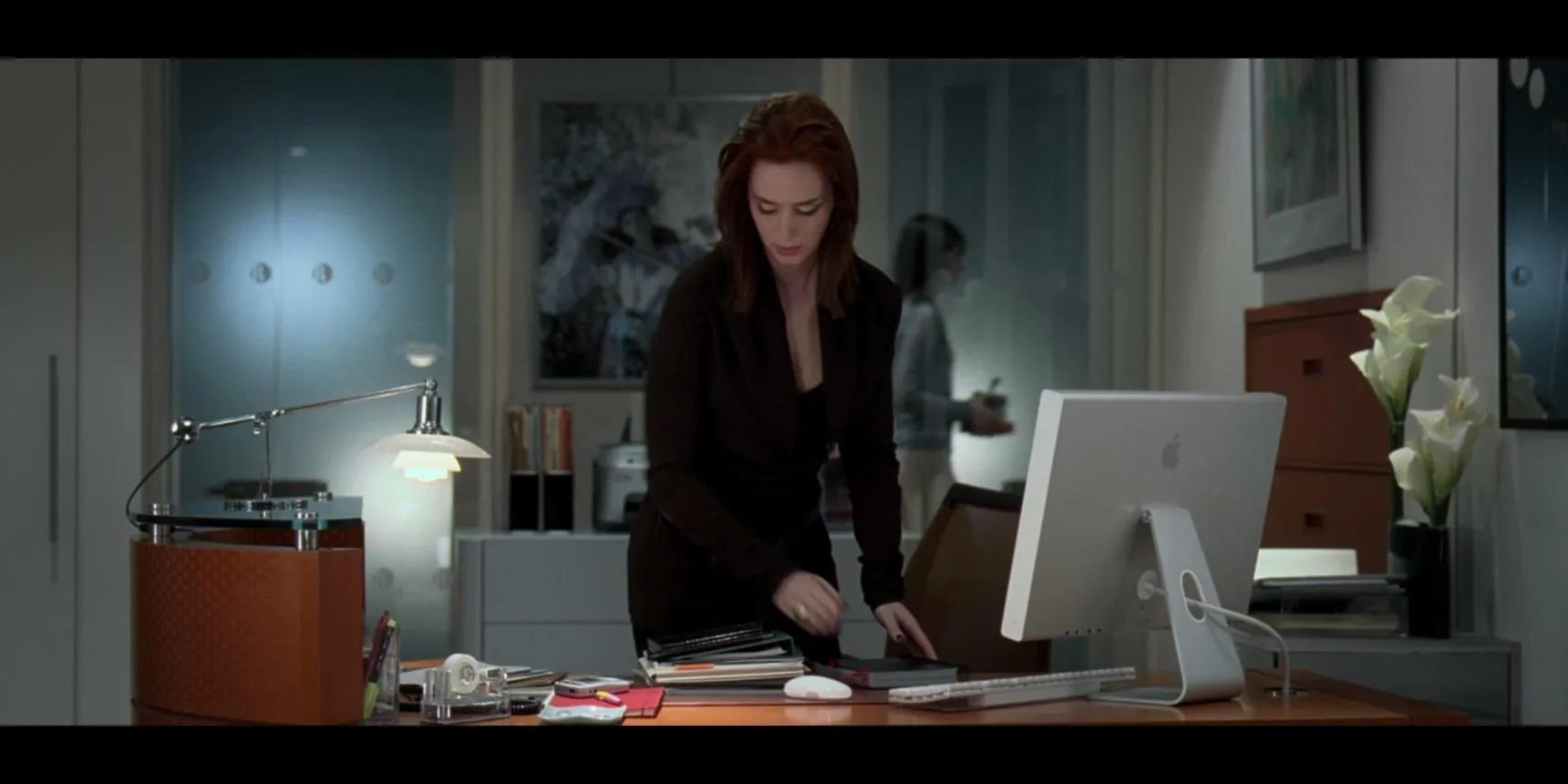
What makes her so memorable is her balance:
- hardworking yet insecure
- sharp yet approachable
- stylish yet emotionally relatable
The sequel also gives her emotional depth through family struggles and career pressure, making her far more than comic relief.
For many viewers, she becomes the most emotionally accessible character in the story.
The Cameos Add Modern Cultural Relevance
One thing the sequel handles cleverly is celebrity culture itself.
Cameos from figures like Lady Gaga, Donatella Versace, and Amelia Dimoldenberg bridge old-school fashion prestige with internet-era fame.

These appearances reinforce the movie’s larger commentary:
fashion no longer belongs only to elite editors and designers. Internet personalities now shape trends just as much as luxury houses do.
That cultural transition sits at the center of the sequel’s identity.
The Sequel Is Better Paced and More Cinematic Than Expected
Initially, the sequel feels like a “watch-at-home” streaming movie rather than a theatrical experience.
But surprisingly, it works extremely well in cinemas.
The pacing feels sharper than the original:
- tighter editing
- cleaner visual storytelling
- stronger transitions
- more polished costume design
- modern cinematography that enhances the fashion world
While the first movie relied heavily on dialogue and character interactions, the sequel understands modern viewing habits and moves faster without losing emotional weight.
Read More on Best Moon Travel Movies: Top Feature Films & Documentaries About the Moon Landing
A Fashion Movie That Became a Reflection of Modern Anxiety
The original Devil Wears Prada was about ambition, glamour, and identity.
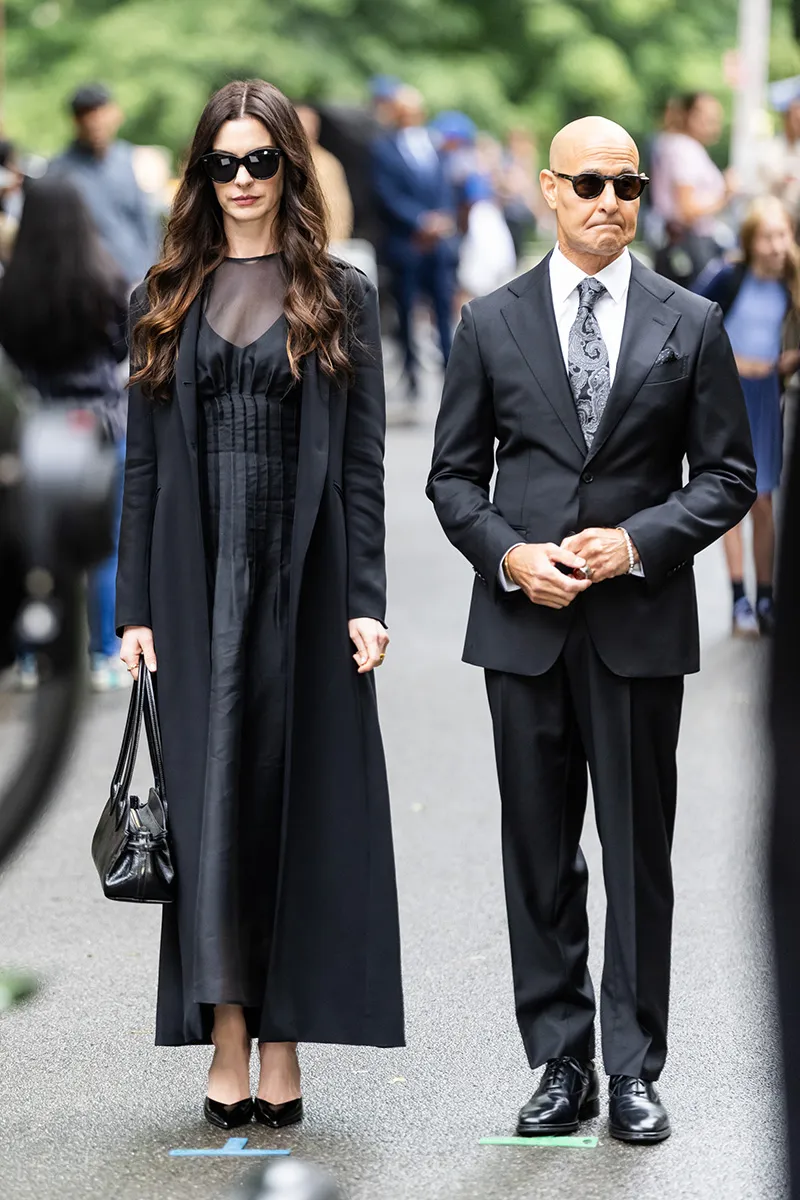
The sequel is about survival in a collapsing attention economy.
That evolution is exactly why #TheDevilWearsPrada2 resonates so strongly today.
It captures a generation exhausted by:
- layoffs
- AI-generated content
- disappearing exclusivity
- social media noise
- corporate instability
- and the fear that everything meaningful is slowly being replaced by disposable content
Yet despite all its cynicism, the sequel still finds humanity in its characters — especially through Emily Blunt’s warmth and Miranda Priestly’s evolving understanding of relevance and control.
Final Verdict
In the end, The Devil Wears Prada 2 succeeds not because it tries to recreate the magic of the original, but because it understands how drastically the world has changed since then. The first movie captured aspiration, exclusivity, and the seductive pull of ambition. The sequel captures instability, burnout, digital overload, and the quiet fear that relevance itself now has an expiration date.
It trades glossy fantasy for modern realism — and surprisingly, that makes it resonate even more deeply with today’s audience, especially working professionals navigating layoffs, shrinking attention spans, AI-generated content, and an increasingly disposable corporate culture.
While it may not fully reach the iconic heights of the original, the sharper pacing, stronger visual presentation, modern themes, and returning performances — especially from Emily Blunt and Meryl Streep — make it an engaging and surprisingly thoughtful theatrical experience.
Final Rating: 3.5/5
By Tommy Thounaojam Editor TrendBrewers