The Ultimate Guide to Luxury Watch Brands: Hierarchy, Investment, and Style
Understanding the world of luxury timepieces can be daunting. This comprehensive guide breaks down the top watch brands, their unique positions in the market, when to acquire them, and why they command such high prices from both a style and investment per
The Hierarchy of Luxury Watch Brands: Understanding Status, Craftsmanship, and Style
Written by [Tommy Thounaojam] TrendBrewers Editor
“You never actually own a luxury watch—you become part of its story.”
When it comes to luxury watches, not all timepieces are created equal. While personal taste always matters, the global watch community—collectors, enthusiasts, and influencers alike—recognises a hierarchy of brands.
This ranking reflects craftsmanship, heritage, innovation, exclusivity, and price, helping aficionados evaluate their collections or dream pieces.
Luxury watches go beyond telling time. They’re symbols of achievement, artistry, and identity—each tier representing a different blend of design mastery, engineering excellence, and social status.
1. The “Hyper-Luxury” Tier
The Pinnacle of Horology
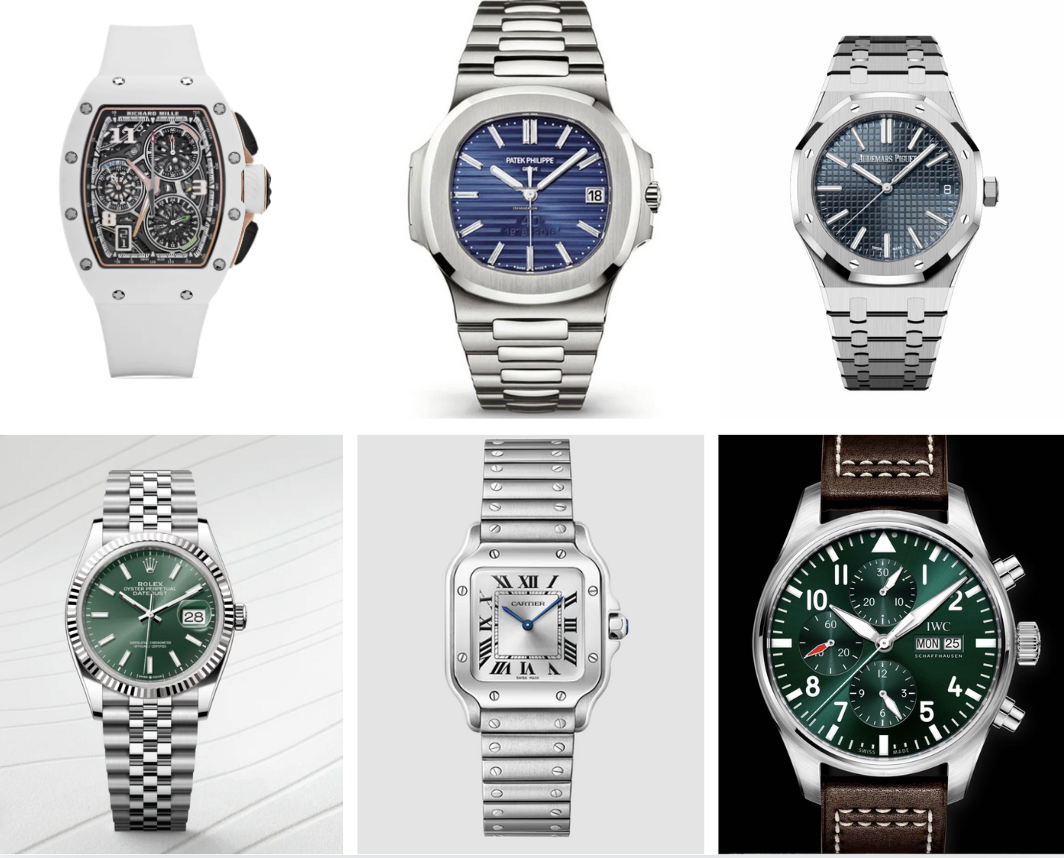
Brands: Richard Mille, Patek Philippe, Audemars Piguet
Richard Mille – The Brand of the Billionaires
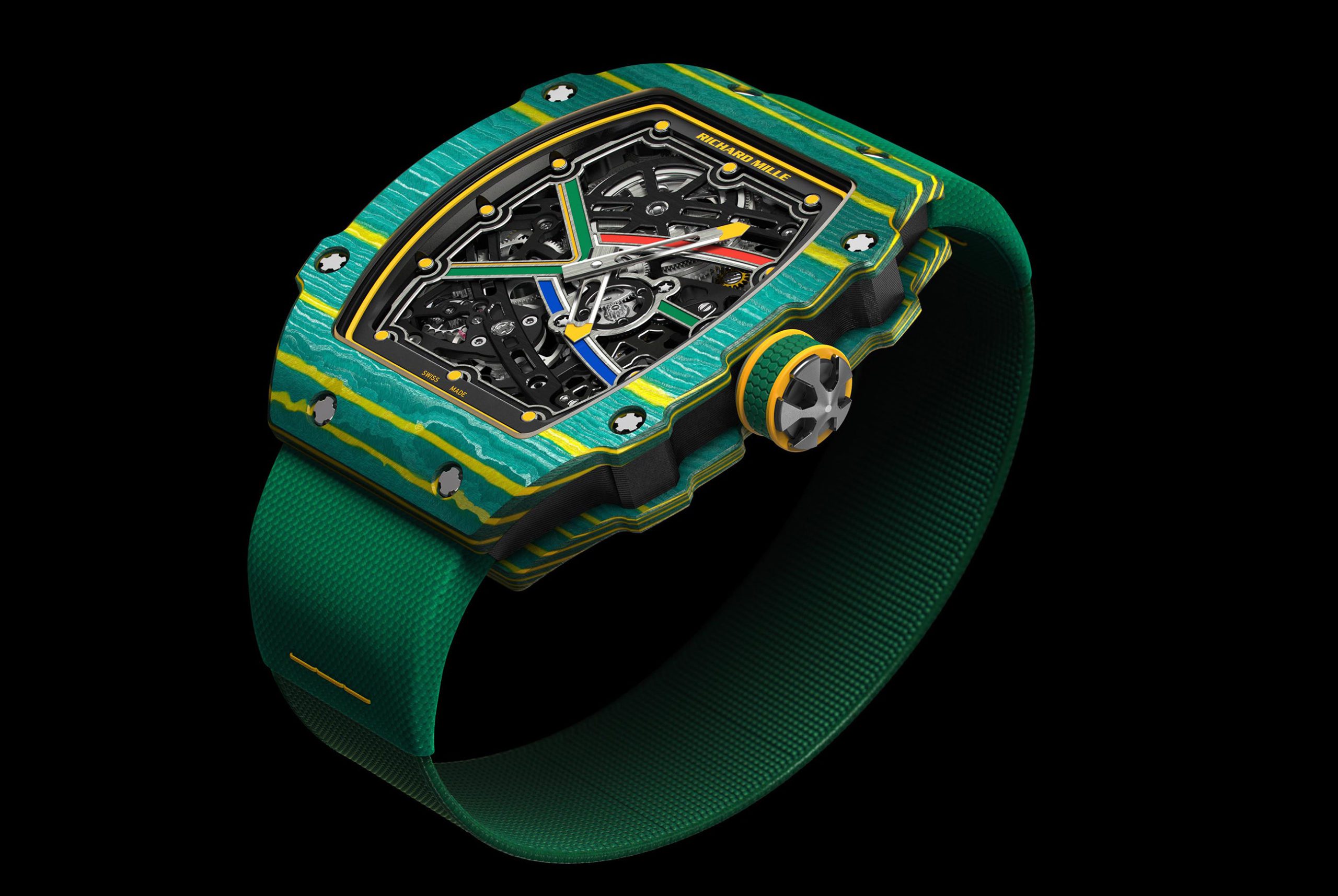
Richard Mille watches are technological marvels, often made with space-age materials like carbon composites and titanium. Lightweight yet rugged, they combine Formula 1 engineering with avant-garde aesthetics. Each piece screams ultra-wealth and innovation—often worn by athletes and ultra-high-net-worth individuals.
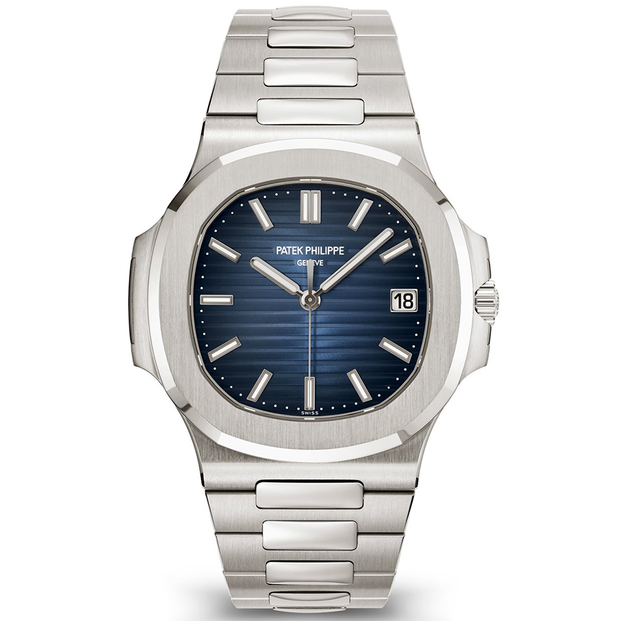
Patek Philippe – The Old-Money King
Few brands carry as much prestige as Patek Philippe. With over 180 years of tradition, Patek embodies heritage, refinement and legacy. Their famous slogan says it best:
“You never actually own a Patek Philippe. You merely look after it for the next generation.”
Each piece is an heirloom—timeless, elegant, and built for connoisseurs of quiet sophistication.
Audemars Piguet – The Modern Iconoclast
Audemars Piguet disrupted tradition in 1972 with the Royal Oak—a bold luxury sports watch crafted in steel rather than gold. The design became a phenomenon, symbolising new-money confidence and modern design rebellion. Today AP watches remain favourites among entrepreneurs, creatives and celebrities.

2. The “Aspirational Luxury” Tier
Global Recognition and Status

Brands: Rolex, Cartier
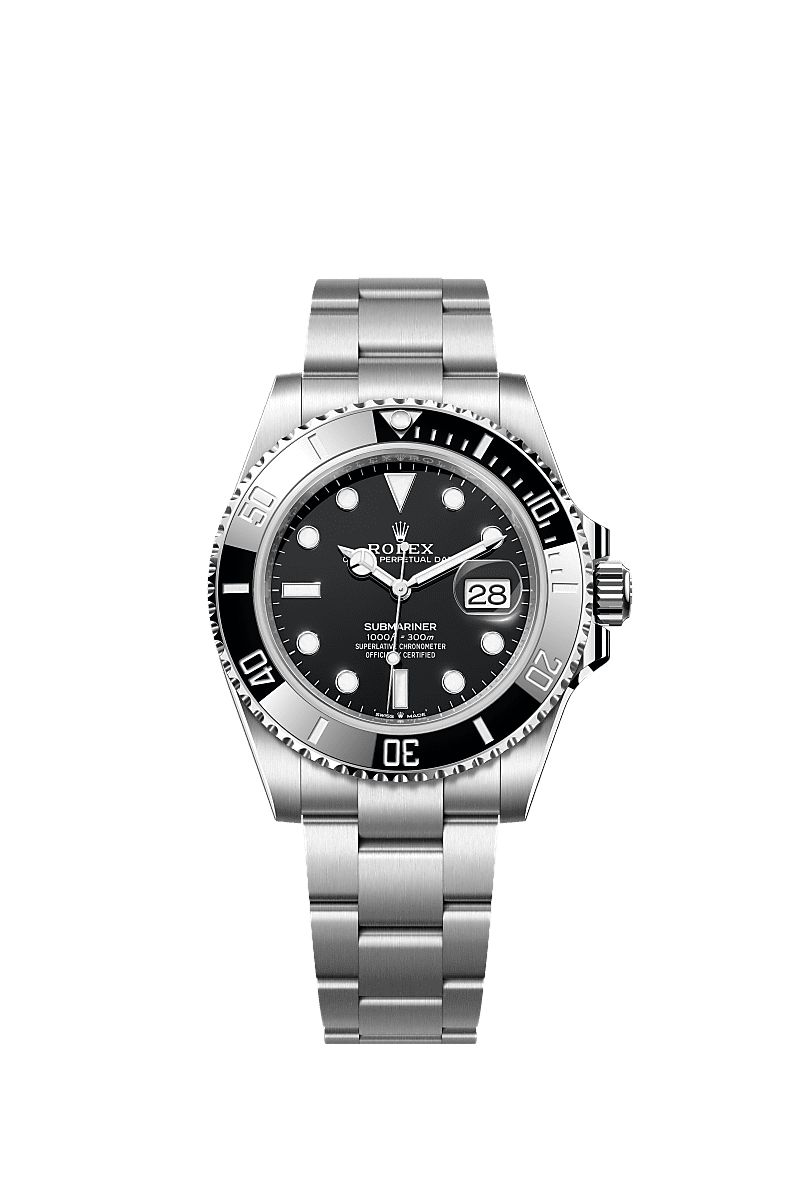
Rolex – The Universal Symbol of Success
Rolex is the most recognisable luxury watch brand in the world. Its models—like the Submariner, Daytona, and GMT-Master II—are cultural icons known for reliability, performance, and prestige.
Owning a Rolex marks a milestone of accomplishment. It’s not just a watch—it’s a badge of earned success.
Cartier – Where Jewellery Meets Horology
Originally a jeweller to royalty, Cartier blends elegance and precision. Watches like the Tank and Santos are icons of design—favoured by executives, artists, and style leaders. Cartier represents timeless sophistication with a fashion-forward edge, bridging haute joaillerie and fine watchmaking.
3. The “Established Prestige” Tier
The Connoisseur’s Choice
Brands: IWC Schaffhausen, Jaeger‑LeCoultre
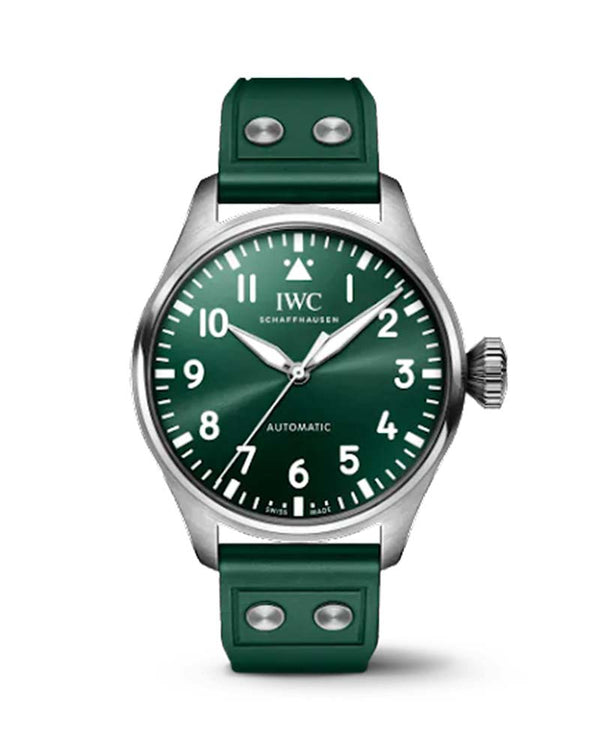
IWC Schaffhausen – Engineering Meets Elegance
Known for its pilot’s watches and technical precision, IWC blends robust engineering with minimalist design. It’s often the “first bonus-check” watch—a symbol of professional success and an appreciation for mechanical excellence.
Jaeger-LeCoultre (JLC) – The Watchmaker’s Watchmaker
JLC is revered for crafting in-house movements—the beating heart of mechanical timepieces. Their Reverso, originally designed for polo players, remains a masterpiece of innovation and style. Owning a JLC signals true horological passion rather than mere brand prestige.
4. The “Entry-Luxury” Tier
Accessible Heritage and Quality

Brands: TAG Heuer, Longines
TAG Heuer – Speed, Style, and Sport
Famous for its ties to motorsport, TAG Heuer offers sporty, reliable timepieces that deliver Swiss prestige at approachable prices. The Carrera and Monaco lines are perfect for those who love adrenaline-fueled design and performance.
Longines – Classic Elegance, Swiss Heritage
Founded in 1832, Longines is synonymous with refined, traditional design. Its watches combine historic charm with modern reliability—ideal for collectors seeking affordable timelessness.
Why Luxury Watches Are So Expensive

1. Craftsmanship & Hand-Finishing
Every luxury watch is assembled by hand by skilled artisans. Even the smallest movement may take months to complete.
2. In-House Movements
Top-tier brands—like Patek Philippe, Audemars Piguet, and JLC—design and build their own movements, a hallmark of watchmaking mastery.
3. Rare Materials
From 18k gold and platinum to sapphire crystal and ceramics, the materials used are premium and durable.
4. Limited Production
Exclusivity creates demand. Many high-end models are produced in small batches, ensuring scarcity and collectible value.
5. Brand Legacy
A Rolex or Patek isn’t just a watch—it’s a century-old story of innovation and excellence, often increasing in value over time.
6. Innovation & Research
Luxury brands invest millions in engineering breakthroughs, ensuring precision, durability, and creative complication.
7. Marketing & Prestige
Endorsements, sponsorships, and storytelling turn each watch into a cultural symbol of success.
Final Thoughts
Luxury watches are wearable works of art—each one a balance of heritage, innovation, and status. Whether you’re buying your first Longines or admiring a Patek Philippe from afar, understanding this hierarchy helps you appreciate the world of horology with depth and perspective.