The Invention of Lying (2009) Review: Ricky Gervais’ Smart Idea That Never Fully Lands
A deep dive into The Invention of Lying (2009), its reviews, audience reaction, ratings, humor, and why its brilliant premise still feels unfinished.

Imagine waking up tomorrow in a world where nobody could lie.
No fake LinkedIn enthusiasm.
No “Let’s catch up soon.”
No “I have read and agree to the Terms & Conditions.”
Banks would panic. Politicians would retire. Influencers would disappear faster than a crypto exchange in a bear market.
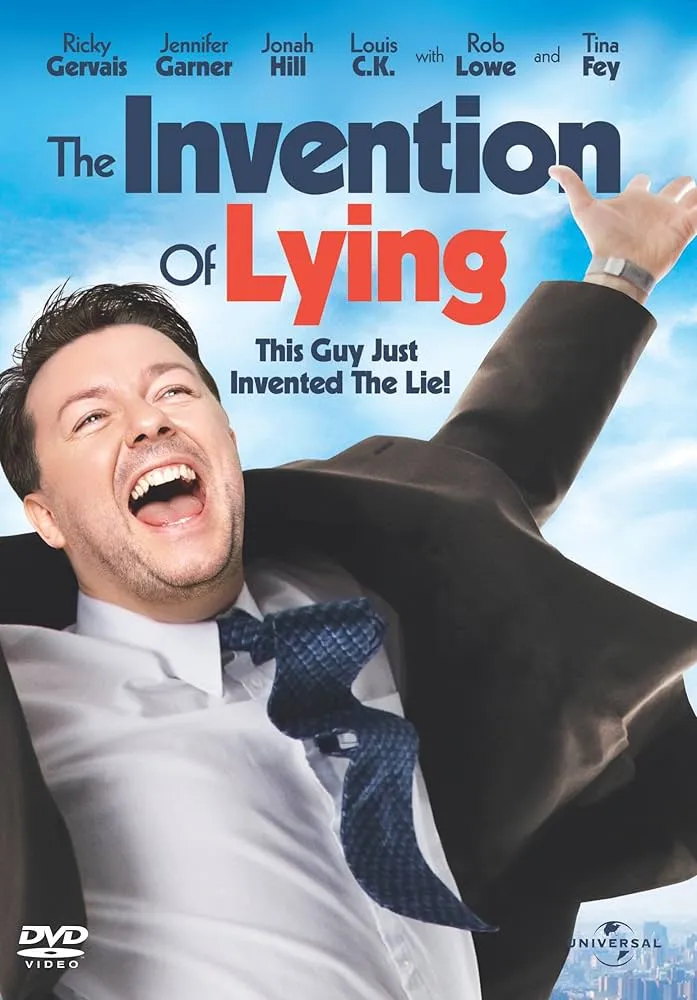
That bizarrely fascinating premise sat at the heart of The Invention of Lying (2009), Ricky Gervais’ ambitious fantasy-comedy about a society where human beings are biologically incapable of dishonesty — until one man accidentally invents lying.
On paper, it sounds like one of the sharpest satire concepts of the 2000s.
In execution, however, the film became one of Hollywood’s most divisive “great idea, uneven movie” experiments.
Fifteen years later, the movie has found a strange second life online, especially as memes circulate asking:
“If lying stopped today, which industry would collapse first?”
Ironically, that exact question is what The Invention of Lying tried to answer long before social media turned it into a joke format.
And maybe that is why the film remains culturally relevant — even if it never fully became the classic it wanted to be.
What Is The Invention of Lying About?
Directed by Ricky Gervais and Matthew Robinson, The Invention of Lying takes place in an alternate reality where lying simply does not exist.
People say exactly what they think — brutally and immediately.
Advertisements are painfully honest.
Dates are emotionally catastrophic.
Movies consist only of historical facts because fiction itself does not exist.
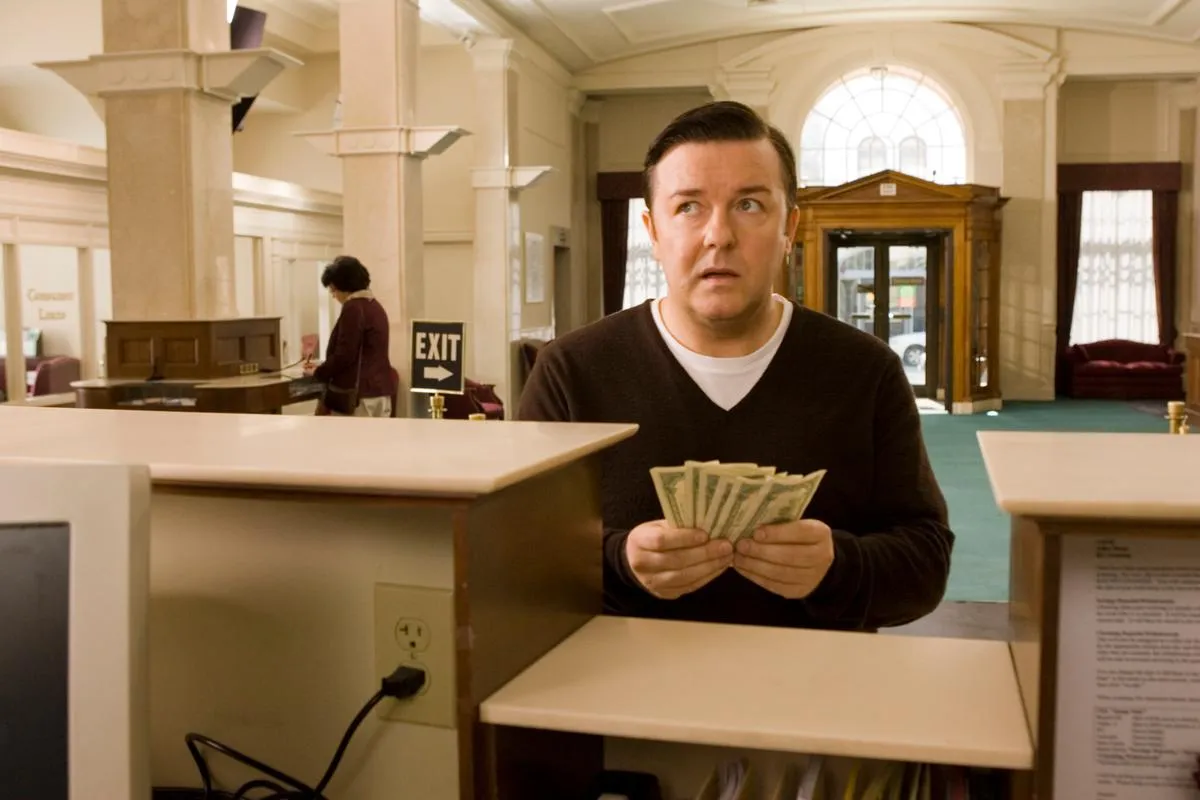
Mark Bellison (Ricky Gervais) is a struggling screenwriter considered unattractive, unsuccessful, and genetically undesirable by societal standards. During a financial crisis, he accidentally discovers something nobody else can comprehend: the ability to lie.
At first, he uses this newfound power selfishly — to get money, status, and success.
But the story takes a philosophical turn when Mark comforts his dying mother by inventing the concept of heaven. Society immediately believes him, turning Mark into an accidental prophet.
What begins as satire slowly evolves into commentary on religion, morality, romance, capitalism, and human insecurity.
And that tonal shift is exactly where audiences became split.
The Core Idea Was Brilliant
Even critics who disliked the movie generally agreed on one thing:
The concept was exceptional.
The film cleverly explores how civilization itself is built on selective dishonesty. Social systems, religion, relationships, politics, advertising, and even basic politeness rely on forms of constructed truth.
Some of the movie’s funniest moments come from that brutally honest world:
Coca-Cola advertisements openly admitting the drink is unhealthy
People insulting each other casually at restaurants
Doctors speaking with horrifying bluntness
Hollywood making films based entirely on historical lectures
For its first 30 minutes, the film feels like a sharp intellectual satire in the vein of The Truman Show or Thank You for Smoking.
But many viewers felt the movie gradually lost momentum.
And they were not alone.
Critics Response: “Great Premise, Weak Follow Through”
The movie received mixed reviews upon release. (Rotten Tomatoes)
Ratings Across Major Platforms
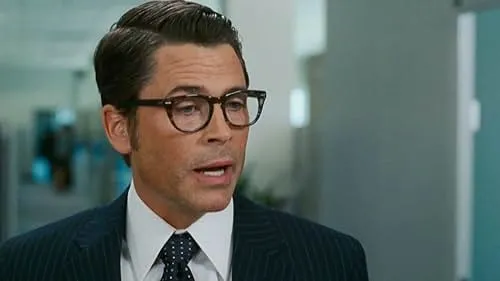
Rotten Tomatoes Critics Score: 56% (Rotten Tomatoes)
Rotten Tomatoes Audience Score: 39% (Rotten Tomatoes)
IMDb Rating: 6.4/10 (IMDb)
Metacritic Score: 58/100 (Metacritic)
The critical consensus on Rotten Tomatoes summarized the issue perfectly:
“It doesn't quite follow through on its promise.” (Rotten Tomatoes)
Roger Ebert praised the film’s originality and called it “remarkably radical,” while other critics argued the screenplay became trapped between satire, romance, and theological commentary. (Metacritic)
Several reviews noted that the film starts as high-concept comedy but gradually drifts into a softer romantic drama without fully committing to either genre.
That inconsistency became one of the movie’s biggest criticisms.
Did Audiences Connect With the Movie?
Partially.
But not emotionally enough.
A recurring audience complaint was that the film’s intellectual ambition outweighed its entertainment value.
Many viewers online echoed a sentiment very similar to yours:
The pacing felt slow
The jokes lacked punch
Ricky Gervais’ deadpan style worked better in short bursts than feature-length storytelling
The romantic chemistry between Ricky Gervais and Jennifer Garner felt forced
One Reddit user bluntly summarized it as:
“The jokes are mostly not funny, and the satire is also weak. The love line is bad.” (Reddit)
Another noted:
“The movie never seems quite sure what type of movie it wants to be.” (Metacritic)
That criticism appeared repeatedly across reviews and audience discussions.
Why the Humor Didn’t Fully Land
The film sits awkwardly between British and American comedic traditions.
And that may have been its biggest structural problem.
Ricky Gervais’ humor thrives on discomfort, silence, cringe, and emotional awkwardness — styles that worked brilliantly in The Office and Extras.
But Hollywood romantic comedies traditionally depend on rhythm, warmth, chemistry, and escalating emotional payoff.
The Invention of Lying tries to blend both.
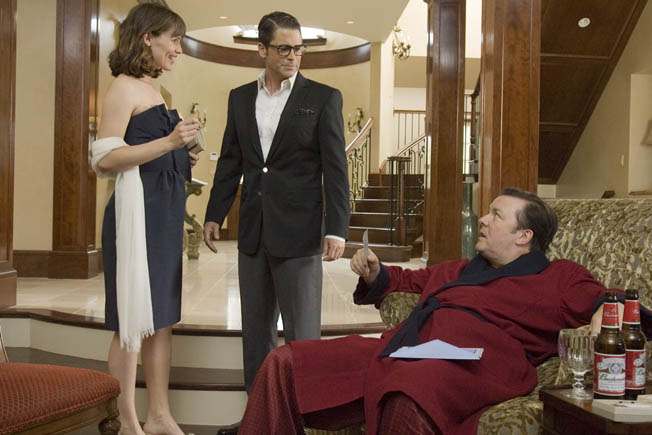
The result feels tonally conflicted.
Scenes that should explode with satire often stop short. Emotional moments become strangely cold. Romantic scenes lack spark. And punchlines frequently arrive with understated delivery that feels muted rather than sharp.
Jennifer Garner brings sincerity to the role, but the chemistry never fully convinces the audience that this relationship is emotionally inevitable.
The movie constantly feels like it is one rewrite away from becoming either:
a darker satire
or a stronger romantic comedy
Instead, it lives somewhere in between.
The Religion Debate Overshadowed Everything
Midway through the film, the story pivots heavily into organized religion.
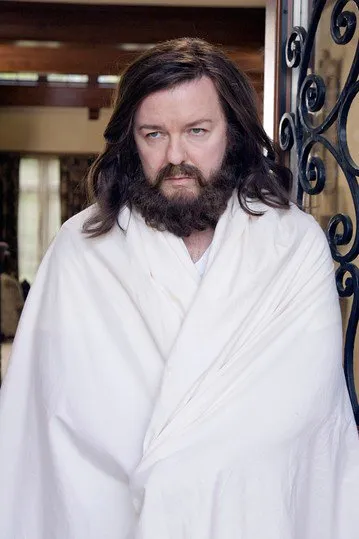
For some viewers, this became the movie’s most interesting layer.
For others, it became repetitive.
Ricky Gervais, a vocal atheist, uses the film to question how belief systems are constructed. But many audiences felt the satire became too direct and less nuanced as the story progressed. (Reddit)
The movie’s philosophical ambitions were admirable.
Its execution, however, often felt more like an extended stand-up thesis than a naturally evolving narrative.
If Lying Actually Stopped Today, What Industries Would Collapse First?
This is where the movie suddenly feels prophetic in 2026.
The viral meme asking:
“If lying stopped, which industry dies first?”
is essentially The Invention of Lying condensed into one internet joke.
Here are the industries the movie indirectly suggests would face immediate collapse:
1. Advertising
The easiest answer.

Imagine:
skincare ads admitting products barely work
fast food companies discussing health risks honestly
influencers revealing paid sponsorships upfront
Modern marketing relies heavily on emotional exaggeration.
Without curated truth, branding changes forever.
2. Politics
Election campaigns would become terrifyingly short.

Diplomatic language, strategic ambiguity, media spin, and public positioning are foundational to politics worldwide.
A world without lying would radically reshape governments within days.
3. Social Media Influencing
Instagram would become a ghost town.
The entire influencer economy depends on perception management:
filtered lifestyles
exaggerated success
manufactured authenticity
The movie predicted this long before “personal branding” became a global business model.
4. Finance and Corporate Culture
Ironically, markets themselves rely heavily on confidence narratives.
Quarterly earnings calls, startup valuations, PR optimism, and investor storytelling all involve strategic framing.
If brutal honesty replaced corporate communication overnight, stock markets would become emotionally violent.
5. Dating Apps
Possibly the first industry to vanish entirely.

Image:Wikihow.com
No bios.
No “6 feet tall.”
No pretending to like hiking.
Human attraction depends partly on presentation, mystery, and selective truth.
The movie understood this deeply.
Why the Film Still Matters Today
Despite its flaws, The Invention of Lying remains culturally fascinating because its premise has aged extremely well.
In an era dominated by:
AI-generated content
misinformation
influencer branding
political spin
algorithm-driven outrage
the film feels less like fantasy and more like social commentary arriving too early.
Its biggest weakness may simply have been timing.
In 2009, the internet was not yet fully consumed by performance culture.
Today, the movie’s central question feels frighteningly relevant:
How much of modern civilization depends on carefully managed dishonesty?
And perhaps the uncomfortable answer is:
More than we want to admit.
Also Read: Why The Devil Wears Prada 2 Feels More Relevant Than the Original
Final Verdict
The Invention of Lying is one of those rare films that people admire more than they enjoy.

Its premise is undeniably brilliant.
Its social commentary remains relevant.
Its philosophical ideas are ambitious.
But the movie itself struggles under the weight of its own intelligence.
The pacing drifts.
The romance lacks emotional electricity.
The satire softens when it should sharpen.
And Ricky Gervais’ dry comedic style — brilliant in television — never fully adapts to the emotional demands of mainstream Hollywood fantasy-comedy.
Yet maybe that imperfection is what keeps the film alive in conversation.
Because while the movie never mastered its own truth, it accidentally exposed one about ours:
Human beings do not just survive on truth.
We survive on comforting fiction, strategic exaggeration, social performance, and hopeful illusion.
Business runs on it.
Politics depends on it.
Relationships soften themselves with it.
And somewhere between honesty and deception lies the strange little performance we call modern life.
Ironically, that may be the movie’s greatest truth of all.
Final Rating for me 3 Stars /5
By Tommy Thounaojam Editor TrendBrewers