
The Deal That Changed the Game: Zee's FIFA World Cup Acquisition
1.8 billion people and no World Cup? For many fans, that was a real possibility. Then ZEE5 stepped in, securing a deal that even Jio couldn't match. Here's how the battle for FIFA World Cup 2026 streaming rights unfolded.
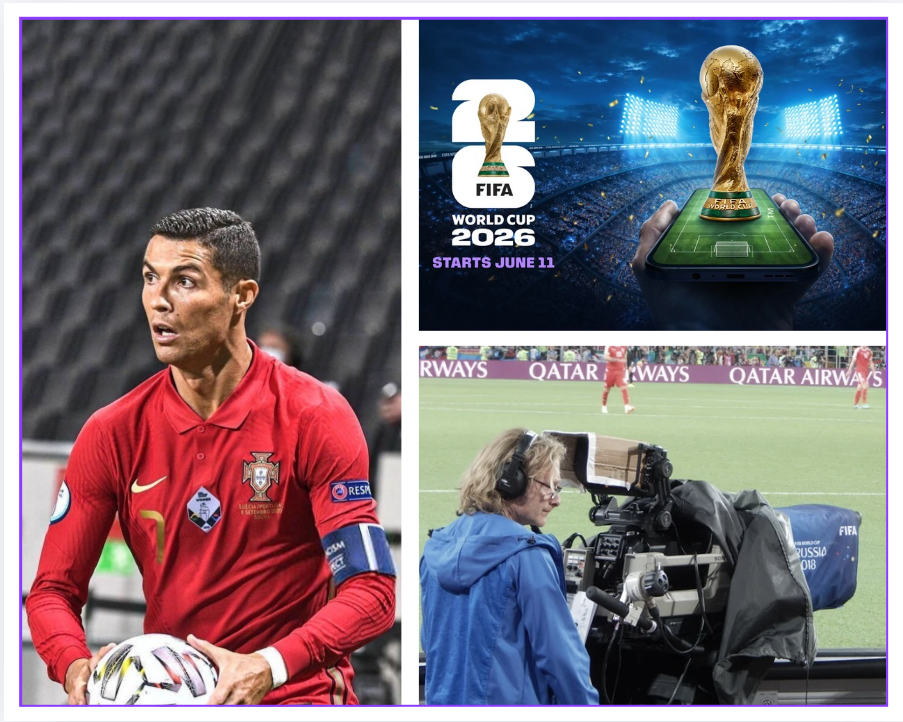
There was no way that an OTT platform was going to miss out on the FIFA World Cup broadcasting for India. The most populated country on earth makes up for around 5% of the viewers. This may sound like a small stat but if you compare it on a global scale, it is roughly 1/19 of the world. This still makes a huge difference in terms of broadcasting revenue.
The offer seemed too good to miss, multiple platforms declined, but one turned out to be a last minute savior.
1.8 Billion Fans, One Massive Opportunity: A last minute proposition
The FIFA World Cup is not just a sporting event, it is perhaps the largest event in the world. The FIFA World Cup averages around 175 million to 194 million live viewers per match globally, with a staggering total reach of 5 billion fans across all broadcast and digital platforms throughout the month-long tournament. These numbers are like eye candy for broadcasters and advertisers alike.
For streaming platforms, securing World Cup rights is about far more than football. It is a chance to attract millions of new subscribers, increase advertising revenue, and strengthen brand recognition in highly competitive markets. Every match generates enormous engagement, creating opportunities for sponsorships, partnerships, and exclusive content that can keep audiences invested long after the final whistle.
As streaming giants grow exponentially each year, the battle between shares for eyeballs is constant between cable TV and streaming. Live sports streaming generates an estimated ‘$24 billion’ to ‘$38.76 billion’ annually, making up a massive portion of the broader multi-billion dollar sports media and broadcasting industry. Driven by digital OTT platforms and tech giant investments, the market is on pace to exceed ‘$83 billion’ by 2030.
The FIFA World Cup remains one of the few events capable of bringing massive audiences together in real time, making its broadcasting rights among the most valuable assets in global sports media.
For companies like ZEE5 and Jio, the race was never simply about showing football matches. It was about securing a foothold in the future of sports entertainment and capturing the attention of one of the largest audiences in the world.

How Zee5 changed the game by thinking long term
By securing a deal for the FIFA World Cup 2026, Zee5 played the smart long term game here and secured a contract until 2034. This includes the 2026 and the 2030 world cup along with the 2027 women’s world cup and the Men’s euros 2028 and 2032. Rather than relying solely on entertainment content, ZEE5 demonstrated its ambition to become a serious destination for live sports.
The acquisition also highlighted the growing importance of streaming platforms in sports broadcasting. As audiences increasingly consume content online, securing premium live events has become a key strategy for attracting new users and retaining existing subscribers. The World Cup offers exactly that, bringing together casual viewers and dedicated football fans for a month-long spectacle.
With a rapidly growing trend of major streaming giants like Netflix and Amazon Prime turning to live streaming sports, Zee5 took the opportunity to strike a deal with FIFA and step their game up in the live sports sector. It was an opportunity to expand its reach, increase engagement, and establish a stronger presence in the competitive streaming landscape. By landing one of the most valuable rights packages in global sports, the platform signaled its intent to play a larger role in the future of sports media and digital entertainment.
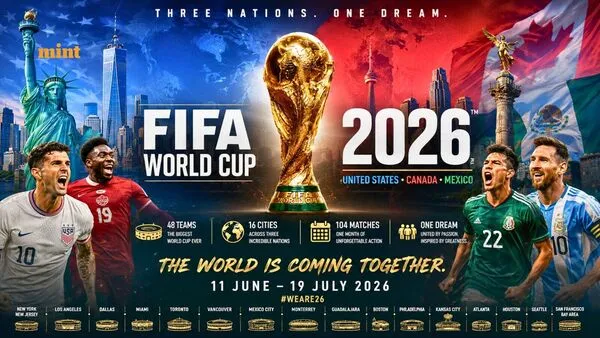
JIO’s missed opportunity: A bad deal that cost JIO dearly
For JIO, missing out on the World Cup rights brings a whole new series of setbacks in its pursuit of premium sporting content. The company has invested heavily in live sporting events over the years, using major tournaments to attract viewers and strengthen its position in India's rapidly growing streaming market. Securing the World Cup would have added another marquee event to its portfolio and further expanded its reach among football fans.
The loss highlights just how competitive the sports broadcasting landscape has become. As streaming platforms battle for audience attention, acquiring exclusive rights to major events is increasingly seen as a strategic necessity rather than a luxury. With billions of viewers expected worldwide, the FIFA World Cup remains one of the few properties capable of generating massive engagement on a global scale.
While Jio continues to hold significant influence in digital entertainment and sports streaming, missing out on the tournament creates an opening for rivals to capture viewers and advertisers during one of the biggest events in world sport. The outcome serves as a reminder that in the race for premium broadcasting rights, even the industry's largest players are not guaranteed victory.

The Business Behind the Broadcast: Zee5’s biggest play yet
Behind every World Cup broadcast lies a complex business ecosystem that is worth billions of dollars. Broadcasting rights are one of the most valuable assets for a broadcaster, with media companies willing to invest heavily in the exclusive rights to the tournament. The reasoning is simple: few events can attract audiences on the scale of the FIFA World Cup, making it a powerful driver of subscriptions, advertising revenue, and brand exposure.
For streaming platforms, the value extends beyond matchday viewership. A major tournament can bring millions of new users to a platform, many of whom may remain subscribers long after the final whistle. Advertisers are also willing to pay premium rates to reach such a large and engaged audience, particularly during high-profile matches and knockout rounds.
The competition for these rights reflects a broader shift in the media industry. As viewers increasingly move from traditional television to digital platforms, live sports have become one of the most effective tools for attracting and retaining audiences. In this environment, securing World Cup rights is not simply a broadcasting decision. It is a long-term investment in market share, audience growth, and the future of a media company's business.
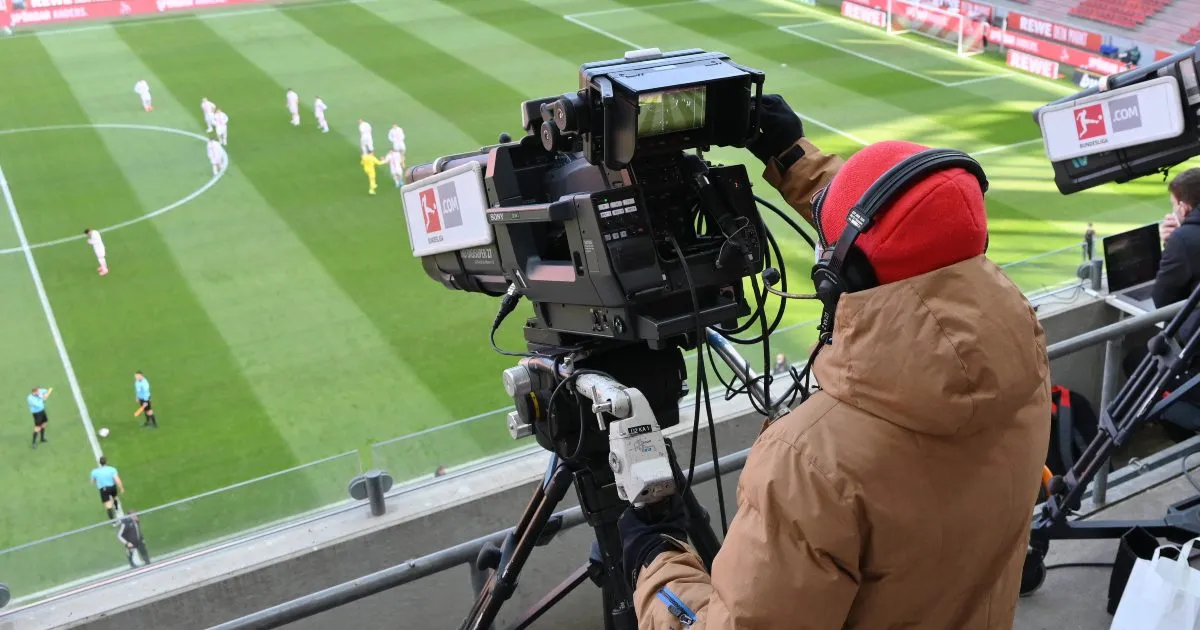
Winners Beyond the Pitch: Who gets the bragging rights
The biggest winners of the FIFA World Cup are not always the teams lifting trophies. Behind the scenes, a wide range of businesses stand to benefit from the tournament's massive global reach. Advertisers, sponsors, streaming platforms, telecommunications providers, and merchandise companies all gain access to one of the largest audiences in sports.
Brands invest heavily in World Cup campaigns because the tournament offers a rare opportunity to engage billions of viewers at once. From global corporations to regional sponsors, companies use the event to increase visibility, launch products, and strengthen consumer loyalty. The attention generated by the competition often extends far beyond the matches themselves, driving conversations across social media and digital platforms.
Streaming services and broadcasters also benefit from increased subscriptions, higher engagement, and premium advertising opportunities. Meanwhile, telecommunications companies experience greater demand for data and streaming services as fans tune in from around the world. Together, these industries form an ecosystem that thrives on the World Cup's unmatched ability to capture global attention.
In many ways, the tournament's influence stretches far beyond the football pitch. While players compete for glory, businesses compete for audiences, making the World Cup one of the most commercially significant events on the planet.
What's next in line for sports streaming?
The battle for FIFA World Cup 2026 is a part of a much larger transformation taking place across the sports media industry. As audiences continue shifting from traditional television to digital platforms, live streaming has become the future of showcasing any live sporting event. The ability to deliver matches on demand, across multiple devices, and to global audiences has fundamentally changed how fans consume live events.
Competition for premium rights is expected to intensify in the years ahead. Broadcasters and streaming platforms increasingly view live sports as one of the few forms of content capable of attracting massive real-time audiences. As a result, companies are likely to invest even more aggressively in securing exclusive tournaments, leagues, and sporting events.
At the same time, fans can expect a more interactive viewing experience. Features such as multi-camera angles, personalized content, real-time statistics, and social media integration are becoming increasingly important as platforms look to differentiate themselves from competitors.
For companies like ZEE5, securing a global event such as the FIFA World Cup is not just about today's audience. It is about establishing a position in the future of sports entertainment. As technology evolves and viewing habits continue to change, the contest for sports streaming dominance may become just as competitive as the action taking place on the field.

Here are some Frequently asked questions:
FAQ 1: Who holds the streaming rights for the FIFA World Cup 2026?
The streaming rights vary by region and country. In several markets, broadcasters and streaming platforms have secured exclusive agreements to bring the tournament to viewers through television and digital services.
FAQ 2: Why are FIFA World Cup broadcasting rights so valuable?
The FIFA World Cup attracts one of the largest audiences in global sports, making it highly attractive to broadcasters, advertisers, and streaming platforms seeking massive viewer engagement.
FAQ 3: How do streaming platforms benefit from major sporting events?
Major tournaments can drive subscriber growth, increase advertising revenue, improve brand recognition, and encourage long-term user retention.
FAQ 4: Why are streaming services investing heavily in sports content?
Live sports remain one of the few forms of content that consistently attract large real-time audiences, making them a powerful tool for audience growth and engagement.
FAQ 5: Will fans still be able to watch the FIFA World Cup on television?
In many regions, World Cup matches will be available through a combination of traditional television broadcasters and digital streaming platforms, depending on local rights agreements.
If you enjoyed reading this article, we think you will like Euro League: An European Twist on the NBA!
Conclusion:
The race for the FIFA World Cup 2026 broadcasting rights demonstrated how valuable live sports has gotten in today’s modern media landscape. What began as a competition for football's biggest tournament evolved into a battle for viewers, subscribers, advertisers, and long-term market influence. By securing the rights, ZEE5 gained a significant opportunity to strengthen its position in the streaming industry, while competitors were left to reassess their strategies.
As the World Cup approaches, the spotlight will be not only on the players and teams competing for football’s greatest prize but also on the platforms bringing the action to billions of fans worldwide. The outcome of this broadcasting battle highlights a simple reality: in today's digital age, the business of sports can be nearly as competitive as the sport itself.
By Siddhant Kohli


