The Day the Internet Chose the Force
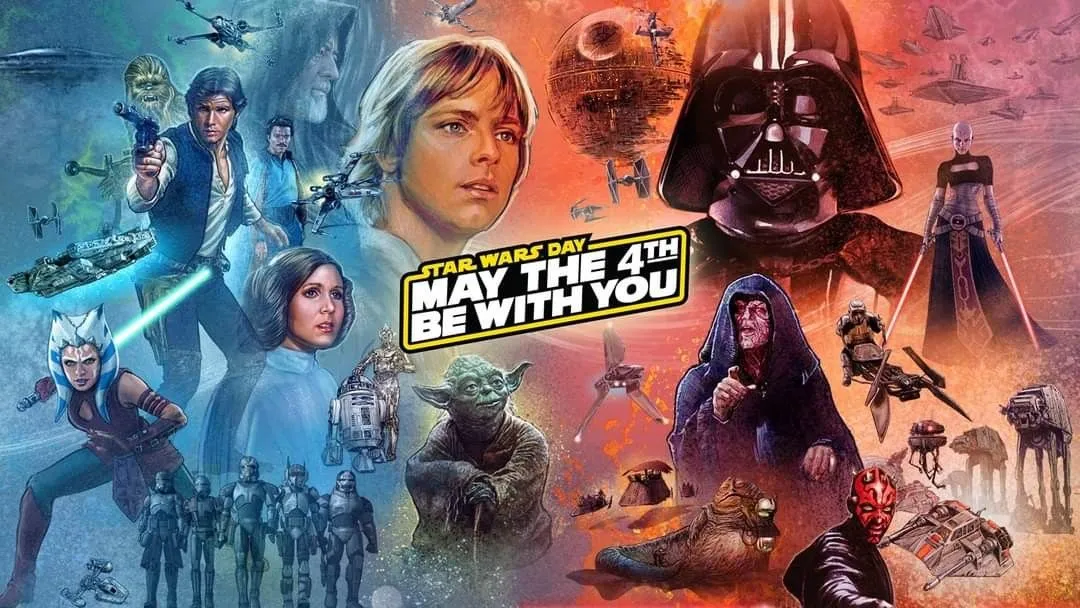
May the Force be with you or “May the 4th be with you?” A fan-driven cultural movement that has grown into a global ritual, taking over Star Wars fans’ calendars each year worldwide.

The real ignition came many decades later, right in the midst of meme internet culture, when anything that was remotely related to pop culture would immediately blow up. Fans started using the phrase in forums and early social media, and it quietly evolved into an inside joke that anyone in the fandom could participate in. No official decree, no studio blueprint, just collective enthusiasm turning a pun into a ritual.
What makes its origins interesting is precisely how unplanned it was. Unlike traditional holidays, May 4th wasn’t designed. It emerged, spread, and solidified purely through fan behaviour, eventually becoming so widespread that even the creators behind the franchise embraced it. A cultural holiday born not in a boardroom, but in the wild, chaotic playground of fandom.
Fan Rise:
If the emotion was a spark in the midst, then the audience became the oxygen that breathed life into this cultural phenomenon. Slowly everyone caught word of this event and it went viral. Through online communities, conventions, cosplay gatherings, and social media campaigns, enthusiasts embraced the date as a way to honor the franchise’s enduring legacy. This grassroots momentum turned a simple pun into a global phenomenon, proving the power of fandom in shaping pop culture traditions. Today, the celebration reflects not only love for the galaxy far, far away but also the influence of passionate communities in creating meaningful modern holidays.
As the fan movement expanded, businesses and entertainment companies began to recognize its popularity, further elevating May the 4th into mainstream awareness. However, at its core, the day remains rooted in the community that built it from the ground up. The fan-driven rise of Star Wars Day showcases how passionate audiences can transform shared enthusiasm into lasting cultural traditions, solidifying May the 4th as more than just a marketing event—it is a true celebration of fandom, creativity, and legacy.
How is May the 4th significant in today' s culture:
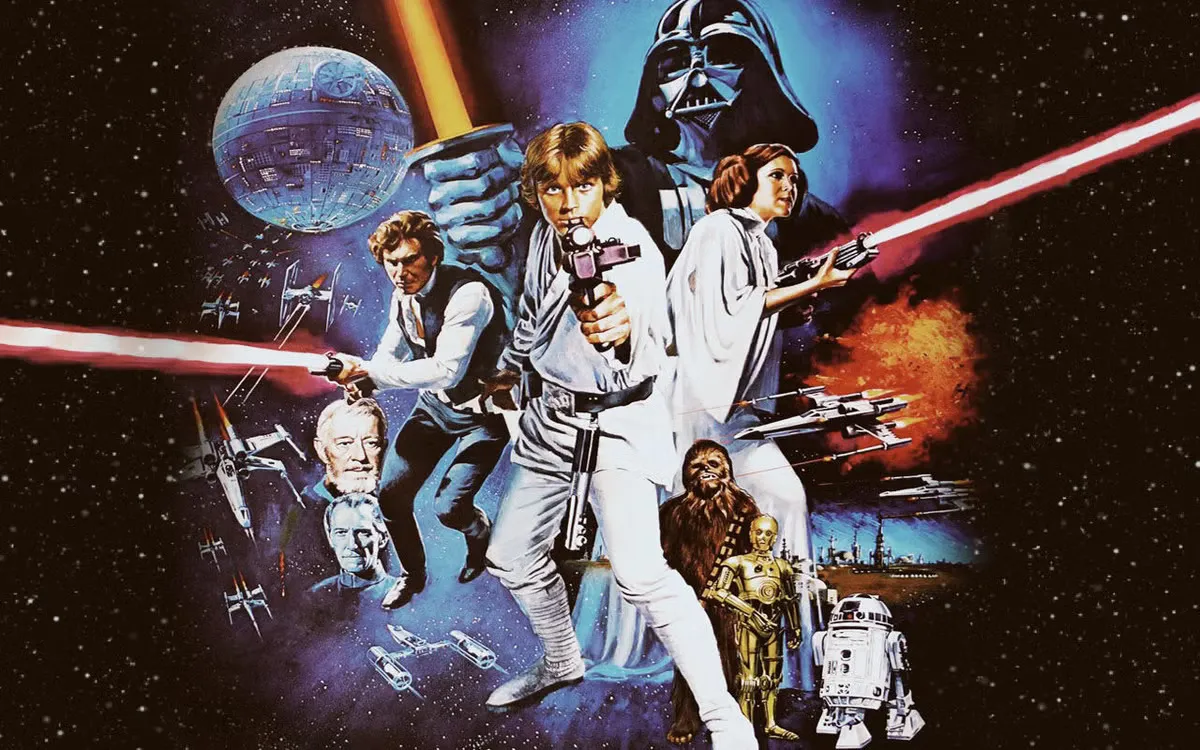
May 4th has grown far beyond a simple fan celebration, becoming a symbol of the lasting cultural influence of Star Wars across generations. The day highlights how the franchise has shaped modern entertainment, storytelling, and popular culture since its debut all the way back in 1977.
Its biggest cultural weight comes from participation. Fans don’t just observe the day, they perform it. Social feeds fill with memes, references, cosplay, and inside jokes, turning the date into a collective experience rather than a passive celebration. The simplicity of the pun makes it endlessly remixable, which is exactly the kind of fuel internet culture thrives on.
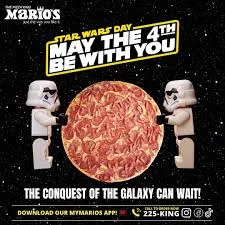
Brands and studios have also woven themselves into the ritual. Companies use May 4th as a stage for themed campaigns, product drops, and announcements, knowing there’s already a captive, enthusiastic audience. What’s interesting is that corporate involvement didn’t create the moment, it followed it. The energy still originates from fans, giving the day a sense of authenticity that many manufactured campaigns lack.
Memes and Virality:
As popular internet culture has gotten, the memes related to May the 4th have only increased and evolved over time. The phrase tied to Star Wars was simple enough to recall over and over. This increased its recall value and made it instantly recognizable.
Every year, the date acts like a reset button for content cycles. Memes reappear, evolve, and multiply across platforms like Instagram, Twitter, and Reddit, where users compete to put a fresh spin on a familiar idea. Some lean into nostalgia, others into absurd humour, but all tap into the same shared reference point.
What makes it particularly viral is timing. Unlike unpredictable trends, May 4th is scheduled for virality. People know it’s coming, prepare content in advance, and then release it in a concentrated burst. This creates a wave effect, where posts feed into each other, amplifying reach and engagement across the internet.
In many ways, May 4th is a case study in how memes sustain themselves. It proves that virality doesn’t always need something new. Sometimes, it just needs the right idea, repeated at the right time, with enough creativity to keep it feeling alive.

Humour and Appeal:
At its core, May the 4th dabble into simple word play, it maintains effortless renewability. It turns a familiar line into something playful without needing explanation. The humour also has a low barrier to entry. You do not need deep knowledge of the films to participate. A simple post, a pun, or a reference is enough. That accessibility invites more people in, turning the day into a shared joke rather than an exclusive one. Furthermore, increasing media reach and allowing one to play around with said joke.
Its appeal grows through repetition and variation. The same core phrase gets reworked into new formats each year, keeping it fresh while still recognizable. Some jokes lean on nostalgia, others on absurdity, but they all orbit the same central idea, which helps the trend stay cohesive.
There is also a sense of timing that adds to the appeal. Because everyone joins in on the same day, the humour feels communal. It is less about a single joke and more about a collective moment where millions of people are in on it together, laughing at the same reference at the same time.
Brands and Movies:
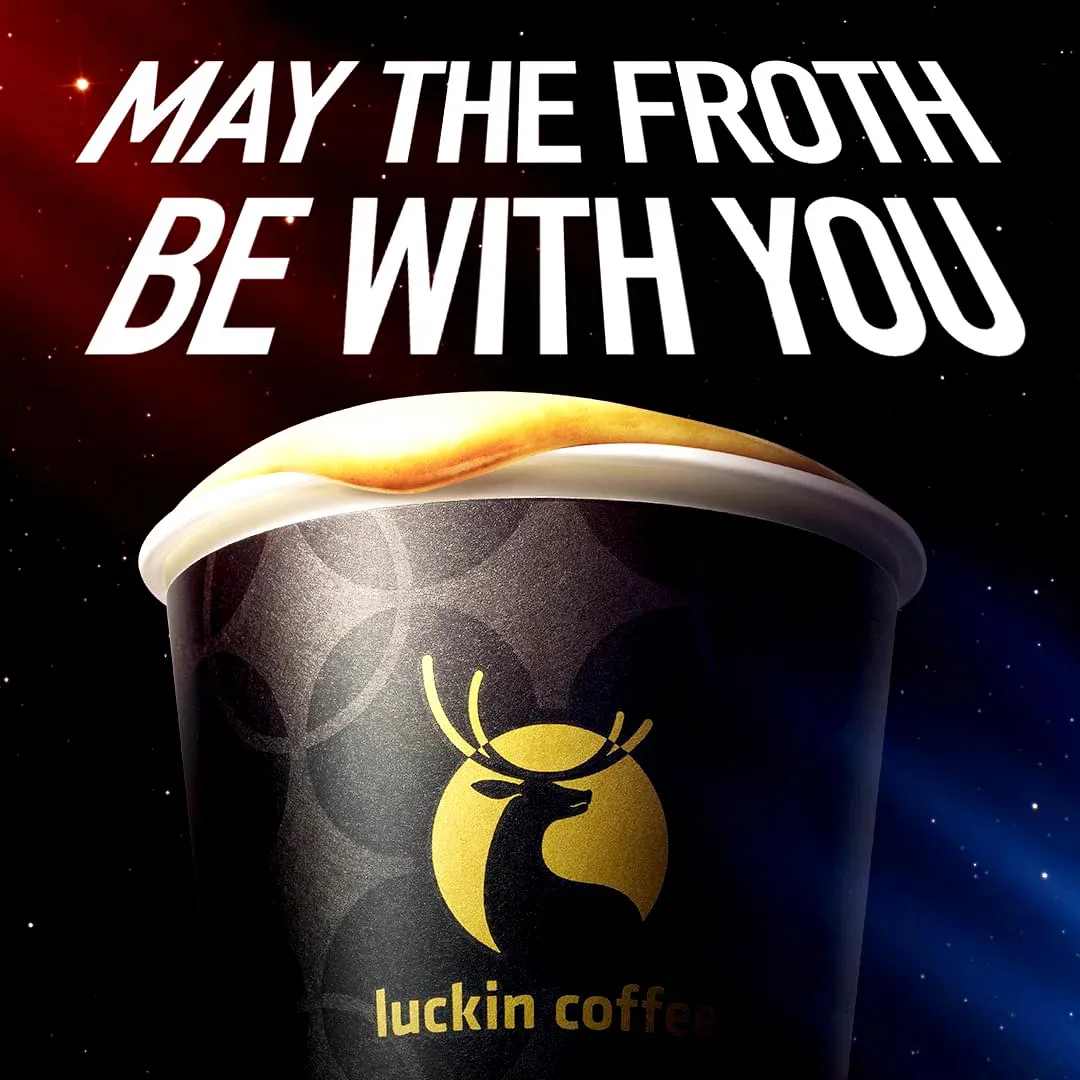
What started as a pop culture moment, has become prime real estate for big brands ever since its mainstream inception. May 4th now acts like a ready-made stage, where companies step in knowing the audience is already gathered and paying attention, thanks to Star Wars.
Big studios like Lucasfilm and Disney have bit into the marketing apple and are enjoying the fruits of their labour. Over the years as “May the 4th be with you” progressed, there turned out to be an increase in brand collabs with the annual so called- “Holiday”. It has worked in the favour of big brands since this is one day like many that draws in heavy reception, especially from die hard fans. From tech to food, companies craft themed campaigns, limited-edition products, and social media posts built around the iconic phrase. Some executions land with precision, others drift into overuse, but the intent is the same: tap into a cultural moment that already has built-in engagement.
The momentum did not start with corporations; it was built by fans and later adopted by businesses. Even now, the most effective campaigns tend to feel like they are participating in the culture rather than trying to control it, echoing the tone and humour that made May 4th popular in the first place.
Global Impact:
May the 4th has gone way beyond its original close knit fan circle. There has been an influx of fans from other “fandoms” that want to have a taste of the Star Wars world.
Social media platforms like Instagram, Twitter, and TikTok help synchronize participation, allowing fans from different regions to join the same wave of content. The result is a shared global moment where cultural boundaries blur and a single joke travels seamlessly across audiences.
What is particularly interesting is how different regions adapt the celebration. Some lean heavily into merchandise and events, while others focus more on digital expression through memes and fan content. Despite these variations, the core idea remains intact, giving the day a universal identity with local flavour.
In a broader sense, May 4th reflects how modern culture spreads. It is not exported in a traditional way; it is adopted, reshaped, and amplified by communities worldwide. That makes it less of a fixed holiday and more of a living, evolving phenomenon that continues to grow with each passing year.
In Conclusion:
Just like any other cultural fad, this one has definitely made an impact large enough to shake up a massive fanbase as Star Wars and multiple others. What began with Star Wars fans sharing an inside joke has evolved into a yearly moment where humour, community, and creativity converge.
Its strength lies in its balance. Fans drive the energy through memes, participation, and shared enthusiasm, while brands and studios amplify the reach without fully owning the space. This interplay keeps the celebration authentic yet expansive.
-Siddhant Kohli