The brands behind the beautiful game: The sponsorship battle of the FIFA World Cup 2026
It's that time of the year again; The FIFA World Cup is back and this time the United States, Canada and Mexico are hosts. Get an exclusive scoop on what brands are endorsing the national teams.
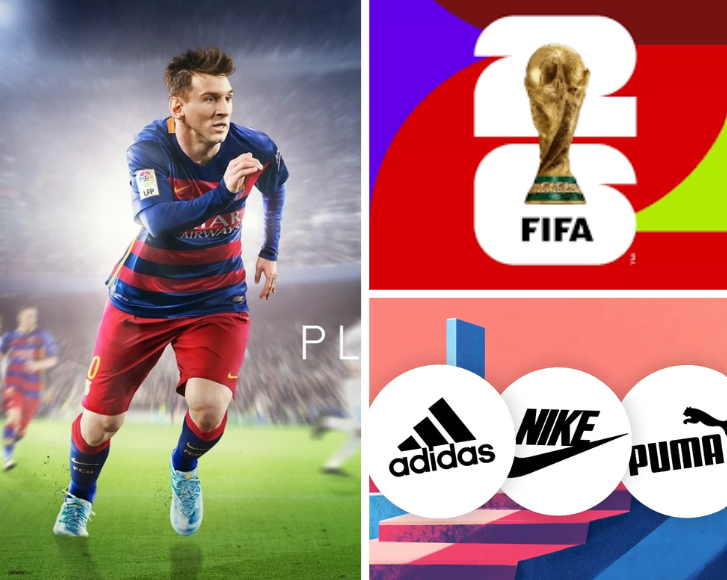
The FIFA World Cup is not only a hotbed for sports fans to congregate together and celebrate the beautiful game, but it is also a haven for advertisers. With attractive screen time opportunities and huge payouts, this is one event advertisers would not want to miss.
Why are brands so crucial on a global stage like the World Cup:
The good old football may be decided on the pitch, but the modern football revolves around the ads. It is just as much a commercial one as much as it is sports oriented. The 2026 edition, set to be hosted across the United States, Canada, and Mexico, will provide brands with an unparalleled opportunity to showcase themselves before a global audience expected to number in the billions.
For sportswear giants such as Adidas, Nike, and Puma, the tournament represents far more than a series of football matches. Every goal, celebration, and iconic moment becomes a marketing opportunity, with national teams serving as ambassadors for the brands that outfit them. A successful World Cup campaign can drive jersey sales, strengthen brand loyalty, and elevate a company's standing in key markets around the world.
The competition between brands extends beyond sponsorship logos and kit designs. Companies carefully select which national teams to partner with, often investing heavily in long-term relationships that can deliver significant commercial returns. As football's biggest stars take center stage, the brands behind them are engaged in a contest of their own, competing for visibility, consumer attention, and market dominance.
With the 2026 FIFA World Cup expanding to 48 teams and spanning three nations, the commercial stakes have never been higher. While fans focus on who lifts the trophy, global brands will be watching closely to see which partnerships deliver the greatest success both on and off the pitch.
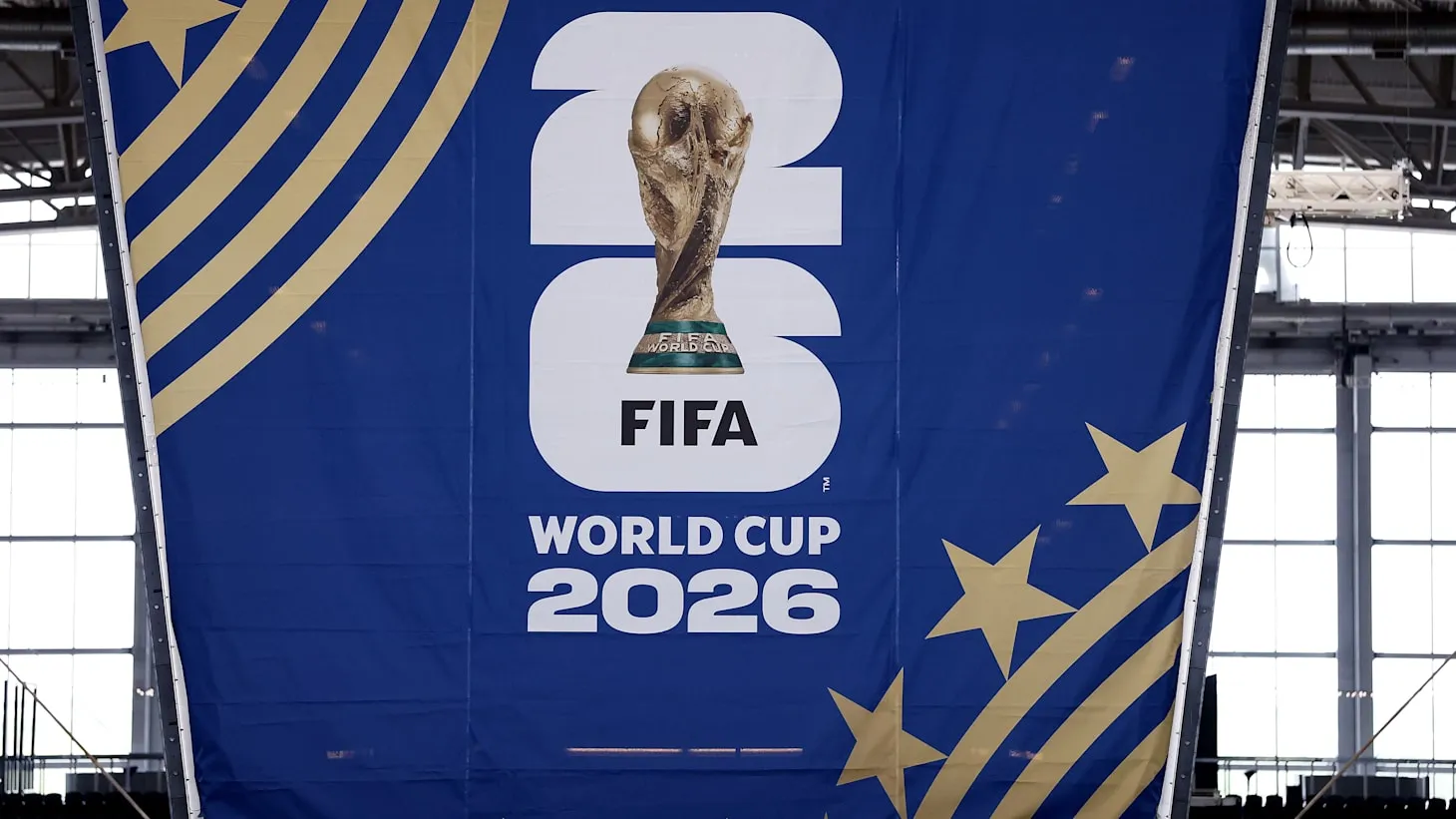
The Big Three: Adidas, Nike, and Puma: How do they maintain the spotlight?
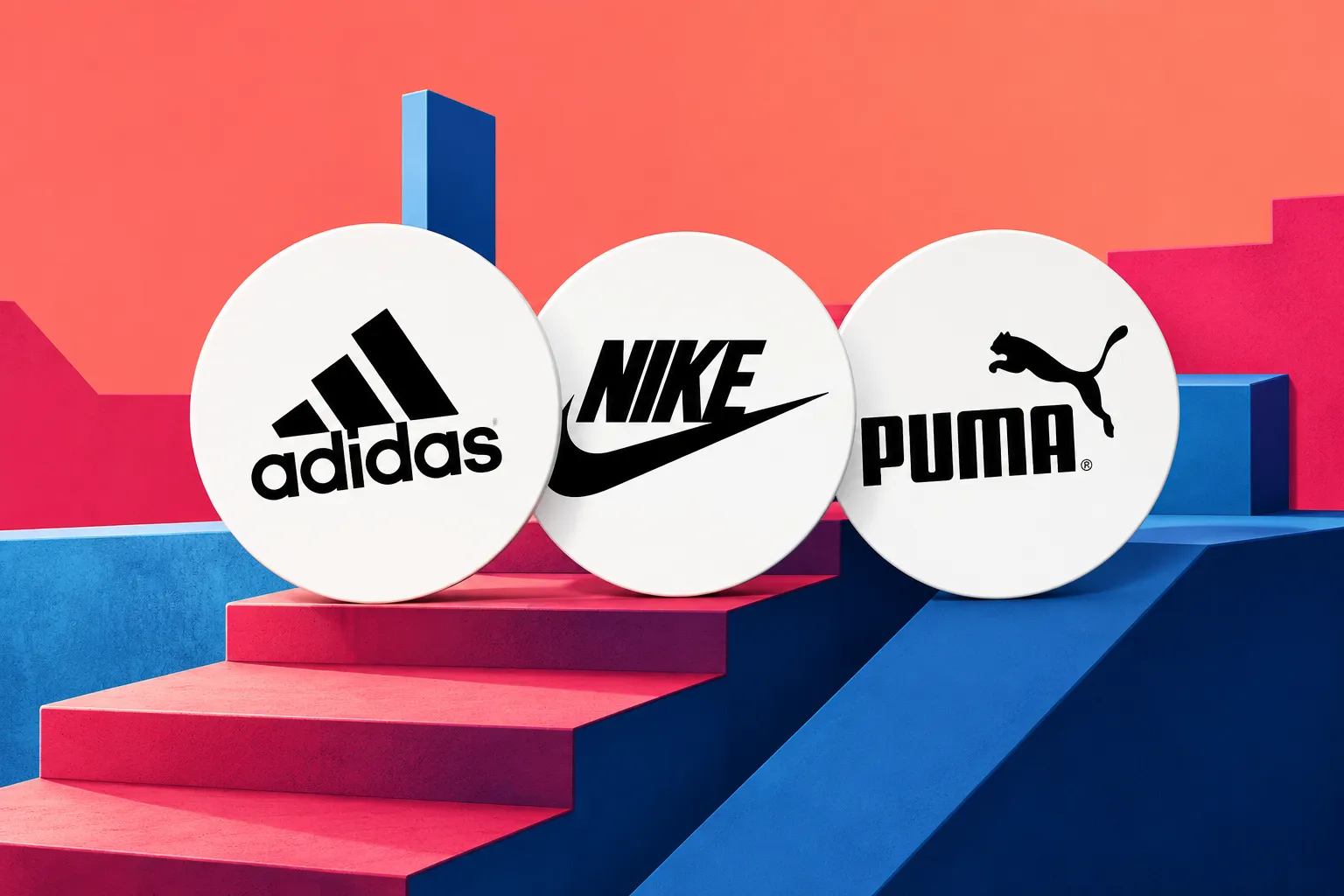
When it comes to international football sponsorships, there are three big brands that come to mind; Nike, Adidas and Puma. Synonymous with football and brand deals, these are the ones that most people think of. These brands also contribute with unmatched visibility throughout the tournament.
Adidas enters the competition with one of the strongest portfolios in world football, outfitting several of the sport's most successful and recognizable national teams. Its long-standing association with the FIFA World Cup has helped establish the German brand as a dominant force in football apparel, with iconic kits and innovative designs becoming a hallmark of the tournament.
Nike, meanwhile, continues to leverage its global marketing power through partnerships with some of football's biggest nations and star players. The American sportswear giant has built its football identity around performance, innovation, and athlete-driven campaigns, making it a formidable competitor both on store shelves and across digital platforms.
Puma may sponsor fewer teams than its two larger rivals, but it has consistently punched above its weight for strategic partnerships and bold kit designs. By aligning itself with high profile players and emerging football markets, Puma has cemented itself in a great position in the international football space.
As the World Cup unfolds across North America, the battle between these three brands will be closely watched. Every victory, memorable performance, and viral moment has the potential to strengthen a brand's global appeal, making the tournament not only a contest between nations but also a fierce commercial rivalry between football's biggest sponsors.
Beyond the Giants: Who are the underdogs involved
While Puma, Adidas and Nike dominate the international football sponsorship space, the 2026 world cup will also provide a valuable opportunity for several smaller brands looking to make their mark on the world stage. For these companies, the tournament represents a rare opportunity to gain international exposure and compete for attention alongside some of the biggest names in sportswear.
Brands such as Umbro, Kelme, Marathon, Reebok, and others have secured partnerships with national teams that may not carry the same commercial weight as football's traditional powerhouses, but still offer significant visibility during the tournament. A strong run from one of these nations can instantly elevate a brand's profile, introducing it to millions of new fans and consumers across the globe.
Unlike the industry leaders, smaller manufacturers often differentiate themselves through unique kit designs, stronger ties to local football cultures, and a more personalized approach to sponsorship. These partnerships can help national teams express their identity while allowing brands to establish a loyal following in specific regions and markets.
The expanded 48 country format for the 2026 FIFA World Cup allows room for smaller brands to have a shot at mass reach among millions of fans globally. With more nations participating than ever before, a wider range of brands will find themselves represented on football's biggest stage. While they may not command the same resources as the industry's giants, these challengers will be hoping that a memorable World Cup campaign can transform them from regional players into globally recognized names.
More than just a logo: A part of culture, National pride and Identity
A sponsorship deal is about far more than placing a logo on a jersey. In modern football, the relationship between a brand and a national team has evolved into a strategic partnership that influences everything from kit design and marketing campaigns to fan engagement and commercial growth.
For sportswear companies, a national team's jersey serves as one of the most powerful marketing tools in sport. Every match, press conference, training session, and social media post provides an opportunity for brands to connect with supporters around the world. The visibility generated during the FIFA World Cup is particularly valuable, as billions of viewers tune in to watch football's biggest spectacle.
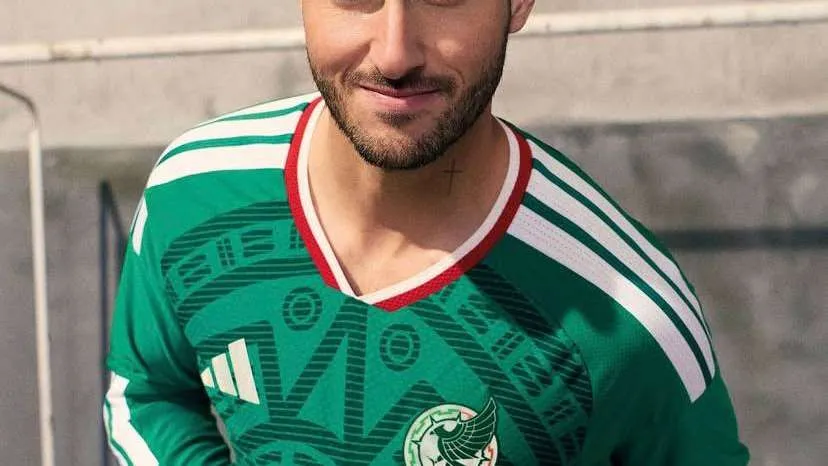
These partnerships also play a key role in shaping a team’s identity. Manufacturers often incorporate national icons, cultural references, significant shapes, motifs and designs, creating kits that resonate with both players and the fans. A successful jersey can become a lasting symbol of a nation's World Cup journey, remaining popular long after the tournament has ended.
Beyond aesthetics, sponsorship agreements frequently include investments in grassroots development, promotional events, digital content, and merchandising initiatives. As a result, the impact of these partnerships extends well beyond matchday, helping federations generate revenue while enabling brands to strengthen their presence in key markets.
At the 2026 FIFA World Cup, every kit will represent more than a team or a country. It will reflect a carefully cultivated partnership between sport and business, where success is measured not only by victories on the pitch but also by the lasting commercial and cultural impact created off it.
The Race for Global Exposure:
For sportswear brands, FIFA creates a major opportunity for even the smallest of brands to be showcased on the global stage. It is one of the most powerful marketing platforms for brands, allowing them to gather massive amounts of reach within a span of a week. All it takes is one nation to do really well in the world cup and that brand on their jersey gets a giant boost in terms of exposure.
Every moment of the tournament carries commercial value. A dramatic winning goal, a breakout star, or a memorable celebration can instantly place a brand at the center of global conversations. The teams that progress deep into the competition naturally attract greater media attention, providing their sponsors with increased visibility and prolonged exposure throughout the tournament.
The 2026 FIFA World Cup presents an even greater opportunity due to its expanded format and unprecedented scale. With 48 participating nations and matches spread across the United States, Canada, and Mexico, brands will have access to new audiences and diverse markets throughout North America and beyond. This expanded reach makes team sponsorships more valuable than ever before.
As the tournament unfolds, the race for global exposure will intensify alongside the battle for football's biggest prize. While nations compete for glory on the pitch, the brands behind them will be striving to secure something equally valuable: a lasting place in the minds of millions of football fans around the world.
If you enjoyed reading this article, we think you will like UFC 328: When Tarzan met the Wolf!
Frequently Asked Questions:
1. Why is the FIFA World Cup such an attractive sponsorship opportunity for brands?
The tournament delivers unmatched global reach, attracting billions of viewers across television, streaming platforms, and social media.
2. Which companies are official sponsors of the FIFA World Cup 2026?
FIFA's sponsorship portfolio includes global partners, tournament sponsors, and regional supporters across industries such as technology, finance, automotive, and consumer goods.
3. How much does it cost to sponsor a FIFA World Cup?
Sponsorship packages vary, but top-tier partnerships can cost hundreds of millions of dollars depending on rights, exposure, and activation opportunities.
4. What is ambush marketing in the World Cup?
Ambush marketing occurs when non-sponsoring companies attempt to associate themselves with the tournament without paying official sponsorship fees.
5. How could the FIFA World Cup 2026 influence the future of sports sponsorship?
The tournament is expected to set new standards in digital marketing, fan engagement, data-driven advertising, and multi-platform brand partnerships.
Who Stands to Win the Most?
While every brand represented at the FIFA World Cup 2026 stands to benefit from the tournament's immense global audience, some companies appear better positioned than others to capitalize on its commercial potential. The ultimate winners may not necessarily be determined by the number of teams they sponsor, but by the success and visibility of those teams throughout the competition.
Adidas enters the tournament with a particularly strong hand, boasting partnerships with several traditional football powerhouses and defending world champions. Deep runs from its flagship nations could translate into increased jersey sales, heightened brand visibility, and stronger consumer engagement across multiple markets. The company's long-standing association with football's biggest events further strengthens its position.
Nike is equally well placed, with a roster featuring some of the world's most followed national teams and players. The brand's strength lies not only in its sponsorship portfolio but also in its ability to transform on-field moments into global marketing campaigns. A successful World Cup for its partnered nations could generate significant commercial momentum long after the final whistle.
Puma and other emerging brands may face a steeper challenge, but they also have the opportunity to achieve the greatest relative gains. A surprise run from one of their sponsored teams could dramatically elevate brand recognition and introduce them to new audiences worldwide. In a tournament known for its unpredictability, a single breakthrough moment can deliver exposure worth years of traditional advertising.
Ultimately the bigger winners are those who can combine the reach and influence in the most cutthroat situations with effective marketing execution. The FIFA World Cup is more than a football tournament; it is a global stage where brands compete for attention, loyalty, and market share. By the time the trophy is lifted in 2026, the champions on the pitch will be clear, but the commercial victors may have secured an equally valuable prize: worldwide recognition and enduring influence in the world's most popular sport.
By Siddhant Kohli