
The Accountant vs The Accountant 2: How a Quiet Thriller Became a Cult Classic—and Why the Sequel Divides Fans
A deep dive into The Accountant and its sequel—cult success, character evolution, flaws, and what made Ben Affleck’s Christian Wolff iconic.
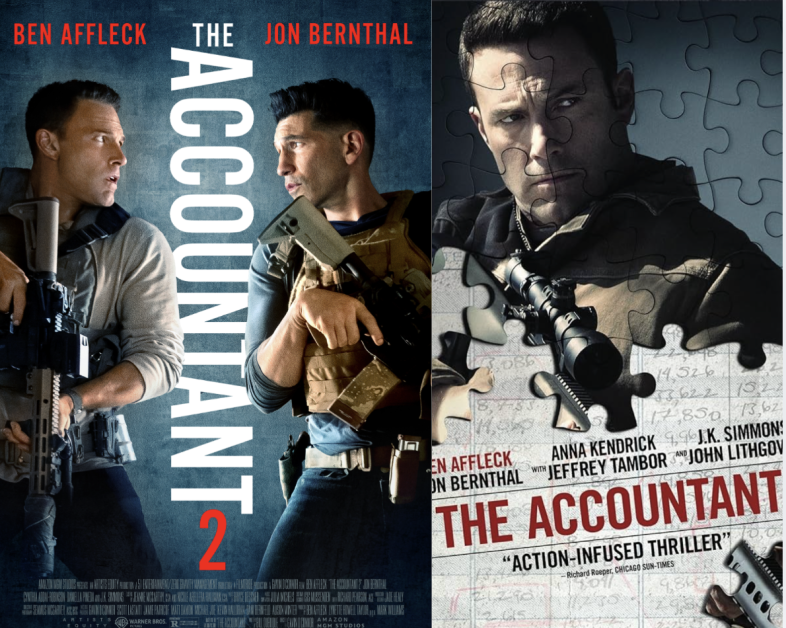
A Quiet Storm That No One Saw Coming
When The Accountant hit theaters in 2016, it didn’t arrive with the bombast of a typical action blockbuster. There were no over-the-top explosions dominating trailers, no loud marketing campaign promising spectacle. Instead, it offered something far rarer—a tightly wound, cerebral thriller that trusted its audience.
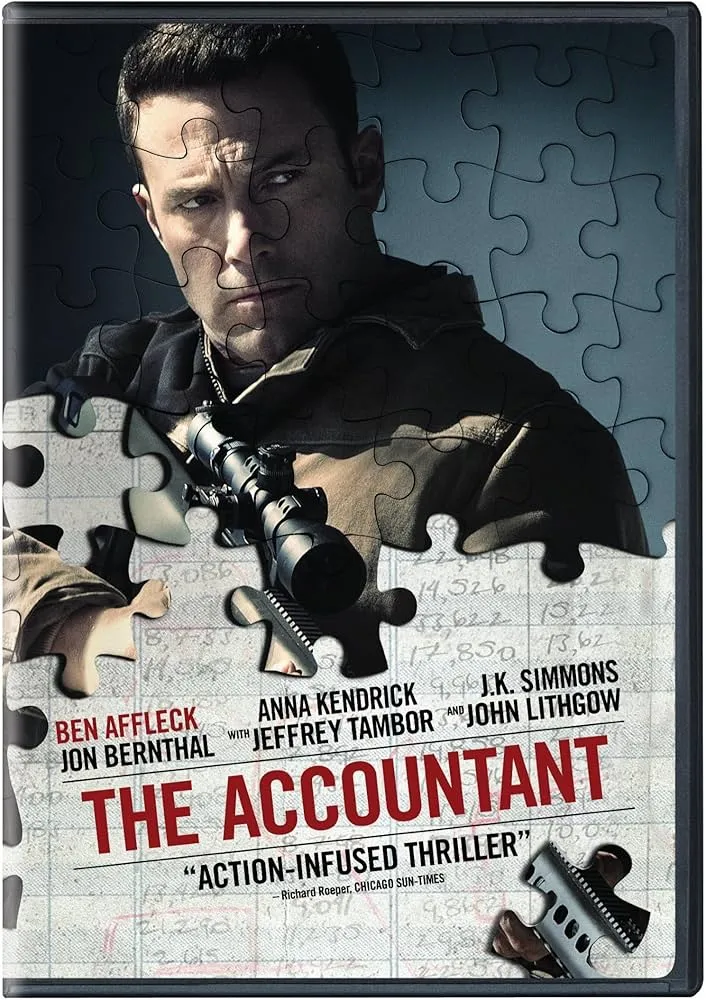
And somehow, that restraint is exactly what made it explode.
Directed by Gavin O'Connor and led by Ben Affleck, the film introduced us to Christian Wolff—a math savant with autism who moonlights as a forensic accountant for criminal organizations… and a highly efficient killer.
What could have been a gimmick turned into something far more compelling: a character study wrapped inside a precision-crafted action film.
Over time, The Accountant didn’t just perform well—it quietly evolved into a cult favorite, praised for its grounded tone, emotional restraint, and unique protagonist.
Christian Wolff: A Different Kind of Action Hero
Christian Wolff isn’t your typical action lead. His characterization—someone on the autism spectrum shaped by a strict, survivalist upbringing—was central to the film’s identity.
His father, a military man, refused to let his son be limited by his condition. Instead, he weaponized discipline, pushing Wolff to channel his intense focus into mastery—whether in mathematics or combat.
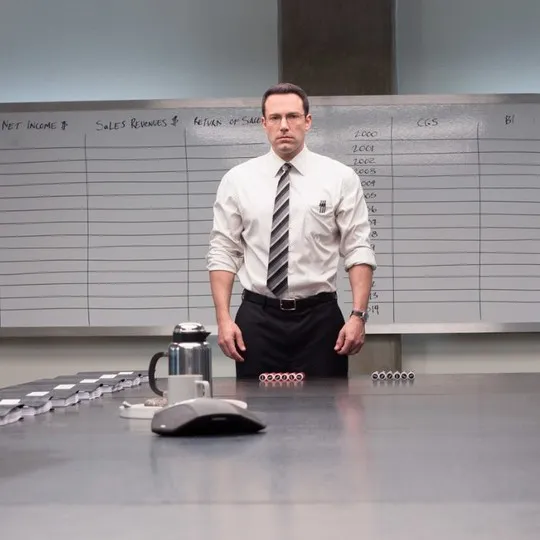
Image: Ben Affleck as Christian Wolff
This created a character unlike anything mainstream action cinema had seen:
- Emotionally distant, yet deeply human
- Brutally efficient, yet quietly vulnerable
- A man of numbers… and violence
Affleck’s performance was widely noted for its restraint. In interviews, he emphasized portraying Wolff with respect and authenticity rather than exaggeration, avoiding caricature.
The Heart of the Film: Dana Cummings
While Wolff anchors the film, it’s s Dana Cummings who grounds it emotionally.
She serves as the audience’s entry point:

- Curious but cautious
- Intelligent but relatable
- Warm in contrast to Wolff’s detachment
Their dynamic humanizes the story, preventing it from becoming a cold procedural. Without Dana, The Accountant risks becoming purely mechanical; with her, it gains emotional stakes.
Why The Accountant Became a Cult Classic
Several factors contributed to its lasting appeal:

1. Tone Over Spectacle
The film avoided being flashy. Its action sequences were:
- Precise
- Brutal
- Economical
No unnecessary theatrics—just impact.
2. A Puzzle Narrative
The story unfolds like an equation, slowly revealing connections:
- Treasury investigations
- Mob accounting
- Wolff’s past
Everything clicks into place with satisfying precision.
3. A Memorable Ending
The final act balances:
- Closure
- Mystery
- Hope
Wolff doesn’t fully integrate into society—but he edges closer. That bittersweet resolution lingered with audiences.
The Brother Problem: Jon Bernthal’s Character
Jon Bernthal plays Braxton, Wolff’s estranged brother—a reveal that adds emotional weight but also raises questions.
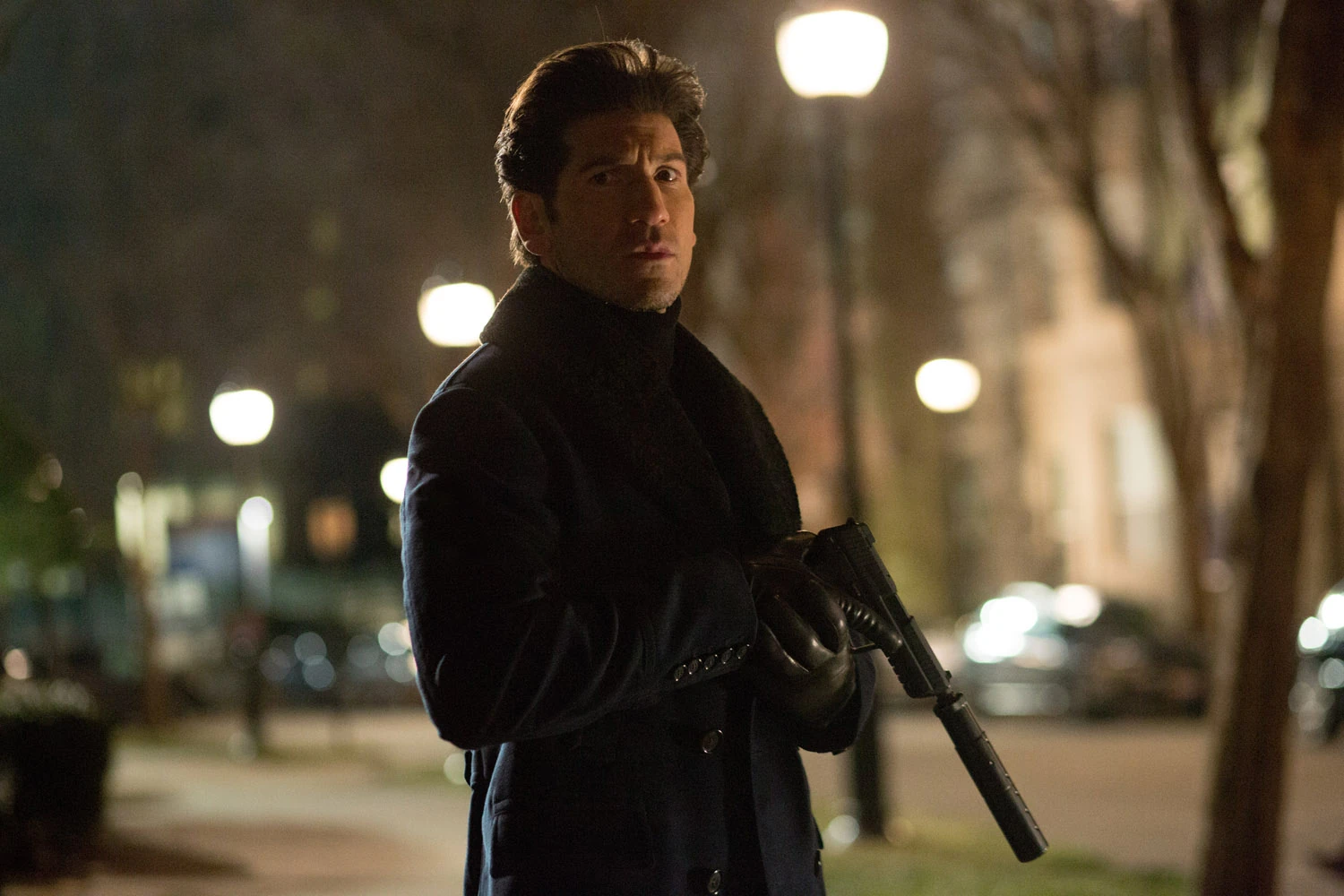
While the film implies both brothers endured the same harsh upbringing, the skill parity feels uneven:
- Wolff is portrayed as near-flawless
- Braxton, more impulsive and human
The justification lies in their shared training, but the execution doesn’t fully convince everyone. Braxton works better as an emotional counterbalance than an equal.
The Long Wait for The Accountant 2
The sequel—The Accountant 2—was a long time coming, delayed by development challenges and shifting studio priorities.

That gap created a major challenge:
"How do you follow a film that thrived on subtlety and surprise?"
What The Accountant 2 Gets Right
The sequel expands the world and leans more into:
- Character relationships
- Humor
- Emotional accessibility
It attempts to humanize Wolff further, softening some of his edges while maintaining his core identity.
Moments of levity—especially in Wolff’s interactions—add a new dimension, though not always seamlessly.
Where the Sequel Falls Short
1. The Loss of Mystery
The first film thrived on not explaining everything. The sequel, in contrast, explains more—and risks overexposure.
2. Edith Sanchez’s Arc

The character of Edith Sanchez shows promise, but her rapid skill progression feels underdeveloped. A deeper exploration of her transformation would have made her evolution more believable and impactful.
The Most Divisive Element: The Autistic Network
One of the boldest—and most controversial—choices in the sequel is the introduction of a network of autistic children assisting Wolff with intelligence operations.
From a premise standpoint, the idea builds on:
- Pattern recognition
- Analytical brilliance
- Non-traditional intelligence systems
However, the execution raises questions:
- How were these skills developed so quickly?
- Who trained them?
- What ethical framework governs this system?
Without sufficient grounding, the concept feels more convenient than earned, even if thematically aligned.
A Different Kind of Ending
Where the first film ended with quiet optimism and lingering mystery, the sequel opts for something more conventional.
And that’s where it loses a bit of magic.
The original ending felt like a whisper—
The sequel feels more like a statement.
Final Verdict: Good, But Not Lightning in a Bottle
The Accountant 2 is undeniably entertaining. It expands the universe, revisits beloved characters, and delivers solid action.

But it struggles with what made the original special:
- Restraint
- Precision
- Mystery
The first film was unexpected.
The second is expected—and that makes all the difference.
The Legacy of The Accountant
There’s a running joke among fans:
"If Batman existed in a quieter, more grounded universe—Bruce Wayne might just become Christian Wolff."
And honestly, it fits.
Both are:
- Highly disciplined
- Emotionally guarded
- Driven by trauma and purpose
But Wolff trades Gotham for spreadsheets—and somehow, that works.
Closing Thought
The true achievement of The Accountant isn’t just that it succeeded—it’s that it stood apart.

It proved that:
- Action films can be intelligent
- Protagonists can be unconventional
- Silence can be more powerful than spectacle
And while the sequel may not fully recapture that magic, it reminds us why we cared in the first place.
Sometimes, lightning doesn’t strike twice.
But the first strike?
Unforgettable.
By [Tommy Thounaojam] Editor TrendBrewers