Sunset: Plini, Tim Henson & Cory Wong Redefine Modern Guitar
Plini, Tim Henson, and Cory Wong join forces on “Sunset,” blending prog, funk, and melody into a masterclass of tone, groove, and collaboration.
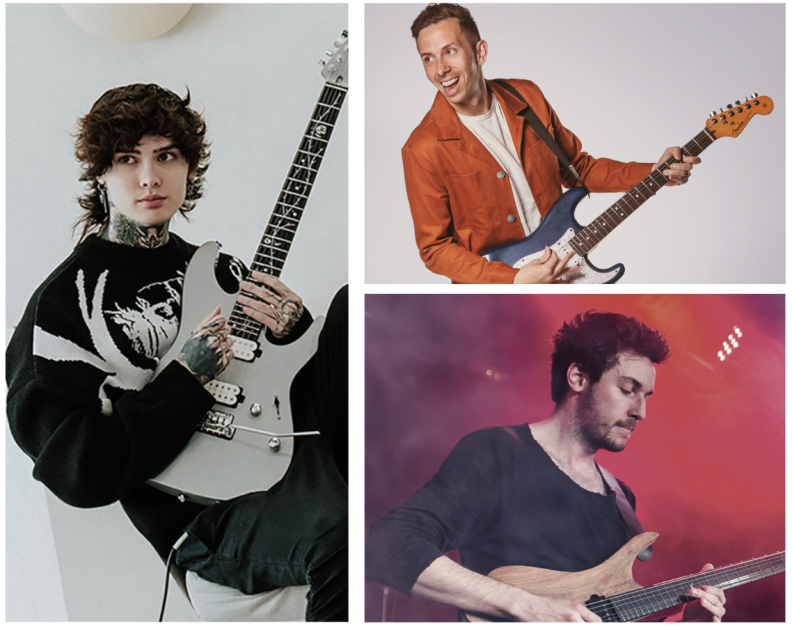
Sunset: when three modern-guitar giants traded solos and expectations
The instrumental single “Sunset” — a one-off (but deeply satisfying) collaboration between Plini, Tim Henson (Polyphia) and Cory Wong — landed as the kind of crossover event guitar-heads had been quietly hoping for: technically dazzling but melodically generous, playful but polished. The track and its video quickly became a talking point across YouTube, Reddit and guitar press because it isn’t just three virtuosos showing off — it’s three very different musical voices finding a genuinely complementary lane.
Here is the youtube video of Sunset
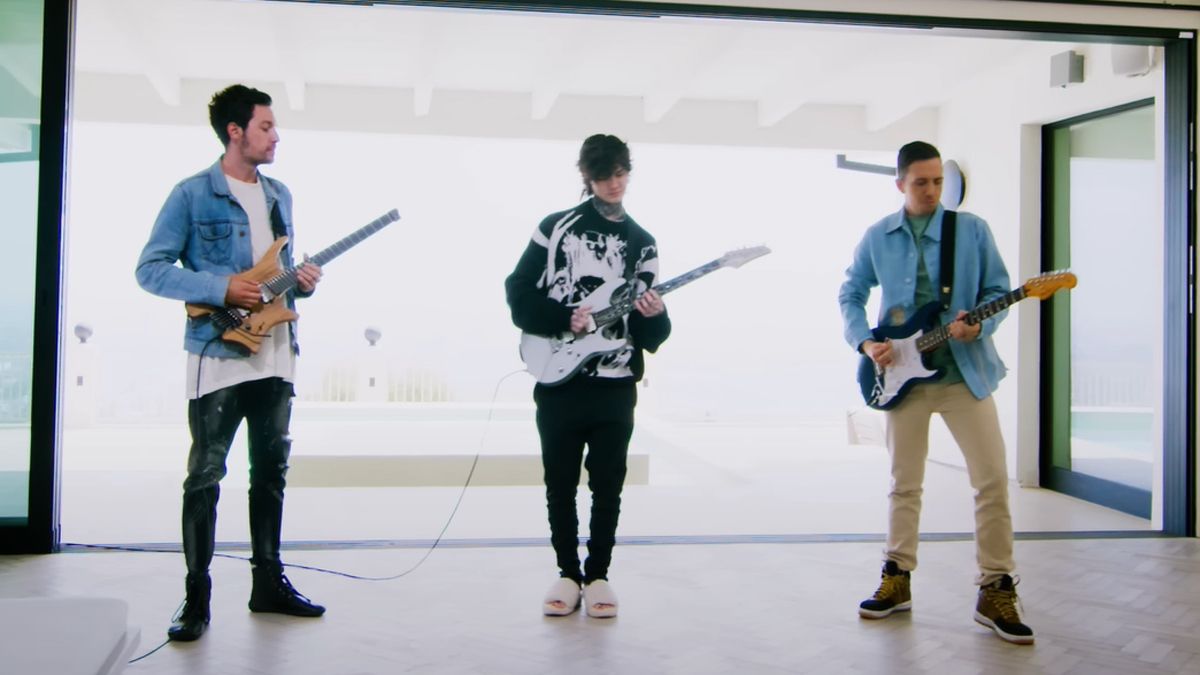
What “Sunset” actually is (and how it was made)
“Sunset” is an instrumental piece built around modern guitar production and virtuosic interplay rather than a traditional verse/chorus structure. The collaboration was produced remotely and—interestingly—featured each player using their own Neural DSP “Archetype” plugins as part of the writing/recording workflow. That studio-ecosystem detail isn’t trivia: it shaped tone, layering and the final arrangement, and it’s been highlighted in interviews/coverage of the session. The official video has millions of views, and coverage from mainstream guitar press underscored the track’s significance for the instrument-centric online community.
Why the guitar community loved it — audience reaction in a nutshell
YouTube engagement: The official release gathered millions of views quickly, and the comment threads are full of listeners calling it “ear candy” and praising the interplay rather than just shredding for shredding’s sake.
Forum buzz: On Reddit and genre forums the reaction split into excited appreciation for the players’ chemistry, and repeated requests for more — especially for more cross-genre instrumental collabs. Thread comments often highlight specific moments (a rhythmic fill, a tone change, a harmonic turn) that felt fresh rather than gratuitous.
Press & peer reaction: Guitar press and sites like Ultimate Guitar and Guitar World framed the track as a showcase of modern workflow (signature plugins, remote tracking) as much as of skill — a sign that the gear-and-plugin ecosystem is now part of how guitar narratives are told.
What “Sunset” means for instrumental guitar music
Cross-pollination is now mainstream. A funk-forward player (Cory Wong), a progressive/technical solo artist (Plini) and a hyper-modern prog/hip-hop-inflected guitarist (Tim Henson) make something coherent together — that signals the scene’s tolerance and appetite for genre blurring.
Remote, plugin-centered workflows equal creative possibility. With each player using signature Neural DSP tools in the session, the collaboration is an example of how modern tone-sculpting platforms can be creative collaborators in their own right. That lowers barriers for future multi-city or multi-continent projects.
Melody still wins. Despite the headline-grabbing chops, the strongest audience reactions praise memorable lines and tasteful choices — a reminder that listeners reward songs, not only solos.
Short histories & style primers
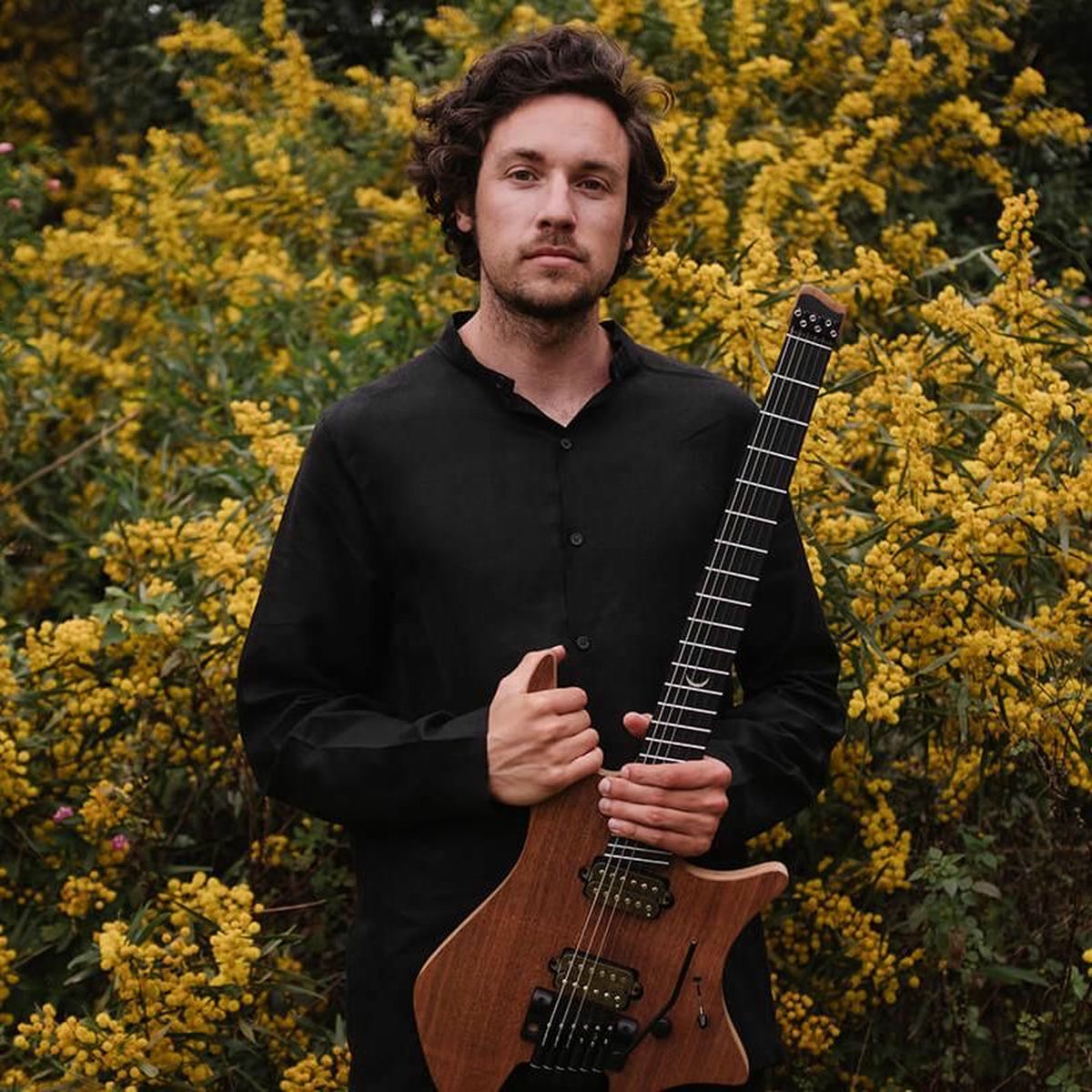
Plini — the melodic progressive instrumentalist
Snapshot: Plini (Plini Roessler-Holgate) is an Australian guitarist/composer who rose from the prog/ambient instrumental scene with acclaimed releases like Handmade Cities and Impulse Voices. Steve Vai and many critics have praised his melodic instincts and songwriting.
Playing style: Plini’s hallmark is combining fluid, lyrical lead lines with modern progressive-jazz harmony and tasteful rhythmic accents. He favors clean–to–slightly-saturated tones, complex but singable melodies, and arrangements that let guitar lines breathe — often blending fusion harmony with post-rock dynamics. His music emphasizes composition as much as technique.

Tim Henson — the modern prog/sonic experimenter (Polyphia)
Snapshot: Tim Henson is co-founder and lead guitarist of Polyphia, the Texas-based instrumental group that morphed from djent/metal roots into a genre-melting progressive outfit that borrows from electronic music, hip-hop rhythms and pop sensibilities. Polyphia’s profile and signature gear (including Tim’s Neural DSP archetype and signature Ibanez models) helped make Henson a visible figure in modern guitar culture.
Playing style: Henson blends fingerstyle and hybrid picking, percussive techniques, wide intervallic leaps and heavy use of production textures (gated leads, processed harmonies, electronic layering). His work tends to prioritize rhythmic phrasing and tone design as much as fast single-note lines.

Cory Wong — the “rhythm-first” funk craftsman
Snapshot: Cory Wong is a Minneapolis-based guitarist best known for his work with Vulfpeck, The Fearless Flyers and his own solo projects. He’s a prolific collaborator across jazz, funk and pop scenes and has a long track record of tight ensemble playing and a signature tone/approach.
Playing style: Clean, compressed rhythm guitar that sits “in the pocket” but is front-and-center; rhythmic chordal stabs, percussive muting and short, melodic fills. He often records direct or with clean amp setups to preserve attack and clarity. This approach provides a rhythmic and tonal contrast to the more cascading melodic approaches of Plini and Henson.
What we can take away (practical and cultural)
For players: Study tone as composition. The track shows how tone choices (plugins, amp sims, compressors) are as compositional as note choices.
For creators: Remote collaboration can be musically deep, not just convenient. Shared plugin environments make remote editing and tone-matching far easier.
For the scene: Instrumental music that blends accessibility (melody, groove) with modern production will likely reach broader audiences than purely technical showcases.
Will we see more collabs like this? Likely — and here’s why
There are three enabling trends: (1) accessible high-quality amp/FX plugins and remote DAW workflows, (2) a generation of guitarists who value sonic identity as much as technique, and (3) audience appetite for genre-blending content. Those factors make future collaborations — sometimes surprising ones — much more probable. Expect cross-genre pairings (funk × prog × electronic producers), more signature-plugin co-writes, and projects where the production toolchain itself becomes part of the story.
Final take
“Sunset” isn’t just another virtuosic single — it’s a small manifesto for how contemporary guitar music connects players, production tools and audiences. The track proves that three very different approaches to the instrument can produce something that’s technically impressive and widely listenable. For fans, it’s a moment to savor; for the community, it’s a nudge toward more adventurous but melodic collaborations.