
Passenger Review (2026): A journey that never reaches its destination
What starts off as a unique take on the quintessential jumpscare slowly turns into another badly written horror movie. With major plotholes, bad dialogues and cheap CGI. Read ahead to find out my final verdict on André Øvredal’s Passenger.
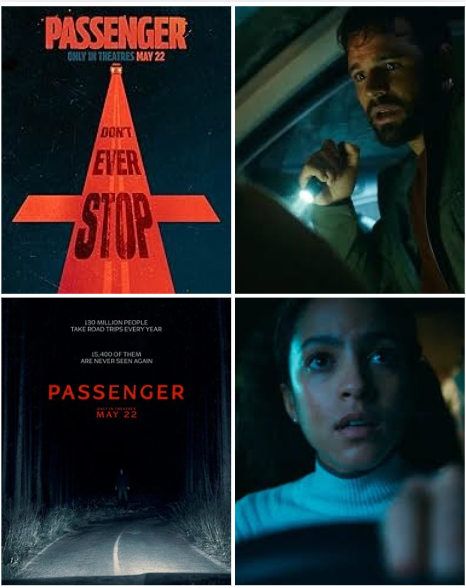
The film opens on a remarkably strong note. Two friends are driving down a deserted highway when one stops for a brief rest by the roadside. Moments later, he is startled by the relentless honking of the car horn. Returning to the vehicle, he discovers that his friend has mysteriously vanished. Panicked, he gets behind the wheel and drives away, only to notice a lone figure standing by the road through the car's shattered windshield. With every passing glance, the figure appears closer and closer, culminating in an effective and genuinely unsettling jump scare.
It is an opening sequence that immediately captures the audience's attention and promises a fresh take on supernatural horror. In fact, this scene forms the centrepiece of the film's marketing campaign and trailer, giving viewers reason to believe they are in for a tense and imaginative thriller.
Unfortunately, the film struggles to maintain that momentum. Despite its promising premise and strong introduction, Passenger quickly becomes weighed down by noticeable plot holes, questionable character decisions, and dialogue that often feels unnatural. What begins as an intriguing supernatural mystery soon loses its footing, preventing the film from capitalising on its impressive opening act.
The plot has its strong points in only a handful of scenes with decent camera work and a powerful soundtrack, but falls apart when it comes to the acting and dialogues. Plagued by predictable horror sequences that one would have already seen before, the movie lacks anything fresh.
Key info-
Director: André Øvredal
Cast: Jacob Scipio, Lou llobell and Melissa Leo
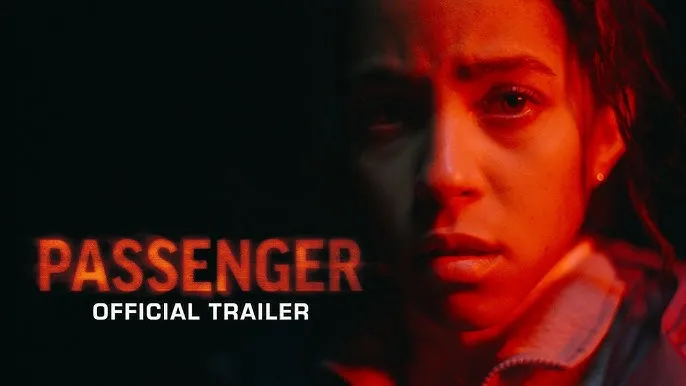
Direction and Technical Aspects: Style Over Substance?
From a technical standpoint, the movie shows promise but falls prey to the inconsistencies that plague its storytelling. The film’s direction is at its strongest for scenes involving suspense, particularly in the opening sequence where tension is built through clever pacing and camera work. The vast empty highways and eerie lighting makes it feel atmospheric for the viewer, therefore enhancing the experience.
The cinematography makes effective use of darkness, minimal lighting, wide angle shots and longer stretches of empty roads to evoke a feeling of unease. At times the film succeeds in making the viewer feel trapped alongside its characters, unsure of what may be lurking around the next corner. The visual design of the supernatural entity is also unsettling enough to leave a lasting impression, especially during its earliest appearances.
However, these strengths rely heavily on predictability and overused jumpscare sequences which leave the viewer already knowing what would happen next. It doesn’t add any psychological tension of its own reducing the impact of what could have been genuinely frightening moments. The editing can feel disjointed in places, with abrupt transitions that disrupt the flow of the narrative and make certain sequences difficult to follow.
While passenger demonstrates moments of technical competence and atmospheric filmmaking, the director struggles to maintain a consistent level of quality throughout the 90 minute runtime. As a result, the film never fully capitalises on the potential of its intriguing premise.
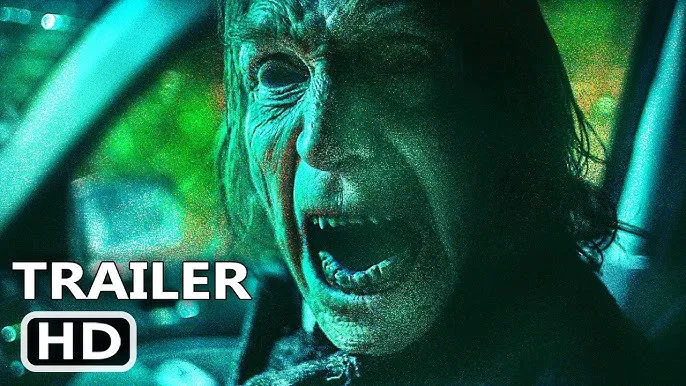
What works: A Few Bright Spots
Despite multiple setbacks, Passenger is not without merit. The film’s greatest strength lies in its atmosphere. The shady forest roads, deserted highways paired with eerie music. The setting itself feels like a character, amplifying the tension and uncertainty faced by the protagonists.
The opening sequence is undoubtedly the best scene in the entire movie. With the right amount of tension and smooth camera work, this was perhaps the only place where the jumpscare really had an effect. The scene demonstrates the potential that the film possesses when it focuses on building tension rather than relying solely on shock value.
The sound design also deserves praise, particularly during quieter moments where ambient noises and extended silences help create an unsettling atmosphere. Combined with several well-executed visual sequences, these technical elements succeed in generating genuine suspense throughout portions of the film.
While Passenger ultimately struggles to maintain its momentum, its strong opening, atmospheric setting, and occasional moments of effective horror provide enough highlights to keep viewers invested, even when the story begins to lose its direction.
Missed Stops and Missed Opportunities:
While Passenger begins with a compelling premise and a genuinely effective opening sequence, the film quickly struggles to justify its own narrative. One of its biggest issues is the number of plot holes that emerge as the story progresses. Key details surrounding the supernatural entity are either poorly explained or conveniently ignored, making it difficult to remain invested in the mystery.
The characters also make several baffling decisions that seem designed to move the plot forward rather than reflect realistic human behaviour. Time and time again, opportunities to avoid danger or seek logical solutions are overlooked, creating frustration instead of tension. As a result, many of the film's dramatic moments feel forced rather than earned.
Dialogue is another weak point. Conversations often come across as unnatural and repetitive, with characters frequently stating the obvious or reacting in ways that fail to match the severity of their situation. This makes it harder to connect emotionally with the protagonists, especially during moments that are intended to carry significant weight.
Ultimately, Passenger’s own greatest flaw is its inability to capitalize on its own potential. The ingredients for an engaging supernatural thriller are all present, but weak writing, inconsistent character logic, and an underdeveloped narrative prevent the film from delivering on the promise established in its opening minutes.
My Final Verdict: Is this worth your time?
The Passenger delivers a decent performance in terms of good camera work and cinematography, but falls short of good writing, editing and acting performances. This movie feels like a one time watch and definitely recommend watching it at home on any ott platform it shows up on. This isn’t something one should pour their money into at the theatres.
My Rating: 4/10
By Siddhant Kohli


