
Onitsuka Tiger History: From Post-War Japan to ASICS Global Icon
Discover how Onitsuka Tiger rose from post-war Japan to global fame, worn by athletes, Bruce Lee and Uma Thurman, and evolved into ASICS.
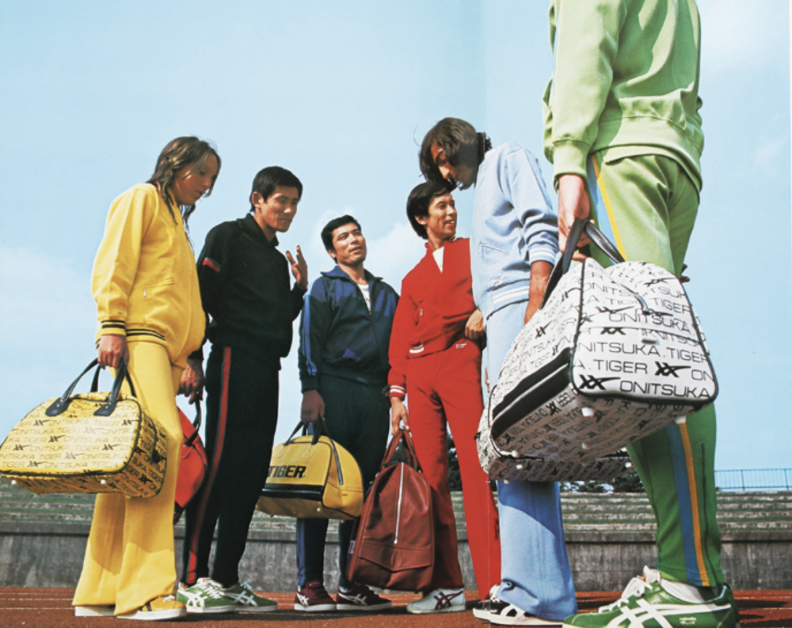
In 1949, Japan was still bruised by war. Cities lay broken, industries crippled, and morale fractured. It was in this moment—when rebuilding the body and spirit mattered as much as rebuilding infrastructure—that Kihachiro Onitsuka, a former Japanese army officer, decided to make shoes.
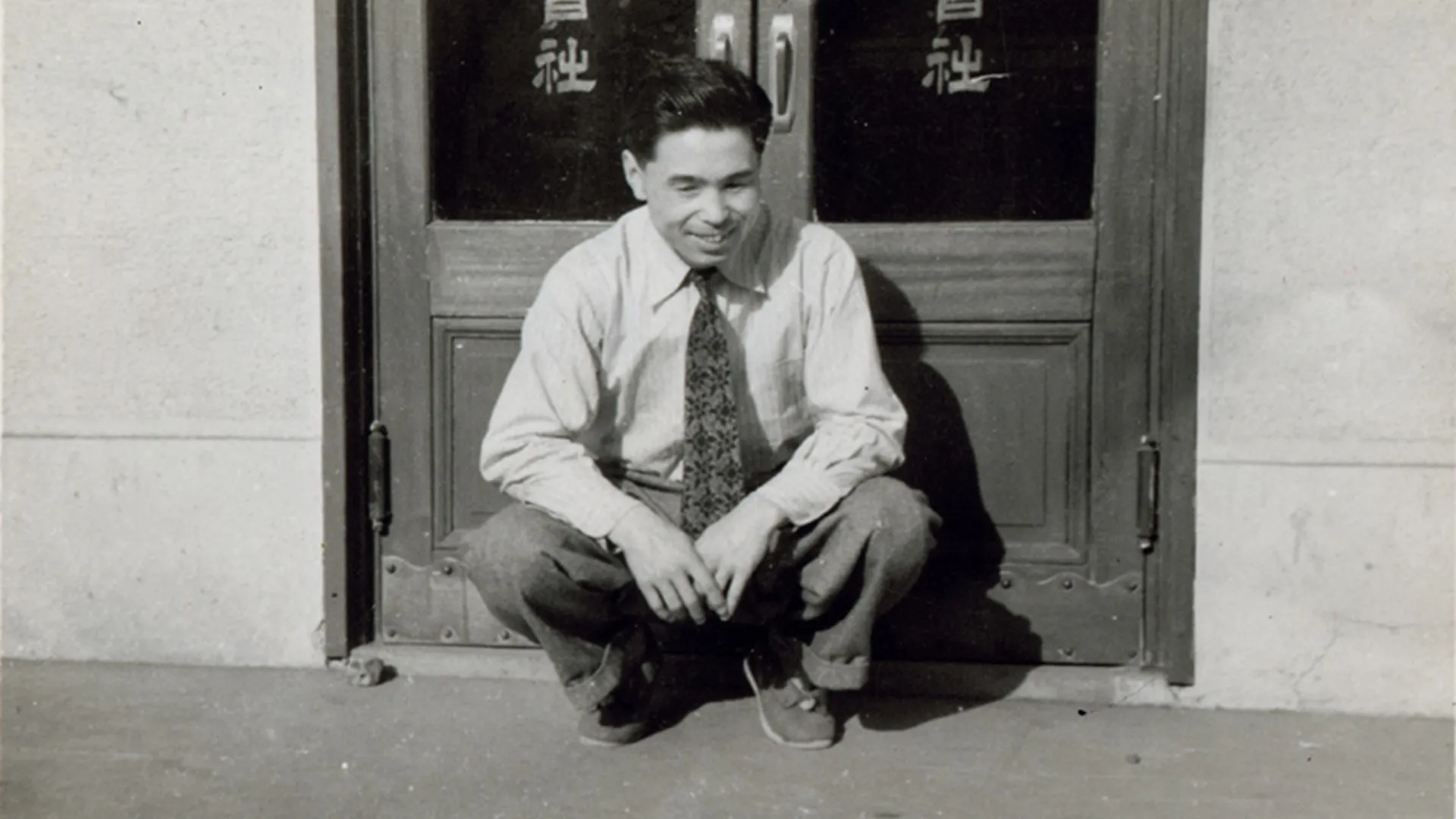
Not luxury shoes. Not fashion shoes. Athletic shoes.
Onitsuka believed sport could restore discipline, health, and hope to Japan’s youth. That belief became Onitsuka Co., Ltd., founded in Kobe with little more than conviction and trial-and-error craftsmanship.
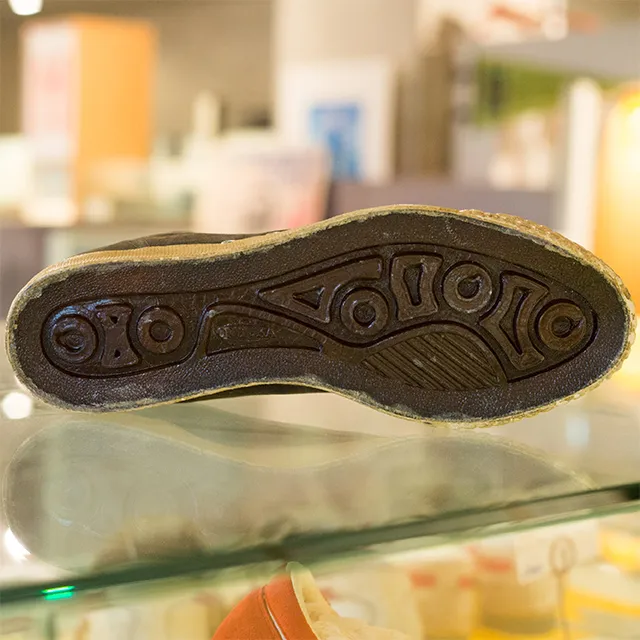
His first attempt? A basketball shoe inspired by octopus suction cups after watching players slip on gym floors. It failed—badly. But it set the tone: engineering first, ego never.
This obsession with functional innovation would become the brand’s defining trait.
Early Innovation: Lightweight Before Lightweight Was Cool
Long before “performance footwear” became a marketing buzzword, Onitsuka Tiger was already obsessed with weight reduction, flexibility, and foot anatomy.
By the early 1950s, Onitsuka was working directly with athletes—long-distance runners, marathoners, Olympians—to refine silhouettes that reduced fatigue and improved grip. In an era dominated by heavy leather trainers, Onitsuka shoes felt radically light, almost minimal.
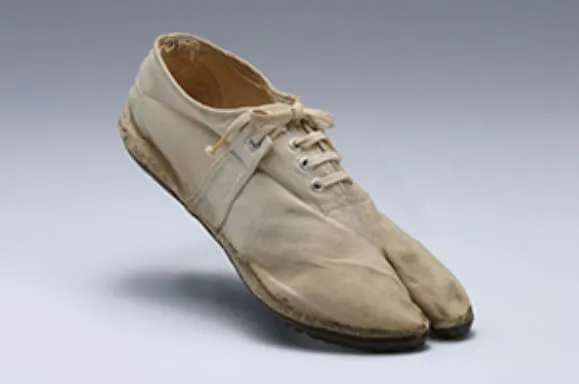
This wasn’t fashion. It was biomechanics.
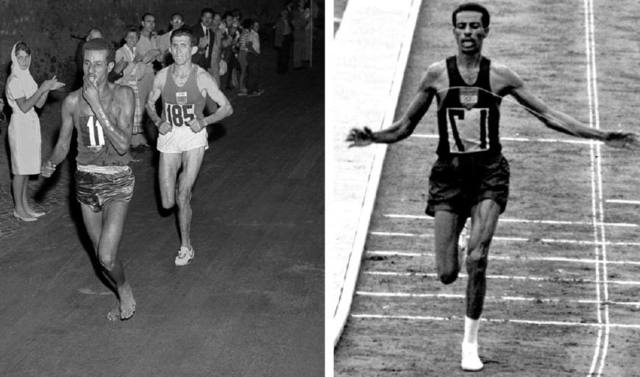
The brand gained serious credibility when Ethiopian marathon legend Abebe Bikila, famous for running barefoot, trained in Onitsuka shoes ahead of international competitions. If the world’s toughest runner trusted them, others followed.
The Tiger Stripes: An Engineering Marvel Disguised as Design
The most recognisable feature of Onitsuka Tiger—the Tiger Stripes—weren’t designed for aesthetics.
They were structural.
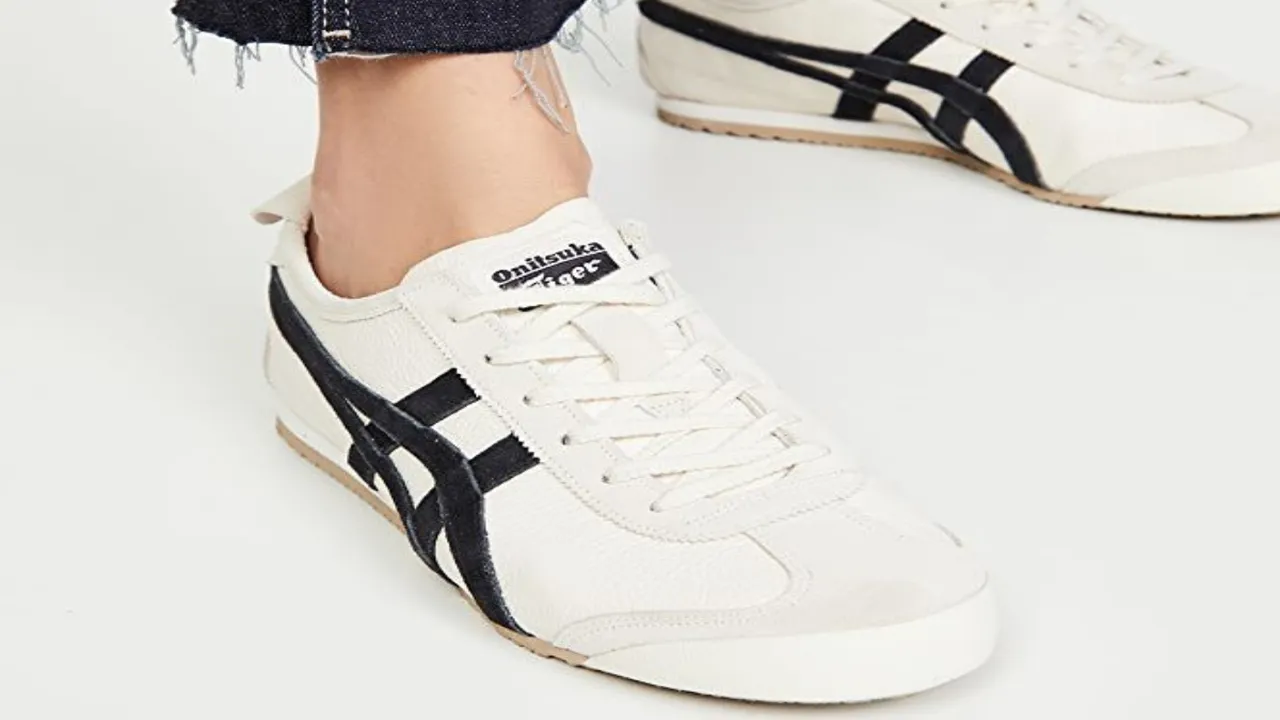
Introduced in the mid-1960s, the intersecting leather stripes reinforced the shoe’s upper, improved lateral support, and stabilized foot movement. Only later did they become a visual signature—one now synonymous with understated cool.
In sneaker history, few logos can claim such honesty: form truly followed function.
1960s: Olympics, America, and the Birth of Sneaker Culture
The 1960s were explosive for Onitsuka Tiger.
1964 Tokyo Olympics: Japan reintroduced itself to the world—and Onitsuka Tiger was on athletes’ feet.
1966: The brand debuted what would become its most iconic silhouette.
1968 Mexico City Olympics: Enter the Mexico 66.
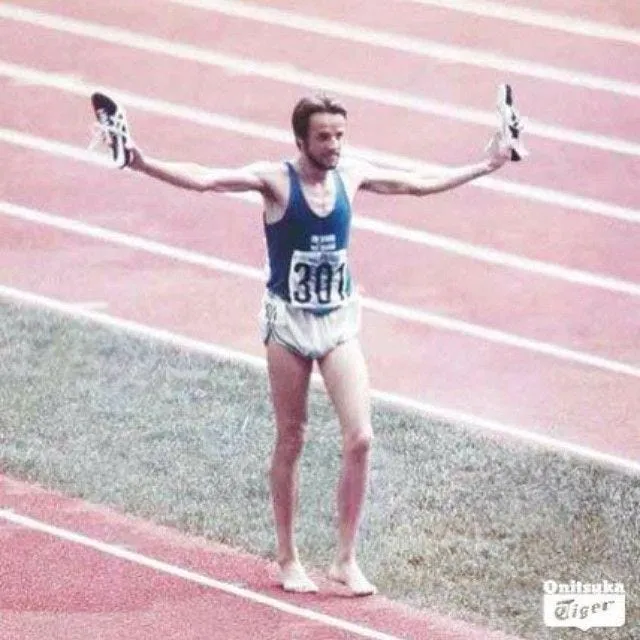
Image:Lasse Virens wins olympic gold in his custom Tiger Runsparks
Slim. Fast. Flexible. Strikingly modern.
The Mexico 66 didn’t just perform—it photographed beautifully. It was sport distilled into style.
Meanwhile, across the Pacific, a young company called Blue Ribbon Sports (founded by Phil Knight and Bill Bowerman) was importing Onitsuka Tiger shoes into the U.S.
That company would later become Nike.
Yes—Nike’s origin story begins with Onitsuka.
Bruce Lee, Kill Bill, and the Moment Sport Became Myth
Then came pop culture immortality.
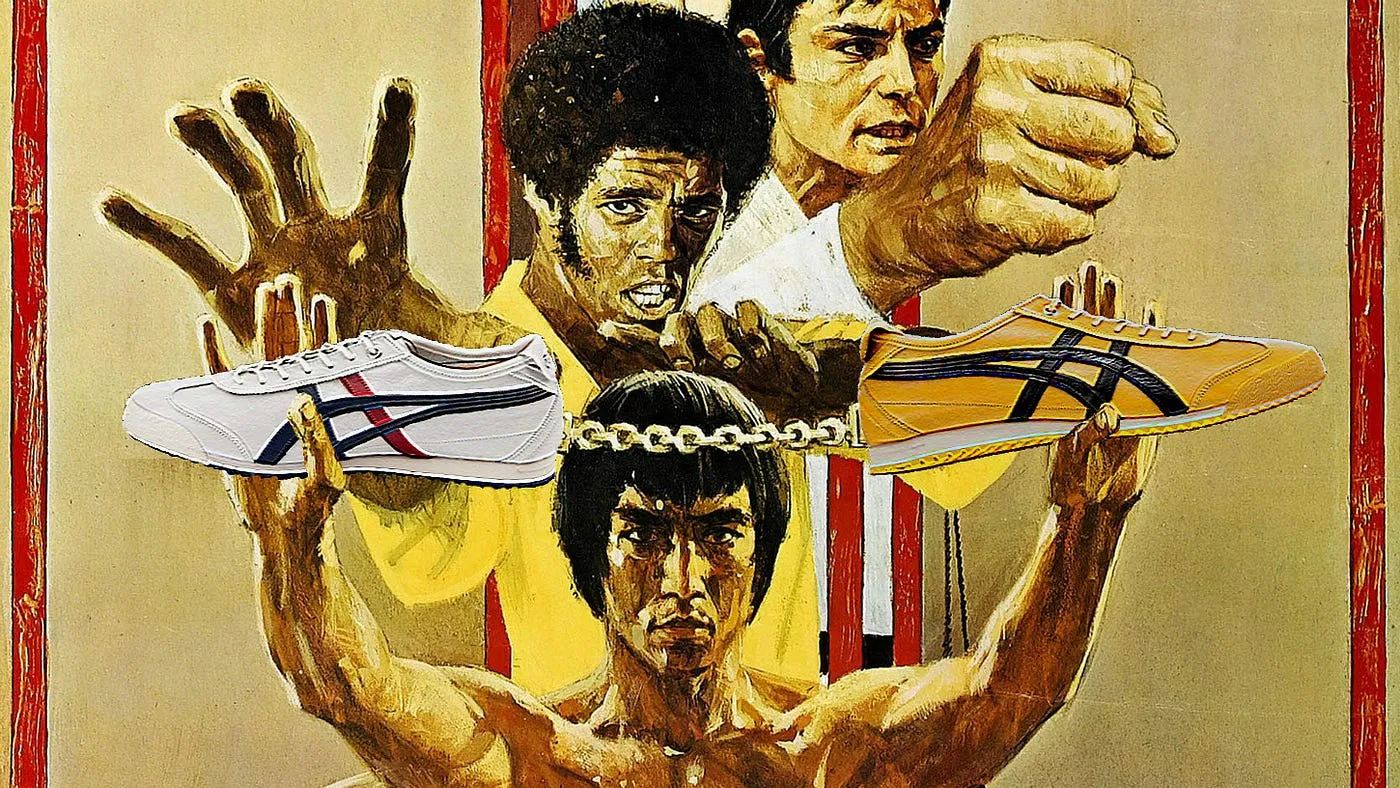
In Game of Death (1972), Bruce Lee wore yellow and black striped martial arts shoes eerily similar to the Mexico 66. The look burned itself into global memory: speed, precision, danger.
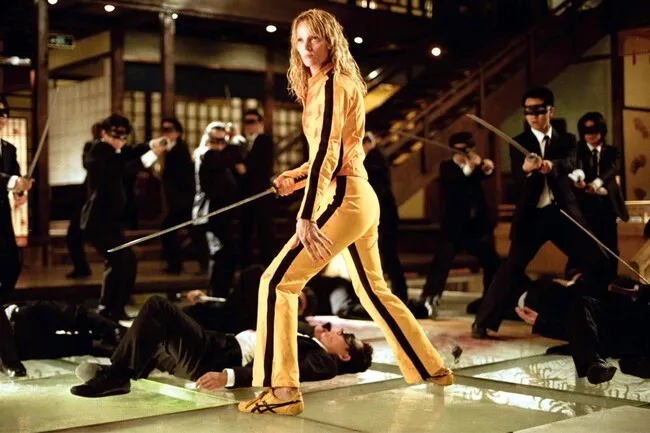
Three decades later, Quentin Tarantino resurrected that image in Kill Bill: Volume 1. Uma Thurman’s yellow-and-black Mexico 66s weren’t just costume—they were character.
Suddenly, Onitsuka Tiger wasn’t just athletic heritage. It was cinematic language.
The ASICS Merger: A New Philosophy Takes Shape
In 1977, Onitsuka Co. merged with two other Japanese companies to form ASICS—an acronym derived from the Latin phrase:
Anima Sana In Corpore Sano
A sound mind in a sound body

ASICS became the performance powerhouse—scientific, data-driven, runner-obsessed. Onitsuka Tiger, for a time, faded into the background.
But the DNA never disappeared.
2000s Revival: When Fashion Rediscovered Heritage
In 2002, ASICS made a crucial decision: revive Onitsuka Tiger as a lifestyle brand.
The timing was perfect.
Fashion was rediscovering authenticity. Slim silhouettes replaced bulky trainers. Logos became quieter. Heritage mattered.
The Mexico 66 returned—unchanged, unapologetic—and the world noticed.
Designers loved its restraint. Stylists loved its versatility. Consumers loved its comfort.
Onitsuka Tiger became what it always was—effortlessly cool without trying.
Why Athletes, Creatives, and Fashion People All Wear Onitsuka
The secret is balance.
Lightweight construction rooted in athletic science
Minimalist design that works with tailoring or denim
A logo that means something, not just branding
A story older than hype culture
In a world obsessed with drops and collabs, Onitsuka Tiger plays a longer game: timeless relevance.
Onitsuka Tiger Today: Quiet Luxury, Japanese Precision
Today, Onitsuka Tiger sits in a rare space—between sport, fashion, and culture.
It has expanded into:
Premium sneakers
Apparel
Accessories
Leather goods
Fragrance
Flagship stores in Paris, Milan, and Tokyo position the brand closer to luxury fashion houses than traditional sportswear brands.
And yet, the soul remains unchanged.
Final Word: Why Onitsuka Tiger Endures
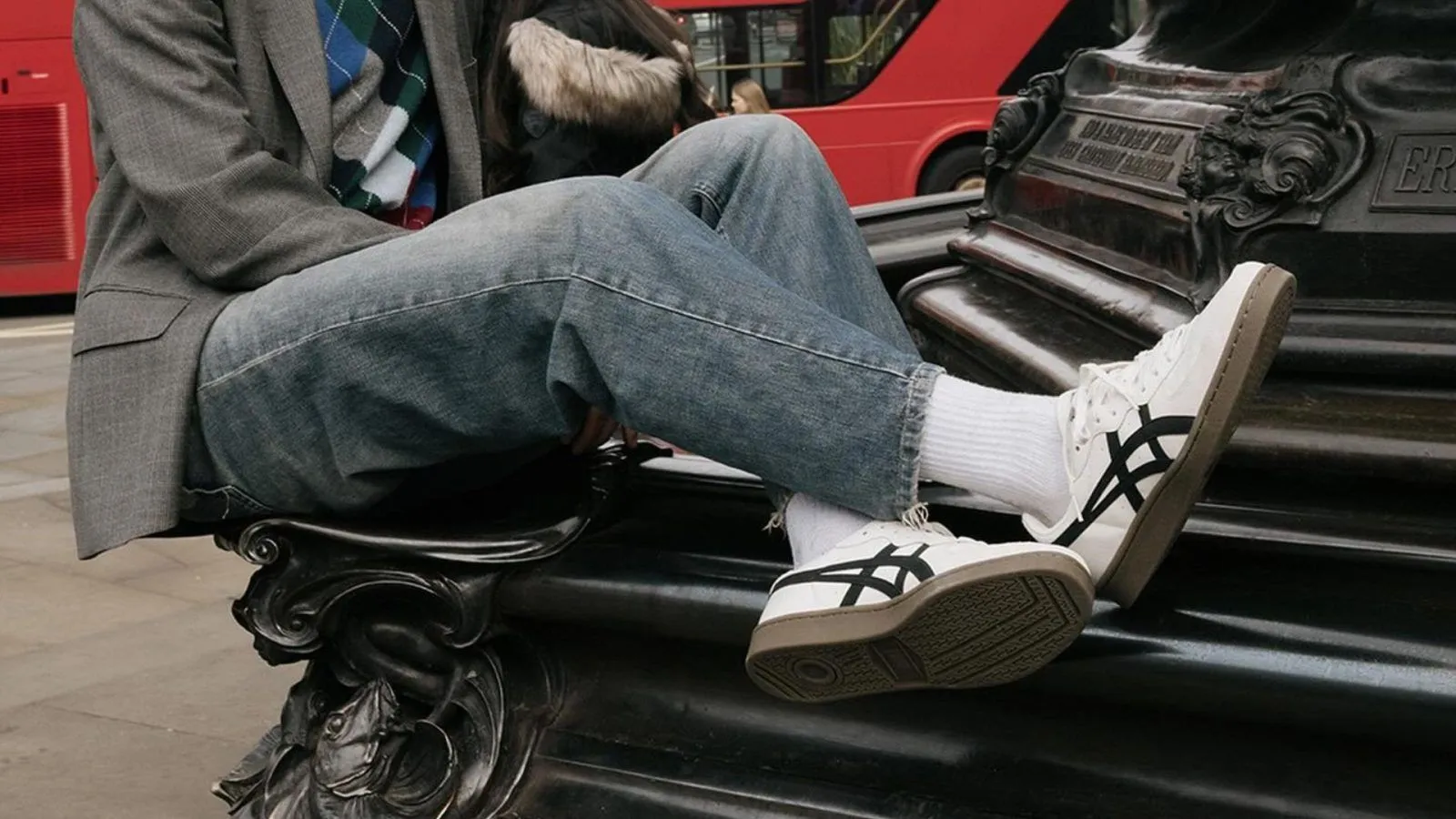
Onitsuka Tiger didn’t chase trends. It created a philosophy.
From post-war Japan to Olympic stadiums, from Bruce Lee’s fists to Uma Thurman’s vengeance, from marathon tracks to modern street style—this is a brand built on function, restraint, and belief.
In an era of loud sneakers and louder marketing, Onitsuka Tiger whispers.
And the world still listens.
By [Tommy Thounaojam] Editor TrendBrewers