One Script Many Shows: Popularity of the Boys Over Flower Drama
One story with varied adaptation in several language, what made it such a sensation let's explore.
Exploring various literature and art was one of my hobbies, and when it came to music, movies, and serials, be it English, Japanese, Indian, Turkish, Thai or Korean, good content is always great to watch. Honestly, when it came to Korean series, I didn’t plan on falling into the world of K-drama; it started with a face. Scrolling endlessly, I came across Lee Min-ho, and curiosity led me to Boys Over Flowers. One episode turned into a binge, and before I knew it, I was hooked, not just on the romance but on a story that felt strangely universal.
Well, now I have explored many K-dramas, going from romantic comedies to thrillers, and horror comedies to historical Korean dramas. But OG will always be OG after Heirs watching another college romance drama was in the row, and I stumbled upon Boys over Flowers.
The Origin: Where Boys Over Flowers Began
Long before it became a global TV phenomenon, Boys Over Flowers started as the iconic Japanese manga Hana Yori Dango, created by Yoko Kamio in the early 1990s. The title Hana Yori Dango roughly translates to “dumplings over flowers,” a Japanese idiom meaning substance over style. Ironically, the story itself beautifully blends both glamour and grounded emotion. Portraying the essence that shines or glamour is not the only thing a person needs to have essence.
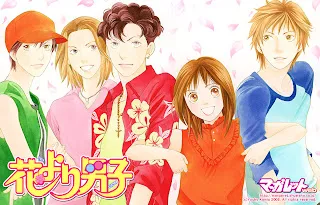
At its heart, the story follows a strong-willed, ordinary girl who enters an elite school dominated by the ultra-rich F4 (Flower Four). She witnesses some unfair situations, and standing in the centre of it, she never backs down and stands up for herself. She opposes this unfairness and gives the punch back, especially to their leader. Among these clashing encounters, a complex relationship unfolds, mixing love, power, class struggle, and personal growth.
Boys Over Flowers K-drama beautifully unravels the complex emotions, minute struggles and a passion to achieve approval from elders and great success for the future. It also portrays family dimensions and how it affects a child's mindset and the way they deal with the world around them. Some moments in this romantic K-drama would make you swoon, some cry and some agitated, but all of it will keep you invested.
Why The Story of Boys Over Flowers Became a Global Sensation
Boys Over Flowers is more than romance at its core; it’s about defying hierarchy and finding your voice. The emotional highs, dramatic twists, and aspirational lifestyle made it addictive across cultures. It portrays the young hearts' struggles and wishes that connect with many. And not to forget, the story is classic poor good girl meeting the rich bad boy, aligning with Cinderella finding her Prince Charming, yes, the Prince with his attitude is not so charming, but when his outer shell starts to crack and raw emotions peek, what unfolds is pure emotions and promises, which resonates with young ones in love.

With the rise of streaming, especially for Korean TV series, the Korean adaptation became a gateway for global audiences. Add to that unforgettable Boys Over Flowers songs and iconic fashion, and it became a pop culture phenomenon, a legacy that blooms with factors like;
- The story blends Millennials' nostalgia seamlessly with classic storytelling, creating a timeless and familiar vibe.
- For Gen Z, this is relevant as it has dramatic arcs, fashion, and viral moments that will inspire them.
- The story is based on universal themes of love, identity, and resilience, attracting global audiences.
- It resonates with anyone who has ever felt like an outsider trying to find their place.
- The F4 has a separate phenomenon combining wealth, rebellion, and charisma, creating relevance to all.
- It has a rare portrayal of courage in elite settings with a strong female lead that works in the wake of feminism.
- The story has a high drama layering emotions that are exaggerated, yet addictive.
- With all these factors, it is culturally flexible and works across countries without losing its essence.
One Script, Many Versions: The Expansion of Hana Yori Dango

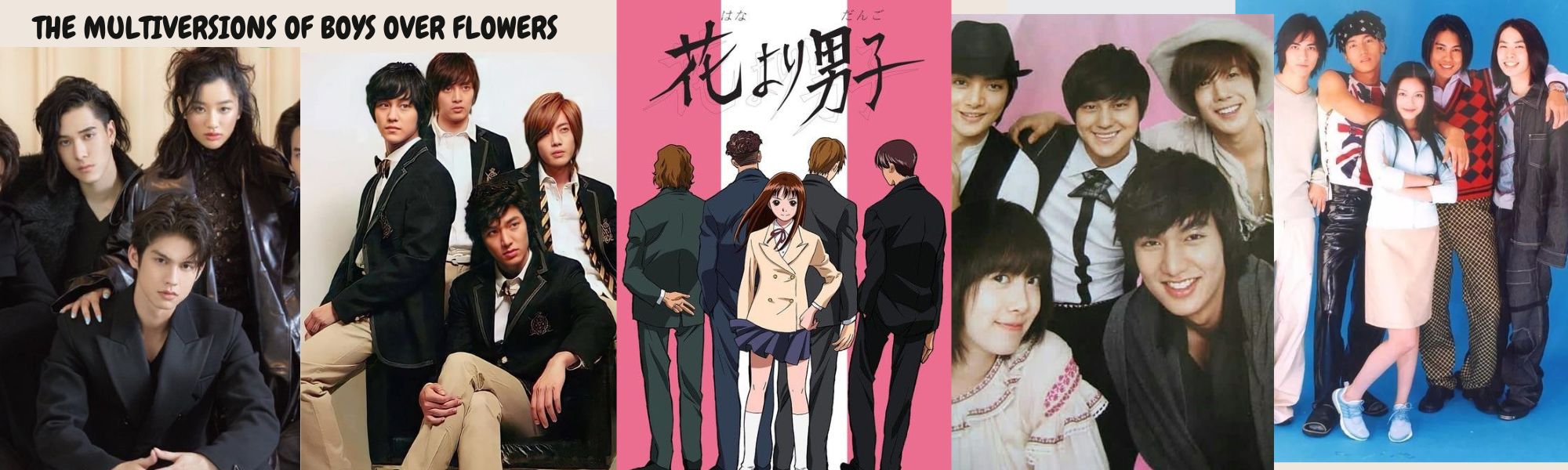
When I say one script, many versions, it literally is a story that transcends language but is made in different languages. It is versatile and is easily moulded across cultures, and has major screen adaptations like:
- Hana Yori Dango (Japan)
- Meteor Garden (Taiwan)
- Boys Over Flowers (Korea)
- Meteor Garden (China)
- F4 Thailand: Boys Over Flowers (Thailand)
From F4 Thailand Boys Over Flowers to Boys Over Flowers in Hindi, the story has crossed languages and borders effortlessly. Few stories manage to stay relevant across decades, languages, and generations. Boys Over Flowers isn’t just a drama; it’s a global storytelling blueprint. It proves that a powerful narrative, when rooted in emotion, can transcend borders effortlessly.
Trivia & Facts Of Boys Over Flowers:
- The manga Hana Yori Dango sold over 60 million copies, making it one of the best-selling shojo manga ever.
- The Korean version skyrocketed Lee Min-ho to international fame almost overnight.
- F4 became a cultural blueprint—many dramas since have recreated similar elite male groups.
- The franchise has been adapted in 5+ countries, making it one of the most remade Asian stories.
- Its OST (Boys Over Flowers songs) remains iconic, still recognised by fans years later.
Frequently Asked Questions:
1. Why is Boys Over Flowers made in so many languages?
Ans) Its universal themes, love, class differences, and youth, resonate globally. Based on the manga Hana Yori Dango, its strong characters and emotional storytelling made it easy to adapt across cultures while retaining core appeal.
2. How many languages is Boys Over Flowers made in?
Ans) The story has been adapted into multiple languages and countries, including Japanese, Korean, Chinese, Taiwanese, Thai, and more. Overall, it exists in at least six major televised versions, each tailored to local audiences while keeping the original storyline intact.
3. Is Boys Over Flowers originally Korean?
Ans) No, it isn’t originally Korean. The story comes from the Japanese manga Hana Yori Dango by Yoko Kamio. The Korean version is one of the most popular adaptations, helping the franchise gain global recognition and widespread fan following.
Final Thought
Whether you discovered it through Lee Min-ho like me, through one of its many adaptations, or through the manga, this story has a way of staying with you. So, which version is your favourite?
Revisit the series, explore its different adaptations, and share your thoughts, because some stories don’t just end, they keep blooming.
– P. Manika (Performist Content Writer)