Linkin Park’s First India Show Finds Its Moment at Lollapalooza Mumbai
Linkin Park make their India debut at Lollapalooza Mumbai. What the band, the lineup, and the city mean for fans across the country.
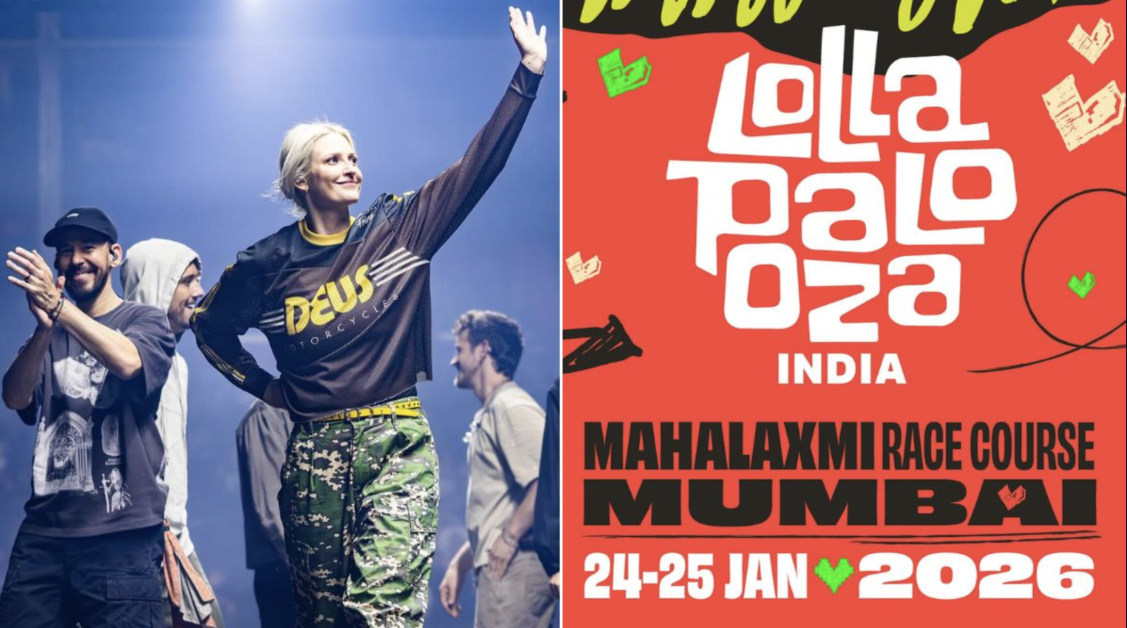
For years, Linkin Park lived in India in a very specific way: through scratched CDs passed between friends, late-night MTV rotations, college festival playlists, and the shared muscle memory of songs that felt deeply personal even when they were being shouted by thousands at once.
Now, finally, the band is here — in India, in person, and on a stage big enough to hold the weight of that history.
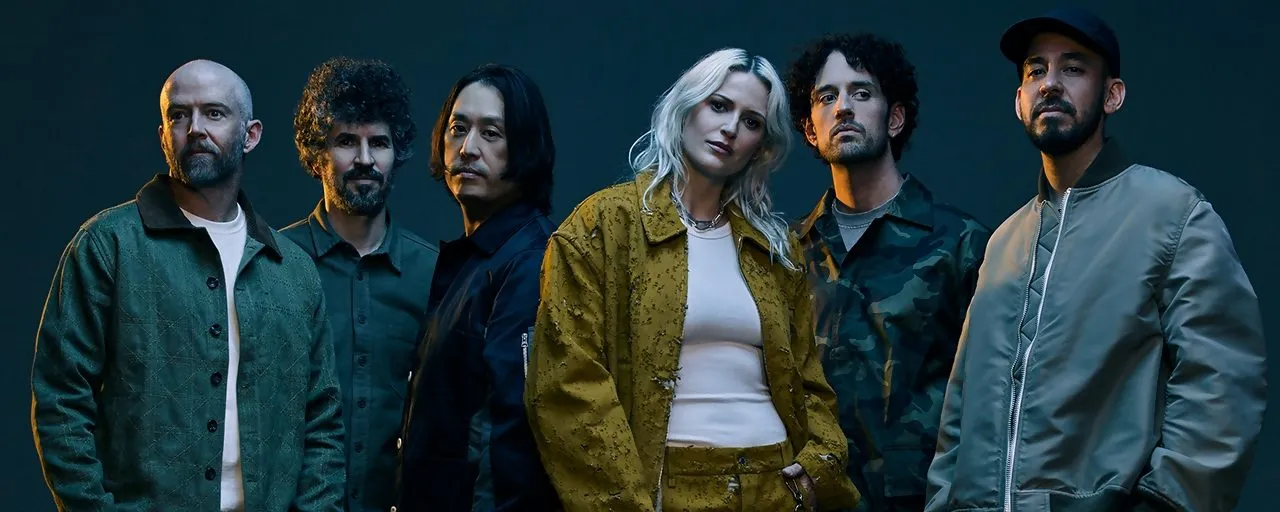
Image from left: Dave Farrell, Brad Delson, Joe Hahn, Emily Armstrong, Colin Brittain, and Mike Shinoda
Why This Moment Matters
Linkin Park’s relationship with Indian audiences has always been intense, if indirect. Their music crossed language, class, and genre boundaries long before international touring circuits seriously considered India a priority market.
For fans traveling in from Delhi, Bengaluru, Pune, Kolkata, Hyderabad, and smaller cities beyond the usual concert map, this isn’t casual attendance — it’s pilgrimage. Trains and flights into Mumbai are packed with people who grew up with these songs soundtracking their most formative years. Many are seeing the band live for the first time anywhere in the world.
The fact that the band has already begun interacting with Indian artists and public figures ahead of the show — sharing space with musicians who grew up on their influence — only sharpens the sense that this visit is about cultural exchange, not just performance.
Lollapalooza India, Fully Grown
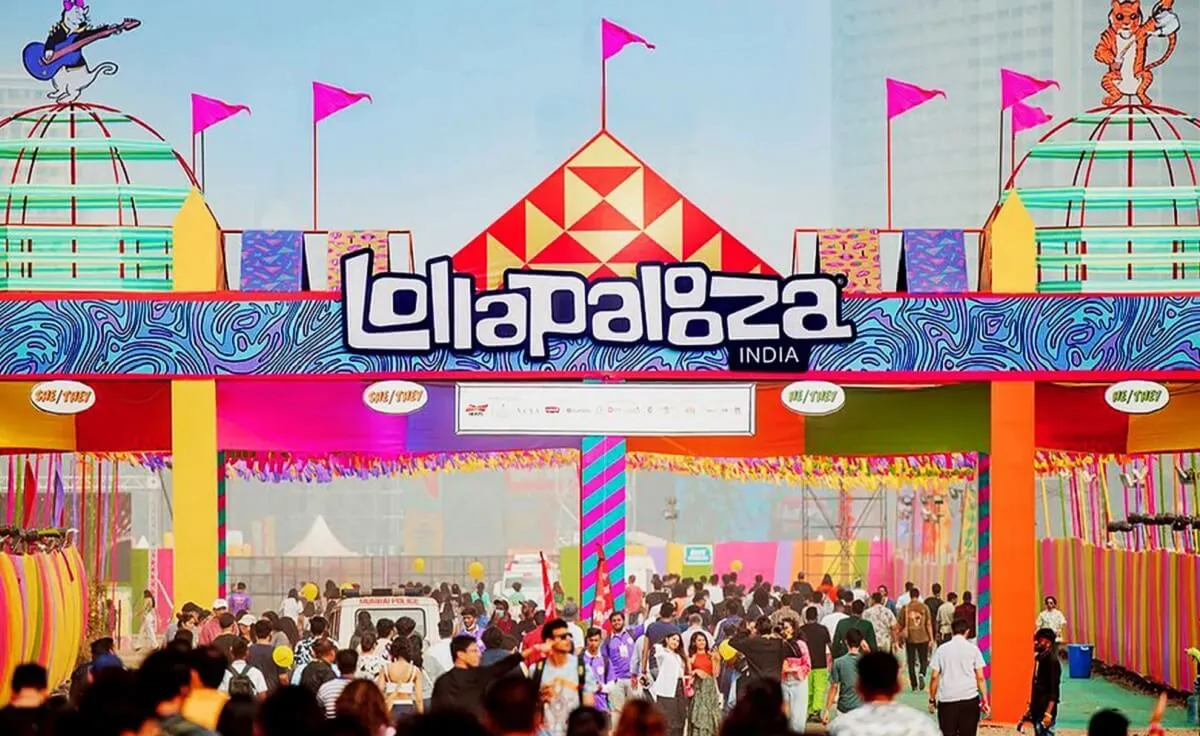
By 2026, Lollapalooza India has settled into its role as the country’s most globally fluent festival. Spread across two days at Mahalaxmi Racecourse, the event brings together more than 40 artists across rock, hip-hop, electronic, pop, indie, and alternative music — without forcing them into artificial hierarchies.
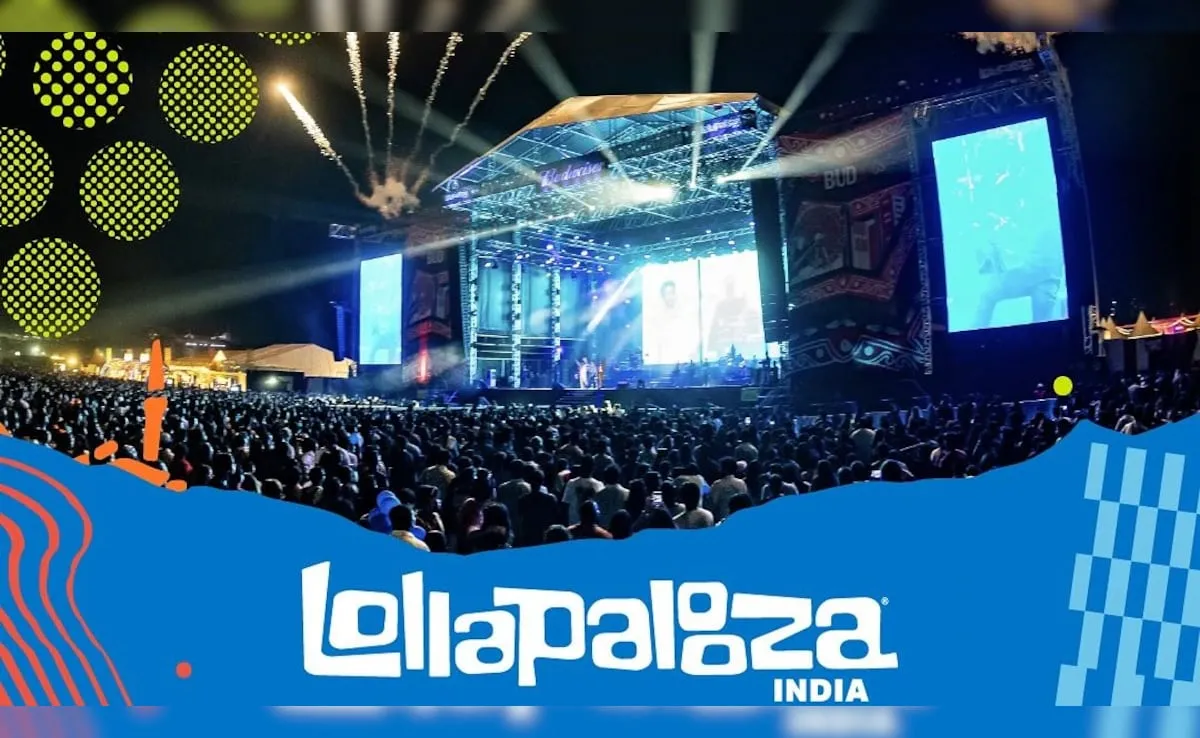
The lineup surrounding Linkin Park reflects that philosophy.
You’ll find global headliners like:
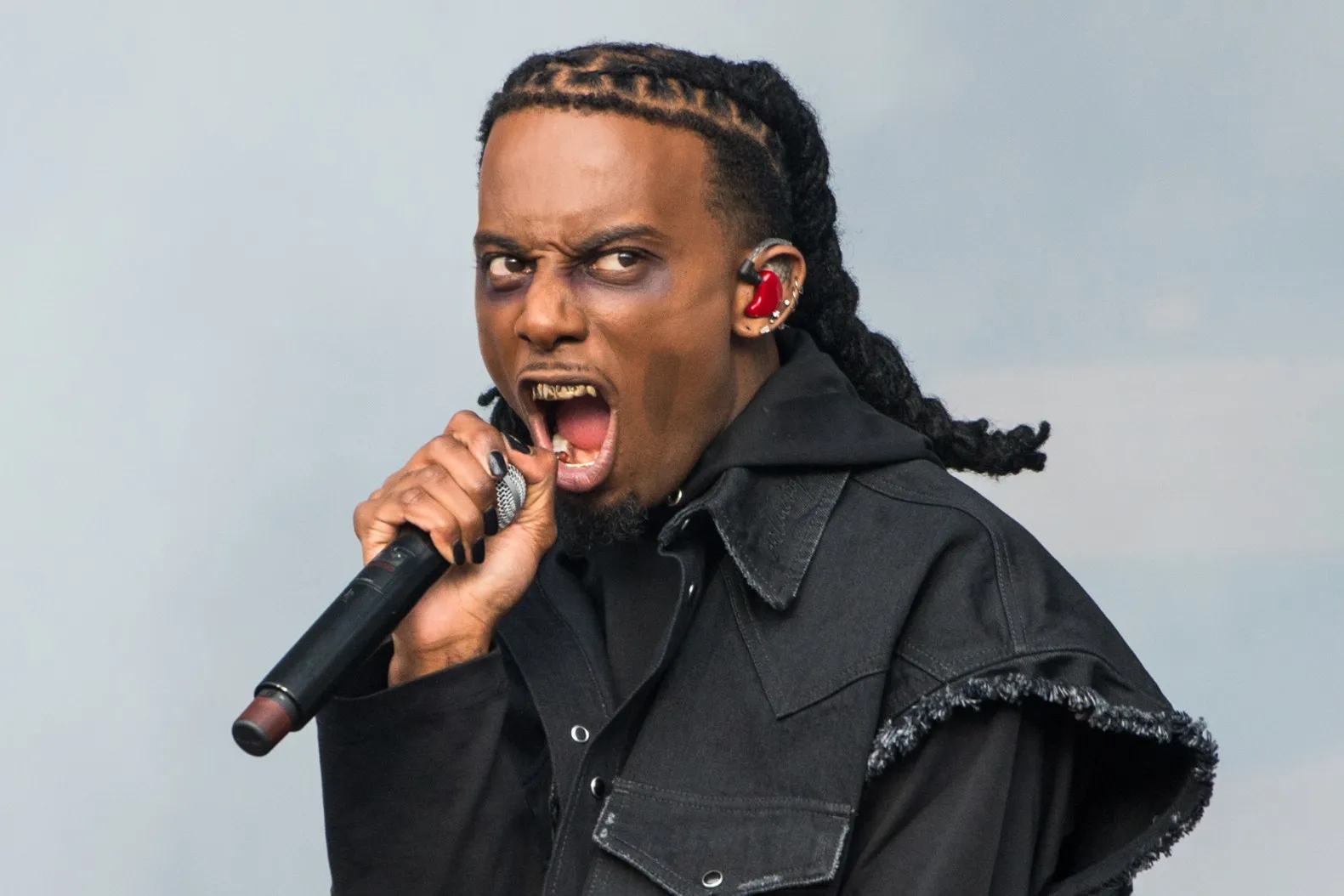
Image:Playboi Carti
- Playboi Carti, whose chaotic, high-energy hip-hop pulls massive youth crowds
- Yungblud, blurring punk, pop, and protest
- Kehlani, bringing R&B rooted in vulnerability
- LANY and Calum Scott, representing different ends of modern pop’s emotional spectrum
- Fujii Kaze, whose genre-fluid songwriting has built a devoted international following
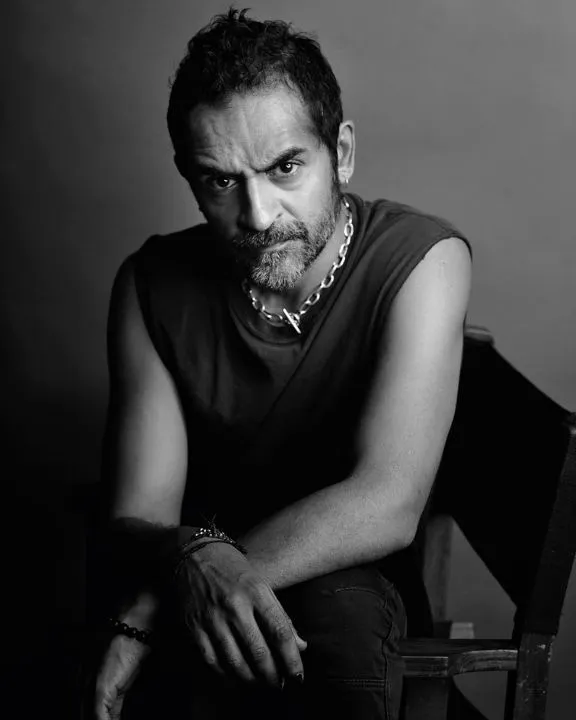
Image: Karsh Kale
Alongside them is a strong Indian contingent — artists like Bloodywood, whose folk-metal fusion has already earned global respect, and Karsh Kale, a long-time bridge between Indian classical traditions and electronic music. Acts such as Ankur Tewari, OAFF–Savera, and emerging independent voices ensure the festival doesn’t feel imported, but grounded.
What the Crowd Will Look Like
Expect tens of thousands across both days, skewing young but not exclusively so. Linkin Park’s presence pulls in millennials who haven’t attended a festival in years, while newer acts bring Gen Z energy to the front barricades.
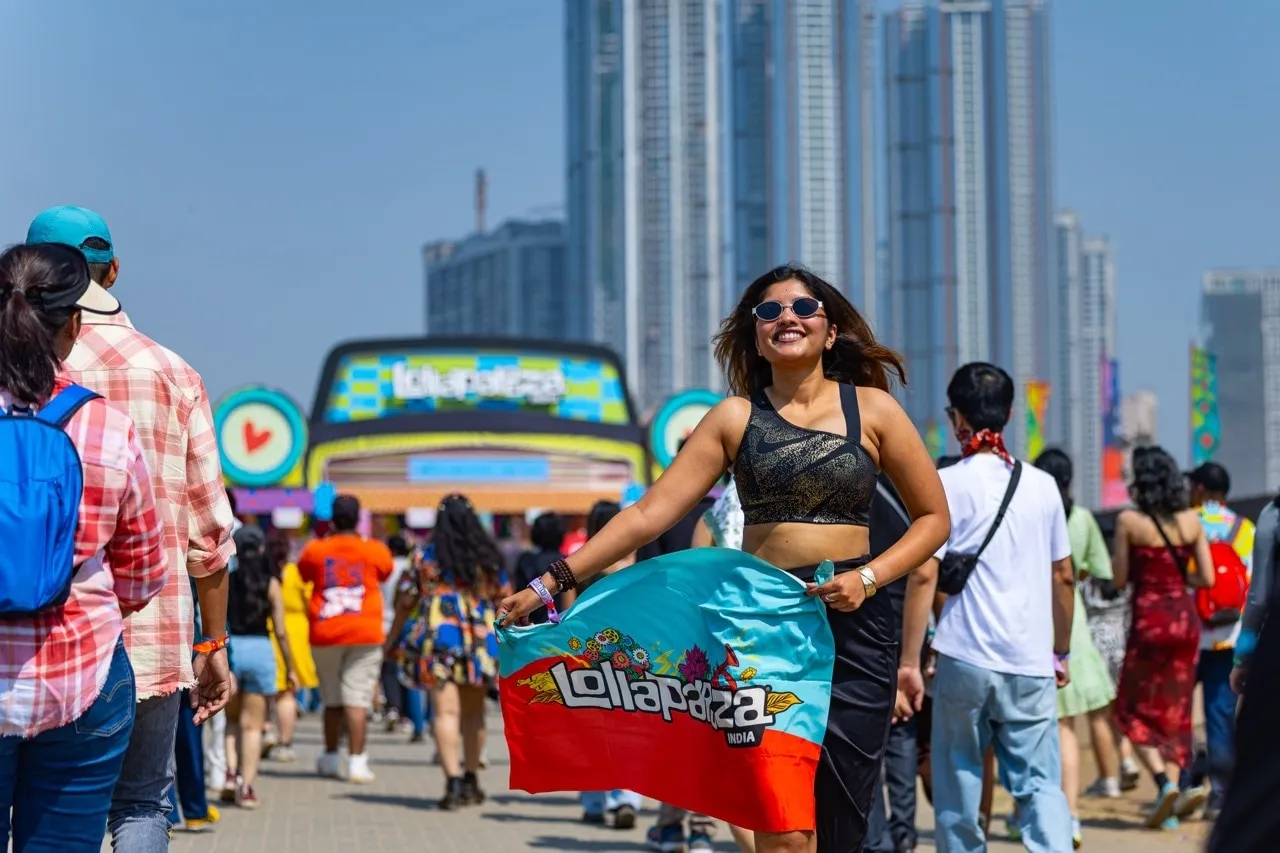
The crowd will be pan-Indian and visibly international — a mix of band tees and streetwear, experimental festival fashion, desi silhouettes reworked for heat and movement, and sneakers that look like they’ve been planned for months.
Mumbai, for one weekend, becomes a shared living room for India’s music community.
The City Around the Festival
Large-scale festivals in Mumbai don’t exist in isolation. Hotels across South Mumbai, Lower Parel, Bandra, and Juhu fill up early. After-parties spill into clubs and bars long after the last headliner finishes.
Logistically, the city adjusts — traffic diversions near Mahalaxmi, packed local trains, late-night cab hunts — but this is a city used to accommodating chaos. The reward is a rare sense of collective anticipation that stretches beyond the festival gates.
Two Days, One Arc
Day one tends to feel exploratory: discovering new artists, moving between stages, letting electronic and pop acts set the tone. Day two is about culmination — and this year, that culmination belongs to Linkin Park.
When they finally step onstage in Mumbai, it won’t just be a performance. It will be the sound of thousands of people finishing each other’s lines, of songs that never needed geography to matter finally finding their place on Indian soil.
The Bigger Picture
India’s live music scene has spent the last decade insisting it belongs in global touring conversations. Lollapalooza Mumbai, headlined by Linkin Park, feels like proof that the argument has been won.
This isn’t novelty booking. It’s alignment — between artists, audiences, and a country ready to meet them at scale.
And for the fans who waited years for this moment, Mumbai isn’t just hosting a concert.
It’s hosting a memory that’s been a long time coming.
Get your tickets here
By [Tommy Thounaojam] Editor TrendBrewers