
How One Piece Overtook Asterix: The Pirate King's Conquest of Comic Royalty
Explore how One Piece outpaced Asterix in sales despite a 38-year start gap, unpacking their histories, art, humor, global appeal, cultural contrasts, and collector lore
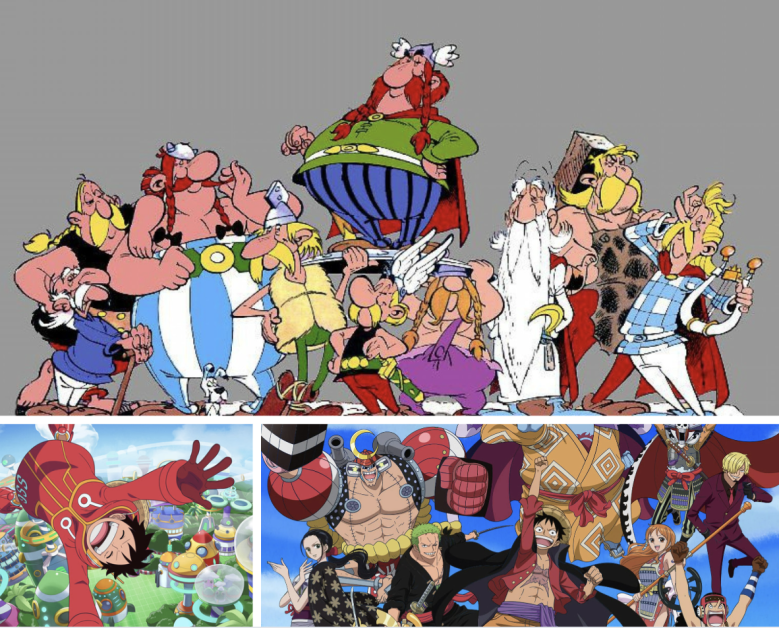
A Gaulish Warrior vs. a Rubber Pirate—Who Wears the Crown?
Picture this: In the misty hills of ancient Gaul, a pint-sized hero named Asterix sips a magic potion, outwits Roman legions, and feasts on wild boar under a starry sky. Fast-forward 38 years to the high seas of a fantastical world, where Monkey D. Luffy stretches like taffy, rallies a ragtag crew of dream-chasers, and hunts a legendary treasure called the One Piece. One is a cheeky underdog tale etched in European folklore since 1959; the other, a sprawling shonen saga launched in 1997 that's still unfolding like an endless ocean voyage.
Yet, in a plot twist worthy of both series, One Piece has dethroned Asterix as the world's best-selling comic book series, rocketing past 516 million copies sold by 2022 and continuing its dominance into 2025 with over 4.2 million units moved in Japan alone this year. Asterix, the indomitable legacy with 393 million copies across 41 volumes, trails in second place globally. How did a "late-bloomer" manga, born in the shadow of giants like Dragon Ball, hoist the Jolly Roger over a cultural icon that's inspired theme parks, films, and even satellite names? Buckle up for a rollicking breakdown: from potion-fueled puns to Devil Fruit-fueled dreams, we'll dissect the histories, differentiators, global strongholds, and more. This isn't just a sales upset—it's a testament to storytelling's tidal waves.
The Epic Origins: Histories of Two Comic Titans

Asterix: The Gaulish Rebel Born in Post-War France
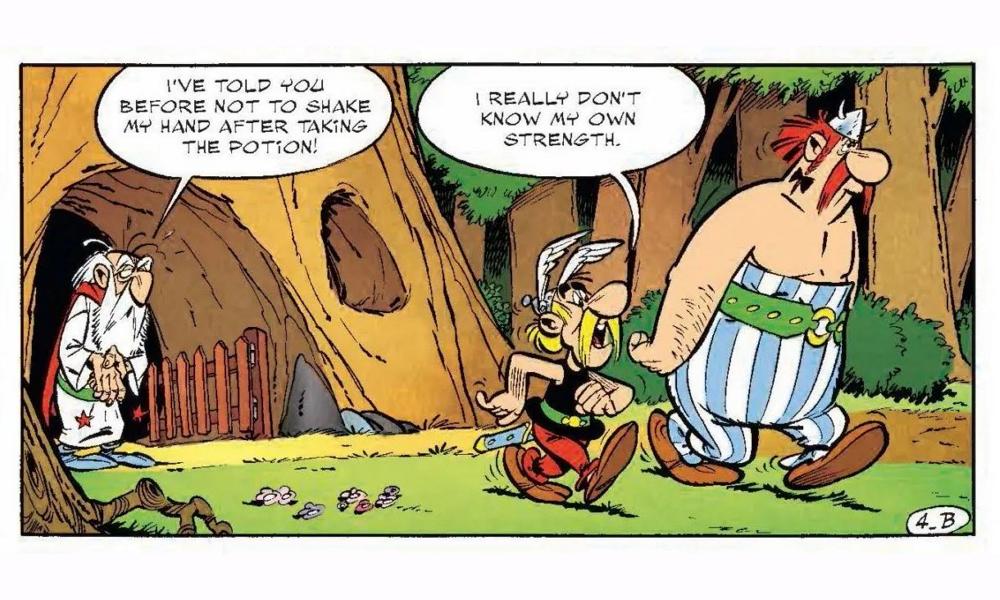
Launched on October 29, 1959, in the Franco-Belgian magazine Pilote, Asterix was the brainchild of writer René Goscinny and artist Albert Uderzo—a duo fresh off flops like Oumpah-Pah. Set in 50 BC amid Julius Caesar's Roman conquest, the series chronicles the lone indomitable village in Gaul that resists occupation thanks to a strength-boosting magic potion brewed by the druid Getafix. What started as serialized strips exploded: the first album, Asterix the Gaul (1961), sold 6,000 copies; by the ninth volume in 1967, it hit 1.2 million.
Tragedy struck in 1977 with Goscinny's death, but Uderzo soldiered on solo until 2009, when he handed the reins to Hachette. Today, 41 canonical volumes grace shelves, with the latest—Asterix in Lusitania—dropping October 23, 2025. Key characters like the shrewd Asterix, his dim-witted powerhouse pal Obelix (forever super-strong after a childhood potion mishap), and Obelix's loyal mutt Dogmatix embody French pride and irreverence. Adaptations abound: 15 films (including live-action hits like Asterix & Obelix: Mission Cleopatra in 2002), a theme park (Parc Asterix, drawing 2.3 million visitors yearly), and even a 1965 French satellite named Astérix.

One Piece: The Pirate Dream Forged in Shonen Fires
Eiichiro Oda's One Piece set sail in Weekly Shōnen Jump on July 22, 1997, inspired by childhood pirate tales (Vicky the Viking), Dragon Ball's epic scope, and Oda's own one-shots like Romance Dawn. Rejected thrice by editors for its unfinished plot, it persisted thanks to Oda's unyielding editor. Monkey D. Luffy, a rubbery boy who ate a forbidden Devil Fruit, assembles the Straw Hat Pirates to find the One Piece and claim Pirate King status—defying the tyrannical World Government along the way.
Over 111 volumes by March 2025, it's a marathon still in its "final saga" (announced 2020), with Oda's grueling schedule (5 a.m. to 2 a.m. daily) ensuring consistency. The crew—swordsman Zoro, navigator Nami, sniper Usopp, cook Sanji, and more—grows through arcs like East Blue and Wano. Adaptations? A 1,000+ episode anime, 14 films, a hit Netflix live-action (2023), and theme parks like Tokyo One Piece Tower. Oda's worldbuilding, blending freedom-fighters with moral gray areas, has spawned scientific nods (e.g., Alabasta amoeba species) and protest symbols (Straw Hat flags in 2025 global rallies).
Differentiator Snapshot: Asterix is a compact, episodic rebellion tale rooted in historical satire; One Piece is an ever-expanding odyssey of serialized high-stakes adventure, evolving from boyhood whimsy to geopolitical intrigue.
The Sales Surge: How One Piece Hoisted the Tropy Over Asterix
One Piece didn't just catch up—it lapped the field. By 2025, it boasts over 516 million copies circulated worldwide, cementing its Guinness record as the most-published single-author series. Milestones? 100 million by 2005, 500 million by 2022. In Japan, Volume 111 sold 1.37 million in 2025 alone. Asterix holds steady at 393 million across 120+ languages, but its growth plateaued post-Uderzo.
The overtake? Timing and medium. Asterix's print-era peak (1960s-80s) met One Piece's digital boom—manga apps like Manga Plus exploded accessibility. Weekly serialization in Shōnen Jump built rabid fandoms, while Asterix's annual albums fostered collectors but slower hype. Global manga mania (post-Naruto, streaming anime) propelled One Piece in non-traditional markets, flipping Asterix's European stronghold.
Key Differentiators: Art, Humor, Storylines, and Messages
| Aspect | Asterix | One Piece |
|---|---|---|
Art Style | Clean, expressive ligne claire (clear line) by Uderzo/Conrad; detailed caricatures, punny nameplates. Timeless, European elegance. | Cartoonish, dynamic Oda originals with Toriyama influences; explosive action panels, evolving "crazy" complexity in later volumes. Inked personally for fluidity. |
Humor | Pun-drenched wordplay (e.g., "Getafix" for potion highs), ethnic stereotypes (Britons with tea obsessions), banquet gags. Satirical, adult-wink. | Kanji puns in attacks (Zoro's "Onigiri" = rice ball/demon slash), character quirks (Sanji's nosebleeds), slapstick amid battles. Youthful, relentless energy. |
Storyline | Episodic adventures: Village defense, foreign jaunts (e.g., Egypt, Britain). Formulaic: Potion > Chaos > Banquet. Sci-fi twists in later books. | Serialized epic: Grand Line quests, crew growth, lore-deep arcs (Alabasta rebellion, Wano samurai saga). Builds to One Piece reveal; freedom vs. tyranny. |
Messages | Gaulish independence, cultural defiance, anti-globalization satire. Celebrates French wit and community feasts. | Pursuit of dreams, found family, anti-authoritarianism. Moral ambiguity: Pirates as heroes against corrupt empires; "journey over treasure." |
These contrasts fueled One Piece's edge: Its ongoing serialization hooks generations, while Asterix's self-contained charm shines in nostalgia.
Audiences and Global Battlegrounds: Who Rules Where?
Asterix reigns in Europe—France (theme park mecca), Belgium, Germany (Bavarian dialects), with 53 million film viewers. It's modest in the US (bookstore curios) but beloved in India (Sinhala edition) and Latin America for its universal underdog vibe. Core audience: Families, history buffs, 30+ Europeans savoring puns.
One Piece dominates Asia (Japan: 416 million copies; China: youth must-read) and surges Westward—France (31.8 million, topping charts since 2011), North America (2.9 million), Italy (18 million). Teens and young adults (shonen demo) flock to its empowerment themes, amplified by anime on Crunchyroll. Asterix appeals to cultural insiders; One Piece to global dreamers.
Cultural Clashes: Europe vs. the World, Satire vs. Saga
Asterix is quintessentially French: A post-WWII jab at occupation, with Gallic pride and mild xenophobia (e.g., caricatured pirates, Goths). It fosters multiculturalism through adventures but roots in European identity—think tea-mocking Britons or bureaucratic Romans. One Piece, Japanese shonen fare, weaves diverse races (fish-men, giants) into a freedom anthem, critiquing imperialism via the World Government. Cultural export? Asterix symbolizes Franco-Belgian bande dessinée export success; One Piece rides manga's Western wave, blending Eastern philosophy (Haki as willpower) with universal rebellion.
Fan Favorites: Most Popular Arcs and Albums
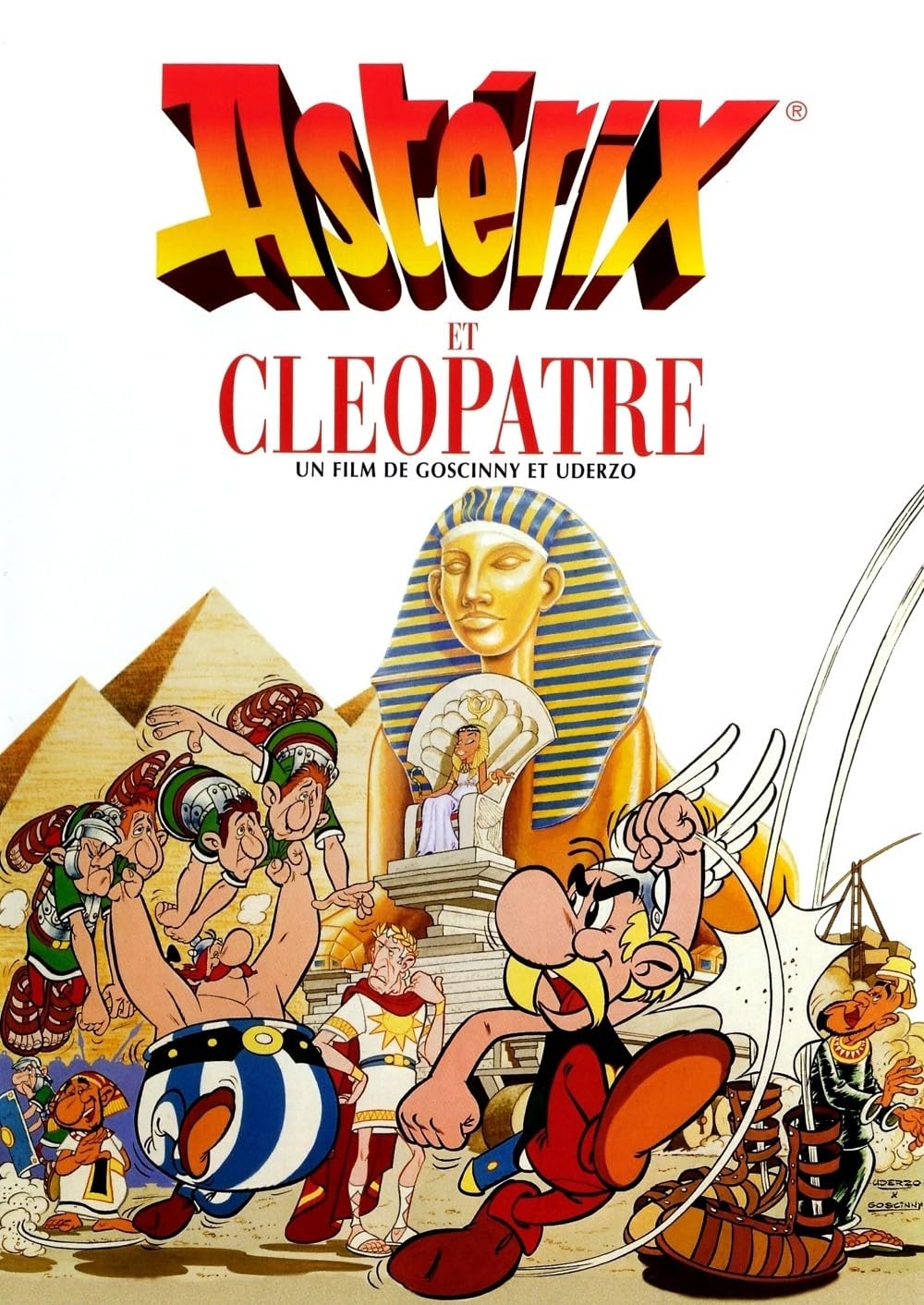
• Asterix: Asterix and Cleopatra (1965, Egyptian hijinks) and Asterix in Britain (1966, tea-time satire) top sales; Asterix the Gaul for origins.

• One Piece: East Blue (crew assembly), Alabasta (moral epic), Wano (samurai spectacle). Volumes 60+ (3-4 million first prints) are collector gold.
Treasures for Collectors: Rare Editions and Must-Haves
In the ever-expanding world of comic book collecting, few series capture the heart like Asterix and One Piece. Asterix, the indomitable Gaul created by René Goscinny and Albert Uderzo, has been delighting readers since 1959 with its satirical take on ancient history, sharp wit, and vibrant artwork. As it celebrates its 65th anniversary in 2024-2025, deluxe editions and first prints are surging in value, driven by nostalgia and limited releases tied to new media like the 2025 Netflix series Asterix and the Big Fight. Meanwhile, Eiichiro Oda's One Piece—the epic tale of Monkey D. Luffy's quest for the ultimate treasure—continues its global domination, with over 1,000 chapters and a booming TCG (Trading Card Game) market pushing collectible values into the stratosphere. In 2025, high-grade cards and signed manga are fetching auction records, fueled by the series' final saga hype and crossover events.
Whether you're a die-hard hoarder or a strategic investor, here's an expanded guide to the rarest must-haves. I've curated selections based on current market trends from auctions, eBay sales, and collector forums, focusing on editions with proven appreciation potential. Prices reflect 2025 averages for near-mint or graded conditions (e.g., PSA/BGS 10 for cards), but values fluctuate—always verify with sites like Heritage Auctions or TCGPlayer.
Asterix: Gallic Gems for the Discerning Hoarder
Asterix collectors prize editions that showcase the series' artistic evolution, from Goscinny-Uderzo's golden era to modern tributes. First editions in original French or early translations hold steady value due to the series' 40+ canonical volumes and scarcity of unrestored prints. Deluxe hardcovers dominate 2025's market, especially with anniversary tie-ins and restored art that highlights Uderzo's intricate linework. Tribute works add emotional depth, often featuring unpublished sketches.

Key rarities include:
- La Grande Collection (2006, Hachette): This 34-volume deluxe hardcover set (plus the ultra-rare "Album 0: RéFondation") redefined collector standards with oversized (10x13 inches) formats, re-inked originals, and color-balanced prints. Released progressively until 2010, it's a visual feast—volumes form a panoramic village illustration when shelved. The "Première édition luxe" labels boost early copies. RéFondation (1,000-copy run) is the crown jewel, often auctioned privately.
- First-Edition Asterix als Legionar (1989 German, Ehapa): Volume 24 in near-mint condition, this early international translation captures the story's anti-militaristic humor. German editions from the '80s are undervalued compared to French, but demand is rising with European conventions.
- Gold-Foil Asterix Collector Series (2024-2025, Papercutz): Anniversary hardcovers with embossed foil and creator notes. Volume 2 (Asterix and the Golden Sickle, April 2025) includes historical essays and process art, tying into the 65th celebrations.
- Tribute Albums like Uderzo Croqué par ses Amis (1996): A heartfelt anthology of one-page strips by 40+ artists honoring Uderzo. Premiums come from signed copies or those bundled with sketches.
- Emerging 2025 Hot Picks: France Loisirs' L’Intégrale (18 double-album omnibuses with character dossiers) and special Netflix-tie editions (e.g., Asterix and the Big Fight with 16 bonus pages). The 2024 65th anniversary Asterix the Gaul deluxe is climbing fast.
Hunt on eBay or Asterix-specific forums for bundles—complete box sets like the 39-volume English edition go for $200 new. Pro tip: Prioritize French originals for max ROI, as English omnibuses (e.g., Vols. 1-5 bundle) are more accessible but less explosive in value.
One Piece: Pirate Plunder for the Obsessive Fan
One Piece turns 28 in 2025, but its collector scene feels timeless—with manga volumes hitting 110+, art books bursting with Oda's sketches, and a TCG exploding into a $1B+ market. Obsessives target arc-specific box sets for narrative completeness, while TCG chasers eye ultra-rares from events like the 2025 Treasure Cup. Signed one-shots or "milestone" volumes (e.g., Vol. 100) command premiums due to the series' emotional arcs and final-saga speculation. Funko Pops and figures add fun, but manga/TCG hold the real treasure.
Standouts:
• Color Walk Art Books: Oda's compendiums (e.g., Vols. 7-9 in one edition) showcase vibrant spreads from arcs like Water Seven. The 3-in-1 Color Walk Vol. 2 (Water Seven to Paramount War) is a steal for color enthusiasts.
• Arc Box Sets (East Blue Limited Editions): Vols. 1-23 (East Blue to Baroque Works) in premium packaging with posters. Full series (107+ vols.) via omnibuses saves cash but misses rarities.
• TCG Ultra-Rares (Promotional Alternate Arts): Gear 5 Luffy variants and event promos dominate, with manga parallels hitting four figures. The Dodgers crossover card shattered records at $15K.
• eBay Hunts: Signed Romance Dawn One-Shots or Vol. 100: Prototype stories or bounty milestone volumes, often with con sketches. First-print Vol. 1 from Weekly Shonen Jump #34-1997? A $1K+ grail.
• 2025 Breakouts: Royal Blood booster pack cards (noble-themed, 400+ variants) and Funko Pops like Gear 5 Luffy ($300+ resale). Figures of Zoro or Gol D. Roger are hot at $500.
For the full manga haul, expect $1,000+ new, but box sets drop it to $500 for Vols. 1-90. TCG tip: Grade everything—PSA 10s multiply value 5x. Dive into X communities or Reddit for flips, but beware fakes in the Wild East Blue of eBay.
These treasures aren't just ink and paper (or foil and cardboard)—they're portals to worlds of rebellion and adventure. Start small with a gold-foil Asterix or a Luffy promo, and watch your hoard grow
Conclusion: Legacy vs. Momentum—The Comic Crown Evolves
One Piece didn't "overtake" Asterix through betrayal but tidal evolution: Serialization's grip, manga's global tide, and themes of boundless dreams outpaced episodic charm. Yet both endure as beacons—Asterix the witty elder statesman, One Piece the youthful buccaneer. In comics' grand adventure, there's room for potion and pirate alike.
FAQs
Q: Is One Piece really the best-selling comic ever?A: Yes, with over 516 million copies by 2025, edging Asterix's 393 million.
Q: Why isn't Asterix as big in the US?A: Cultural specificity (French puns, history) limits it to niche bookstore appeal vs. One Piece's anime-fueled mainstream surge.
Q: Will One Piece end soon?A: In its "final saga" since 2020, but Oda's expansions suggest 2027+ completion.
Q: Best starter for each?A: Asterix the Gaul for quick laughs; One Piece East Blue arc for epic hooks.
Q: Cultural stereotypes in these series?A: Both use them satirically—Asterix for Europeans, One Piece for global races—but modern reads flag dated elements.