High in the Sky: Redefining Motion Capture
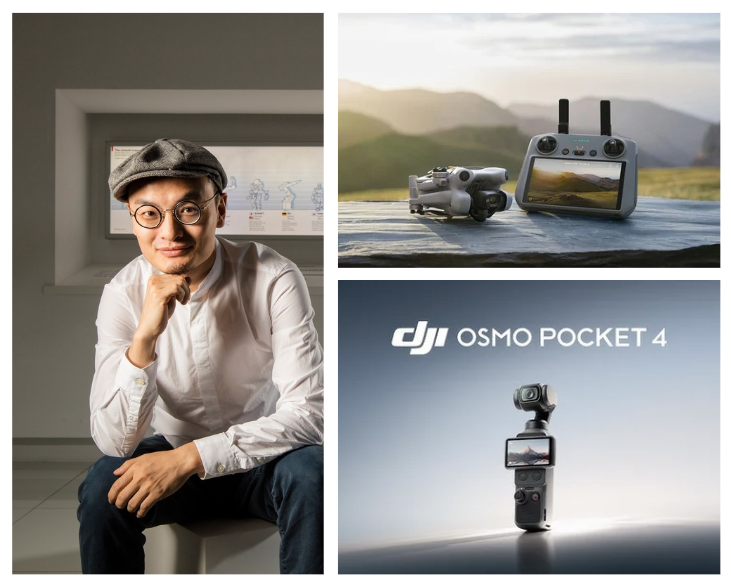
Explore the rise of DJI (Da-Jiang Innovations), where engineer Frank Wang transformed how the world captures motion through groundbreaking drone technology.
Engineering the Future of Flight:
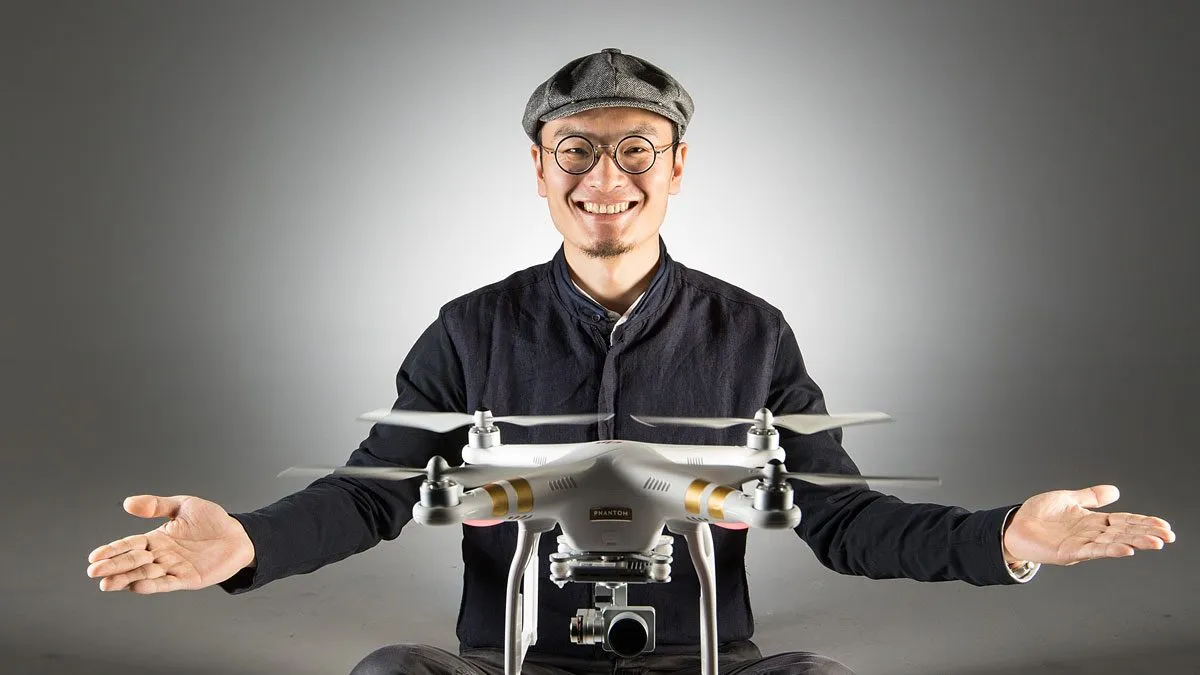
What truly set Da-Jiang Innovations apart wasn’t just building drones, it was redefining how they fly. Early drones were notoriously difficult to control, requiring skill, patience, and often a bit of luck. DJI changed that by developing advanced flight control systems that could automatically stabilize the aircraft in real time, making flight smooth, predictable, and accessible to almost anyone.
At the core of this shift was the integration of GPS, sensors, and intelligent software that allowed drones to hover steadily, return home automatically, and avoid obstacles. Features like these transformed drones from niche hobbyist gadgets into powerful creative tools. What once demanded expertise could now be done with minimal effort, opening the skies to filmmakers, travellers, and everyday users alike.
This leap in usability didn’t just improve the flying experience, it redefined what was possible with aerial imaging. By removing the technical barriers, DJI enabled people to focus less on controlling the drone and more on capturing the shot, ultimately changing how motion and perspective are recorded across industries.
Where Innovation Became Reality:
Da-Jiang Innovations didn’t just improve drones, it released products that completely reshaped the market. Each major launch pushed the industry forward, setting new standards for what users could expect from aerial tech.
The DJI Phantom was one of the first big breakthroughs, bringing ready-to-fly drones with built-in cameras to everyday users. It took drones out of hobbyist circles and into mainstream hands. Then came the DJI Mavic Pro, which introduced a compact, foldable design without sacrificing performance, making high-quality aerial filming portable for the first time.
DJI continued to refine this with the Mini series, offering lightweight drones that delivered serious camera capabilities in a travel-friendly form. Beyond drones, products like the DJI Osmo Pocket and DJI Ronin extended their influence into handheld filmmaking, giving creators smooth, cinematic footage without bulky setups.
These products didn’t just sell well, they defined categories. Each release made advanced imaging more accessible, reinforcing DJI’s position as the brand that consistently moves the goalposts in visual technology.

Going Beyond Drones: A Vast Ecosystem
Da-Jiang Innovations may be best known for drones, but its real strength lies in the ecosystem it has built around imaging and content creation. Instead of relying on a single product category, DJI has expanded into a connected line-up of tools that work seamlessly together.
This includes handheld stabilizers like the DJI Ronin, compact creator-focused cameras such as the DJI Osmo Pocket, and action cameras like the DJI Osmo Action. Each product is designed with the same goal in mind, delivering smooth, high-quality footage whether you’re in the air, on the ground, or on the move.
What ties it all together is DJI’s software and user experience. From mobile apps to editing tools, the ecosystem is built to be intuitive, allowing users to shoot, transfer, and edit content with minimal friction. This interconnected approach makes DJI more than just a drone company, it positions it as a complete solution for modern visual storytelling.
By expanding beyond drones, DJI has created a unified creative toolkit, making it easier for users to stay within its ecosystem rather than switching between multiple brands.

Who is Getting the Most Out of It:
They have built its product range to appeal to a wide spectrum of users, from complete beginners to high-end professionals. At the entry level, casual users and hobbyists are drawn to DJI’s easy-to-fly drones and compact cameras, which require little technical knowledge but still deliver impressive results.
For content creators, vloggers, and influencers, DJI offers tools that elevate visual storytelling, whether it’s cinematic drone shots or smooth handheld footage using products like the DJI Ronin. These tools allow creators to produce high-quality content without the need for large production setups.
On the professional side, filmmakers, photographers, and production teams rely on DJI for its reliability and performance in demanding environments. At the same time, industries such as real estate, construction, agriculture, and emergency services use DJI drones for practical applications like mapping, inspections, and surveillance.
By catering to both creative and commercial needs, DJI has positioned itself as a brand that serves anyone looking to capture, create, or analyse the world from new perspectives.
A quick review; DJI Osmo Pocket 3 and DJI Mavic 3 Pro:
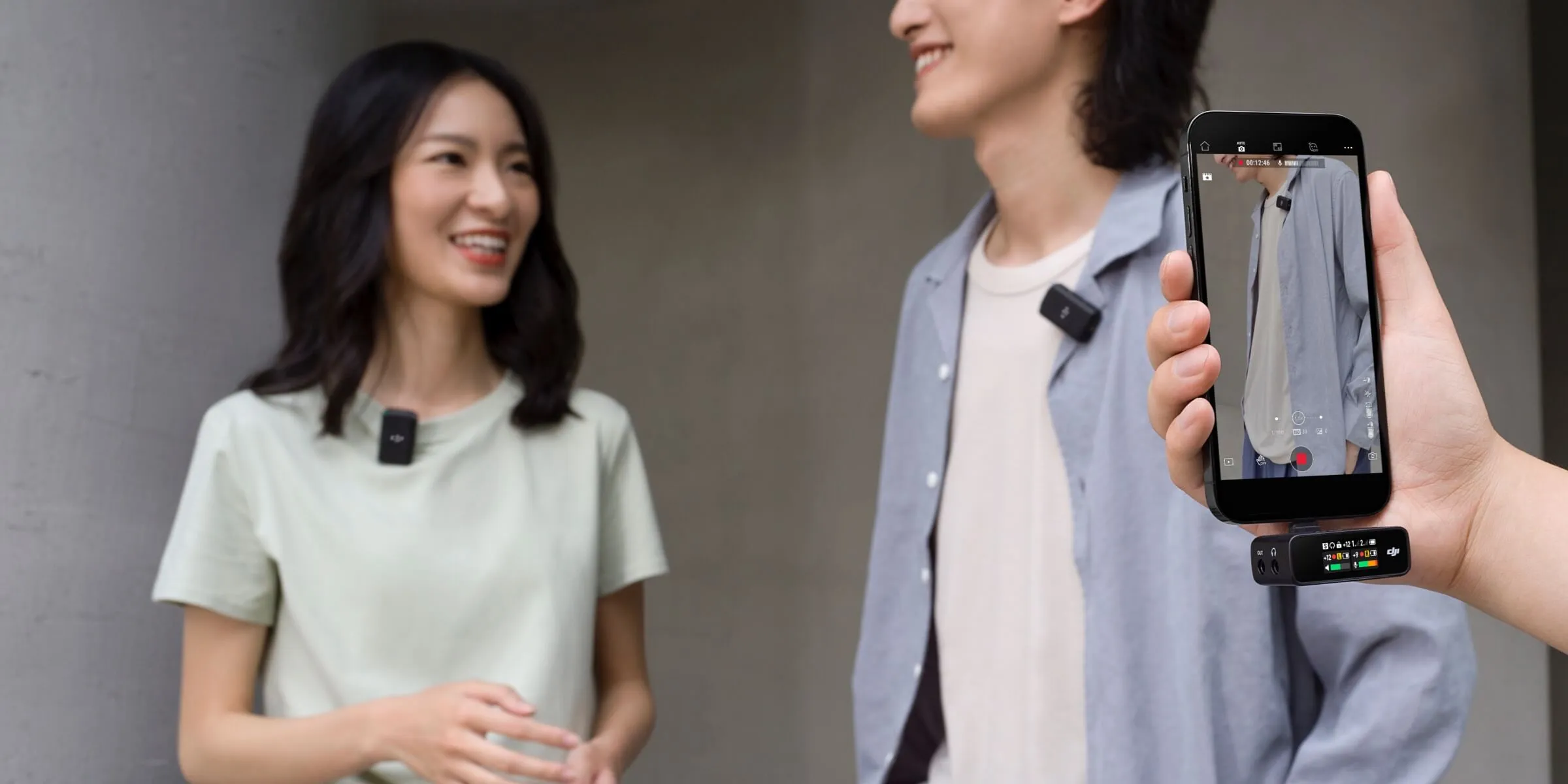
DJI Osmo Pocket 3
The DJI Osmo Pocket 3 is designed as an all-in-one handheld filmmaking tool, built around portability and ease of use. Its standout feature is the 1-inch sensor paired with a 3-axis mechanical gimbal, which delivers exceptionally smooth footage and strong low-light performance for a device this small. This makes it ideal for vloggers, travel creators, and anyone who wants cinematic shots without carrying bulky gear. The rotating touchscreen and intelligent tracking features also make solo shooting effortless, allowing users to capture content quickly without needing additional setup.
DJI’s can be rather expensive and one can usually make the mistake of buying one which is more expensive than the others. Looking for the best deal is the key takeaway here.
China (cheapest overall)
Usually the lowest base price globally
Why:
DJI is based there (no import costs)
Local subsidies + pricing advantage
Platforms:
DJI China store
JD.com, Taobao
Catch:
Warranty may be China-only
Language + shipping barriers
Hong Kong / Singapore
Often cheaper than US/India but safer than China
No heavy import taxes
Strong electronics retail market
United States
Price: ~$499 (standard globally)
Big retailers:
DJI Store
Amazon
Best Buy
Deals:
Seasonal discounts (Black Friday, etc.)
India
Price: ₹40K–₹60K depending on bundle
Platforms:
Amazon India
Authorized camera stores
Why it’s pricier:
Import duties on electronics
Important before buying cheap
Going “cheapest” can backfire if you don’t check this:
Warranty region lock (very common with DJI)
Import duty surprise fees (India especially)
Fake / refurbished listings
No after-sales support
Final Takeaway:
The cheapest place in the world is technically China, but the smartest place to buy is usually Hong Kong, Singapore, or a good US deal, because you balance price with warranty and reliability. If you’re buying from India, you’re paying a bit more, but you avoid a lot of hassle.
In terms of real-world use, the Pocket 3 excels in everyday storytelling, whether you’re walking through a city, filming yourself, or capturing quick moments on the go. However, it does have limitations, it’s not built for extreme environments, lacks the ruggedness of action cameras, and is confined to ground-level perspectives. Overall, it’s one of the most accessible ways to achieve smooth, high-quality footage with minimal effort.

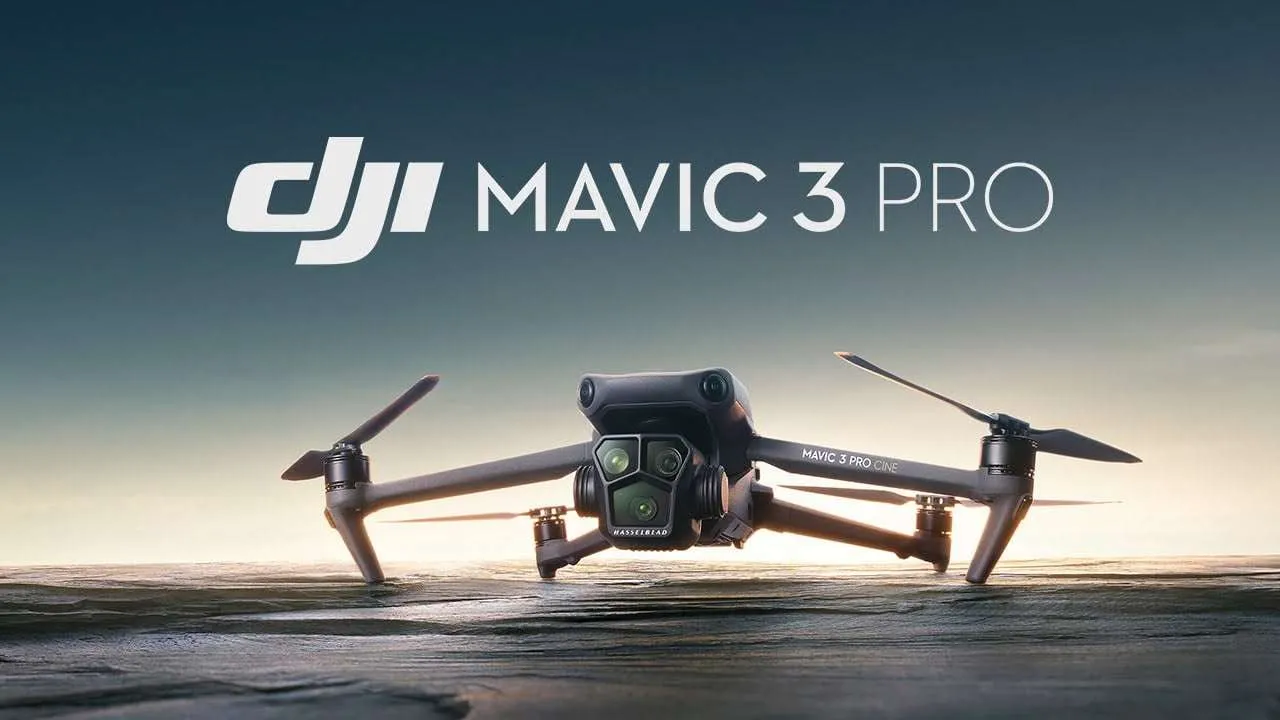
DJI Mavic 3 Pro
The DJI Mavic 3 Pro sits at the opposite end of the spectrum, built for high-end aerial cinematography and professional use. Unlike the Pocket 3, this drone features a multi-camera system and advanced flight capabilities that allow users to capture sweeping, cinematic shots from the sky. It offers significantly higher production value, making it a go-to for filmmakers, real estate professionals, and serious creators looking to elevate their visuals.
In practice, the Mavic 3 Pro delivers unmatched perspective and scale, turning ordinary scenes into dramatic, wide-angle visuals that simply can’t be replicated on the ground. However, that power comes with trade-offs, it requires more skill to operate, comes at a much higher price point, and in regions like India, involves regulatory compliance before use. It’s less about convenience and more about precision, control, and cinematic impact.
China (lowest raw price)
Typically the absolute cheapest region
Available via:
DJI China store; DJI.com
Why it’s cheaper:
No export/import costs
Local pricing advantage
Downsides:
China-only warranty common
Harder shipping + customs risk
Hong Kong / Singapore (best sweet spot)
Often 10–20% cheaper than India/Europe
Strong electronics markets with legit stock
No heavy taxes like EU/India
United States
Price: ~$2,199 base (standard global pricing)
Platforms:
DJI Store
Amazon
Best Buy
Pros:
Fast shipping
Reliable warranty
Cons:
Discounts aren’t huge
Some regulatory pressure on DJI imports
Ways to beat the competition:
The clash between Da-Jiang Innovations and GoPro wasn’t a direct head-to-head at first, but it quickly turned into a battle over who would own the future of action and motion capture.
GoPro originally dominated the space with rugged, wearable cameras, and even tried to expand into drones with the GoPro Karma. That move put them directly in DJI’s territory. However, the Karma struggled with technical issues and reliability problems, while DJI was already refining its drone technology with better stabilization, longer flight times, and stronger camera integration. DJI’s products were simply more polished and dependable, which led to Karma being discontinued not long after launch.
At the same time, DJI didn’t stay in its lane. It pushed into GoPro’s core market with products like the DJI Osmo Action, offering competitive image quality and strong stabilization. This turned the competition into a two-front battle, drones and action cameras.
DJI’s biggest advantage was its ecosystem and innovation speed. While GoPro remained strong in rugged action use, DJI expanded aggressively, combining aerial tech, handheld stabilizers, and cameras into one seamless system. GoPro, on the other hand, struggled to diversify beyond its core category.
In the end, DJI didn’t just compete, it outmanoeuvred. It held its ground in drones while successfully entering GoPro’s space, whereas GoPro failed to gain a lasting foothold in DJI’s domain. The result is a rivalry where DJI leads in innovation and range, while GoPro still holds its niche in durability and extreme sports.

What’s next for DJI and how will they expand in the future:
The future of DJI isn’t about small, incremental updates, but about redefining how its technology evolves altogether. It is possible that DJI may take the AI route of creating drones with such technology. These would be more advanced than the previous editions. As the world faces geopolitical tensions from time to time, integrating AI into high end drones can help navigate difficult terrain, execute accurate predictions for weather, strikes or impending attacks.
At the same time, DJI is leaning heavily into immersive content, with developments like potential 360-degree drones and next-gen FPV systems. These aim to create fully interactive, panoramic experiences rather than traditional flat video, blurring the line between filmmaking and virtual reality.
If you enjoyed reading this article so far, you may also like GoPro: Surf, capture, repeat
In Conclusion:
However, the road ahead isn’t entirely smooth. DJI is facing regulatory pressure in markets like the U.S., which could limit future product availability and force the company to adapt its global strategy.
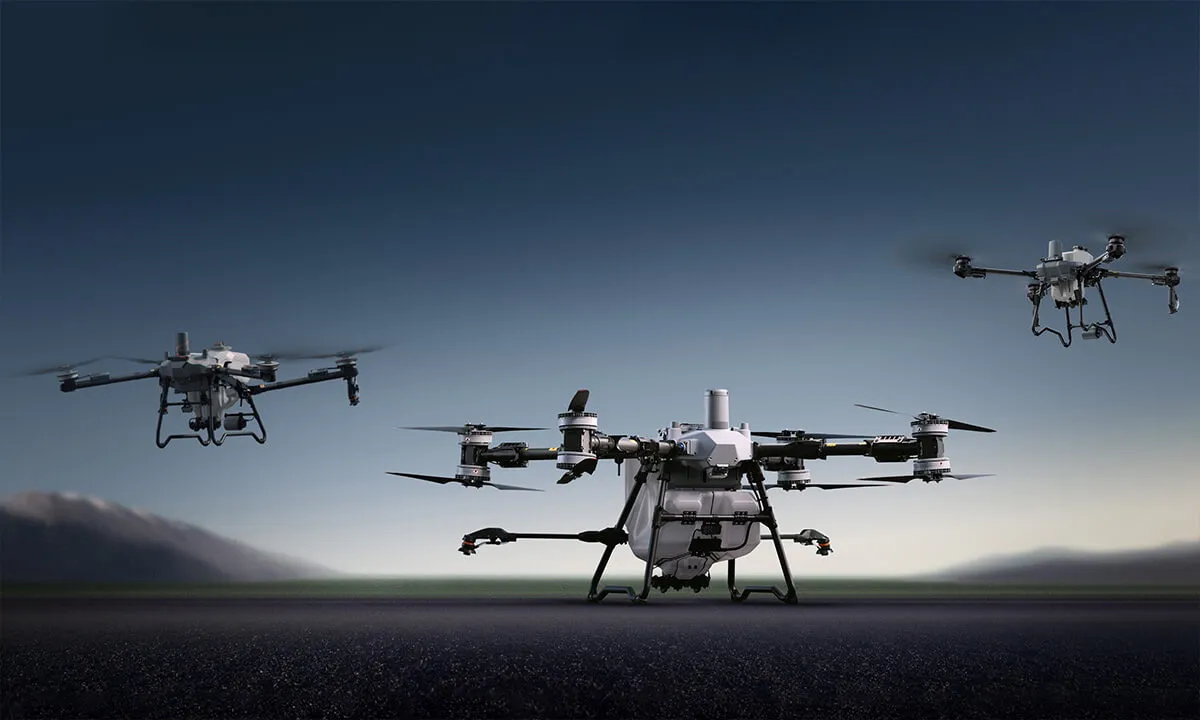
In simple terms, DJI’s next phase is about becoming more than a drone company. It’s moving toward a future where hardware, AI, and immersive media come together, turning drones into smarter tools and redefining how we capture and interact with the world.
-Siddhant Kohli