
From Paper Soldiers to Elite Collectibles: The Evolution of the Action-Figure Hobby
Discover how childhood creativity with paper soldiers evolved into today’s global action-figure hobby of customizing, crafting, and collecting.
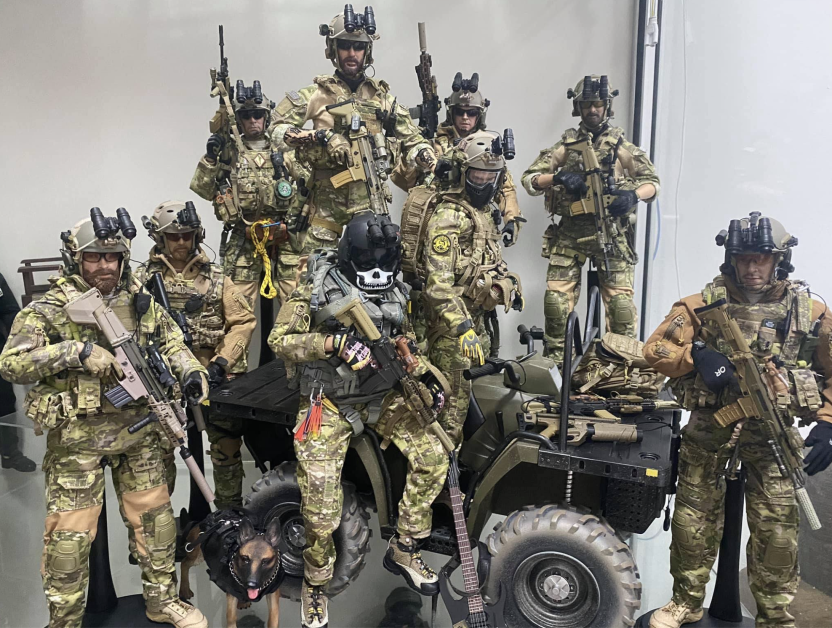
As a kid growing up in the early 90s watching war movies and following the exploits of classic figures like G.I. Joe, I found myself dreaming of putting together a squad, setting them on imaginary battlefields, and creating elaborate stories of conflict and camaraderie. Limited by budget and availability, I didn’t own dozens of official figures – so I improvised. I made my own “papermen”: paper action figures with hand-drawn camo, helmets, guns, vests and battle gear. I recruited friends, built pretend militaries, and staged epic engagements with pellet-guns and fire-crackers.
Over time, those paper creations gathered dust in shoe-boxes. Yet the spark never died. Fast-forward to today, and the world of action-figure collecting has evolved dramatically: customisable gear, replica weapons, scale models, 3D printing, a rich social-media community. What I did with paper in my backyard is now a global craft and hobby. Pages such as BlackOpsToys, DonJacoby Creations, GluePaintAndPlastic — and many others — demonstrate how far the hobby has come. And it’s time we paid it some serious attention.

What draws people into this hobby?
• Nostalgia and childhood remixes
When you grew up with G.I. Joe or similar toy-brands and vivid imaginative play, there’s a powerful emotional connection. Collecting or customising action figures feeds that nostalgia—and allows you to rewrite, remake or upgrade the childhood narrative you once had. The act of picking up a figure, painting a camo pattern, or designing a uniform becomes a bridge back to that younger self.
• Creativity, craftsmanship and self-expression
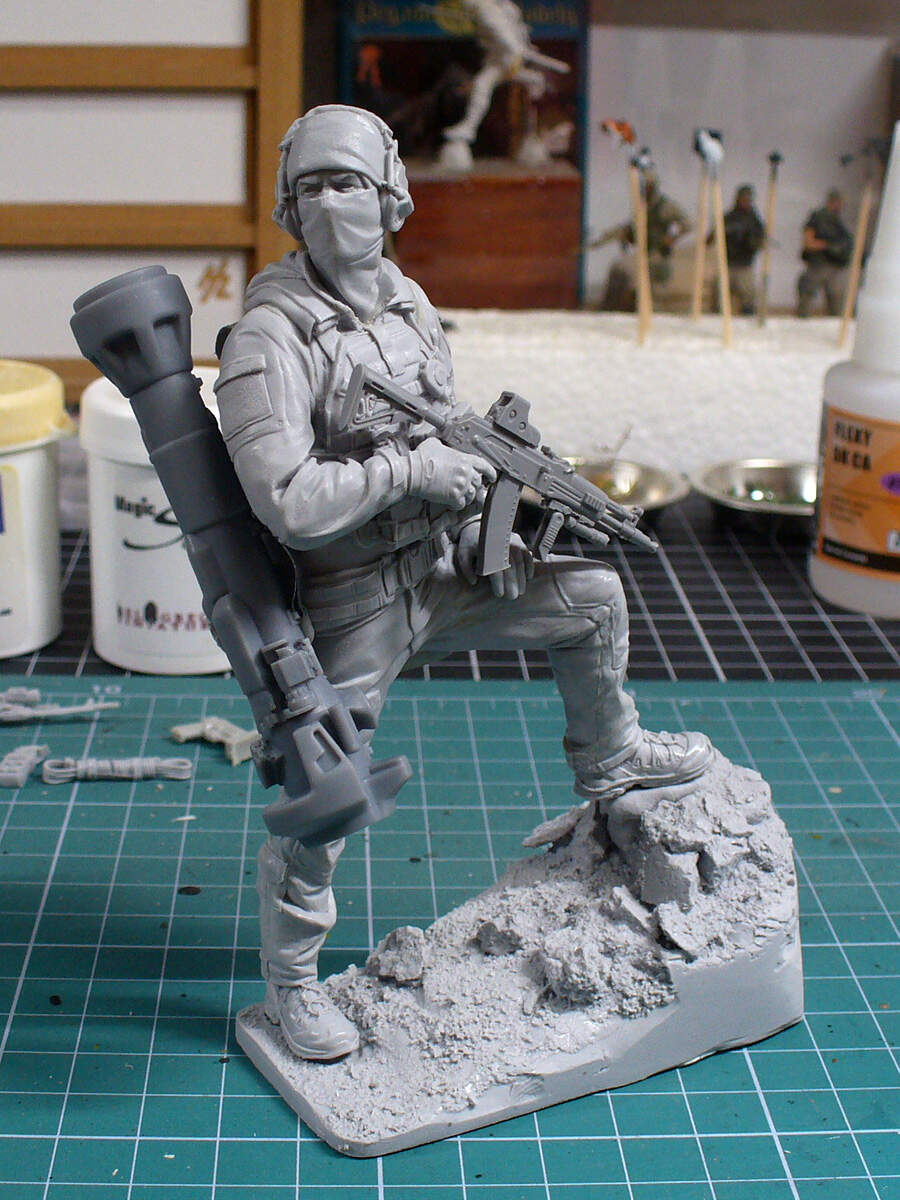
The hobby isn’t just “buy a figure and display it”. It’s about customising – repainting, kitbashing (mixing parts), adding accessories, building dioramas, telling a story. Many customisers now use 3D-printing, resin casting, sewing soft-goods. The craftsmanship angle is strong: you become both collector and creator.
• Community, sharing and collaboration
The toy hobby world now thrives on forums, Instagram, Facebook groups. Whether you’re sharing your “paperman” story, posting polished customs, trading parts, or just exploring inspiration—you’re part of a network. The sense of belonging is real. You’re not alone in your passion anymore.
• Crafting your own mythos
Just as you invented countries, branches of service, war-scenarios with your paper figures, many customisers build backstories, create entire dioramas, explore military history, alternate realities. It allows you to tell stories, and the physical figure becomes a vessel for narrative, memory and creativity.
Why should more people pay attention to this hobby?
• It bridges generations and mediums
From childhood play to adult craftsmanship, from simple paper figures to high-end scale models, the hobby forms a continuum. It offers a way for older collectors to revisit early passions, for younger ones to learn craftsmanship, design, 3D modelling, painting and storytelling. It’s a gateway to so many c reative skills.
• It fosters creativity, technical skill and design thinking
Customising figures isn’t passive. You plan, fabricate, finish, photograph. Whether you swap limbs, tweak camo patterns, design uniforms, or 3D-print parts, you engage in design thinking, problem-solving, artistic expression.
• It preserves craftsmanship and analog play in a high-tech era
In an age dominated by digital entertainment, smartphones and streaming, the tactile hobby of action figures, painting, building dioramas keeps hands-on craftsmanship alive. The physical process of customising, building, displaying matter. s. It instils patience, precision, attention to detail. It connects you to your youthful self (the paper-figure builder) and to a broader legacy of model-making.
• It builds community and shared culture
Online and offline, hobbyists share their work, teach others, crew up for conventions, trade parts, organise displays. By participating, you join a global culture that values imagination, collection, creation, and storytelling.
• It has economic potential and sustainability
While some hobbyists are purely passionate and not in it for profit, the niche of custom figures, 3D-printed accessories, limited editions, and display art has grown. That means more suppliers, more tools, more innovation.
Spotlight: Why these hobby-pages are worth following
Here are three pages you mentioned — plus why they stand out. They’re great to follow for inspiration, technique, community-engagement and craft-motivation.
1. BlackOpsToys
What they do & why to follow:
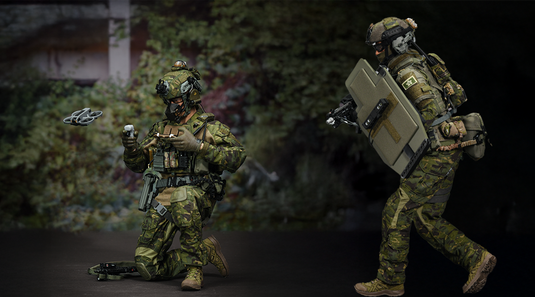
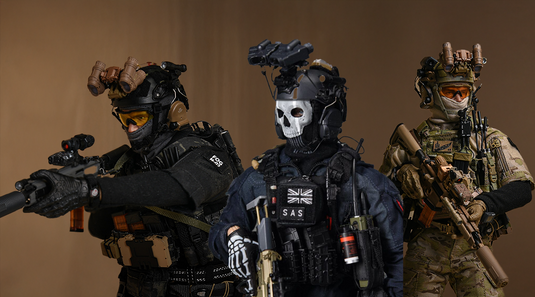
a) They produce and sell one-sixth scale hyper-detailed action figures, with advanced gear, weapons and craftsmanship.
b) On Instagram they showcase “the detail is INSANE” on latest figures — close-up shots of gear, camo, accessories, build-reveals.
c) They offer build-videos, unboxings (“New one six scale action figures…”) which are motivational if you’re into building/customising your own.
d) For someone like you who loved designing gear, camo, customizing – this page shows what the craft can evolve into: premium finishes, multiple accessories, realism.
e) You’ll pick up ideas: how to layer gear, how to photograph a figure, what types of accessories (helmets, vests, weapons) are possible.
Following them helps you stay connected to the higher-end of the hobby and see what craftsmanship looks like when you take customizing seriously.
2. DonJacoby Creations

What they do & why to follow:
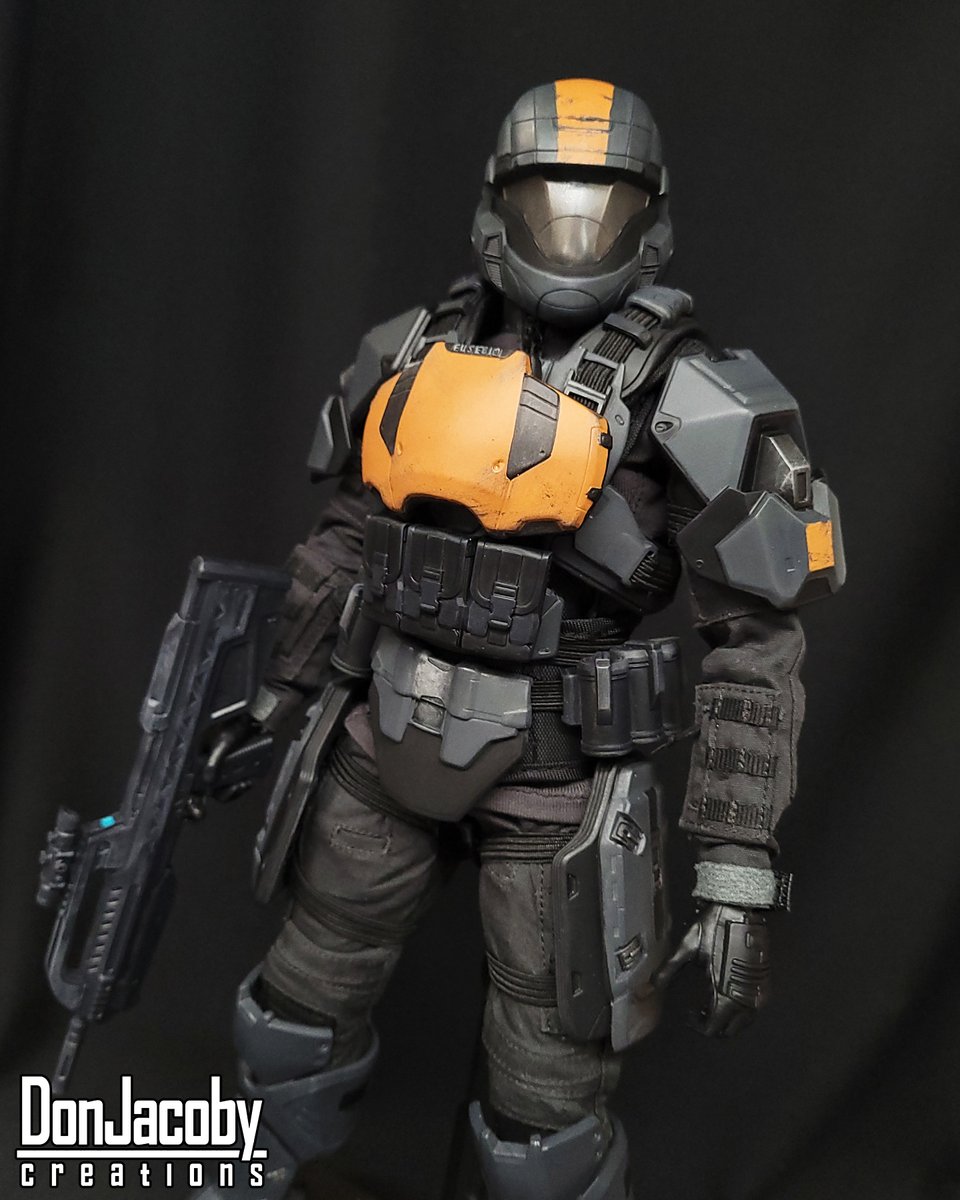
1) This is a customiser working at the one-sixth scale level: e.g., “sixth scale figure customs of the phase 1 crew from Geonosis… the rest are 3D printed kits.” Instagram
2) On social media (Instagram, X) they share 3D printed kits, custom accessories, and transformation of standard figures into completely new characters (Halo, Star Wars etc). X (formerly Twitter)+1
3) Why it’s valuable for you: you started by DIY’ing paper figures, weapons, camo. DonJacoby’s work shows the modern “DIY” hobby elevated: you can design or print custom parts, swap limbs, etc.
4) By following them you’ll see the process of customisation: from base figure to finished piece. It can inspire you to try your own customs, perhaps in smaller scale, or with 3D printed parts.
5) They also show the storytelling side: naming characters, building lore — so your earlier paper-soldier war-scenarios align with this deeper layer of the hobby.
3. GluePaintAndPlastic

What they do & why to follow:
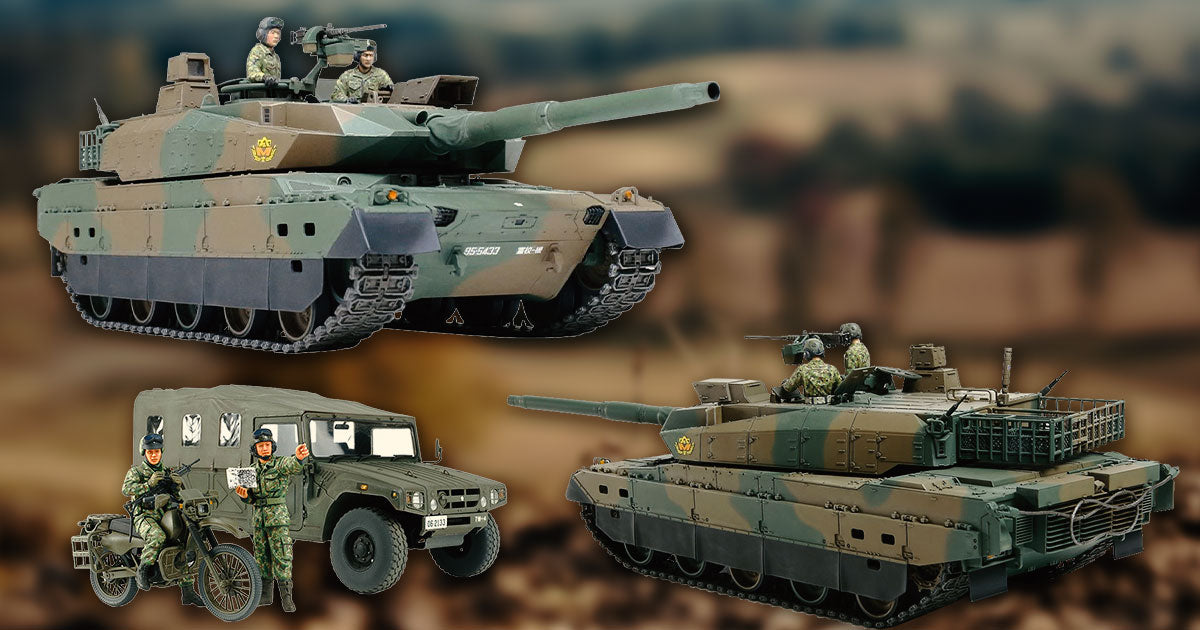
1) This is a blog / project showcase by model-builder Mike Kiehn: “Building models and dioramas to make history accessible.”
2) It features detailed builds: for example the “Meng 1/35 M1A2 Abrams” completed and shown going into a diorama.
3) Why it fits your interest: your childhood narrative of using pellet guns, engineering terrain, creating war-scenes — this page shows how model-making has matured into dioramas with period-accuracy, scale modelling, terrain building.
4) Following this page gives you access to technique (painting, weathering, terrain), photo-tutorials and inspiration for building realistic scenes around action figures rather than just the figures themselves.
It stretches the hobby beyond just figure customising — into full environment building, which is probably an evolution of the “war-scenario” you used to set up with your papermen.
How this links back to my story — and what my experience illustrates
My childhood paper figures were the spark that started it all. I didn’t have the budget for store-bought action figures, but that never stopped me. I had imagination—and the determination to make my own gear, draw my own camouflage, and invent entire missions on scraps of paper. That DIY mindset, I’ve come to realise, connects me with a much larger community today: people who customise, repaint, 3D print, and build entire worlds around their figures.
Looking back, my journey—from cutting out paper soldiers to scrolling through Instagram hobby pages and eventually appreciating scale models—mirrors the evolution of the hobby itself. It shows how a simple childhood fascination can grow up too, adapting to new tools and technologies like 3D printing, and finding a home in a global culture of creativity and craft.
Tips for those interested in starting or diving deeper
1.Begin small – Use affordable base figures and parts; experiment with repainting and accessories. Try simple gear, then move to more complex.
2. Learn basic techniques – Painting, weathering, swapping parts (kitbashing), working with fabric or soft-goods.
3.Document your story/back-story – Give your figure a name, a military branch or country (as you did), write a little bio. This adds depth and personal meaning.
4.Participate in community – Share your work on Instagram, Facebook or forums. Ask for feedback, learn from others (like the pages above).
5.Upgrade gradually – As you get more confident, experiment with 3D-printed parts, custom weapons, diorama displays.
6.Preserve and display – It’s not just about making — it’s about preserving your creations, displaying them, sharing them. This keeps the craft alive.
7.Keep the fun alive – Above all, remember why you started: play, story, imagination. As one hobbyist wrote:
“We all do it a little differently… The most important part is that they exist now.”
Conclusion
The action-figure hobby, especially the “customise & create your own gear” aspect, is far more than a niche collector’s pastime. It’s a powerful blend of nostalgia, creativity, craftsmanship, community and story. Your journey—from paper “papermen” fighting pellet-gun wars, to witnessing the modern world of customisable action figures and scale models—reflects the evolution and enduring relevance of this craft.
By paying attention to this hobby, we honour not just toys but imagination, hands-on making, the ability to build worlds, and the shared culture of people who make, display, and tell stories. Whether you’re a childhood enthusiast, a new collector, or someone who just loves making things, this world offers real value: creative expression, connection, learning, and fun.
By [Tommy Thounaojam] Editor TrendBrewers
You may Also Like