
Exploring Three Classic 1980s Archie Strips: Storylines, Messages & Legacy
Dive into three emblematic early‑1980s Archie strips from Archie Comics. Learn the story behind each strip, the message they conveyed, and how the creation by Bob Montana (with others) evolved over three decades from the 1980s to 2025
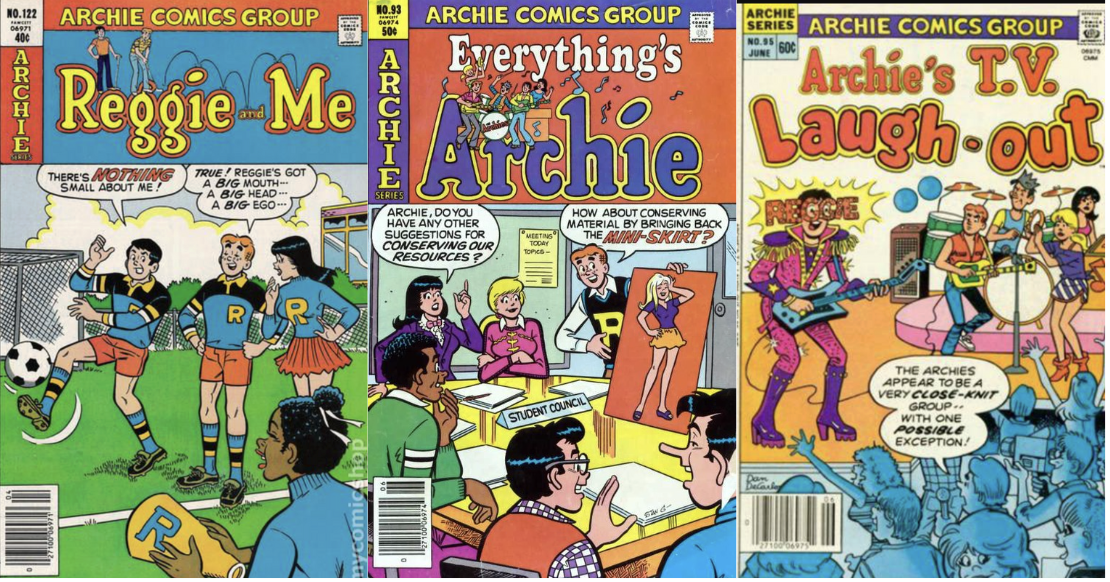
When we think of teen humour comics, the name Archie Andrews often springs to mind. Originating in the early 1940s, the comic strip and comic‑book adventures of Archie, his pals Betty, Veronica, Jughead and the rest captured a timeless image of American teenager‑life. In the early 1980s, the strip was still strong, publishing countless digest editions and comic books where Archie’s everyday misadventures offered both light humour and subtle life lessons. This article examines three different strips from the early 1980s — looking at their storylines, the deeper messages behind them, and how they reflect the state of the Archie universe at that time. Alongside that, we’ll take a brief look at the creator lineage (notably Bob Montana and later artists), the newer iterations of Archie from the 1990s through to 2025, and how readers responded over those decades.
Creator & Legacy Brief
The character Archie Andrews was brought into being by a team: publisher John L. Goldwater, writer Vic Bloom, and artist Bob Montana (Robert William Montana) around December 1941. Montana is credited with defining the newspaper strip version and the look of Archie’s world. After Montana’s death in 1975, other artists such as Dan DeCarlo took over the “house style” of Archie comics. Over time, the Archie brand evolved: from gag‑a‑day humour to more adventurous stories in titles like Life with Archie (1958–1991) and later the “New Riverdale” reboots. Reader response has shifted: in the 1980s, the classic teen humour of Archie enjoyed stable popularity, the 1990s brought changes, and by the 2010s and into 2025 the brand has been revisited, rebooted, and viewed more nostalgically.
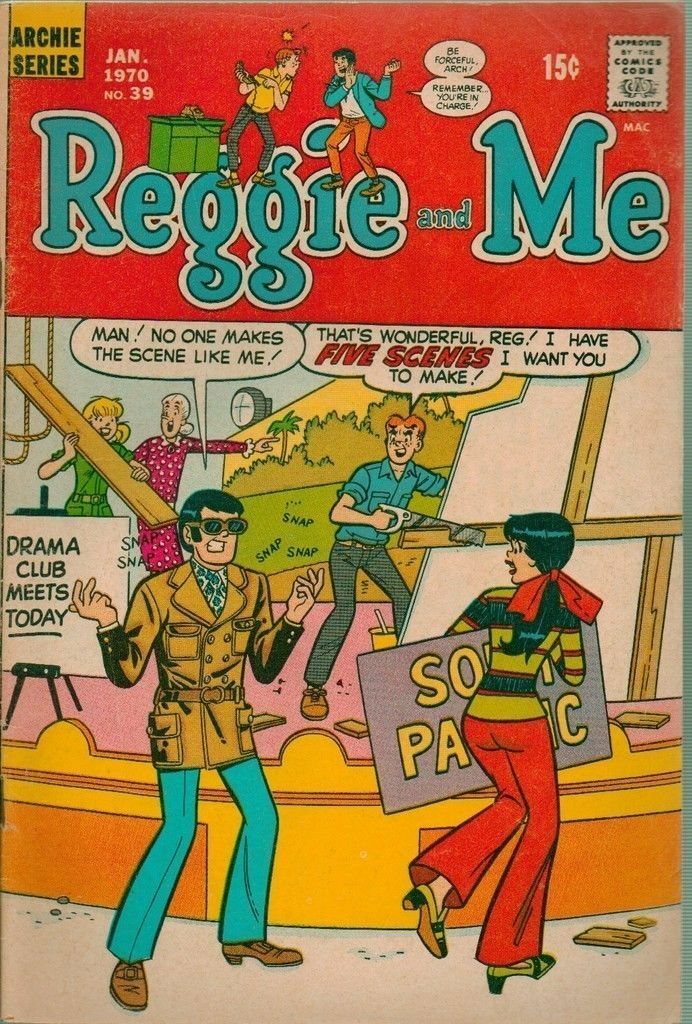
Strip 1: “A Crying Shame” (1980) from Reggie & Me #123
Story Synopsis:
In this 1980 story, Reggie Mantle — Archie’s rival and friend — faces a moment where his pride and ego get the better of him, leading to regret and embarrassment.
Message Behind the Strip:
The strip highlights humility and the pitfalls of acting out of arrogance. Reggie’s boastful nature causes trouble, serving as a reminder that ego can have consequences.
Context & Why It Matters:
This story typifies early 1980s Archie strips where character-driven humour met relatable teen life lessons. Readers found comfort and insight through Reggie’s antics and the consequences of pride.
Reader Response Over Time:
1980s: Embraced as a classic Archie moral tale within fun, digestible comics.
1990s: Seen as somewhat old-fashioned against more edgy comic trends.
2000s–2025: Appreciated nostalgically for its wholesome charm and timeless lesson.

Strip 2: “Sword & Sorcery” (1981) from Everything’s Archie #93
This strip takes the Archie gang on a playful fantasy adventure — either through imagination or role-playing — as they step outside their usual high school antics into a sword and sorcery scenario.
Message Behind the Strip:
It champions the power of imagination, friendship, and stepping beyond comfort zones, all while maintaining the core essence of camaraderie.
Context & Why It Matters:
The early 1980s saw Archie experimenting with genre shifts while keeping the characters central. This story gave readers escapism and fresh excitement.
Reader Response Over Time:
1980s: Enjoyed as a refreshing detour from typical teen plots.
1990s: Mild but fondly remembered amid more complex comic storytelling.
2000s–2025: Valued nostalgically as a charming example of Archie’s versatility.
Strip 3: “It Seams Sew Sad” (1983) from Archie's T.V. Laugh-Out #91
In this pun-filled tale, Archie and friends deal with a sewing mishap or costume-related challenge that leads to a mix-up and a poignant emotional moment.
Message Behind the Strip:
It teaches pride in one's efforts, dealing with setbacks, and the importance of friendship and humor in overcoming challenges.
Context & Why It Matters:
Reflecting everyday teen concerns about fitting in and perfection, this story is emblematic of the slice-of-life style that Archie mastered.
Reader Response Over Time:
1980s: Enjoyed for its pun-rich humor and relatable themes.
1990s: Perceived as somewhat dated but still charming.
2000s–2025: A nostalgic favorite capturing the simplicity and heart of classic Archie stories.
Three-Decade Reader Response & Evolution (1980s → 1990s → 2000s–2025)
1980s: Archie thrived on its familiar teen humor, subtle lessons, and occasional adventurous tales. Readers enjoyed consistent, wholesome entertainment.
1990s: With competition and shifting tastes, Archie evolved through alternate storylines and reboots. While some viewed the classic formula as old-school, nostalgia for Archie’s roots began to build.
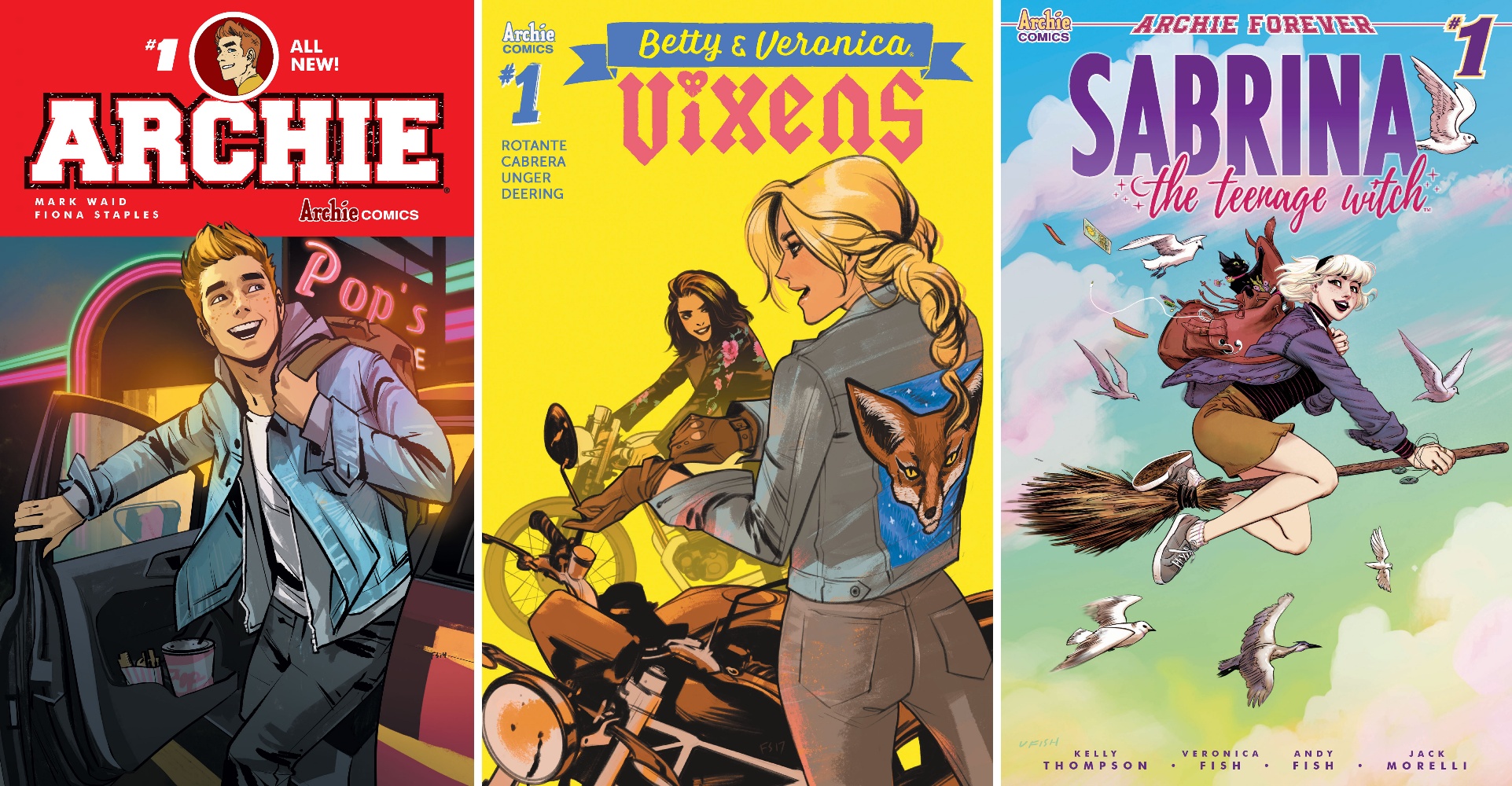
2000s–2025: Archie is now a legacy brand. The early 1980s strips are treasured for their clean art style, heartwarming themes, and timeless humor. The newer “New Riverdale” reboots and screen adaptations have brought Archie to fresh audiences, reigniting interest in vintage stories.
Conclusion
The three strips from the early 1980s demonstrate Archie Comics’ ability to blend humour, life lessons, and imagination while preserving beloved characters. From Reggie’s humbling misstep to a playful sword and sorcery adventure, and a heartfelt sewing mishap, Archie’s world captures universal teen experiences with warmth and wit. Thanks to creators like Bob Montana and Dan DeCarlo, Archie has remained visually and narratively consistent, allowing generations of readers to connect with its timeless appeal. Today, Archie stands as a cultural icon, bridging the past and present for readers worldwide.
By [Tommy Thounaojam] Editor Trendbrewers