
A Closer Look at Emi Grace’s Creative Process
Emi Grace brings punk energy to “Scar Tissue” and leads Gen Z’s rock revival. Discover her music, style, influences, and rising impact.
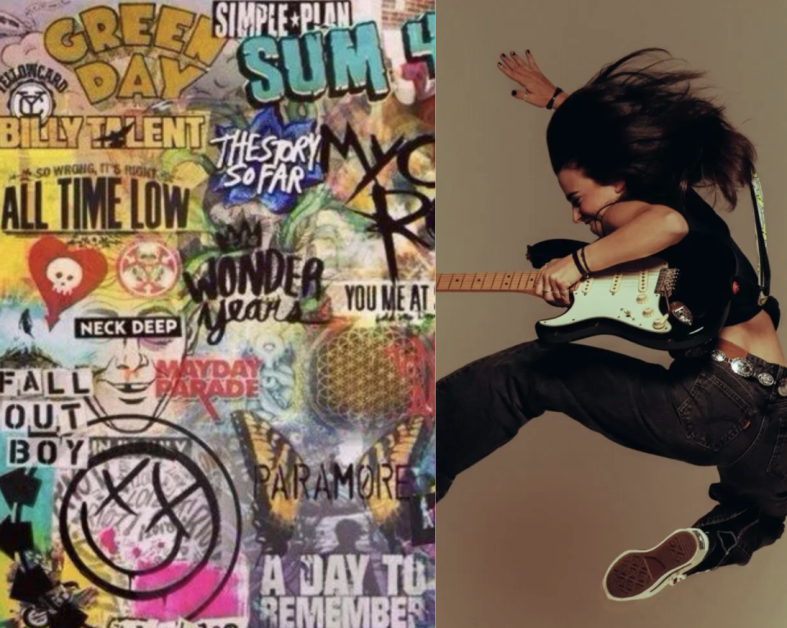
There’s something quietly compelling about watching an artist rethink a song in real time—especially when that song is as recognizable as Scar Tissue.
When Emi Grace stepped into EastWest Studios—a space closely tied to Californication—the goal wasn’t to outdo the original by Red Hot Chili Peppers. It was to understand it, take it apart, and rebuild it in a way that felt current.
The process was less about spectacle and more about decisions: how fast should it move, what stays, what changes, and how far you can push a familiar melody before it becomes something else entirely.
Who Is Emi Grace?
Emi Grace is part of a newer wave of alternative artists who treat genre as something flexible rather than fixed. Her sound moves between indie rock, punk, and melodic alternative—often within the same track.

What sets her apart isn’t just the sound itself, but how she approaches it. There’s a noticeable focus on feel over perfection—songs that are shaped as much by instinct as by structure.
Her growing catalog reflects that balance: emotionally direct lyrics layered over guitar-driven arrangements that feel both familiar and slightly unsettled.
Reworking a Classic Without Losing Its Core
“Scar Tissue” is built on restraint—its laid-back tempo and spacious arrangement are part of what makes it memorable.

Image Credit: Musora
Emi Grace’s version shifts that balance.
Instead of stretching the song out, she compresses it:
- Tempos are pushed forward
- Guitar parts become more immediate
- The overall energy tightens
The challenge isn’t just technical—it’s conceptual. How do you keep the emotional tone intact while changing the pacing and texture?
Her solution leans toward contrast: preserving the melodic identity while altering the surrounding structure.
A Snapshot of How Young Artists Create Today
What stands out in sessions like this isn’t just the end result—it’s the process itself.

There’s an openness to:
- Trying multiple directions quickly
- Discarding ideas without overthinking
- Letting collaboration shape the outcome
For many young musicians, this approach is becoming standard. With access to recording tools and platforms, the barrier to experimentation is lower than ever.
And that’s leading more people to pick up instruments—not necessarily to master them immediately, but to explore what they can do.
The Return to Instruments
In contrast to the heavily digital phase of music production over the last decade, there’s a noticeable shift back toward physical instruments.

Guitars, drums, and live setups are reappearing—not as a rejection of technology, but as a complement to it.
Artists like Emi Grace are part of that shift, showing that:
- Live instrumentation can coexist with modern production
- Imperfection can add character
- Performance still matters
This has had a ripple effect, especially among younger audiences, who are increasingly interested in learning and experimenting themselves.
Generational Shifts in Rock
Rock music has never been static. Each era reshapes it based on its own influences and priorities.
- 1990s: Raw, often introspective, with a focus on authenticity
- Early 2000s: More structured, blending punk energy with mainstream accessibility
- Current era: Hybrid—drawing from both, but less concerned with fitting a single mold
Emi Grace’s interpretation of “Scar Tissue” sits within this current phase. It doesn’t try to recreate the past—it references it while adjusting the tone and pacing for a different audience.
Influences That Span Eras
You can hear multiple timelines in her approach.

There’s the melodic sensibility associated with bands like Red Hot Chili Peppers, but also a sharper, more immediate edge that reflects later punk and indie developments.
Rather than choosing one influence, her style layers them—resulting in something that feels connected to rock history without being anchored to a specific moment.
Style and Visual Identity
Emi Grace’s aesthetic aligns closely with her music—unpolished in a deliberate way.

Her look typically includes:
- Vintage-inspired pieces
- Simple, functional silhouettes
- Subtle nods to classic rock fashion
It’s less about making a statement and more about consistency. The visual identity doesn’t overshadow the music—it supports it.
Where to Find a Similar Style
For those drawn to her aesthetic, the approach is accessible:
- Thrift and vintage stores for older band tees and denim
- Independent labels focusing on understated streetwear
- Personal customization rather than fully curated outfits
You Might also like: The New Age of Drumming: Top 5 Artists of 2020–2025
Where to Listen
Emi Grace’s music and performances can be found across major streaming platforms and video channels, where studio sessions and live takes offer insight into her creative process as much as the finished tracks.
A Subtle Shift, Not a Reinvention
What makes this “Scar Tissue” reinterpretation interesting isn’t that it tries to replace the original—it doesn’t.
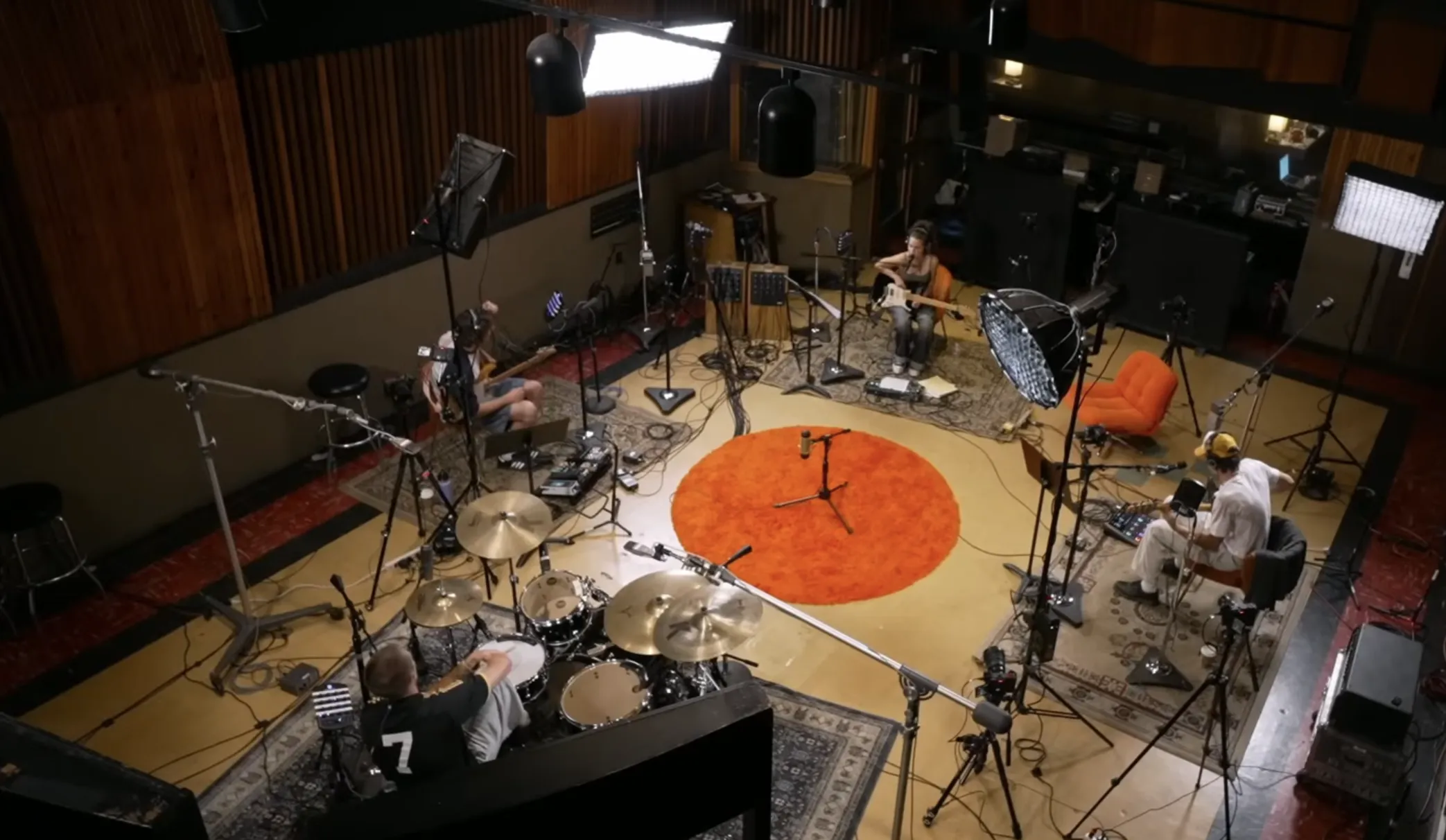
Instead, it shows how a song can move through time, changing shape as it passes between generations.
Emi Grace’s version is just one iteration, but it reflects a broader pattern: rock music evolving quietly, shaped by artists who are less interested in defining the genre—and more interested in working within it.
By Tommy Thounaojam-Editor TrendBrewers